
Updated for 2026, including new rules for Going-to-the-Sun Road, Park Shuttle, Logan Pass and Glacier Park International Airport changes.
Northwest Montana is a magical place that is home to Glacier National Park, which welcomed 3.1 million people in 2025. Total visitors were down about 200,000 people, but that is still a lot of people. If you’re willing to explore a little farther, there is solitude to be found on many trails. You’ll love the crystal-clear mountain lakes, picturesque rivers and waterfalls that beckon via beautiful trails. Your odds of spotting wildlife, including baby critters are excellent. In this article, you’ll find plenty of inspiration and helpful information that will ensure your trip is memorable.
Getting Here
Glacier Park International Airport is surrounded by stunning mountains, which is your first clue to the beauty that awaits you. It’s relatively easy to get here. There are many direct flights from major cities and two-stop flights from smaller cities. Stay in West Glacier, Columbia Falls, Whitefish or Kalispell to explore Glacier National Park from the West Glacier entrance. If you can stay longer, spend the second half of your trip in Babb or East Glacier to be closer to Many Glacier or St. Mary’s park entrances.

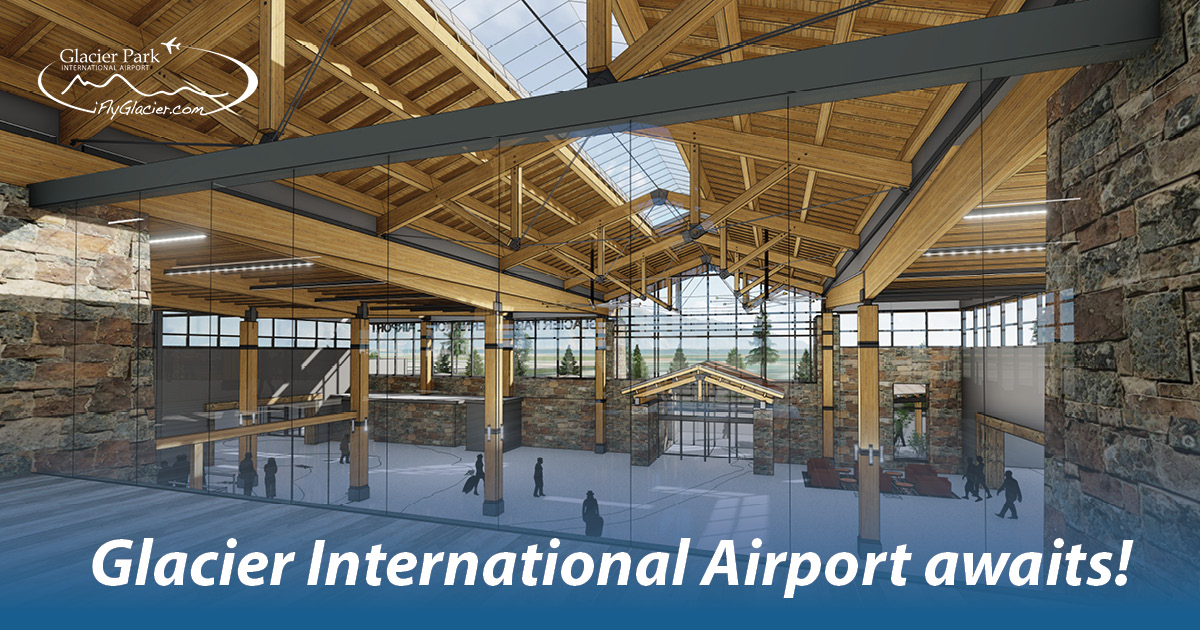
Please note Glacier Park International Airport (GPIA) is planning an important runway rehabilitation project to extend the runway’s service life and maintain safe, efficient air travel in the Flathead Valley. Construction will occur in July 2026, with additional nighttime work in September. The runway will close during the week and reopen for flights on the weekends only during July. In September 2026 the airport will close at night.

1. Avoid the Crowds
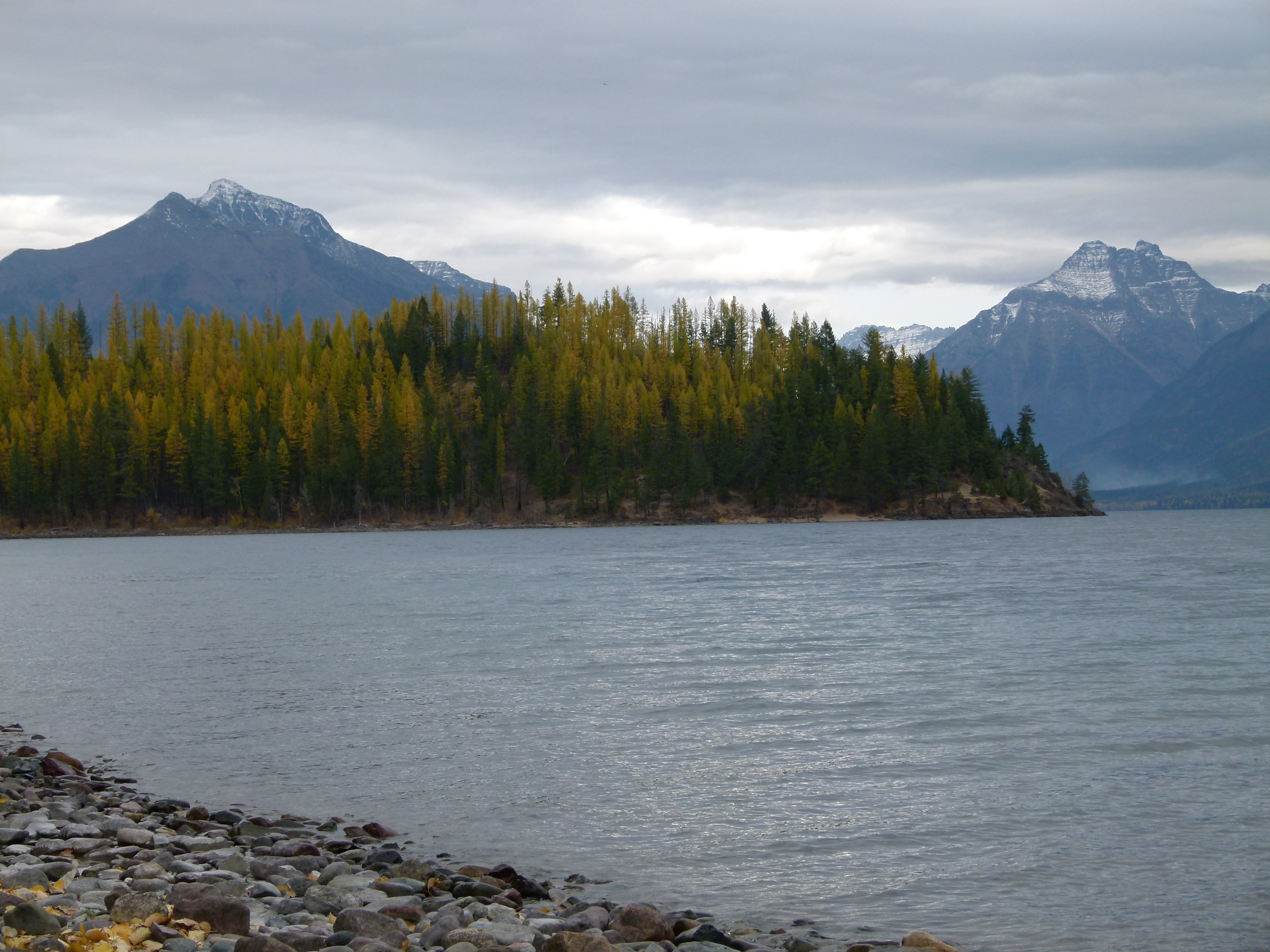
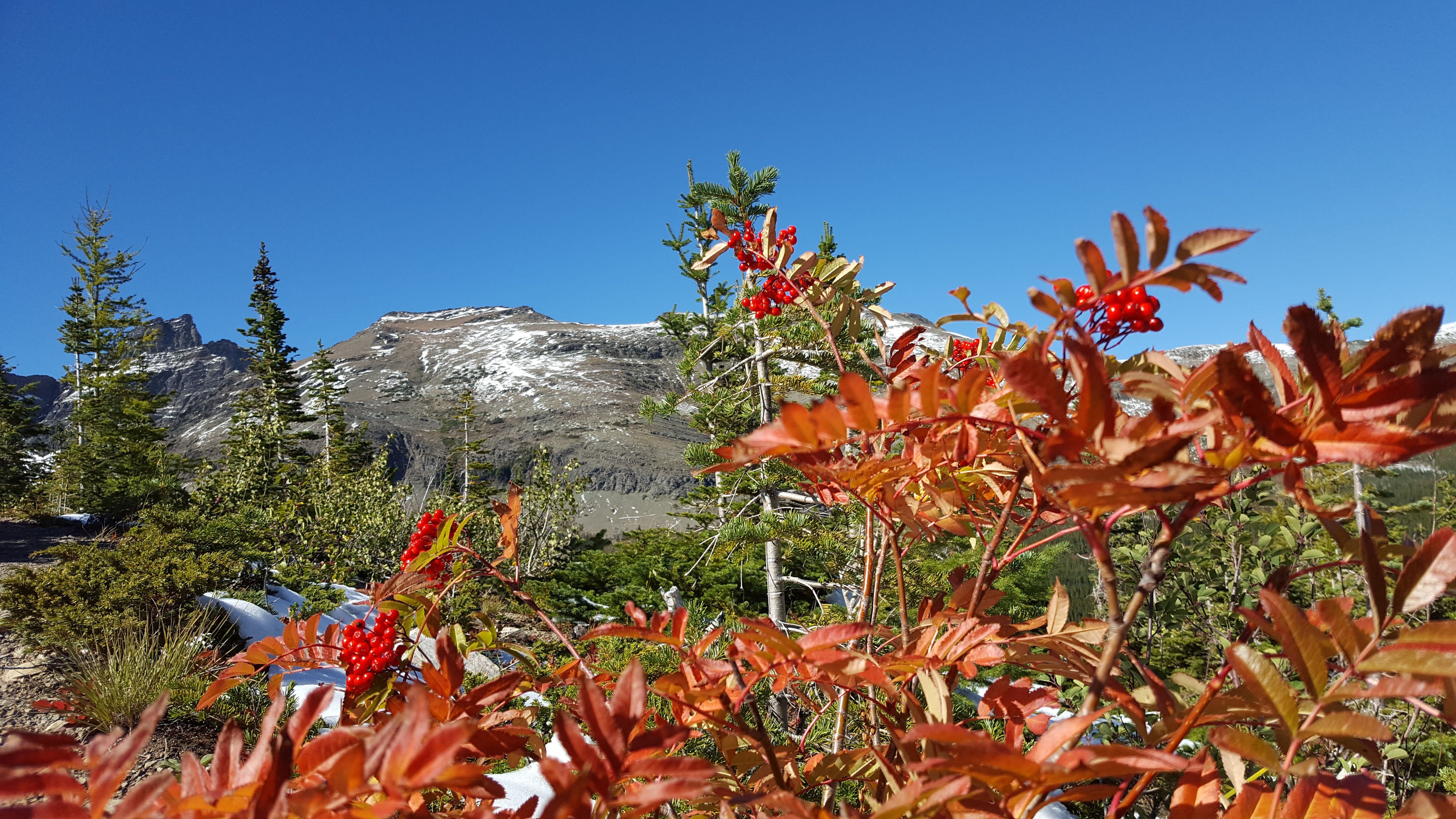
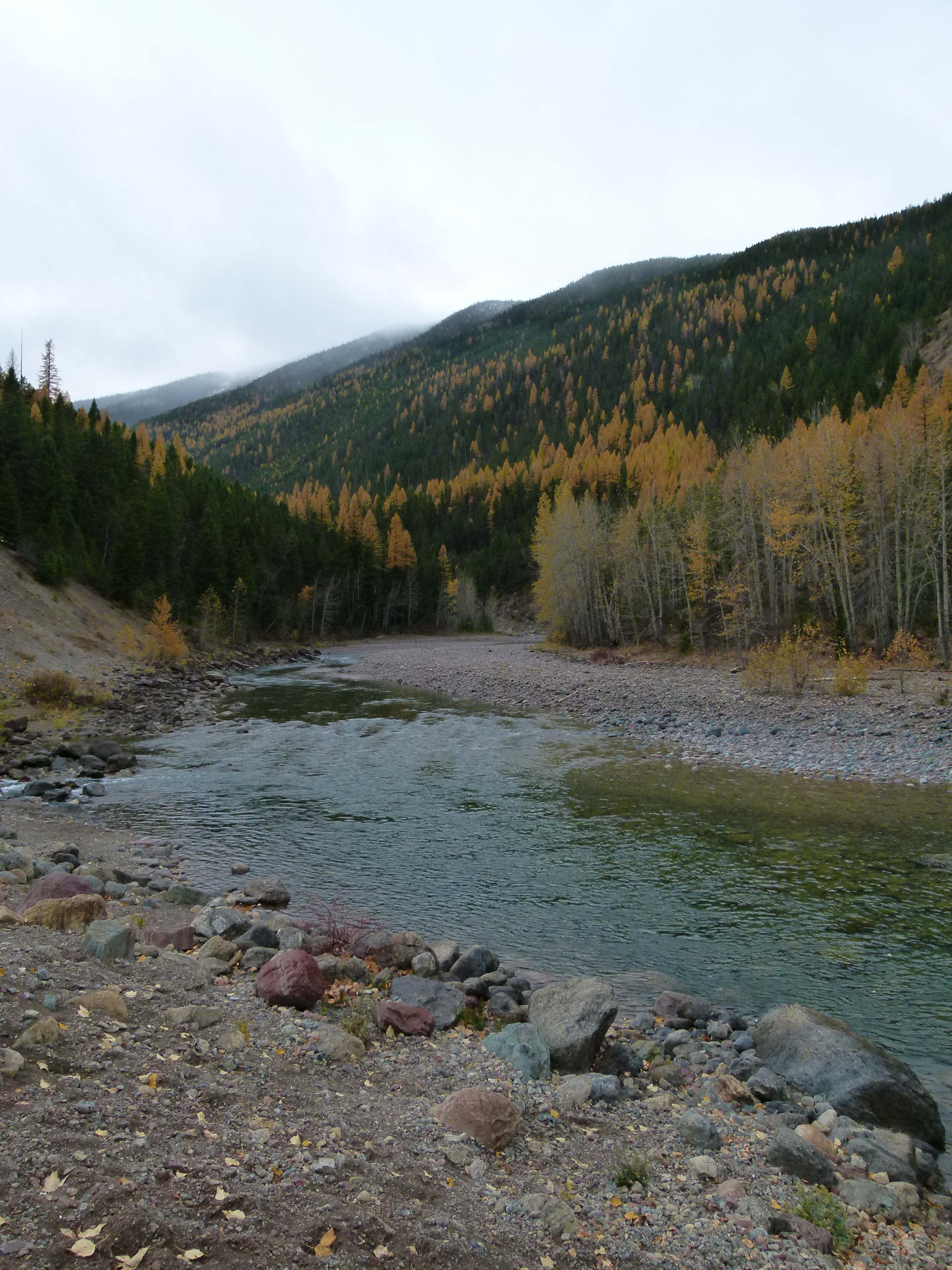
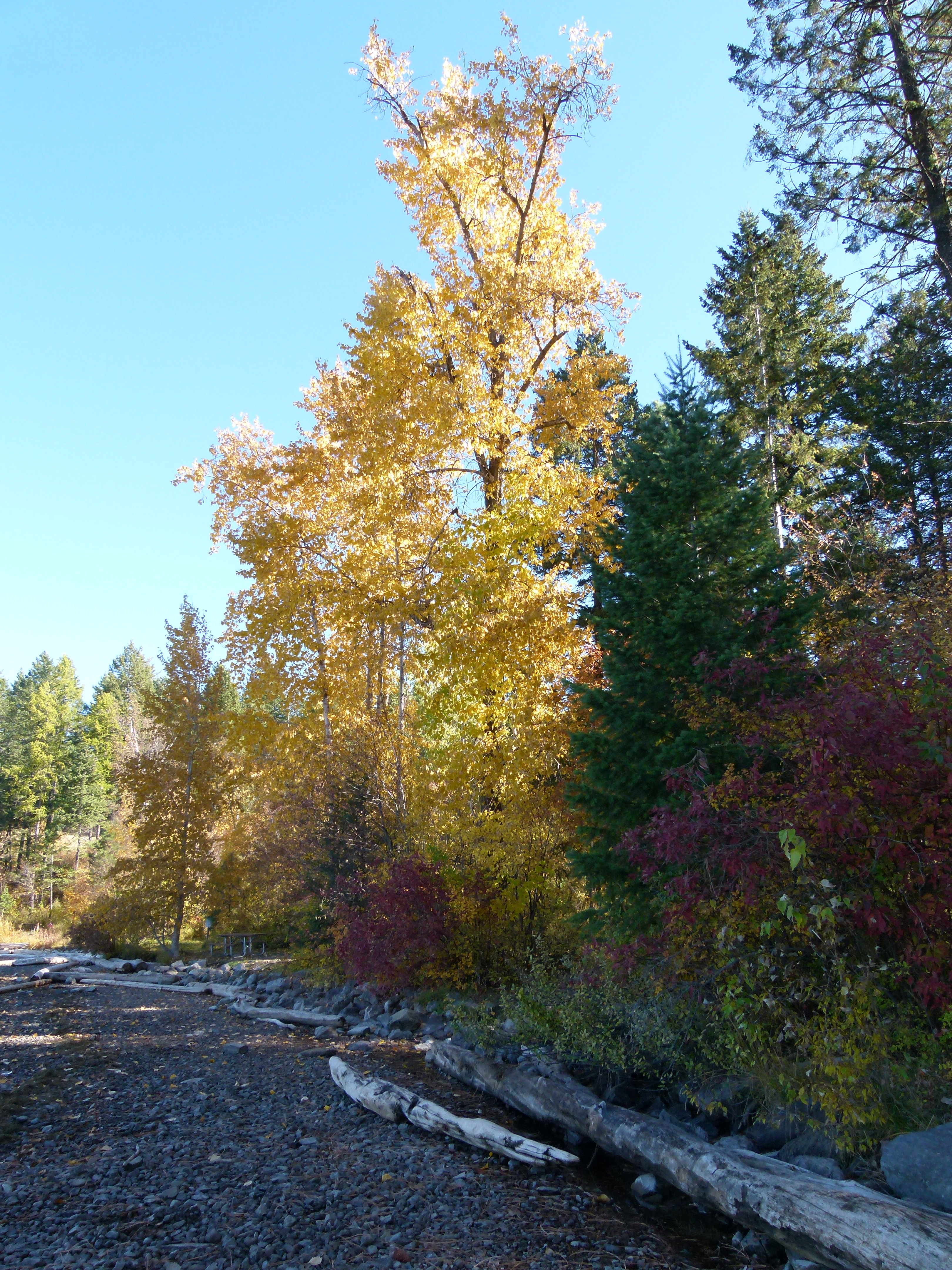
Summer is the busiest time in U.S. national parks. That means you’ll want to plan your trip for September through mid-October to avoid the crowds. Fall offers cooler weather, blue skies and unique fall foliage like, Larch, Aspen and Barberry. Getting up early ensures less traffic and a parking spot at pull-outs, visitor centers, shuttle stops, and trailheads. Popular spots will always have crowds, but most visitors stay closer to the road. Explore trails that fit your skill level, but don’t let longer trails intimidate you. There is no prize for getting there faster, take your time and go as far as you’re comfortable.
2. Stunning Landscapes
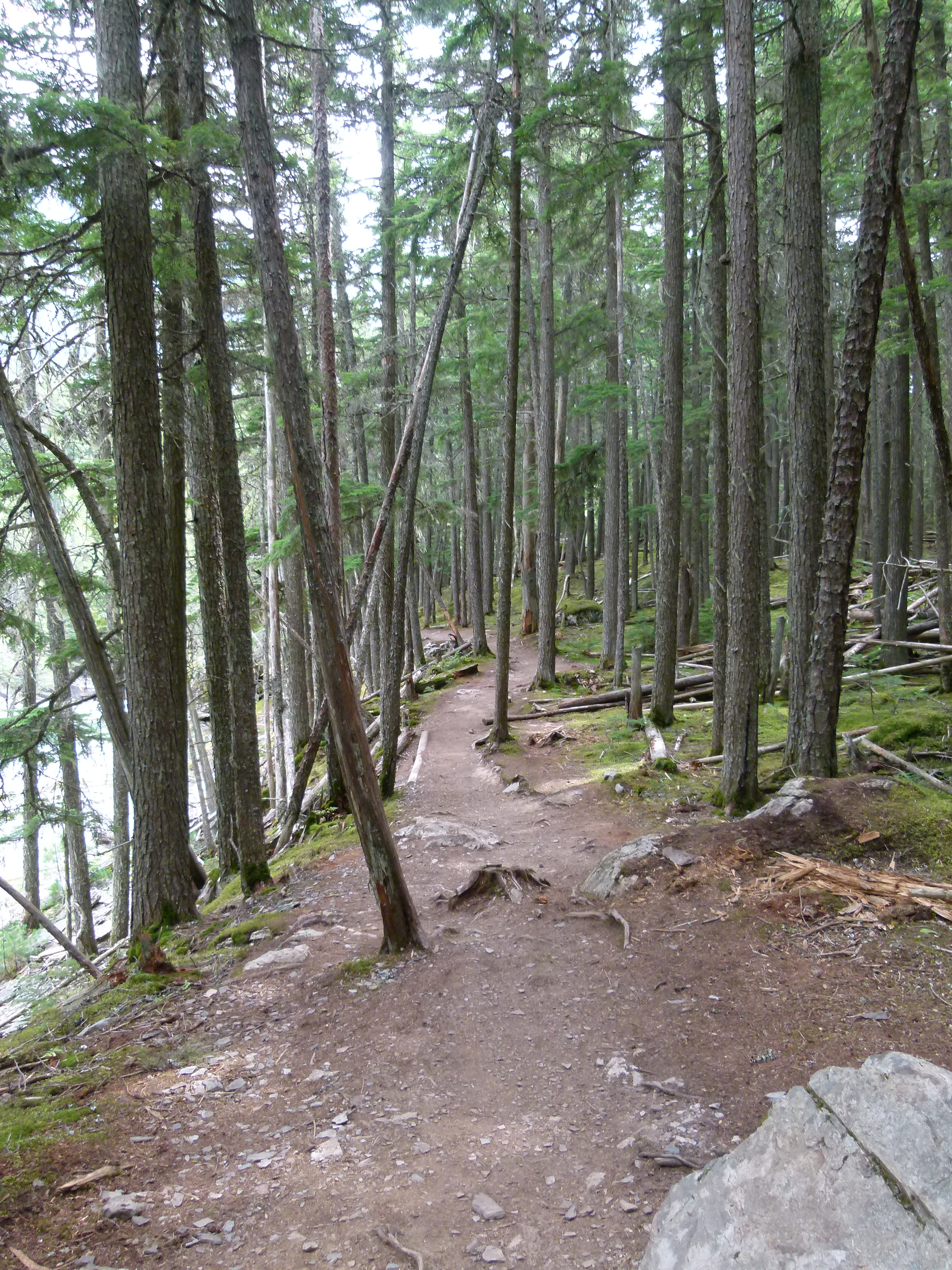
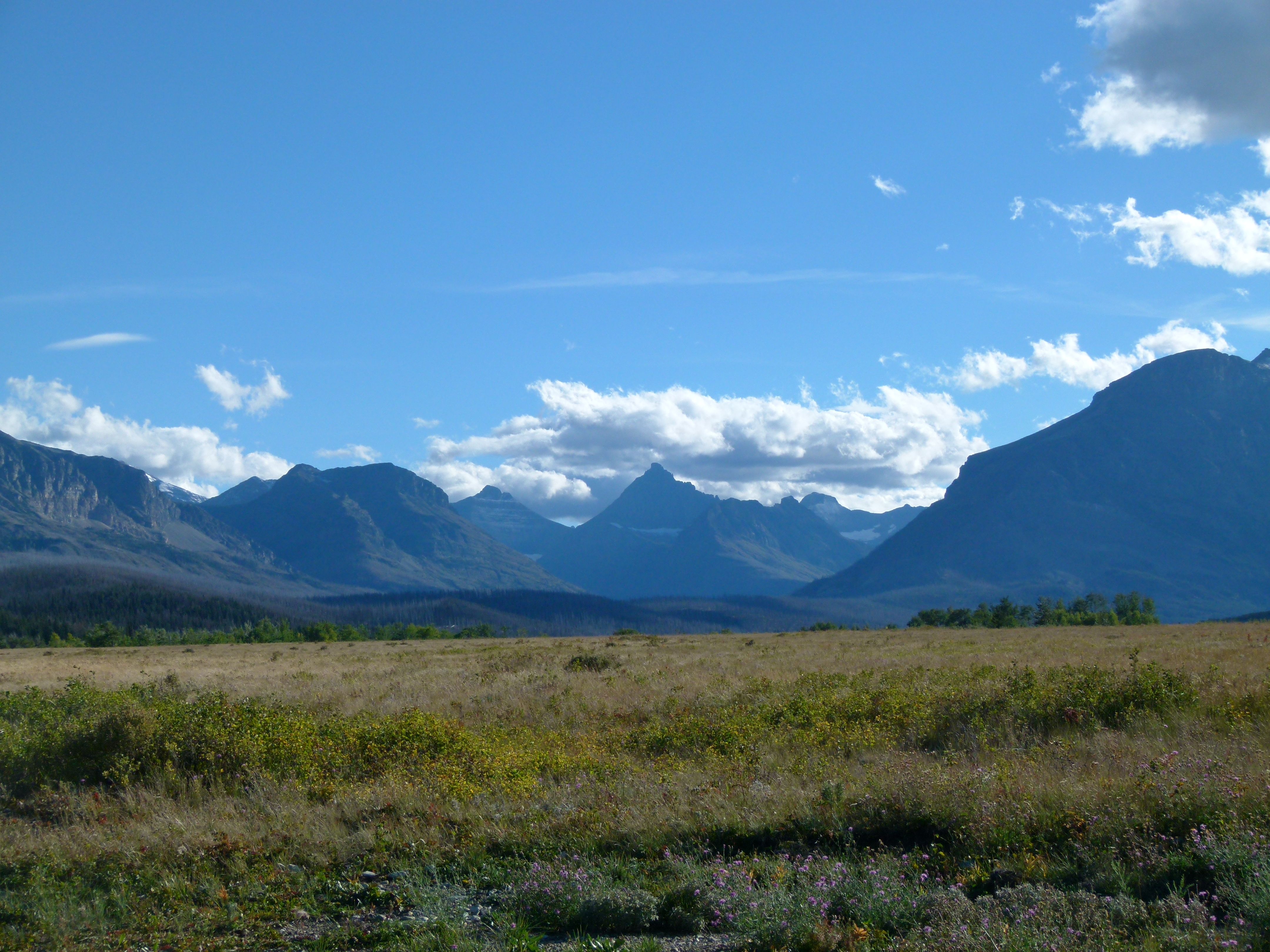
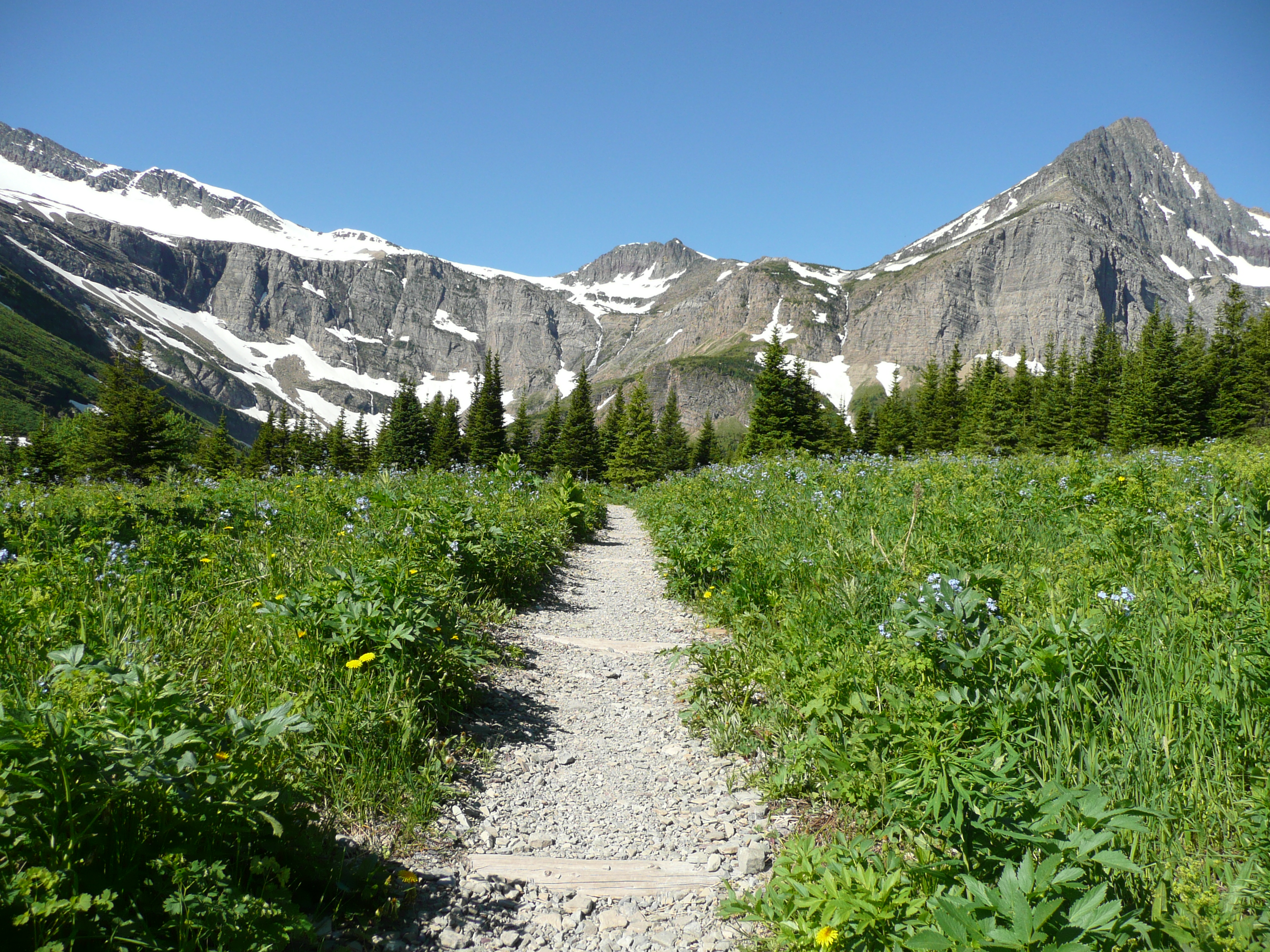
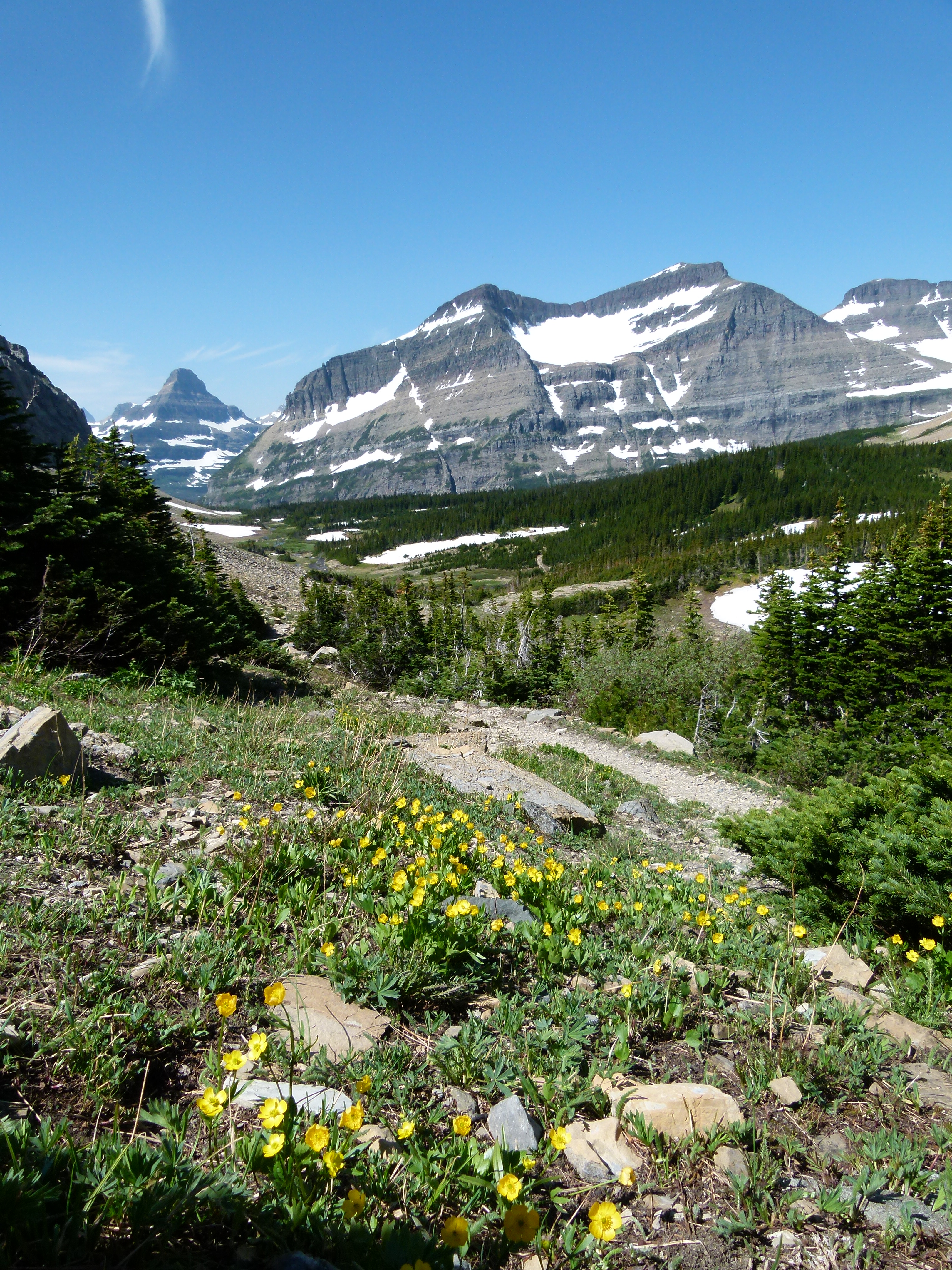
Glacier’s vast wilderness offers a dramatic climatic range from plains of grass and sagebrush to the alpine. Low shrubs, herbs, moss, and rocks will mark the alpine zone, where snowy and windy conditions limit tree growth. Many trails take you through all these climates, including emerald forests full of pines, Douglas fir, Aspen, and Larch. Wildflowers are more prevalent in the spring and summer, where you’ll find big, beautiful meadows full of them. All these landscapes make a perfect foreground for some of the best mountain views in the continental United States.

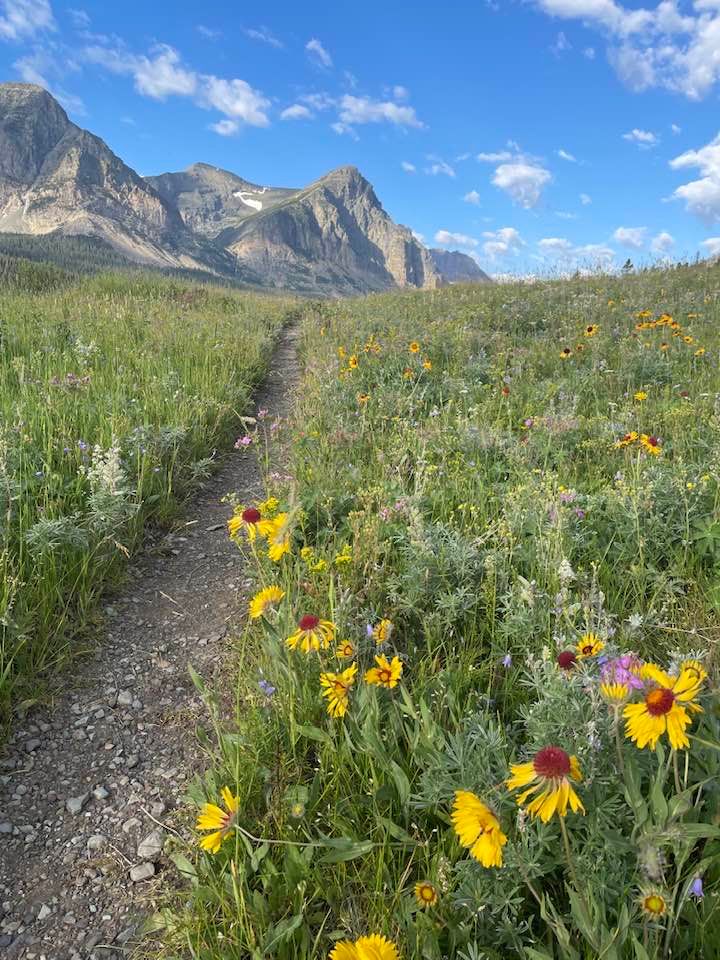
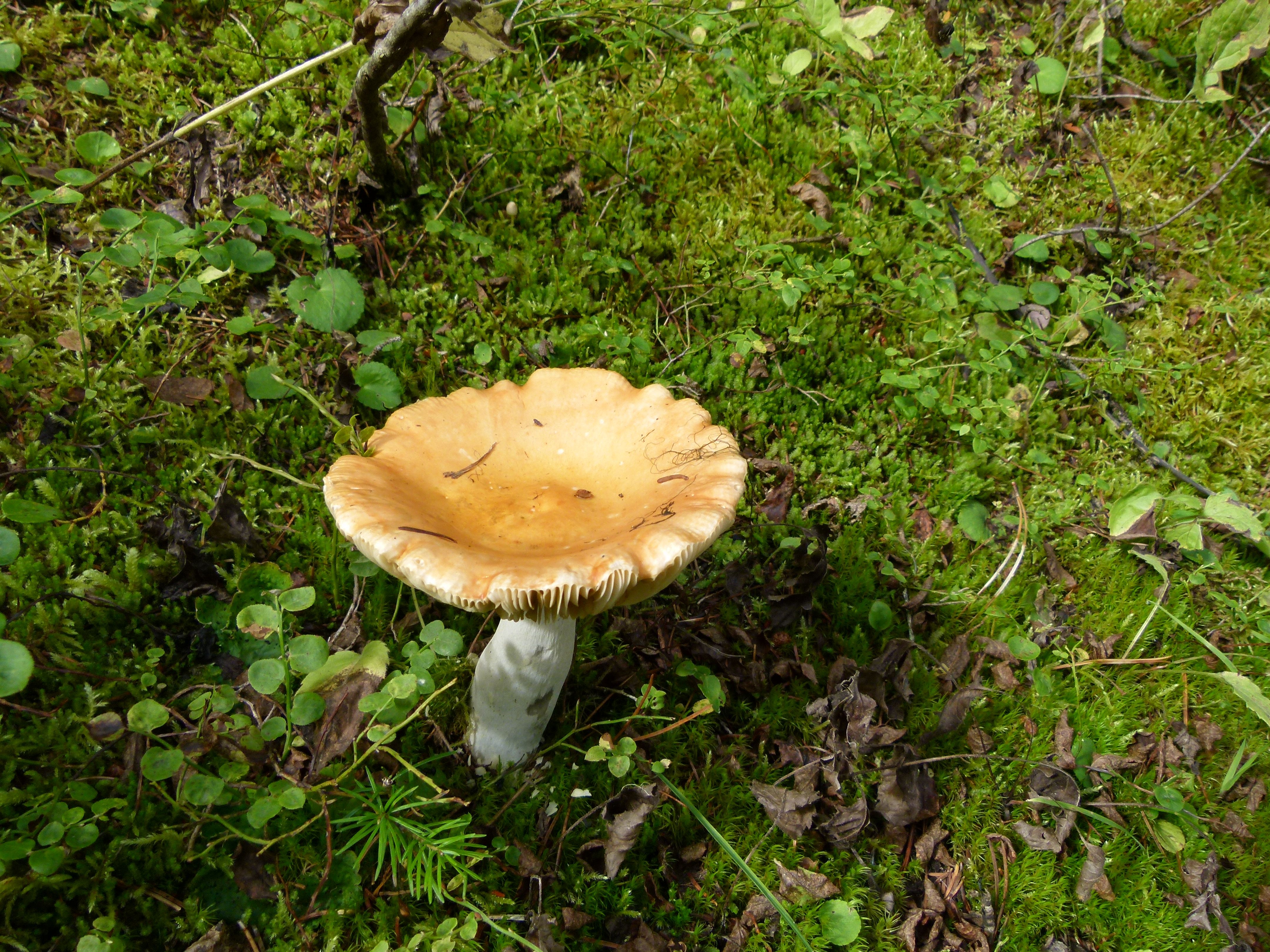
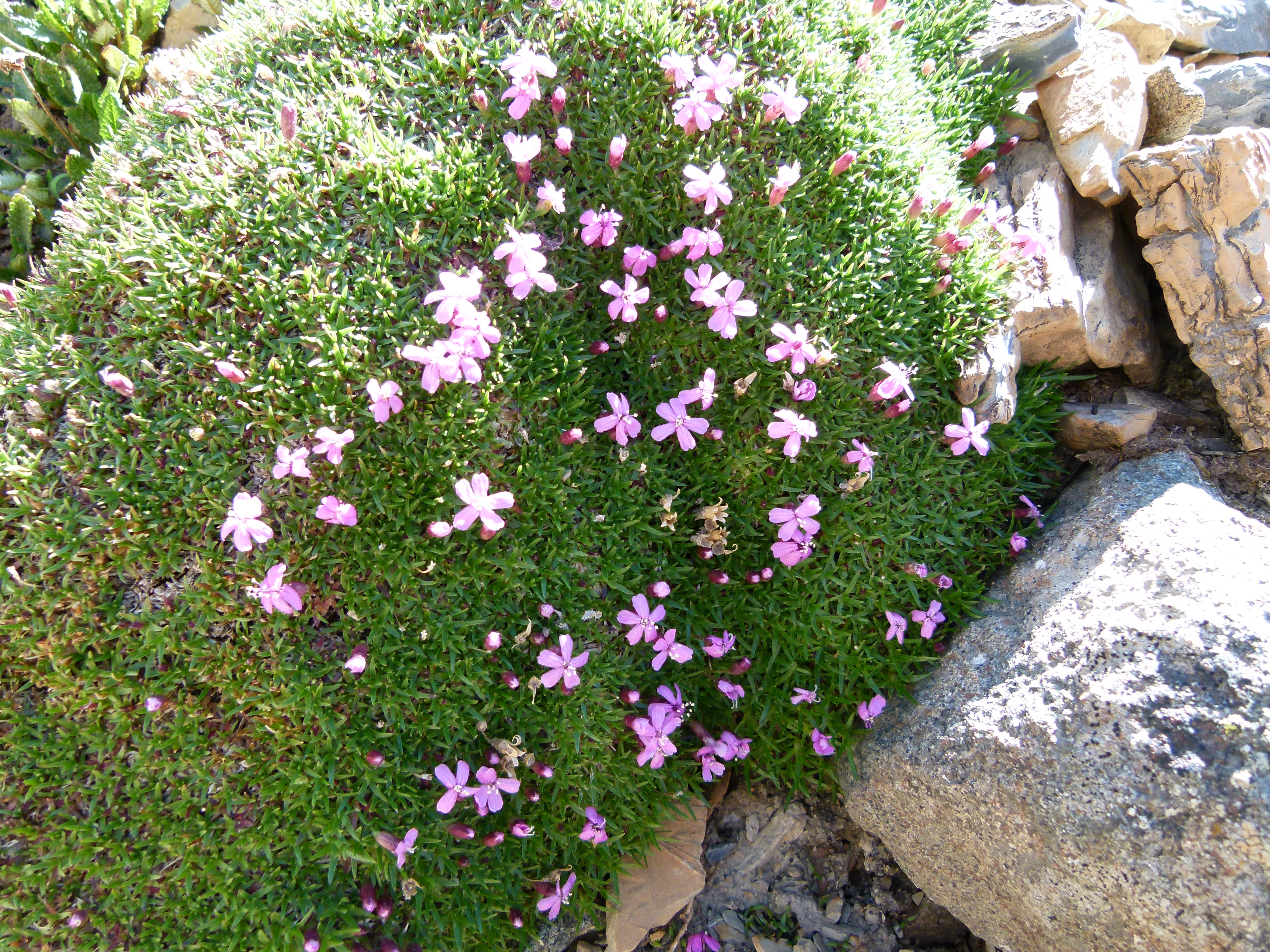
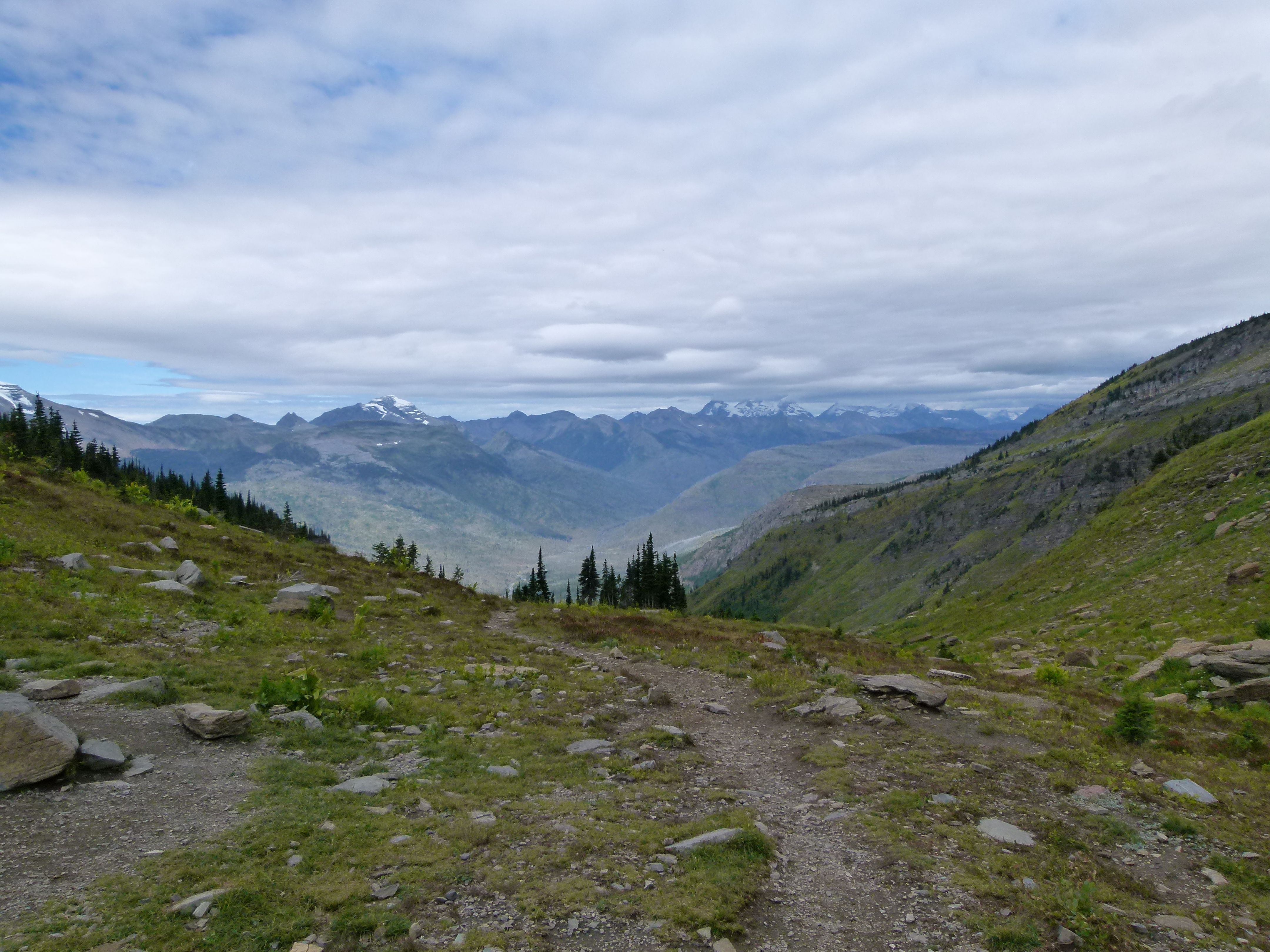
Meadow views near Saint Mary’s visitor center:
View from Apgar Fire Lookout:

3. Water is Life
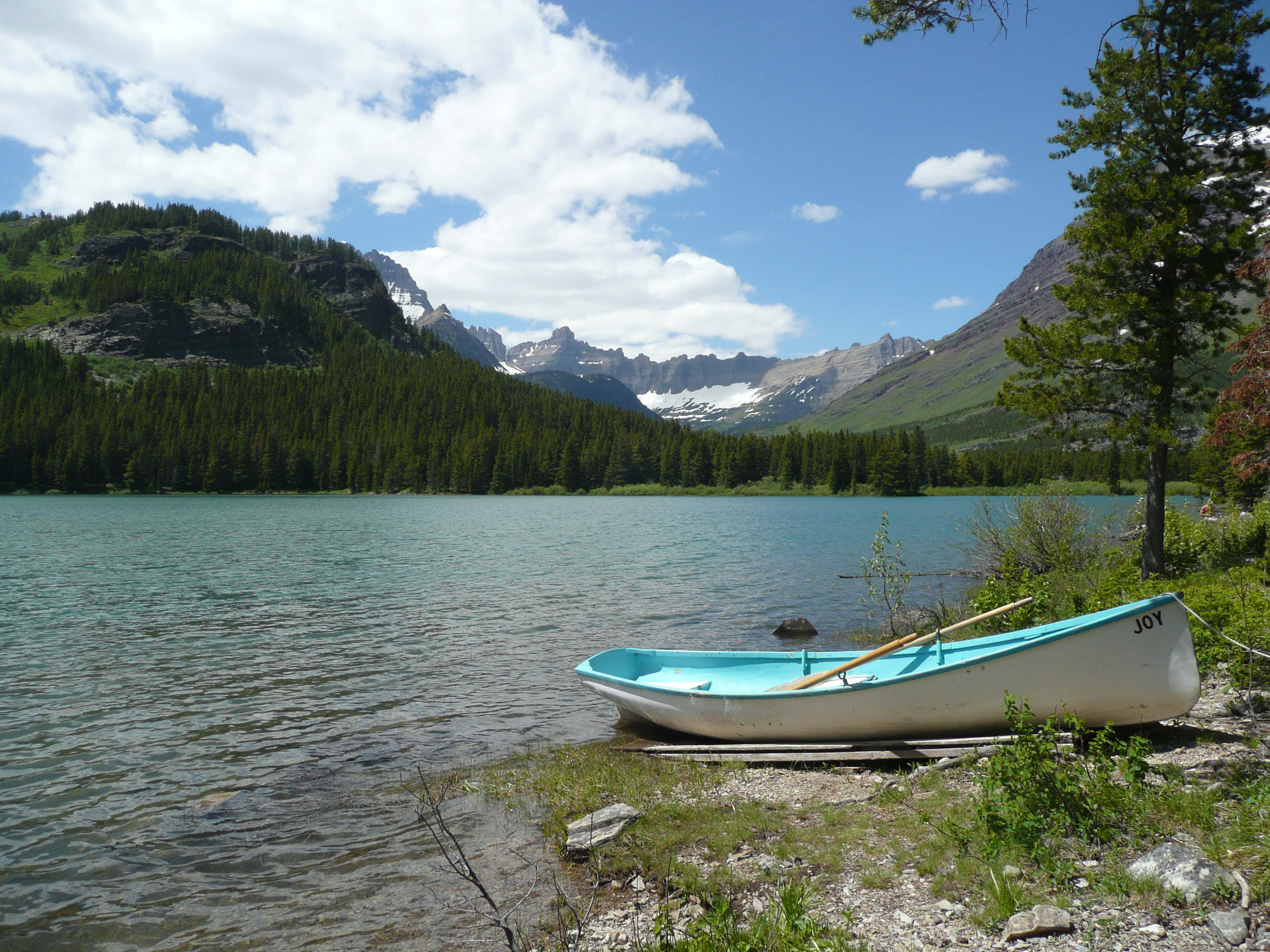
There is a lot of water on the west side of the Rockies, which keeps the valleys green and supports life in all forms. There are over 200 waterfalls in Glacier, some a quick walk, while others take more effort. The many falls, rivers and creeks may slow down in the fall, but still provide opportunities to raft, fish or just enjoy the view all year. The 130 named lakes are beautiful settings to enjoy the beach, take a chilly swim or enjoy a kayak trip.


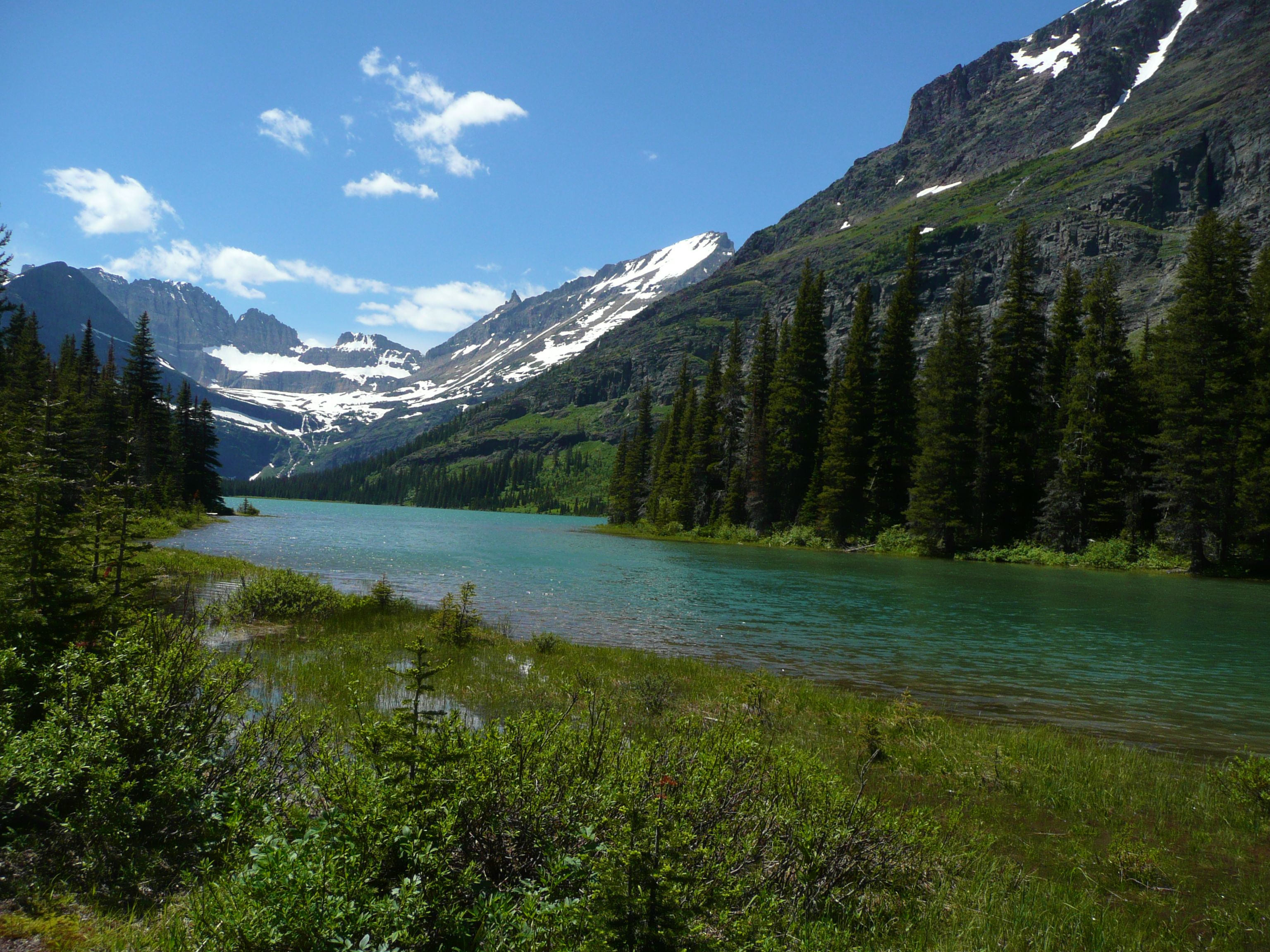

“Historically the Blackfeet people view water as a distinct place — a sacred place. It was the home of divine beings and divine animals who taught the Blackfeet religious rituals and moral restrictions on human behavior. It can be compared to Mount Sinai of the Old Testament, which is viewed as “holy ground,” where God gave Moses the Ten Commandments.” – Rosalyn R. LaPier on Mar 25, 2017.
4. Trails
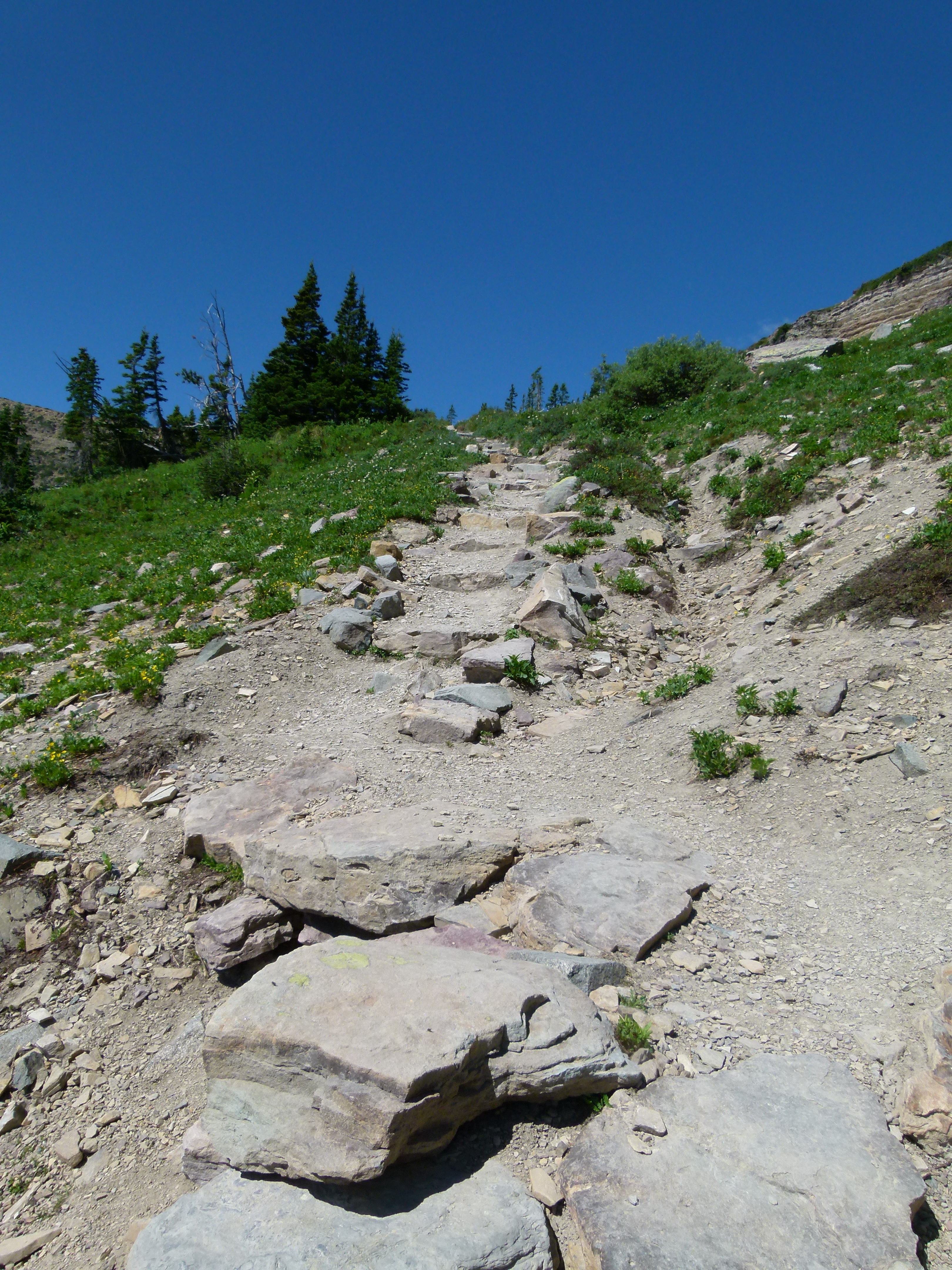
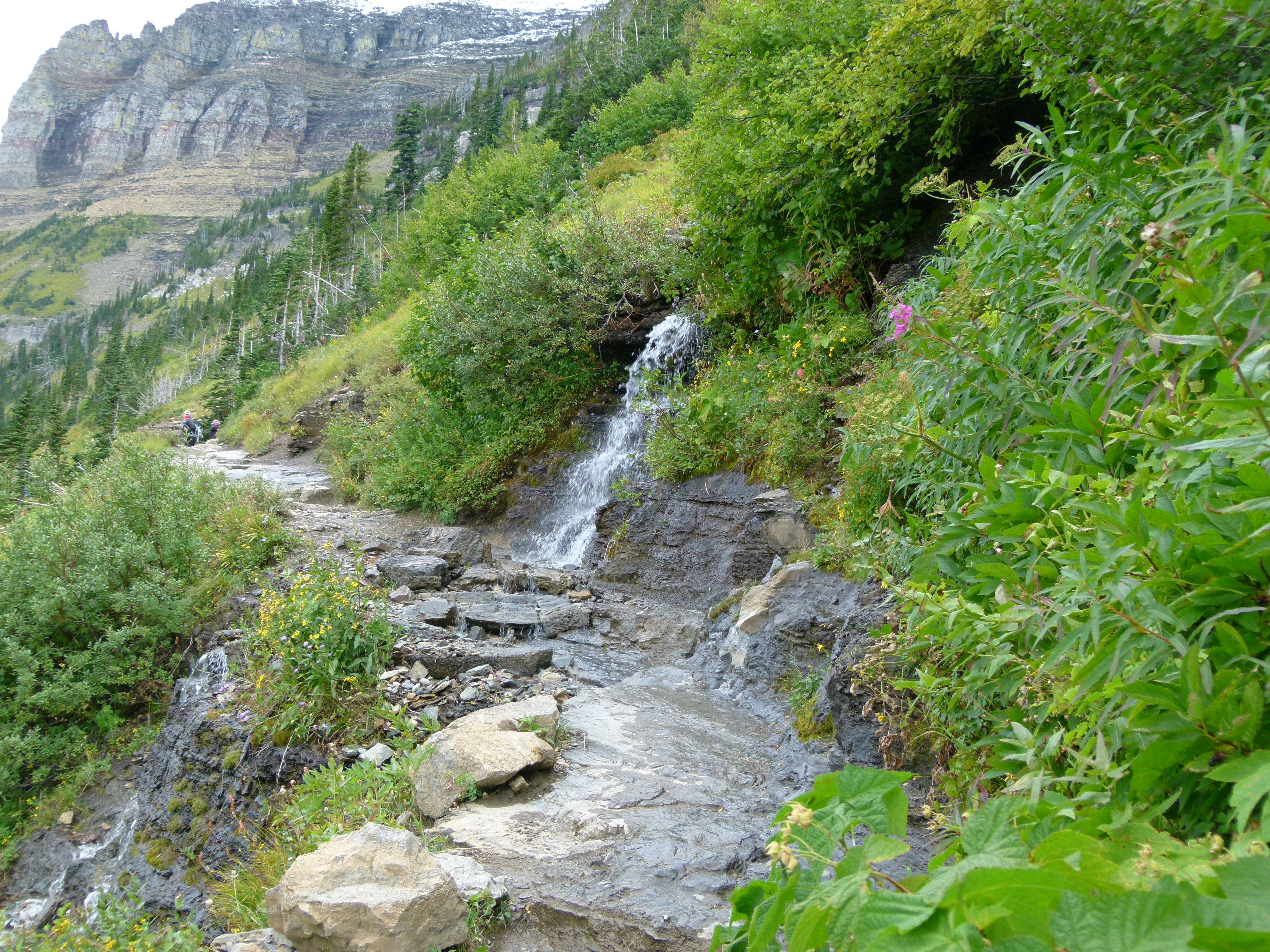
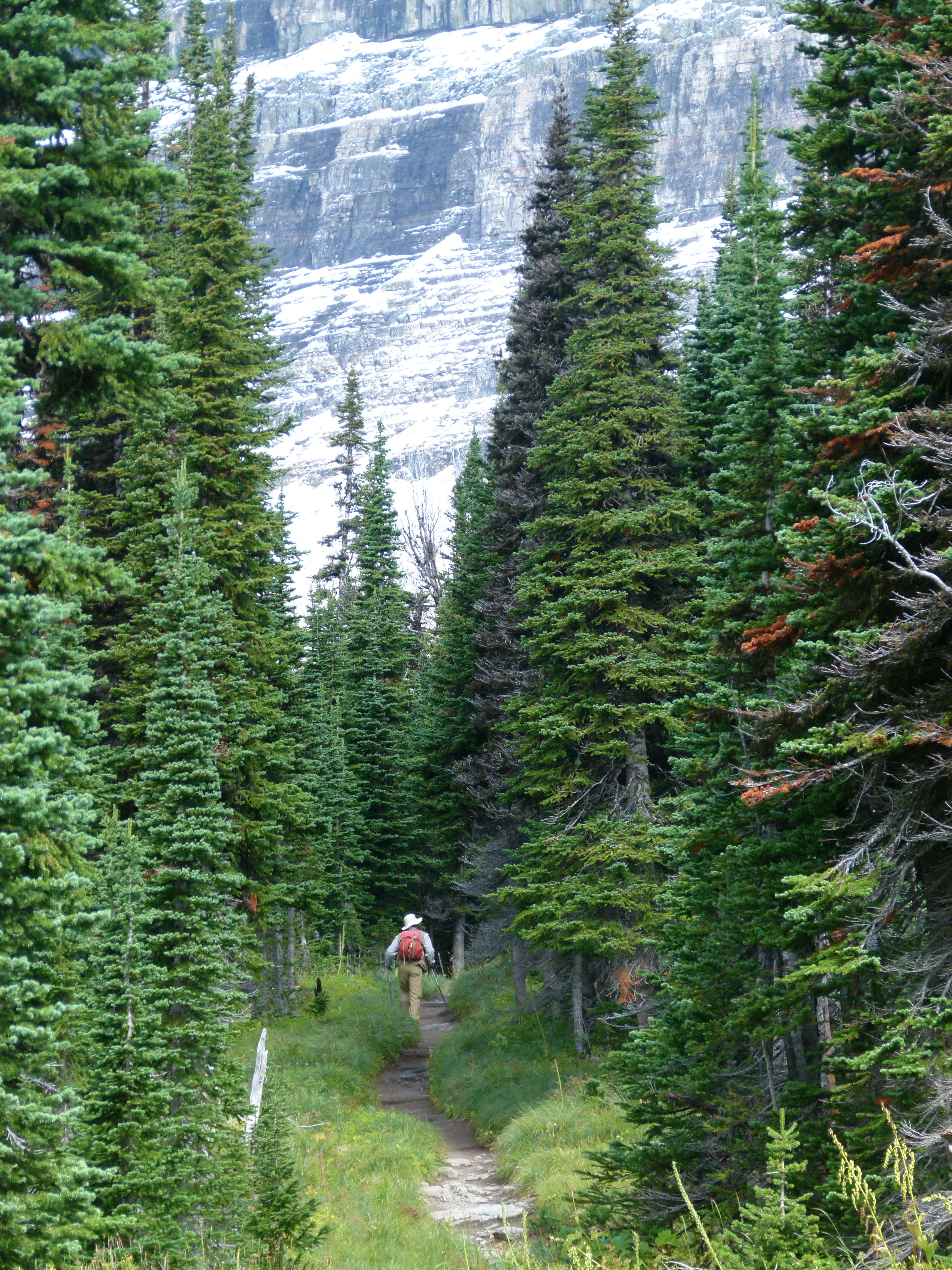
Glacier offers a wide variety of trails to explore. You can find more information about our favorite trails in some of my other posts. Here are a few short trips to try (<5 miles): Johns Lake, Hidden Lake Overlook, Fishercap Lake/Redrock Falls, St. Mary/Virginia Falls, Avalanche Lake, and Baring Falls. To venture a little farther out try (<10 miles): Iceberg Lake, Siyeh Pass, Bullhead Lake, Dawson Pass, and Piegan Pass. For the ultimate day hike, knowing you’ll need the proper supplies try (10-15 miles): Highline Trail, Grinnell Glacier, Swiftcurrent Pass, Firebrand Pass, and Numa Ridge Lookout.
There are 734 miles of trails in Glacier and to help you narrow your options down, pick up Jake Bramante’s Day Hikes of Glacier National Park Map Guide at http://www.hike734.com. If you’re hitting the trails, start early and fill a day pack with lunch, snacks, water, water filter, toilet paper and zip lock bag. Don’t forget your bear spray! Dress in layers and wear a hat. Remember to leave no trace – Pack it in and Pack it out.



5. Mountains
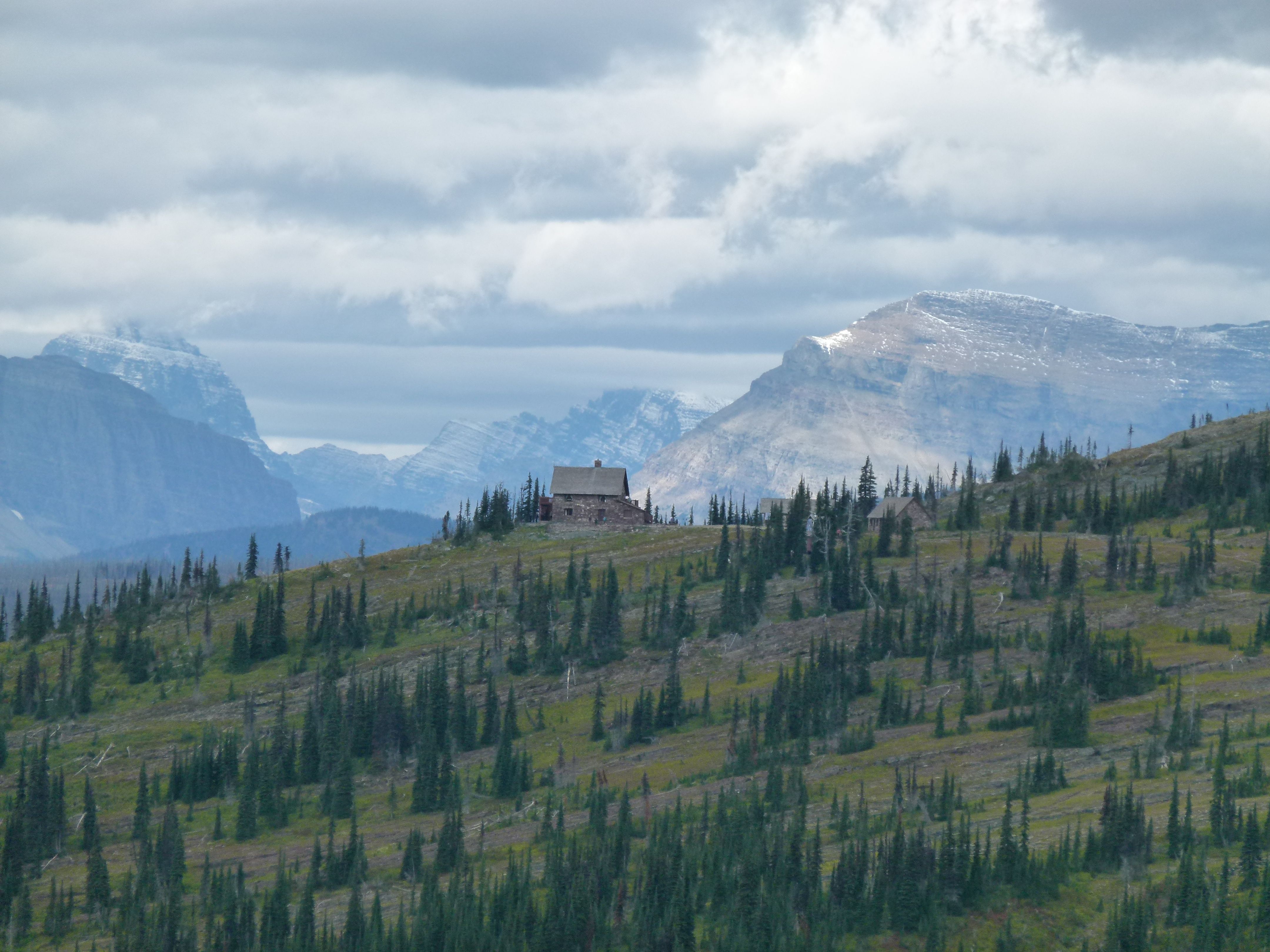
The mountains in Glacier National Park are part of the larger Rockies. There are 150 named mountain peaks over 8,000 feet in three mountain ranges–the Clark Range, Lewis Range, and Livingston Range. There are four over 10,000 feet with Mount Cleveland at 10,479 feet being the highest peak in the park. In Glacier, the Continental Divide follows the crest of the Lewis Range from Marias Pass to Flattop Mountain and then swings west to the crest of the Livingston Range, which it follows into Canada. Many of the mountain valleys have a lake or river running through them, making them some of the most beautiful in the U.S.
6. Wildlife
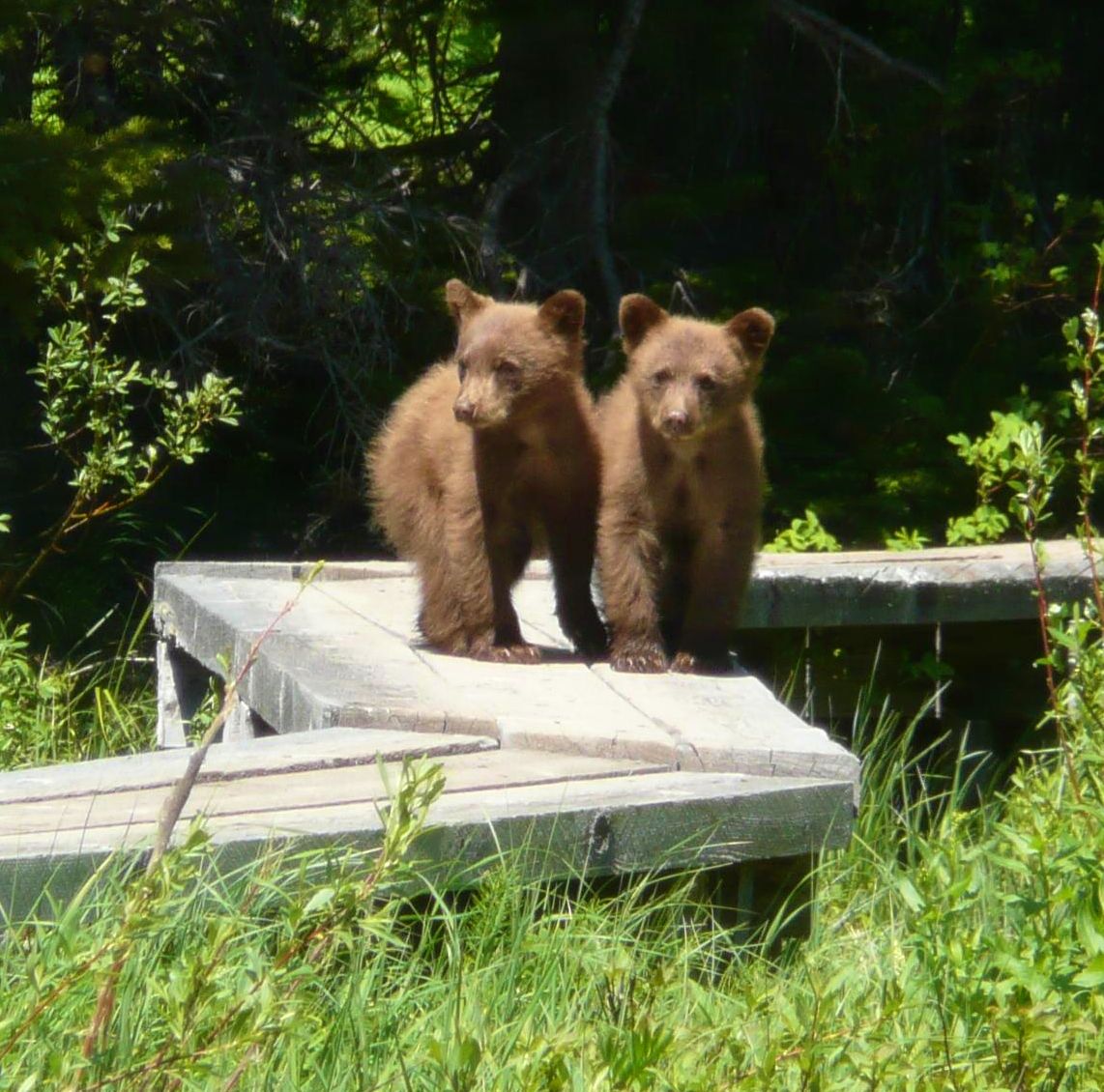
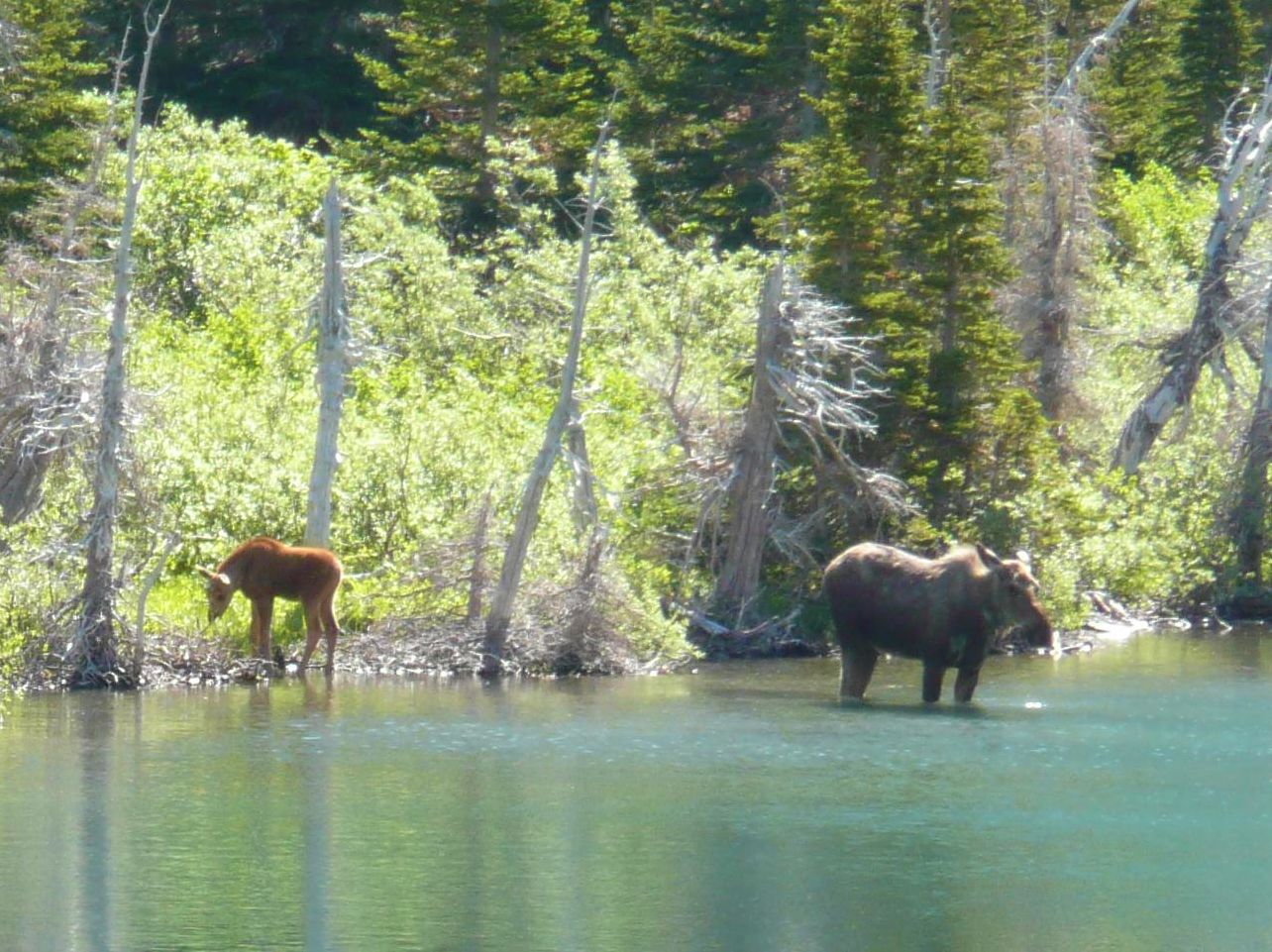
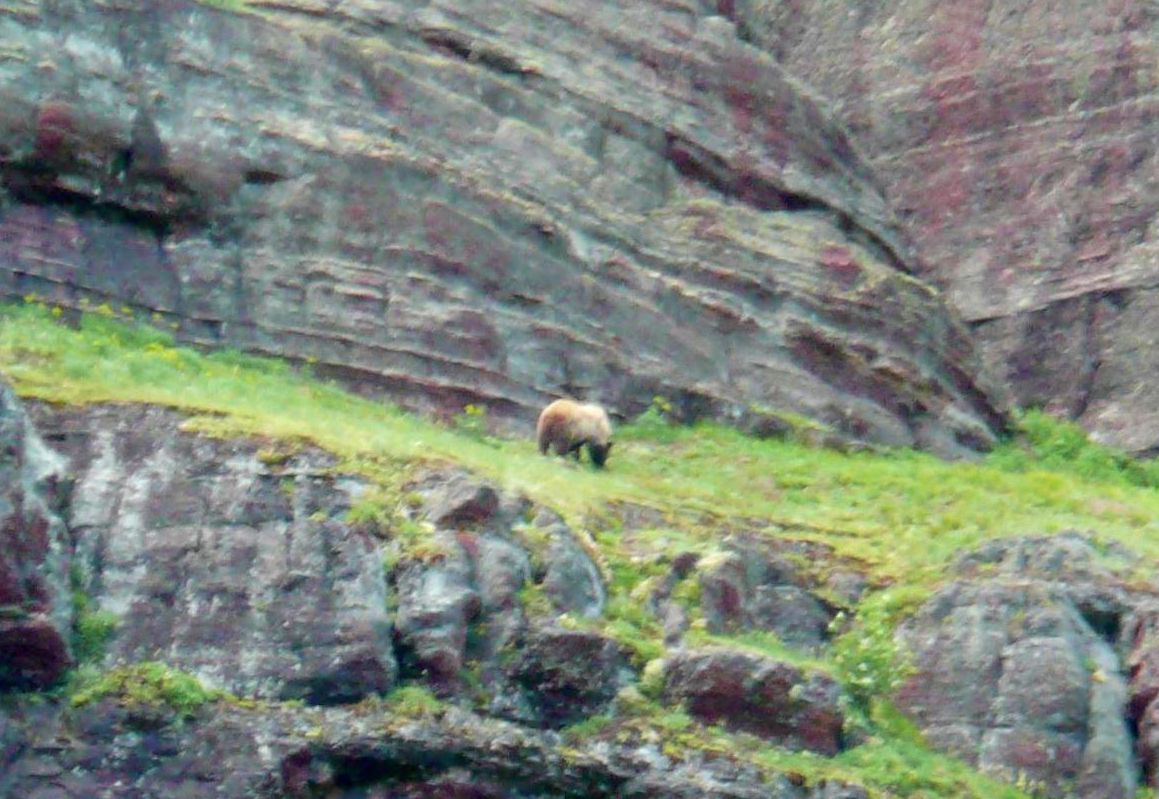
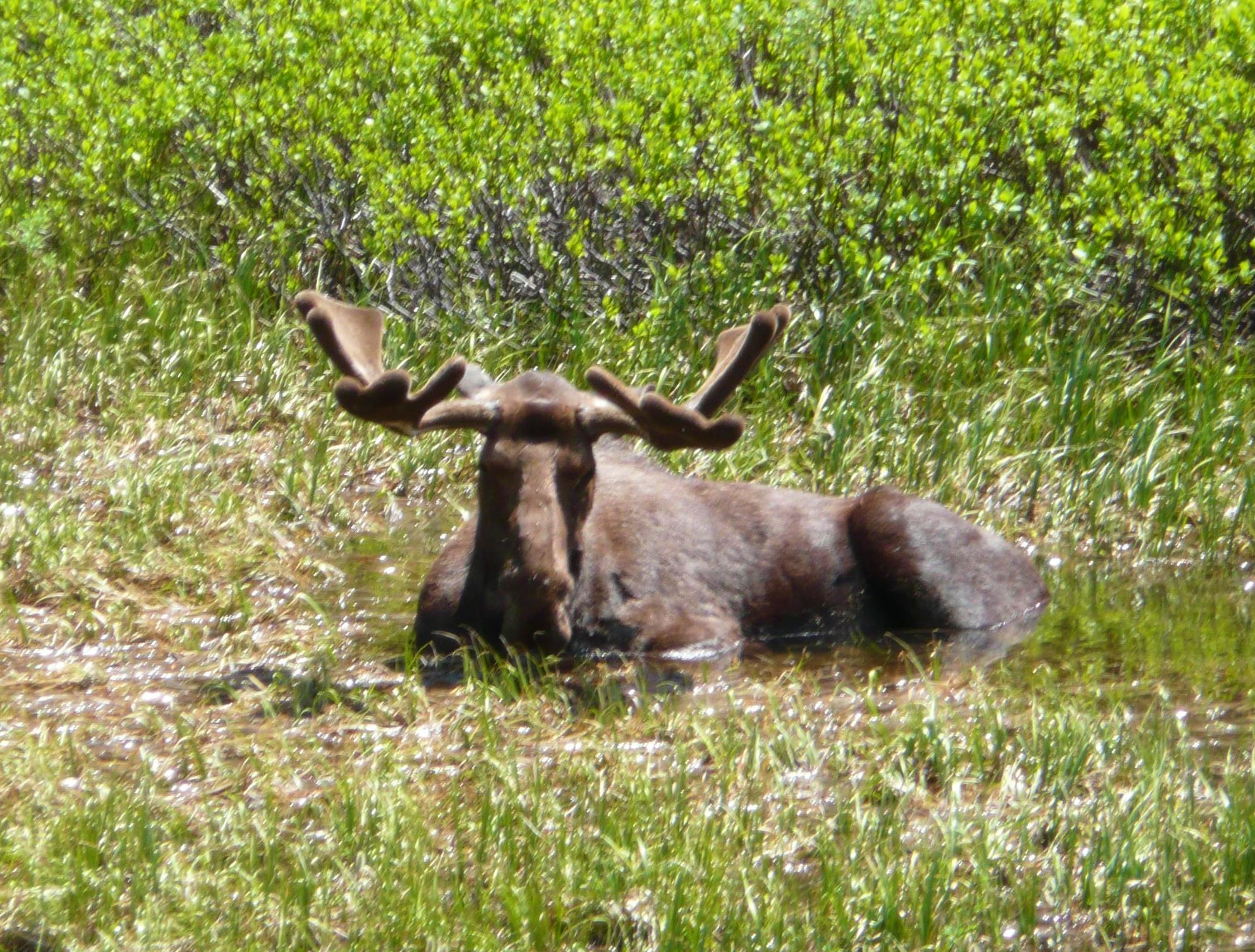
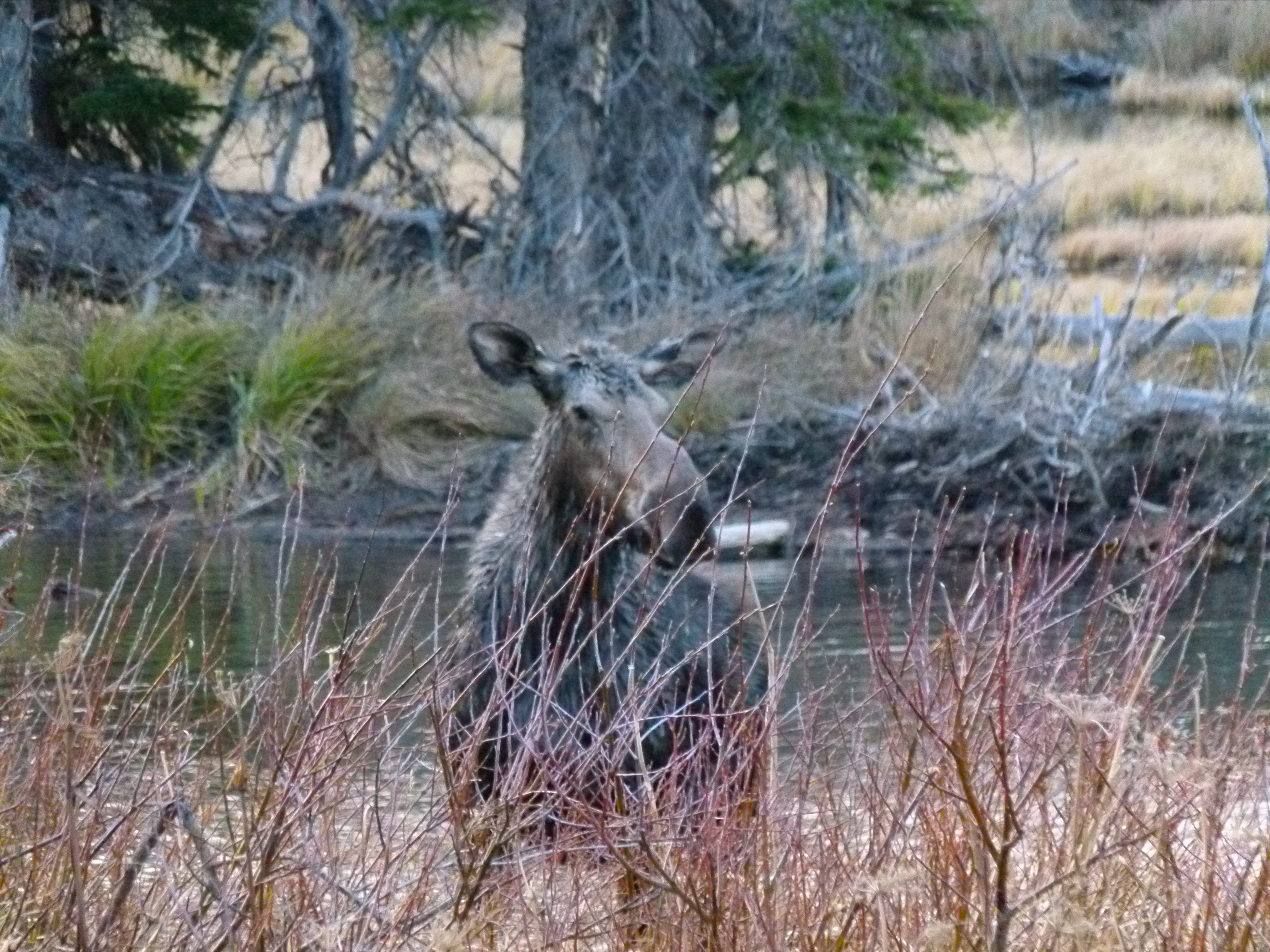
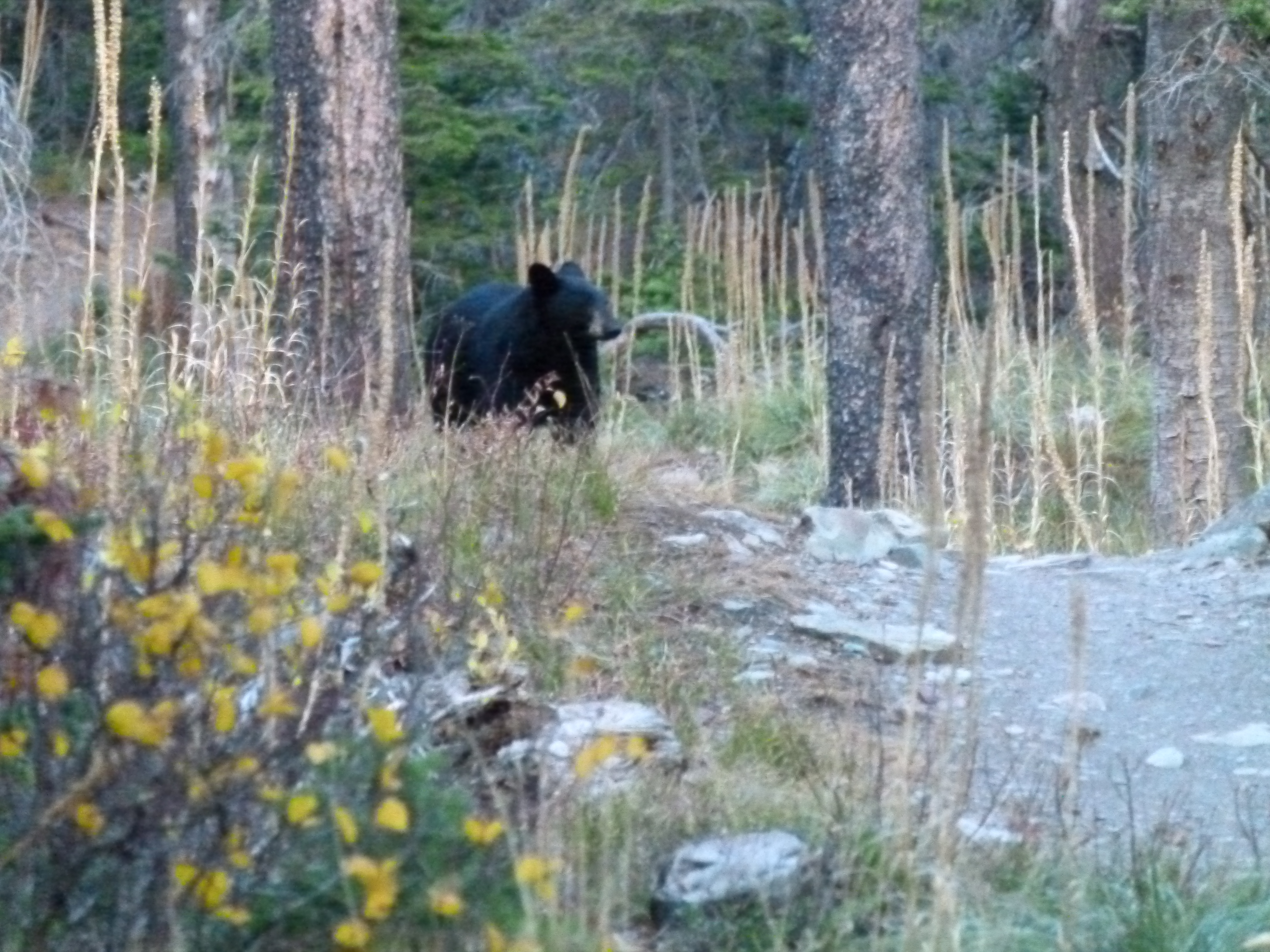
The wild places and wildlife that live here makes Glacier extraordinary. Let me tell you that Brown (Grizzly) Bears are bigger than you can imagine! We saw our first through a scope and were excited to get a picture that helps us remember the experience. By exploring just a bit, you’ll have the opportunity to see Brown/Black Bears, Moose, Bighorn Sheep, Mountain Goats, and Elk. Keep yourself and these animals safe by making noise, walking in groups and carrying bear spray. You’re in their home, so stay at least 100 yards away from bears/mountain lions and 25 yards from moose, sheep, goat, and elk.
If traveling on trails, all adults should keep bear spray handy and know how to use it. Children should travel between and close to adults, plus it allows you to point out cool rocks and critters! Stop and spend time looking for birds, butterflies, fish, frogs, turtles, and beavers. Look for Pikas and Marmots among the rocks at Logan Pass. To spot the elusive Mountain Lion, Lynx, Fisher, Badger, or Wolverine, you’ll need to travel farther and get lucky. Please help protect God’s creatures, great and small. Helping to protect them and their habitat, will ensure future generations get to experience what you and your family experience today.
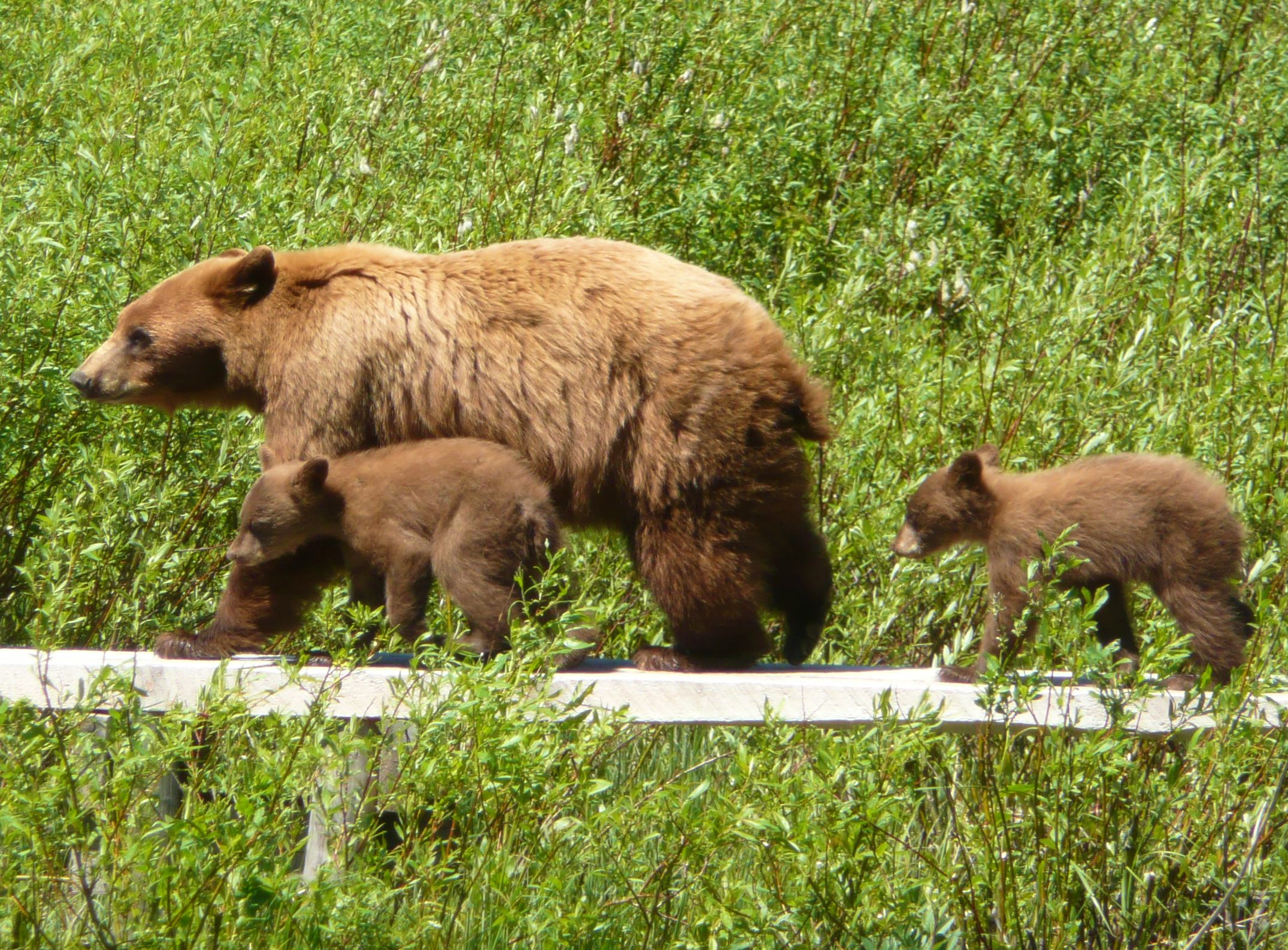
A pair of cinnamon black bear cubs walking along a boardwalk in Glacier:




7. Glaciers
These masses of ice, snow, water, rock, and sediment are formed when snow and ice accumulation exceeds summer melting. They “retreat” or shrink when melting outpaces snowfall. These glaciers created the varied valley shapes, carved the mountains and created the lakes and moraines that exist today. As of today, there are 25 glaciers in the park, including the most visited, Grinnell Glacier. The number of glaciers and their size have dropped significantly due to climate change.
The trail to Grinnell Glacier is a 10.3-mile round trip with a moderately-strenuous 1,700-foot elevation gain. It’s a beautiful trail with amazing views, plus you’ll also get to see a second glacier, Salamander. However, this trail is popular, so be prepared to share the trail with lots of other people. Jackson Glacier Overlook affords the best opportunity to see a glacier from the road. It’s located on the east side of the Going-to-the-Sun Road between Logan Pass and St. Mary.
Grinnell Glacier:
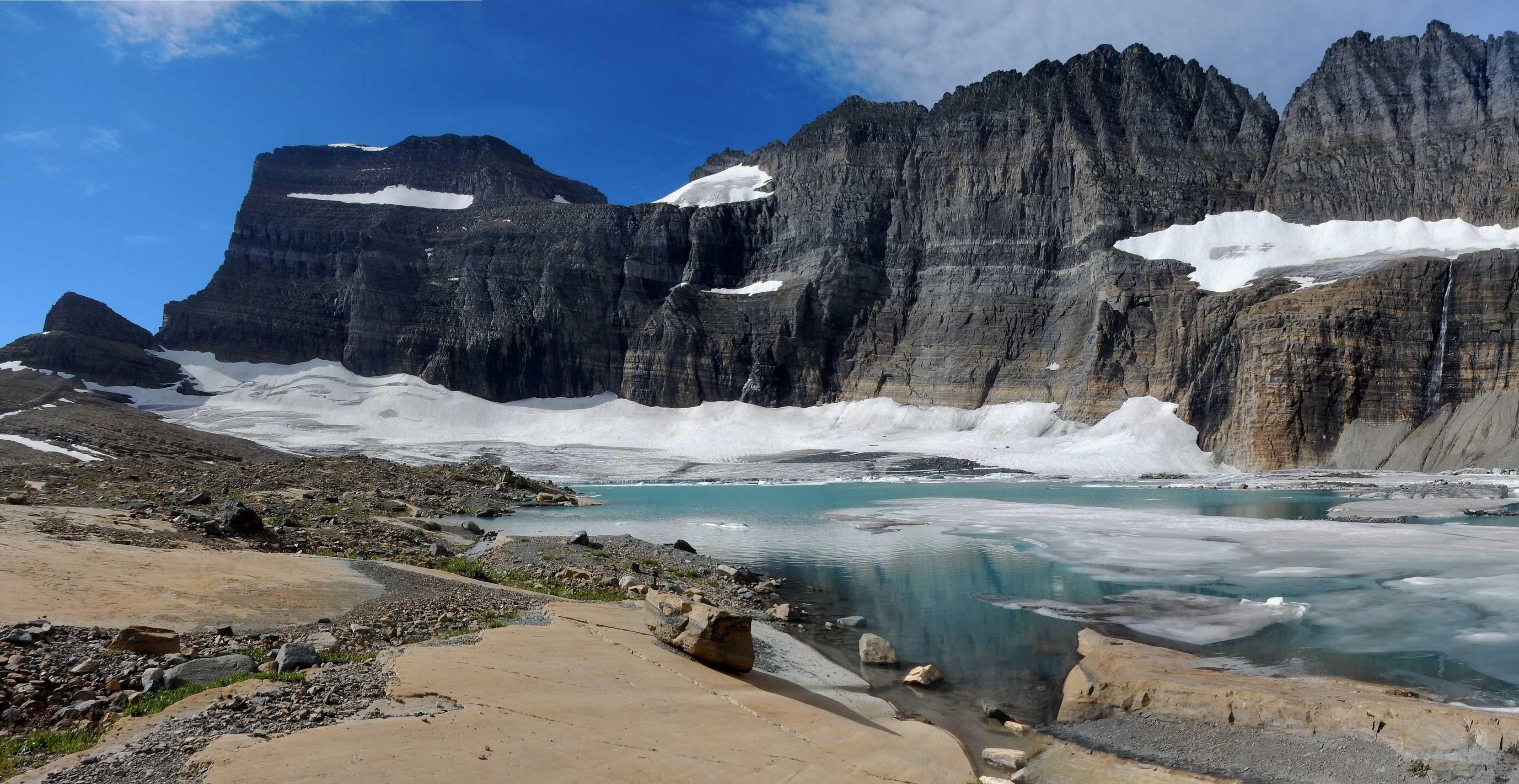
“Worldwide glacier recession is well documented and varied model projections suggest that certain studied GNP glaciers will disappear in the next few decades, between 2030 to 2080. USGS scientists in Glacier National Park are collaborating with glaciologist from Alaska and Washington and using emerging technologies to understand glacier-climate interactions to advance the understanding of alpine glaciers.” – USGS
8. People
The people who live and work here make our home in NW Montana special. Take some time to learn about the first people to call Glacier home. The Blackfeet, Salish and Kootenai native peoples have lived here for over 10,000 years. Park Rangers are stationed at all three Visitor Centers (Apgar, Logan and St. Mary) and these sites also have restrooms and parking for trails. While you’re there, ask Park Rangers for maps and advice on the best trails. Plan ahead by checking the National Park’s website for Ranger-led Activities. We highly recommend Glacier’s Dark Skies Star Gazing events.
https://www.nps.gov/glac/index.htm
One of the coolest people we’ve met at the park is Bill. He manned the Numa Ridge Fire Look-out and sheltered us from a hail and sleet storm that came by unexpectedly. Watching that storm from the look-out was humbling and beautiful. He also told the best stories! Take advantage of the professional guide companies that offer activities for all skill levels: Rafting, Hiking, Biking, Fishing, and Hunting. We had a blast on a Whitewater trip that was great for the whole family. If you like fly fishing or want to learn how, hire a local guide to help you find the best fishing spots in the area. If you ask, I bet your Guides, Hotel/Hosts and Restaurant workers will share their favorite spots in and around Glacier.
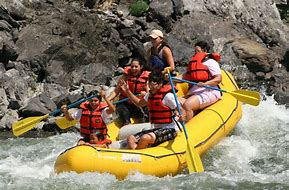
Here are some of the local guide companies we recommend:
https://www.visitmt.com/listings/general/museum/museum-of-the-plains-indian.html
https://glacierguides.com/glacier-national-park-vacation-planner/
https://glacierraftco.com/montana-fly-fishing/
http://www.glacieradventureguides.com/
http://www.montanariveranglers.com/
http://www.blackfeetoutfitters.com/hunting/
9. Wildflowers
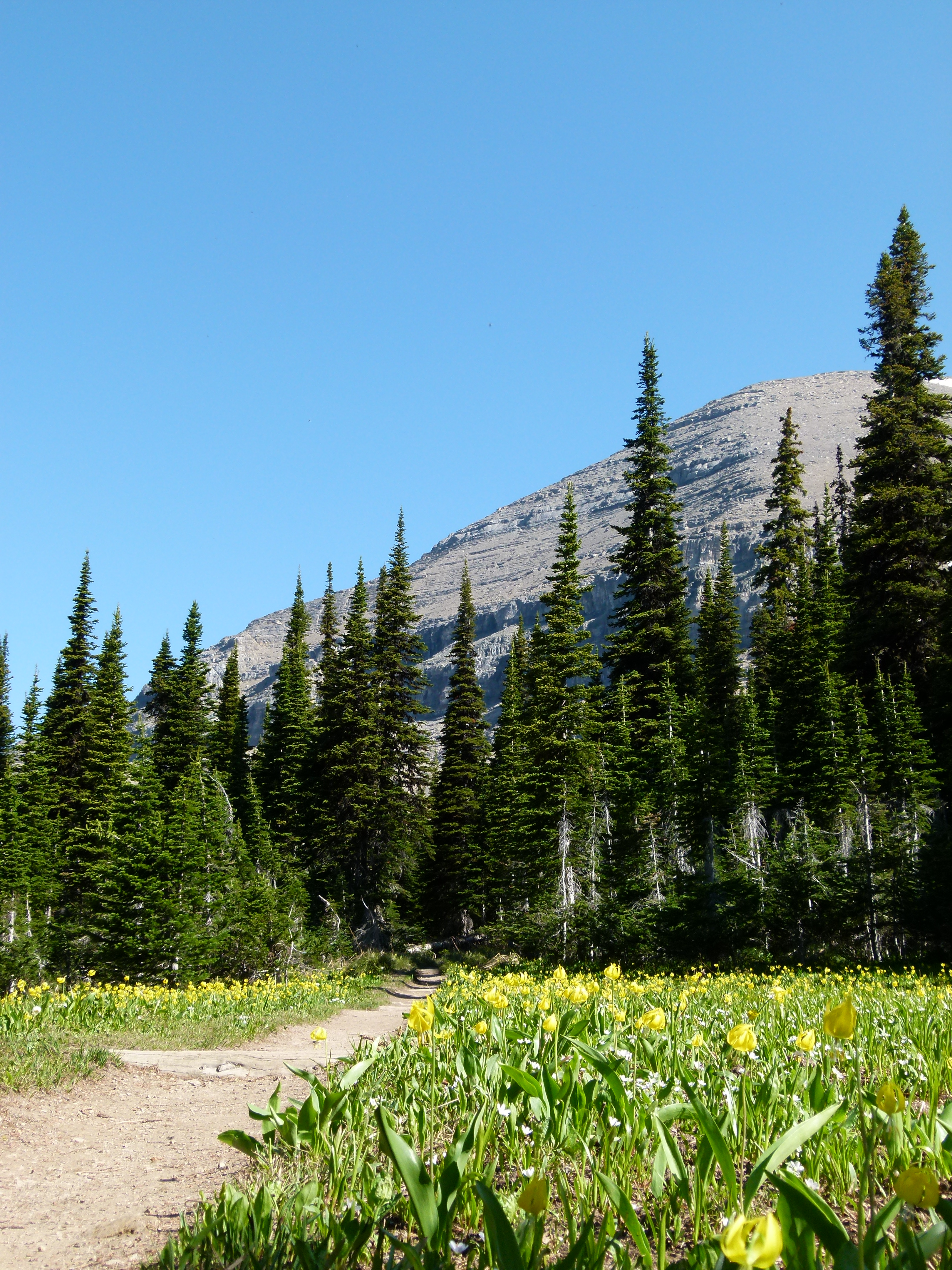
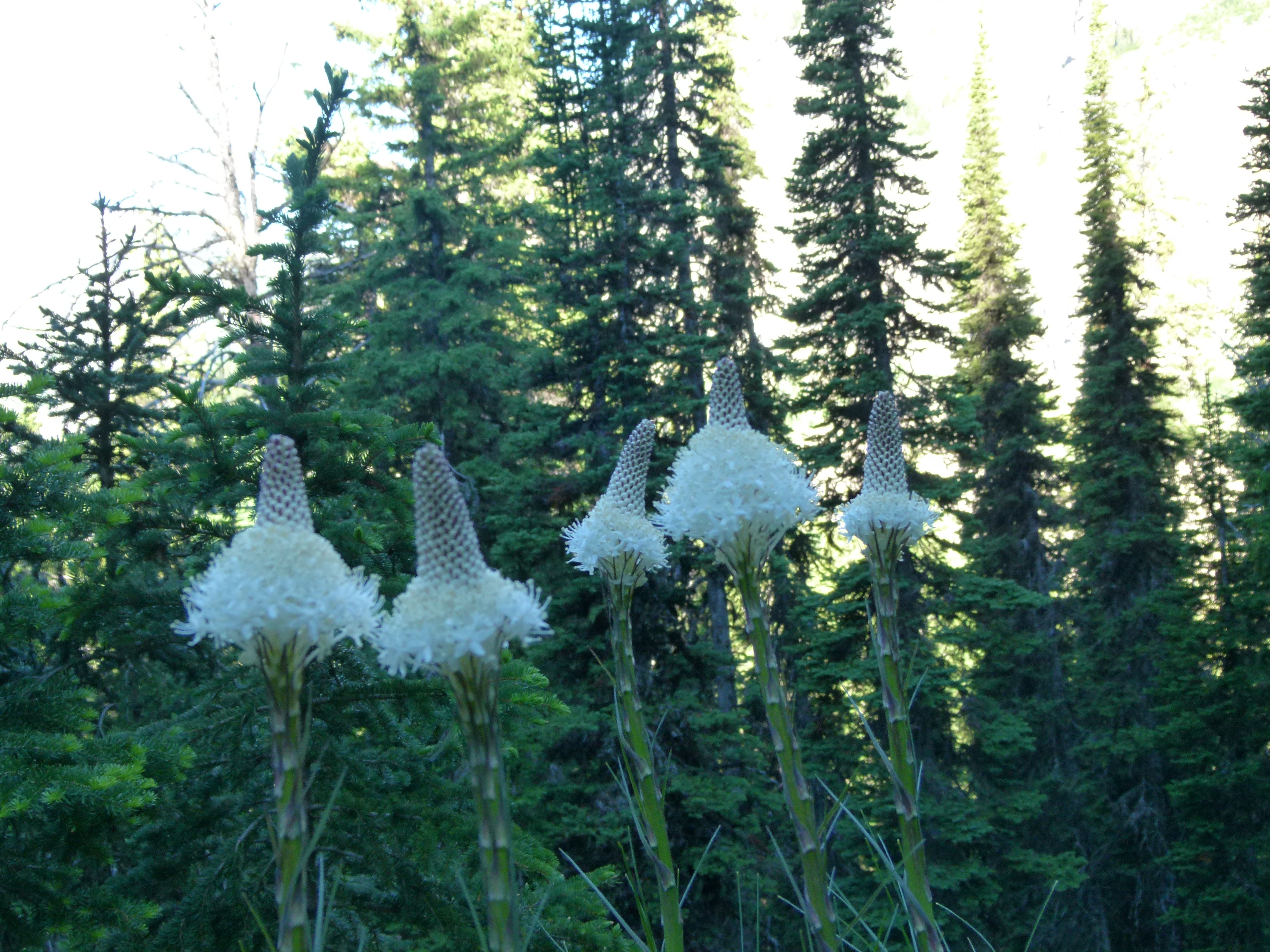
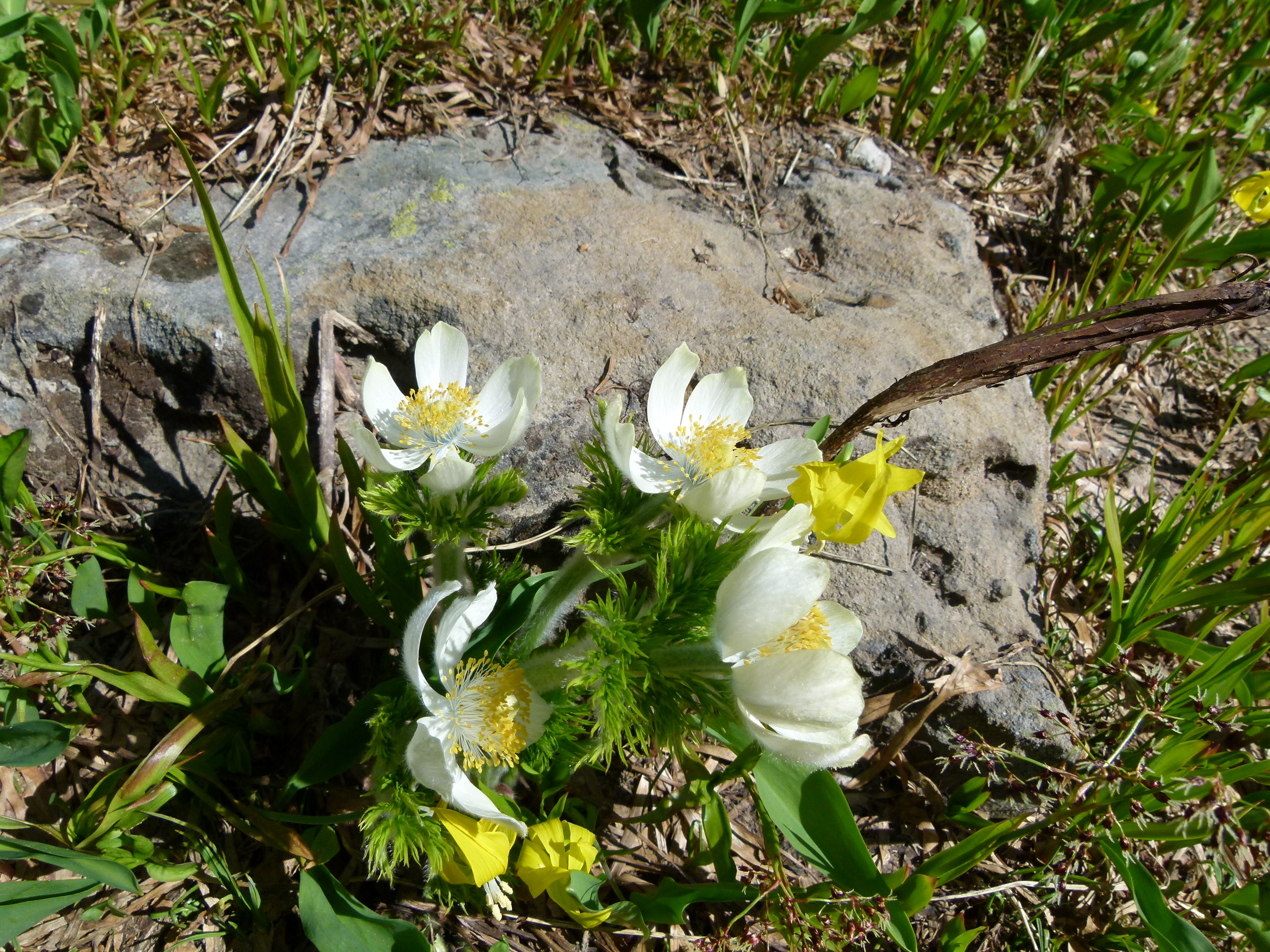
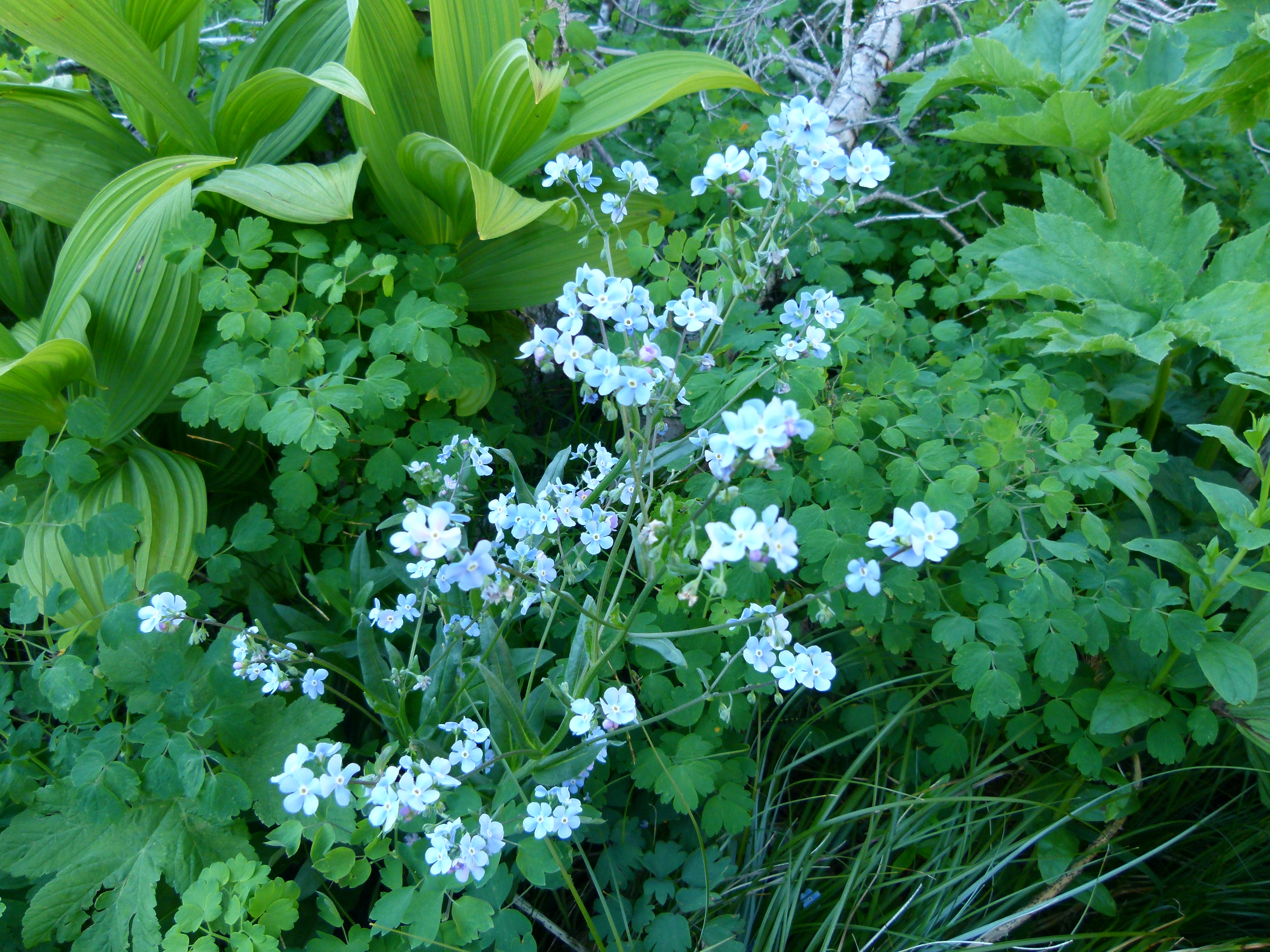
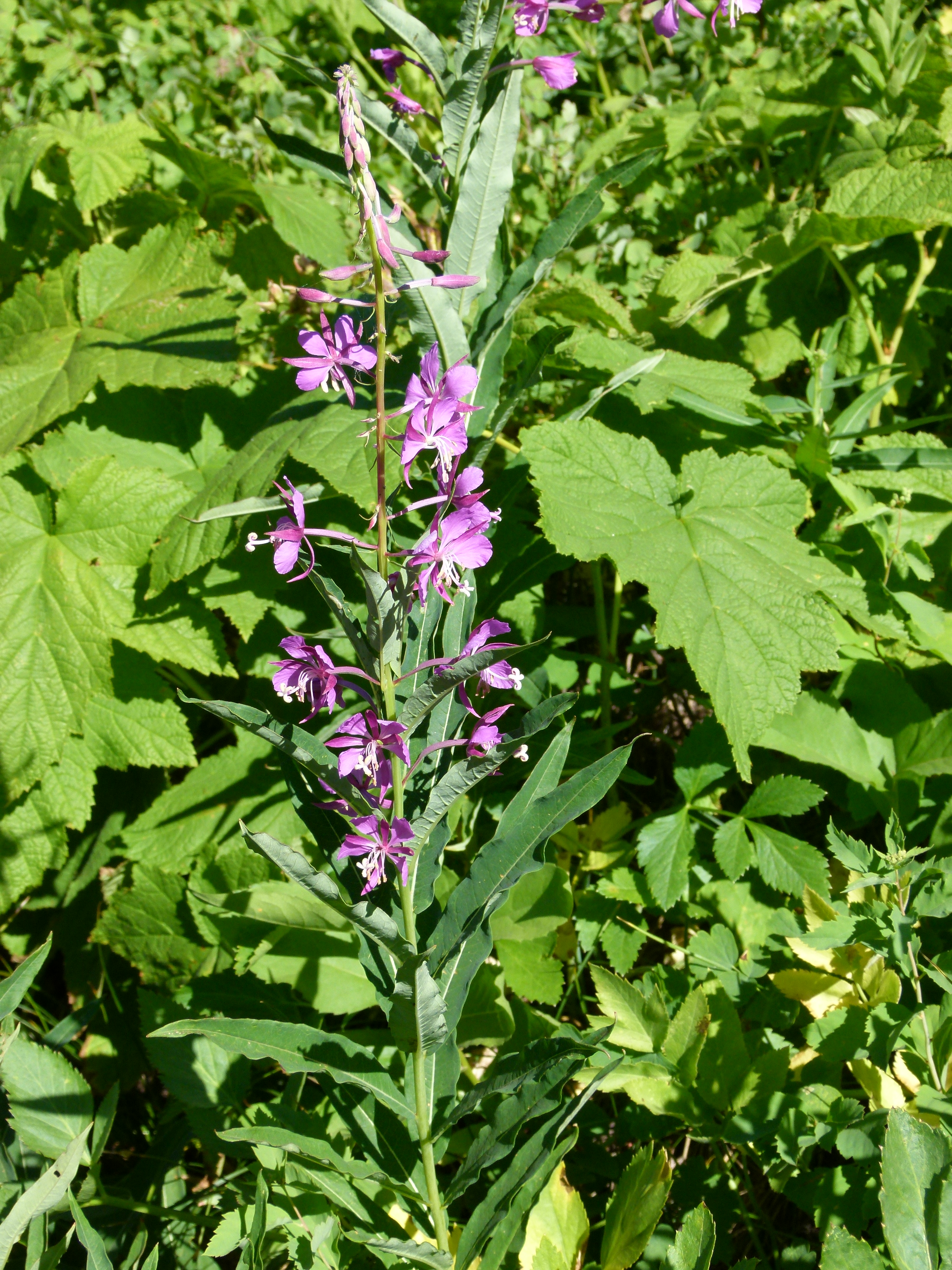
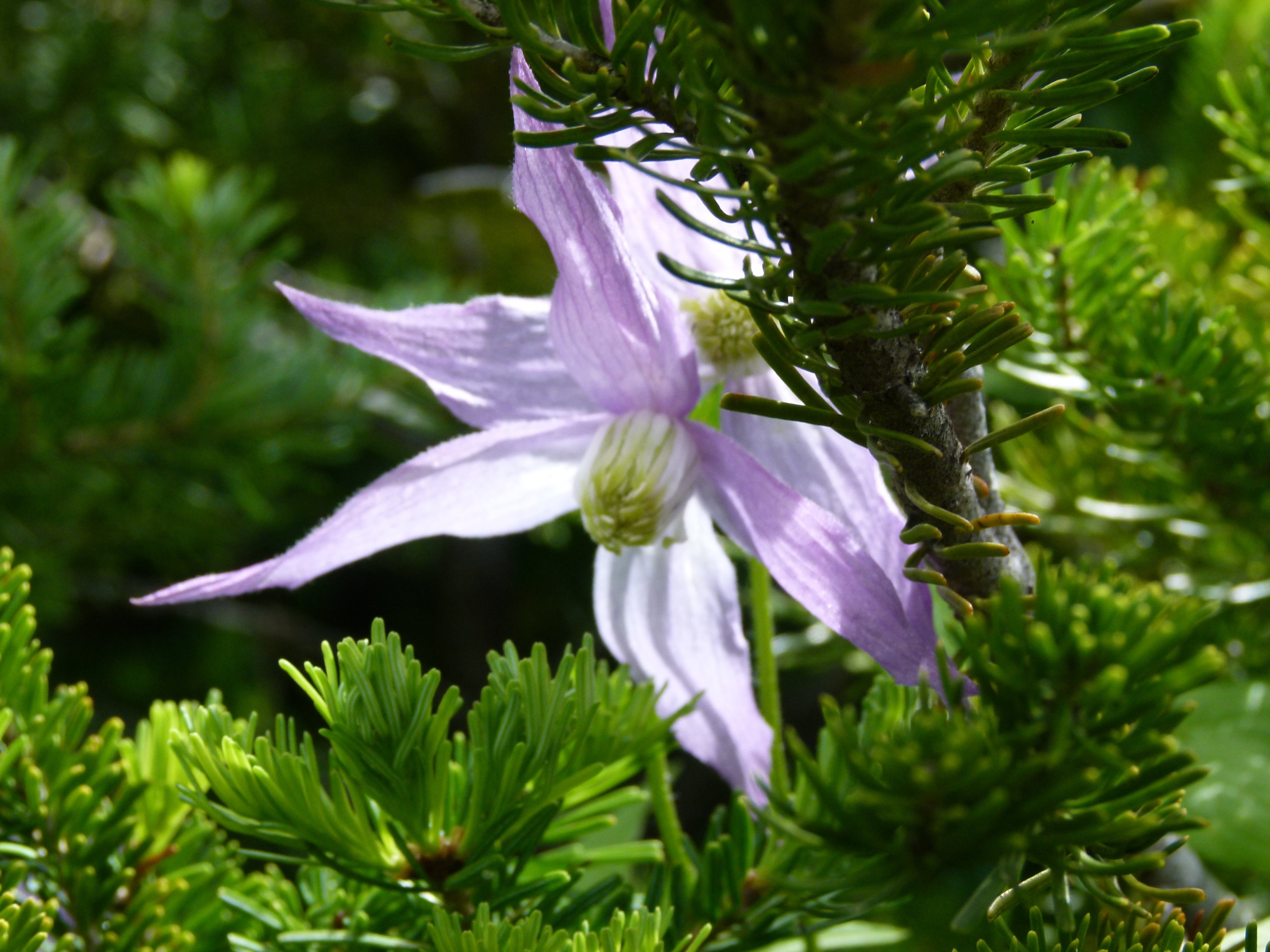
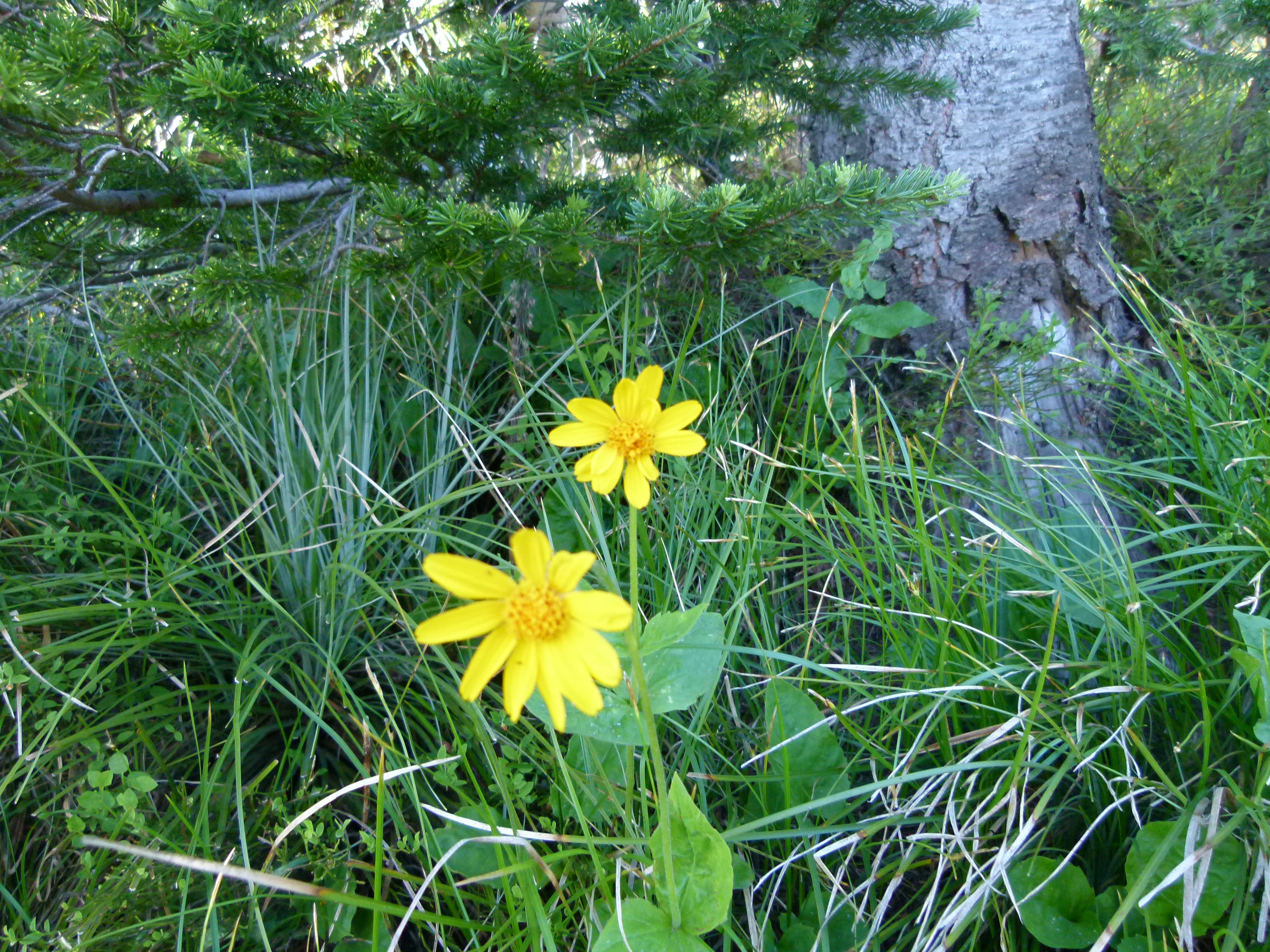
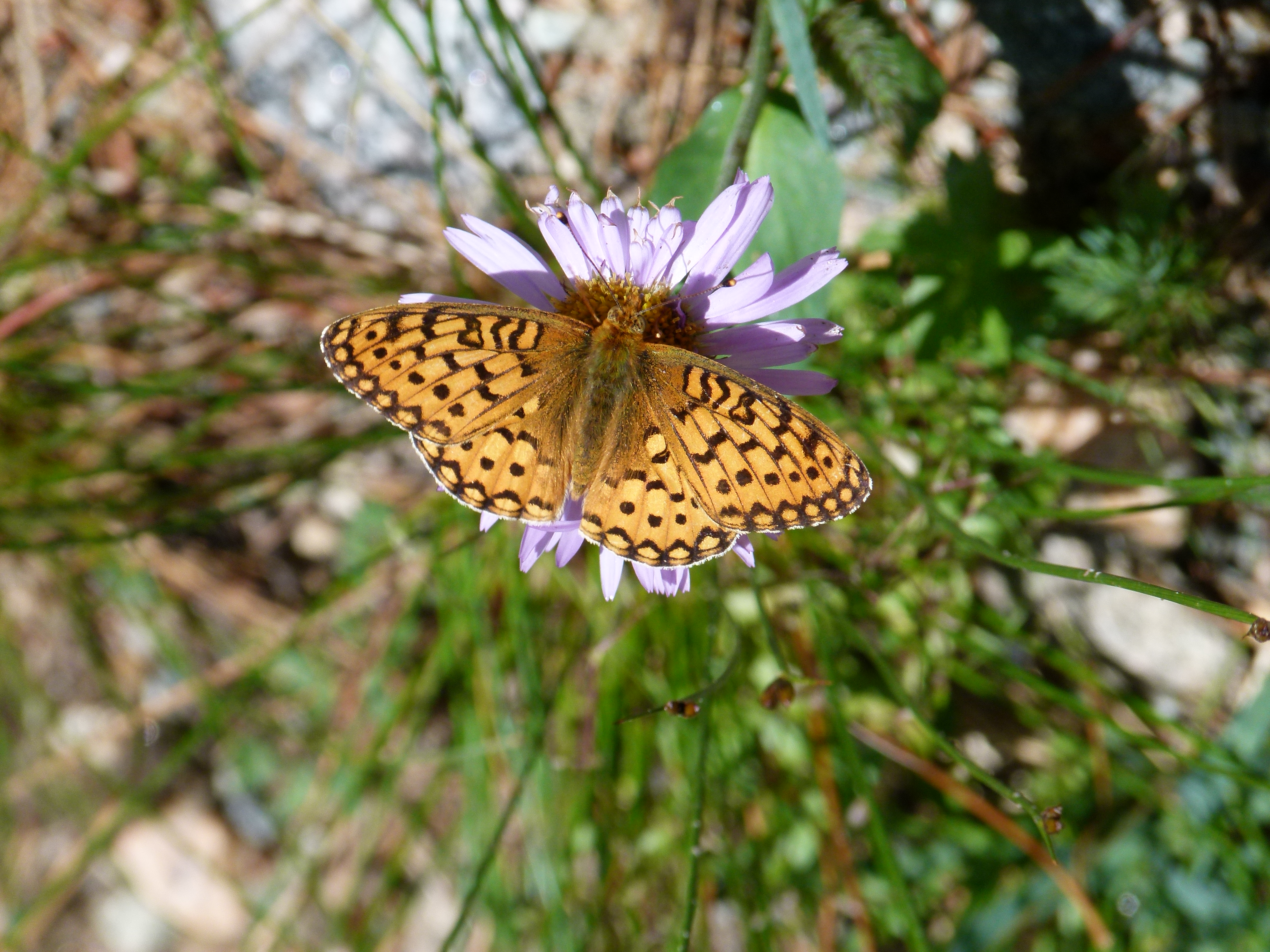
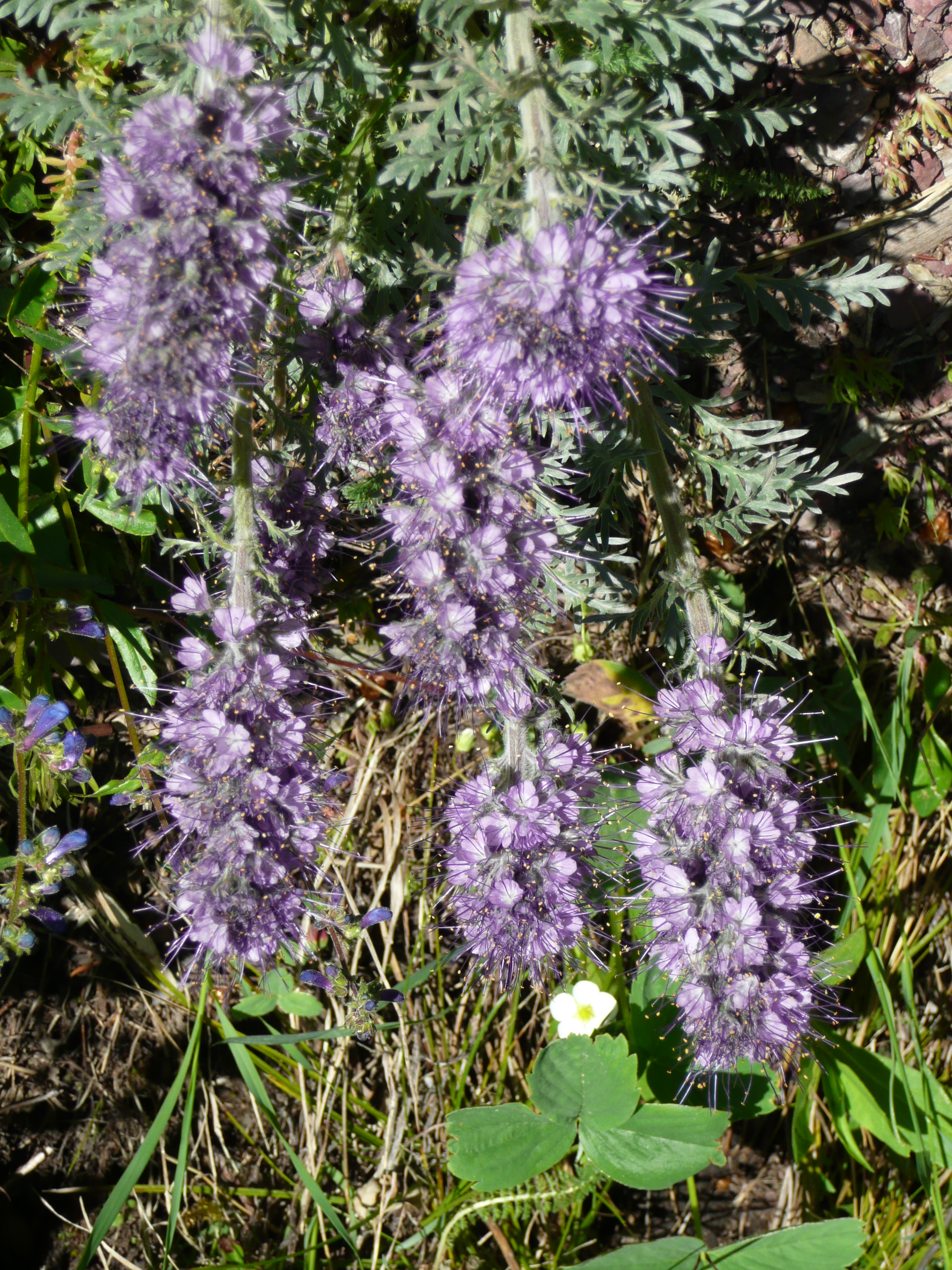
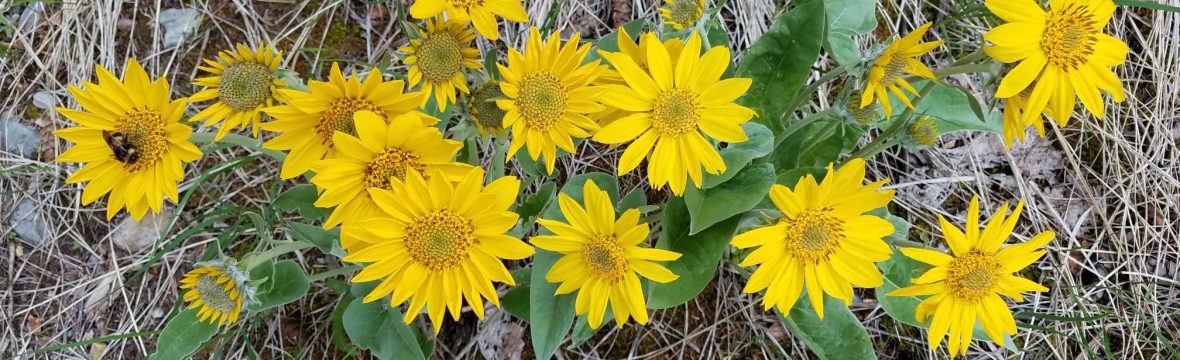
Although the timing varies, depending on the weather/snowpack, mid-July through early August is the best time to see wildflowers. Glacier is home to nearly a thousand species of wildflowers, including iconic varieties like beargrass and glacier lilies, which bloom in stunning displays throughout the park. The park’s rich diversity of wildflowers thrives in different environments, from alpine meadows to forested areas, and they play a crucial role in the ecosystem by providing food and habitat for wildlife. We’ve had luck at Logan Pass, Preston Park, Grinnell Glacier, Cobalt Lake, Stoney Indian Lake, and Red Eagle Lake.
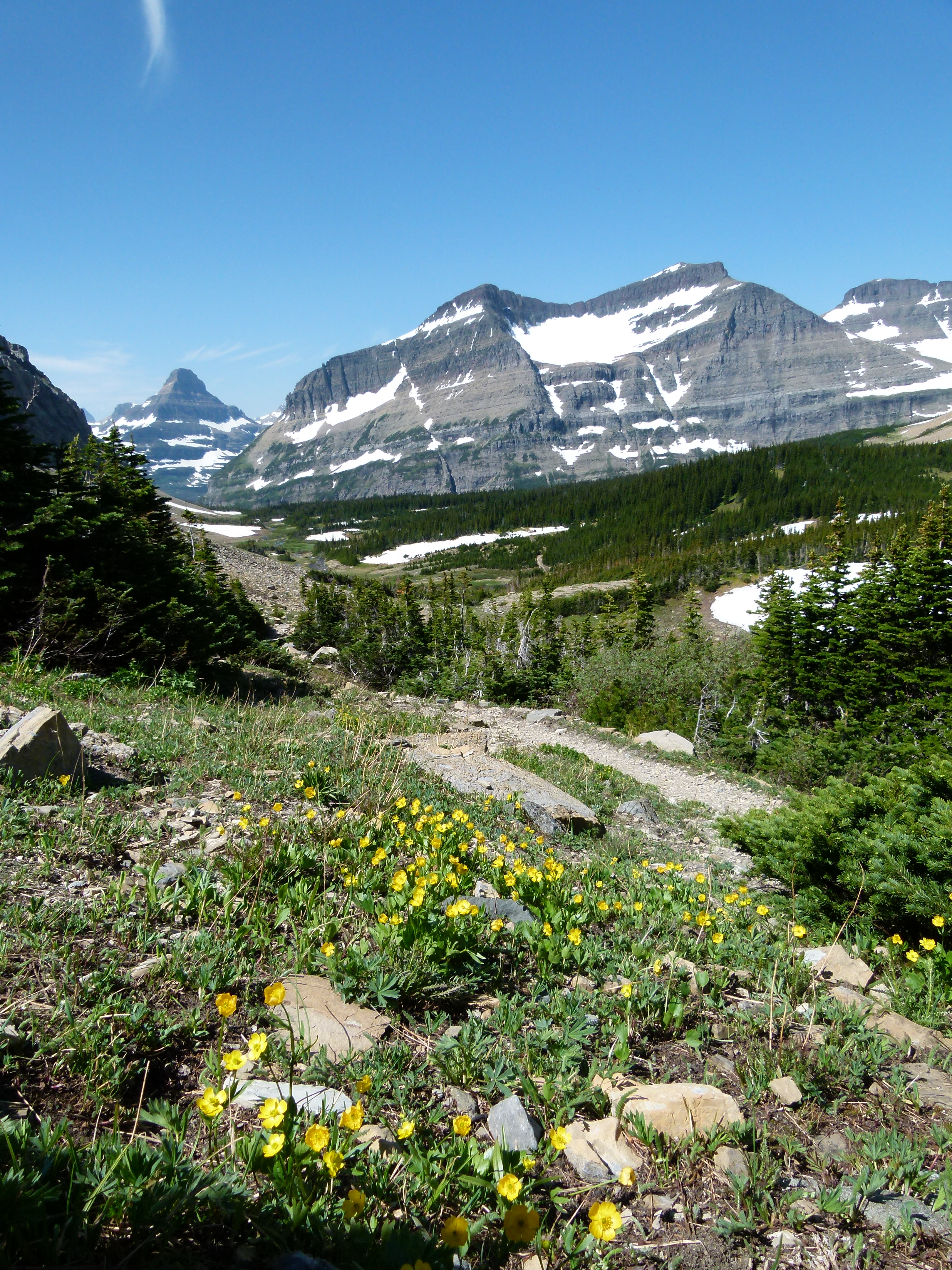
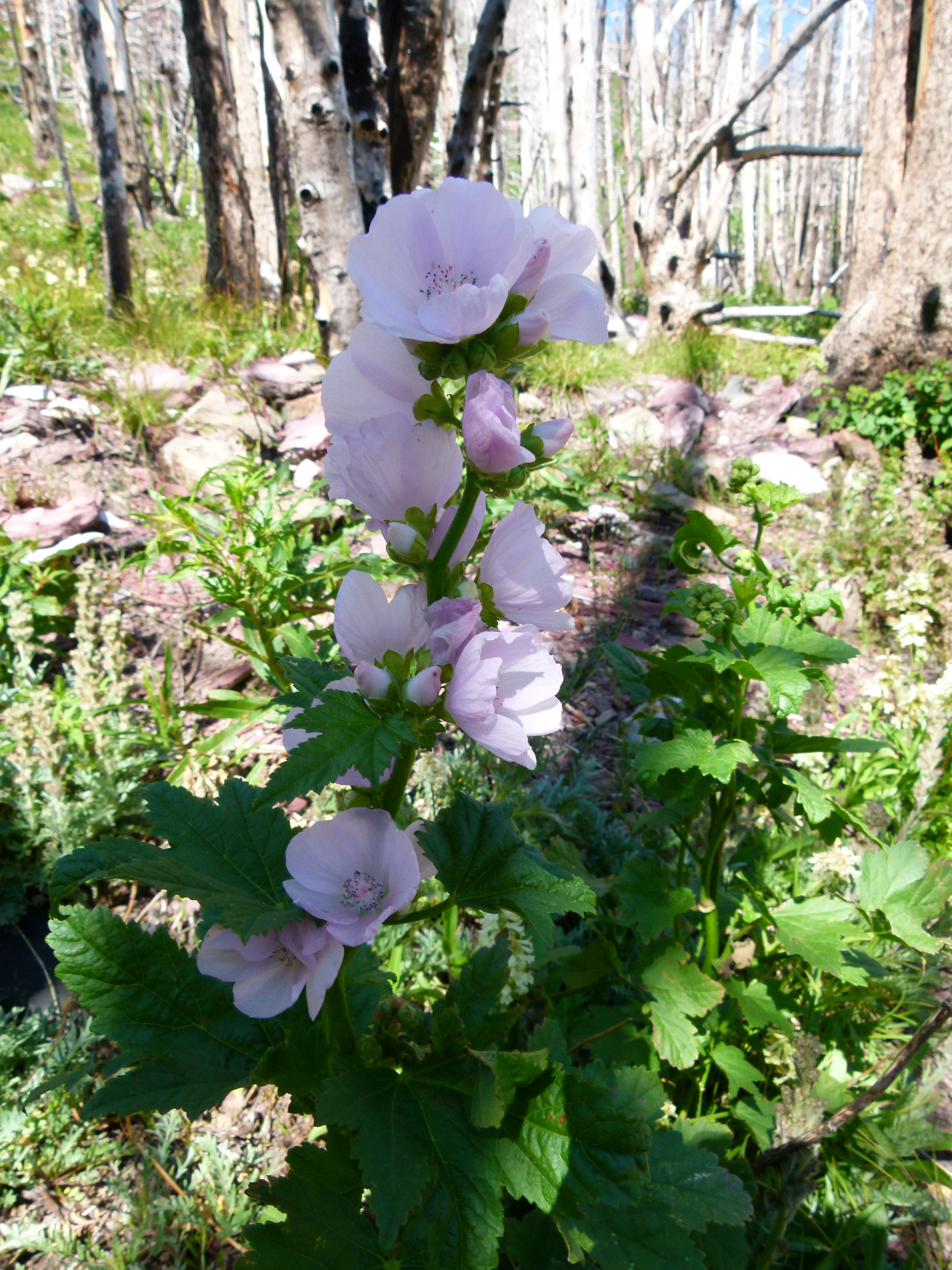
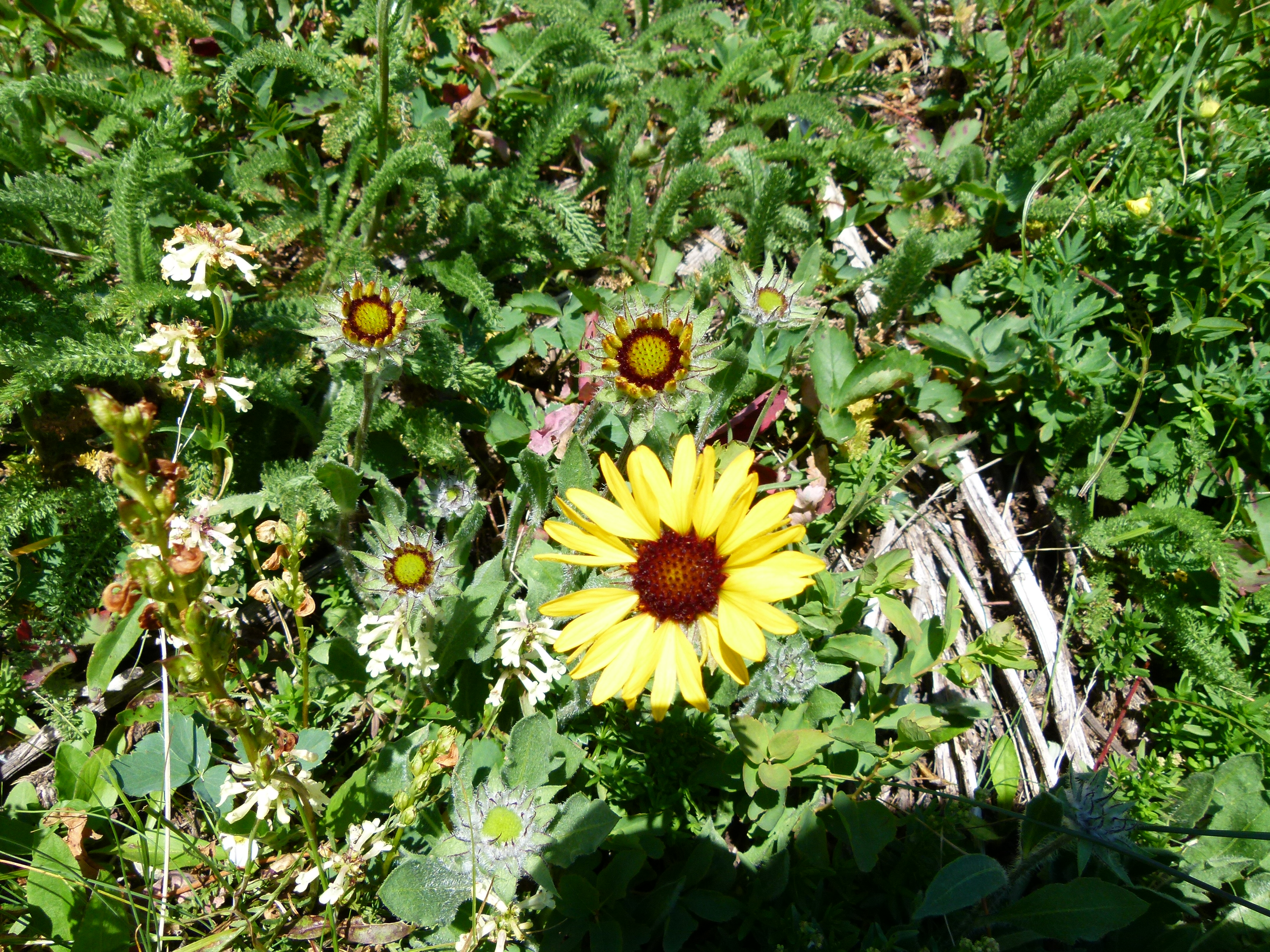
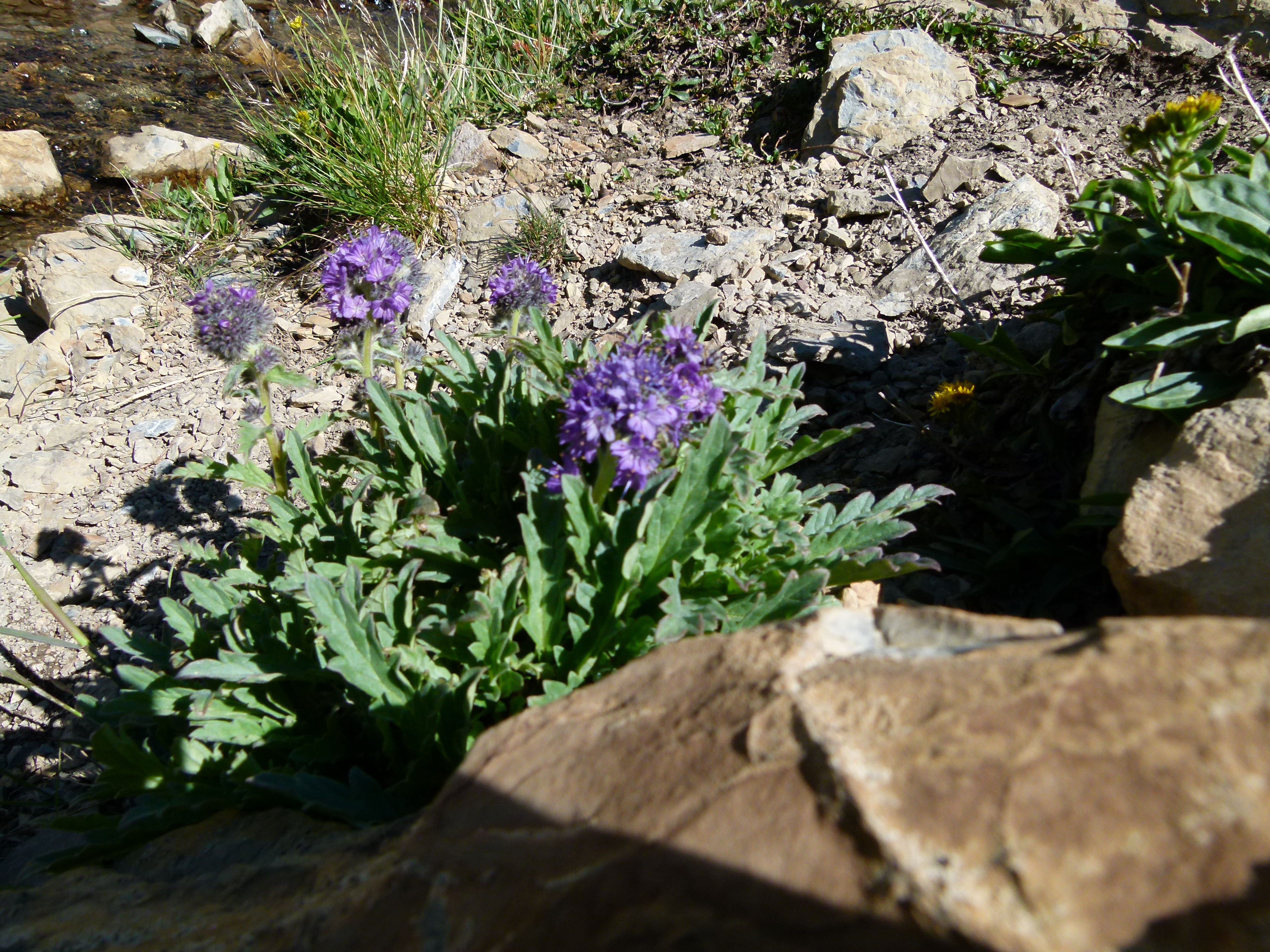

10. Going-to-the-Sun Road
“Imagine the obstacles faced by the engineers and laborers who constructed the winding Going-to-the-Sun Road more than fifty years ago. Sheer cliffs, short construction seasons, sixty foot snow-drifts, and tons of solid rock make road building across the Continental Divide a unique challenge. When Glacier National Park celebrated the completion of the Going-to-the Sun Road on July 15, 1933, more than two decades of planning and construction had become a spectacular reality.” – National Park Service
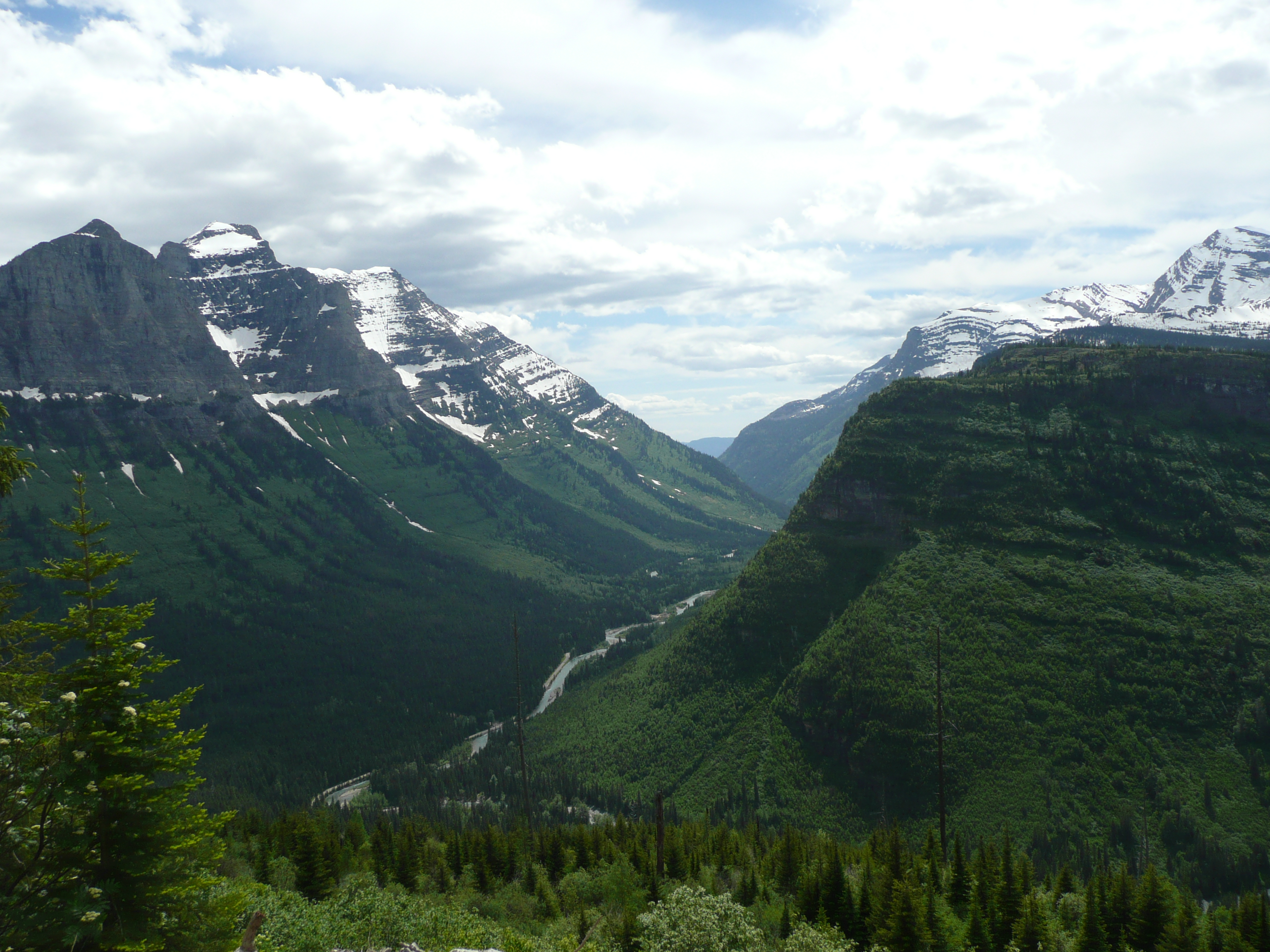
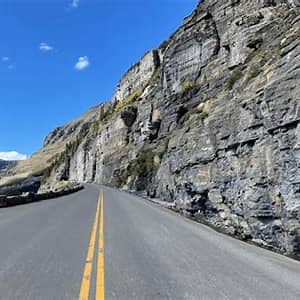
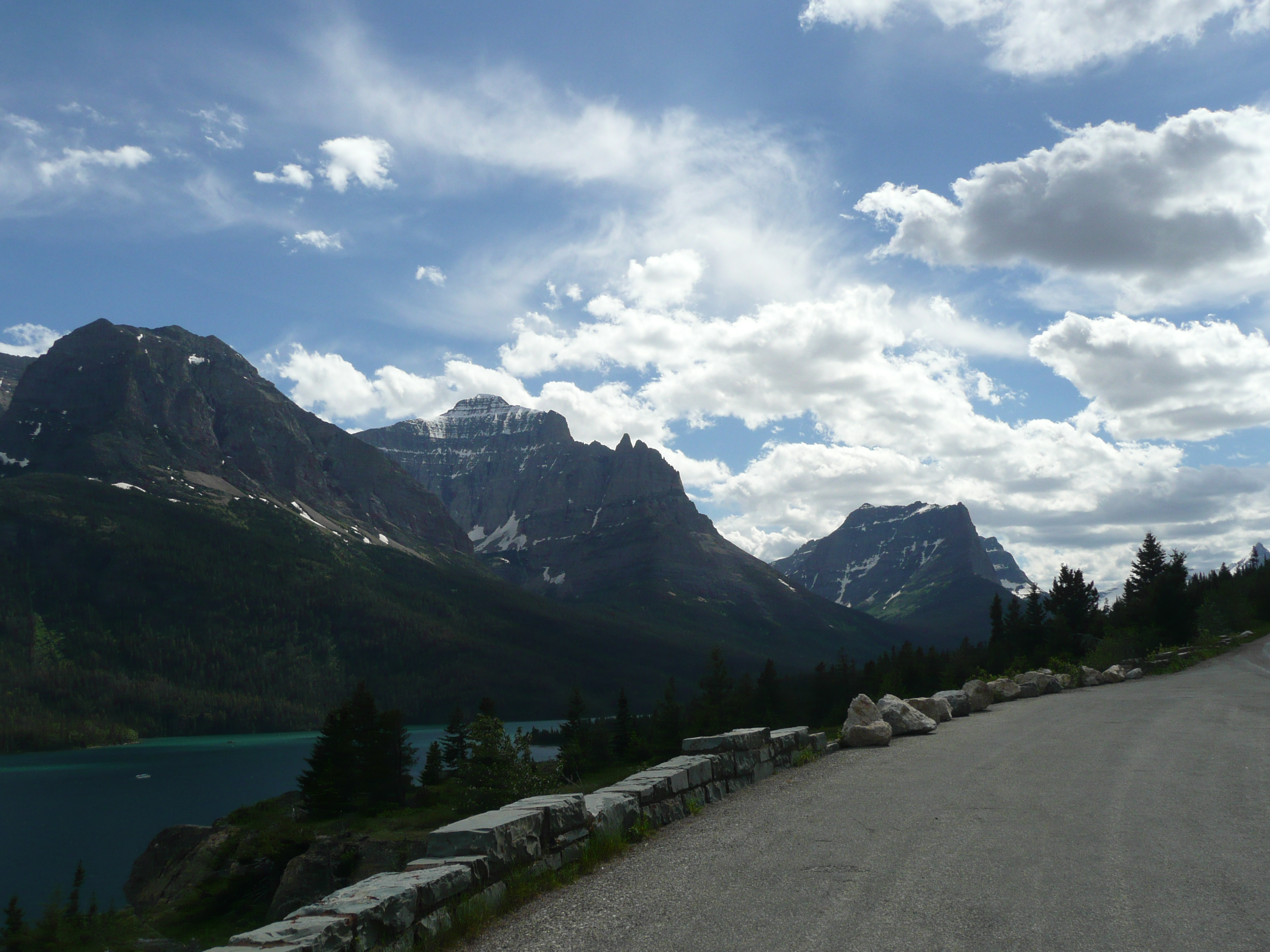
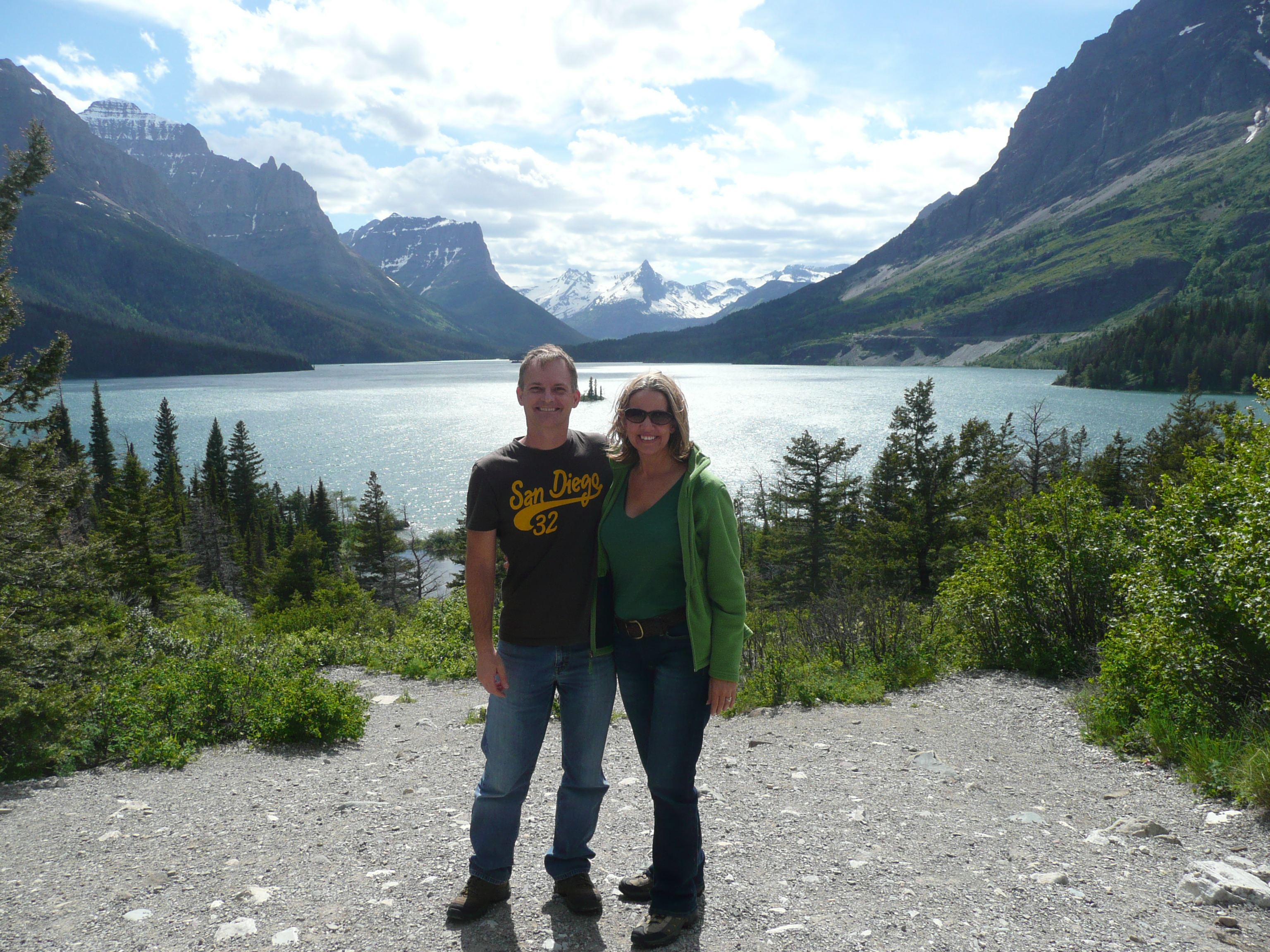
Going-to-the-Sun Road is an “engineering feat” that provides jaw-dropping views. It’s a breathtaking drive from west to east through Glacier, showcasing stunning landscapes with numerous scenic stops along the way. GTTSR is a 50-mile scenic drive that traverses Glacier National Park, connecting the West Entrance near West Glacier to the Saint Mary Entrance on the east side. This iconic road is renowned for its spectacular views of glacial valleys, alpine lakes, and towering peaks, making it a must-do for visitors.
You’ll want to take your time, stop at pull-outs and just enjoy the trip! The driver won’t be able to see as much unless you stop frequently, so consider taking a Red Bus Tour available at http://www.glaciernationalparklodges.com/red-bus-tours. Or you can park the car and take the park’s Shuttle System, which also provides short-cuts for a few trails.
Before you go, be sure to check road conditions and vehicle size restrictions. If you’re a strong rider, you can ride your bike on the road. Personally, I wouldn’t ride when cars are present and there are restrictions during the summer. For a short time in Spring, the road opens for bikes-only. Check online to find out the schedule for your visit.
Logan Pass Parking Restrictions and Shuttle Changes
Glacier National Park will pilot a ticketed-only shuttle system and three-hour limited timed parking at Logan Pass. These changes aim to improve the public’s ability to visit Logan Pass for short durations and allow the shuttle system to perform more reliably for a more specific purpose.
The Logan Pass parking lot will have time limited parking, consisting of a three-hour parking limit. This means for longer hikes like the Highline Trail, you’ll need to get a Shuttle ticket instead of parking at Logan Pass. These tickets will be for an Express Shuttle directly to Logan Pass. For the latest updates on visiting Logan Pass in 2026 go to Visiting Glacier in 2026. For the latest information on the 2026 shuttle system go to Going-to-the-Sun Road Shuttle Service. The shuttle site doesn’t have much information yet, but I’m sure it will be updated shortly.
Vehicle reservations for Going-to-the-Sun Road will NOT be required in 2026.
We love Glacier and are proud to call NW Montana home. It’s a unique and exceptional place that deserves our respect and protection. I hope this article has inspired you to visit. If you’ve found inspiration and helpful information about Glacier National Park, please share this post and subscribe below.

 Design, Garden, & Travel by Majestic Meadows
Leave a comment