As predicted, Italy along with most of Europe is a popular destination this summer for folks traveling from the U.S. and within Europe. I’m happy to report we avoided most of the crowds during our three-week trip to Northern Italy. In today’s post, I’ll share information about the first half of our trip to Lake Maggiore, as well as ways you can avoid crowds and save a little money during your vacation. For example, plan to stay and explore smaller towns, as well as the shops, restaurants, and historical spots near these towns. We enjoyed being outdoors, whether we were walking the waterfront, trails from the villa, or exploring national parks within the region.
Baveno
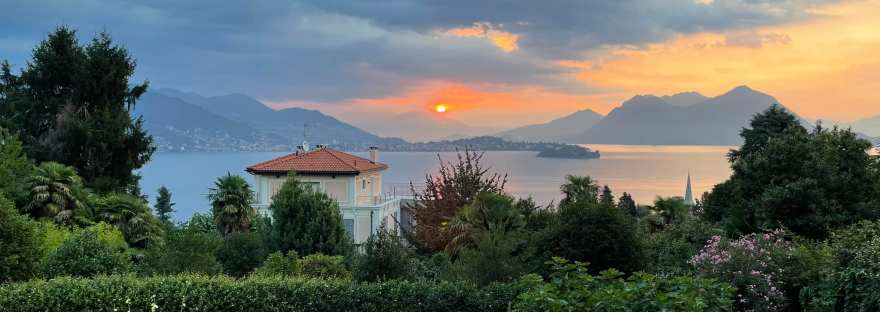
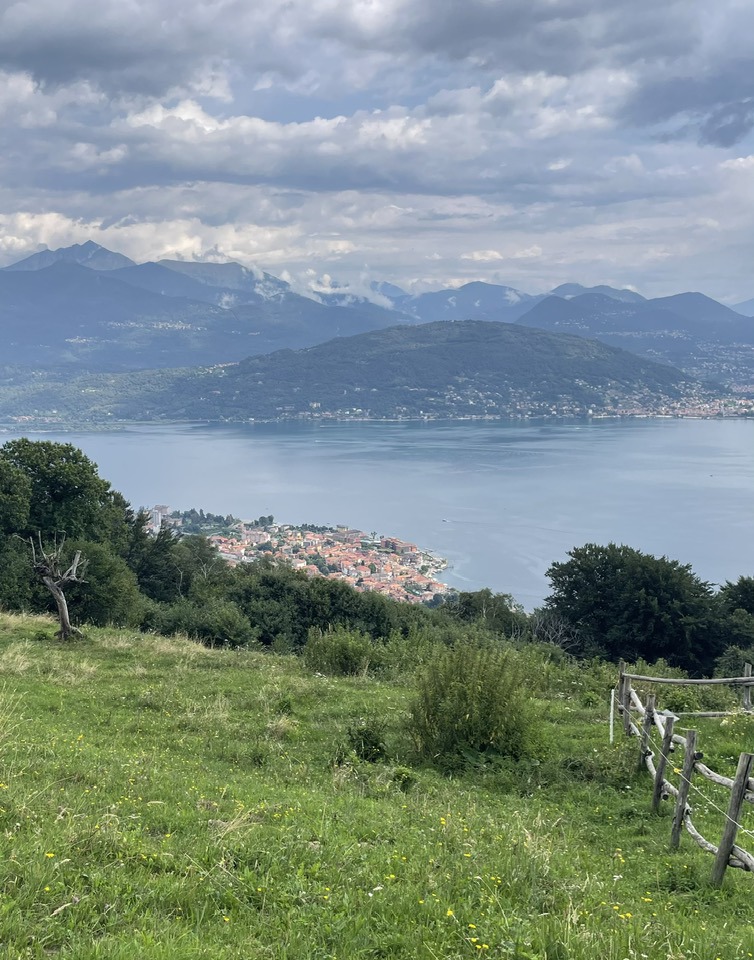
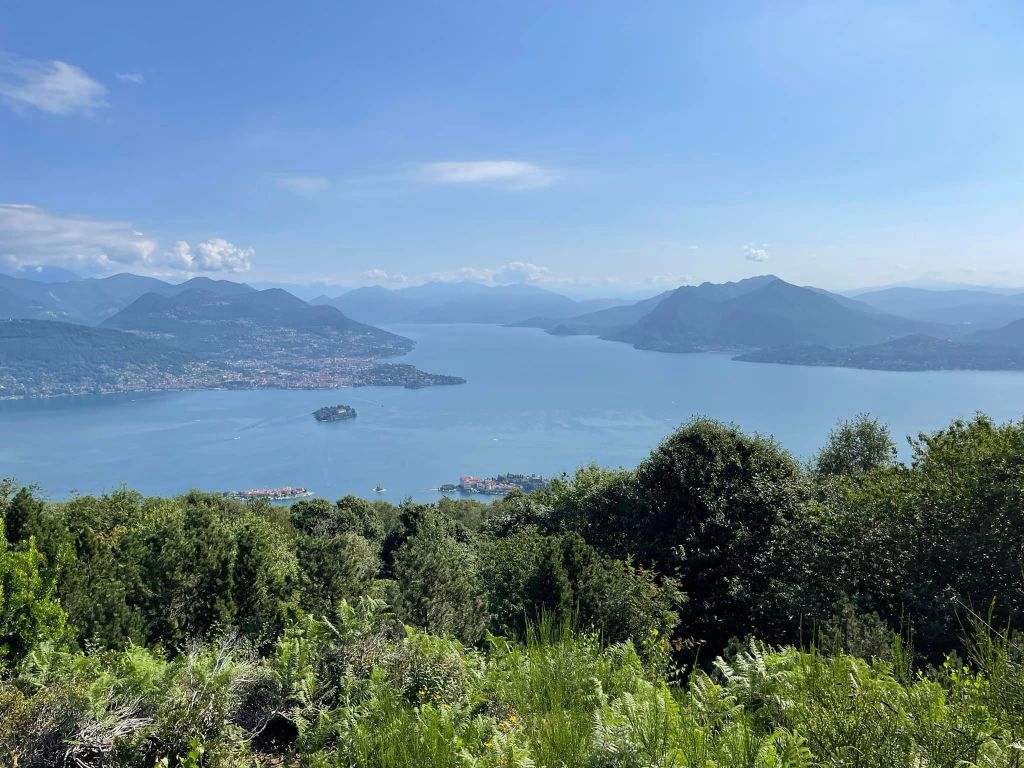
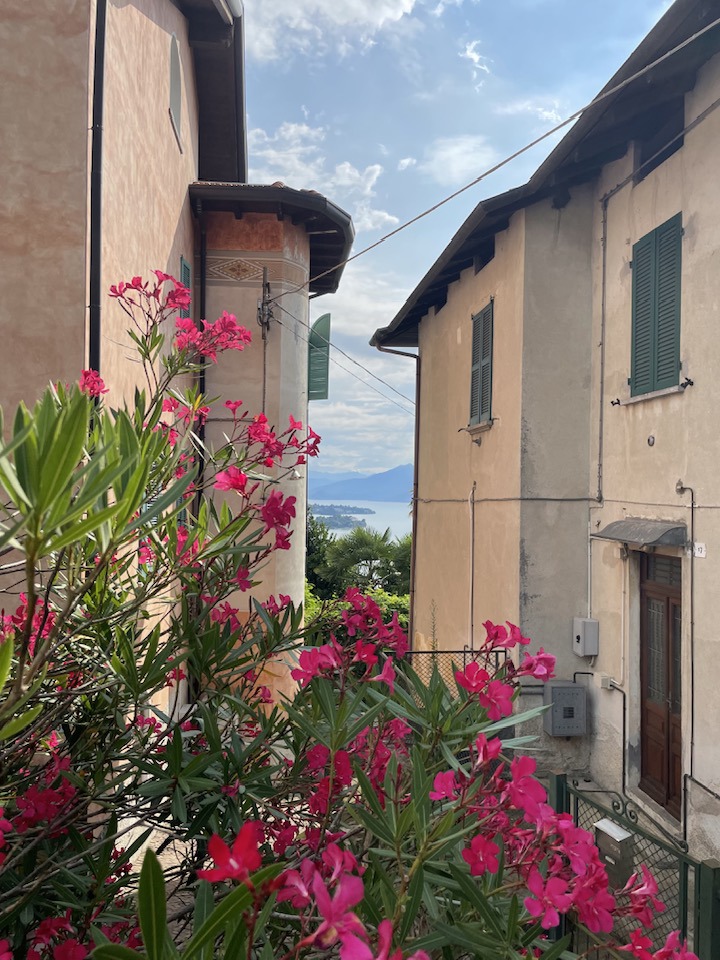
Our exchange hosts, Anne and Barry met us on the waterfront of Baveno, then we followed them up the hill to the villa. After a quick review of important household items, we were left to explore the villa and garden. As you can see below, the villa has wonderful views of Lake Maggiore from its lovely garden. Once we unpacked, we walked down to Baveno for a bite to eat before settling in for the night.
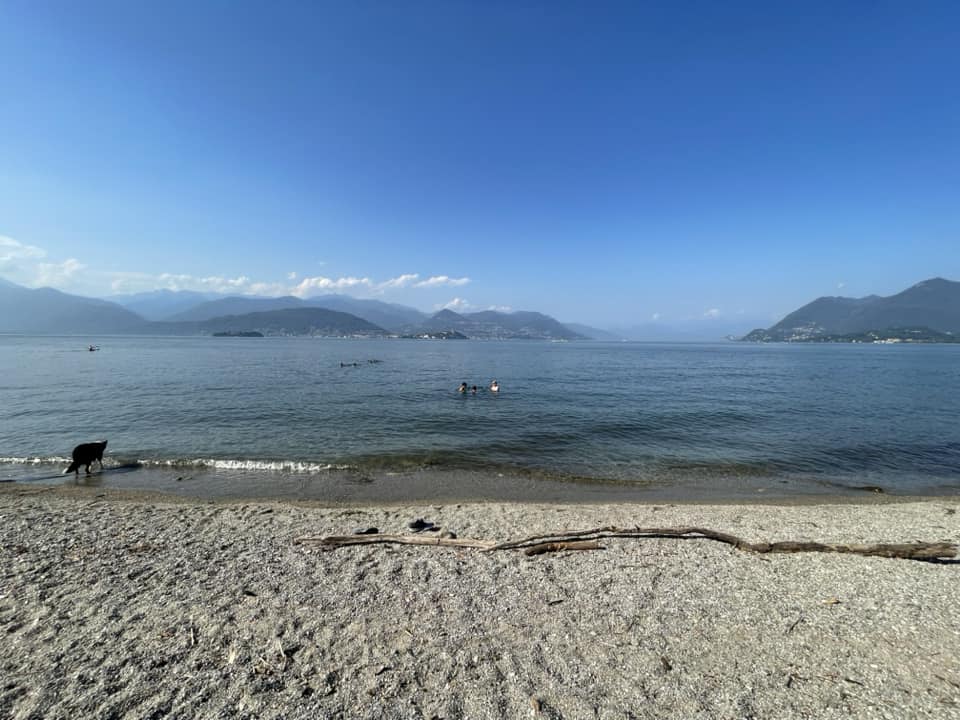
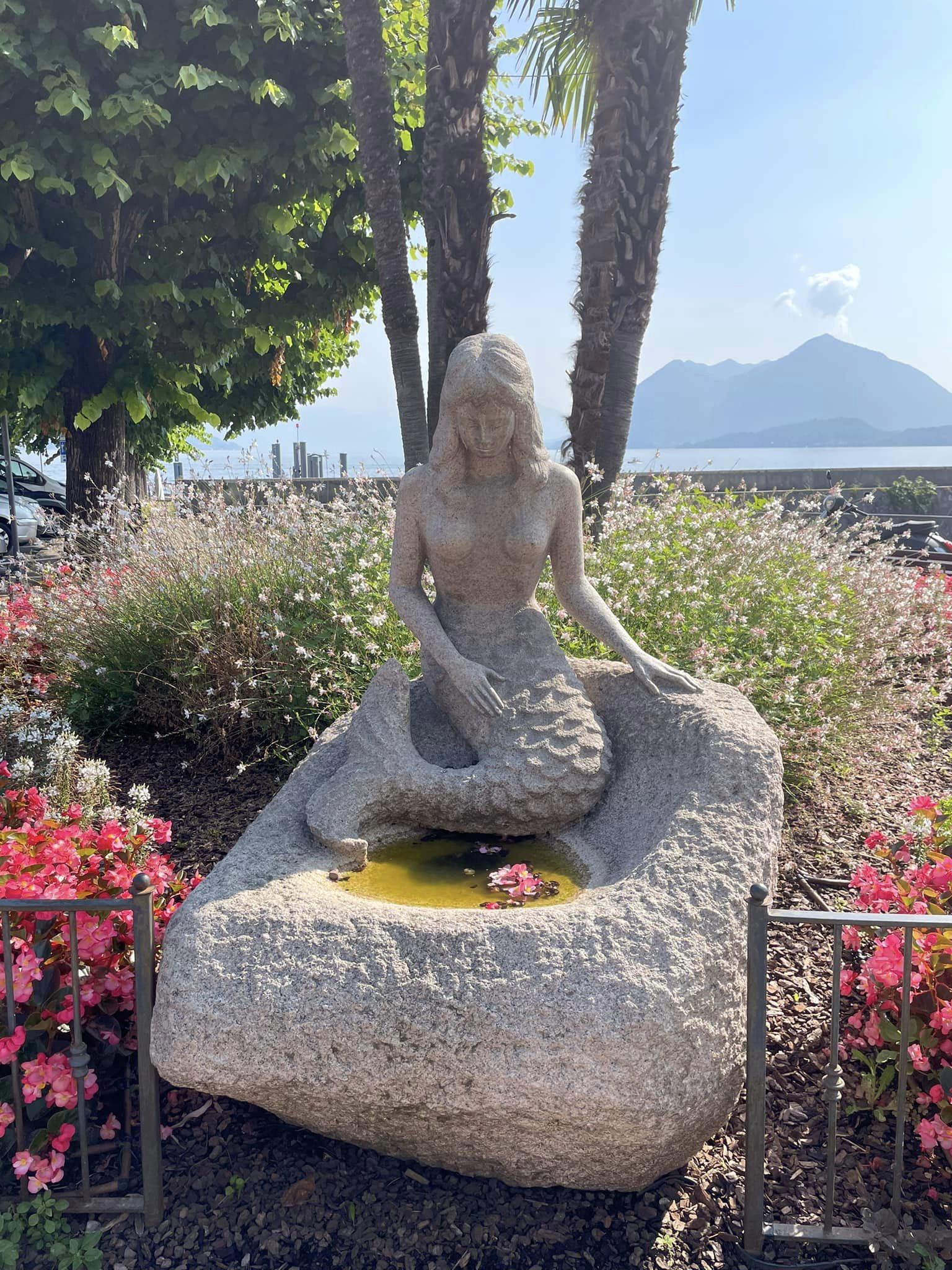
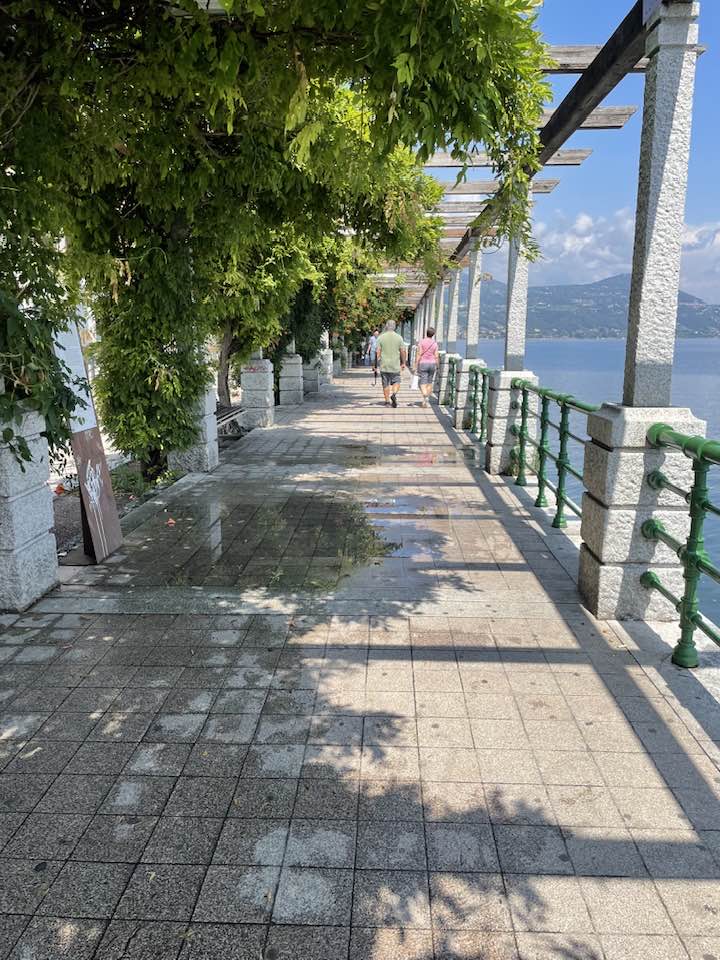
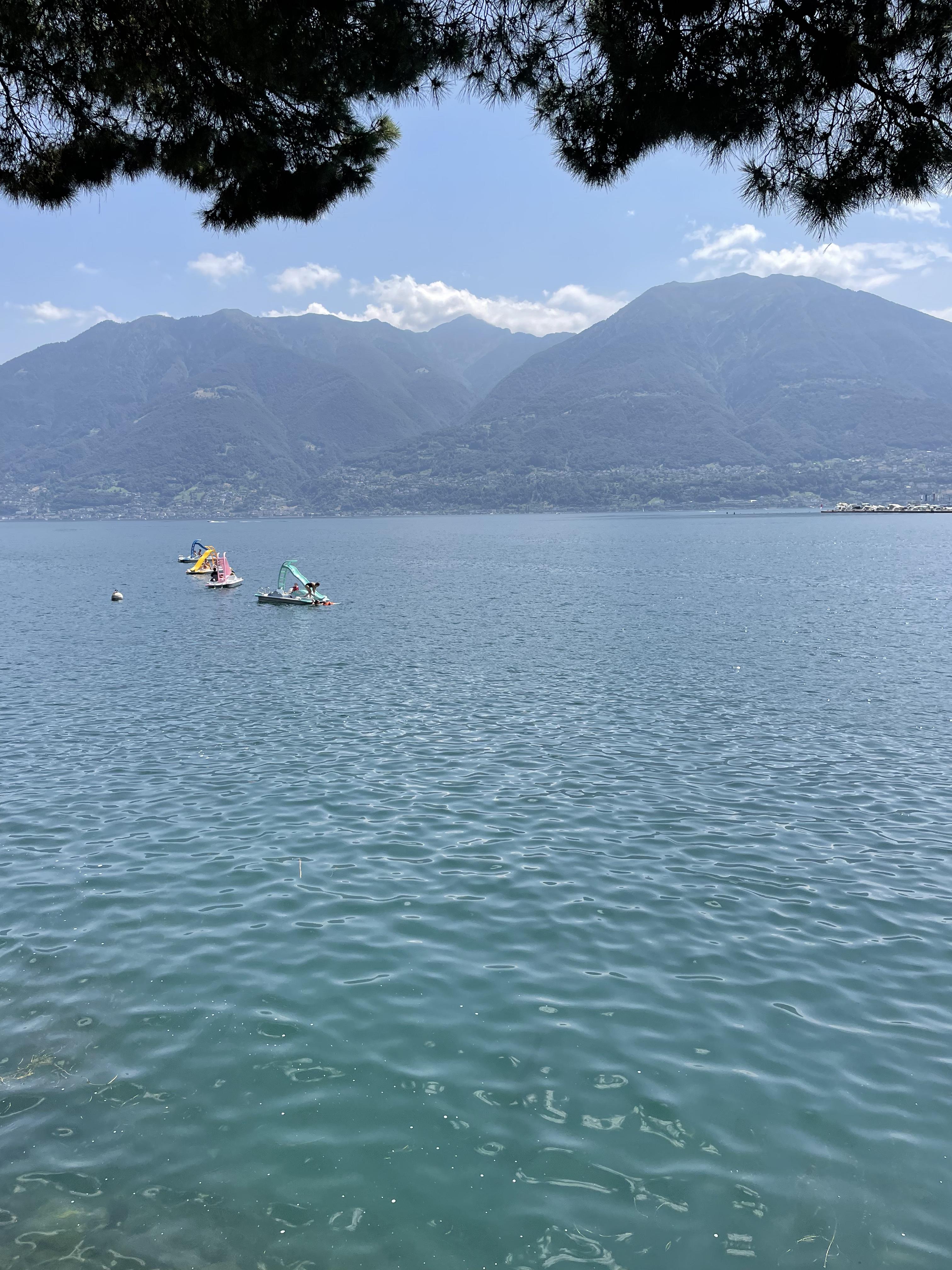
This beautiful town overlooking Lake Maggiore, also famous for its rose granite quarries, is a destination for Italians and foreign tourists who during the summer season fill the numerous campsites in the area. The waterfront provides an enchanting view of the Borromeo Gulf, including the three Borromeon Islands. There are also several beaches nearby for swimming, picnicking or getting some sun by the lake shore. We walked down to the beach in Baveno for a refreshing dip on hot days.
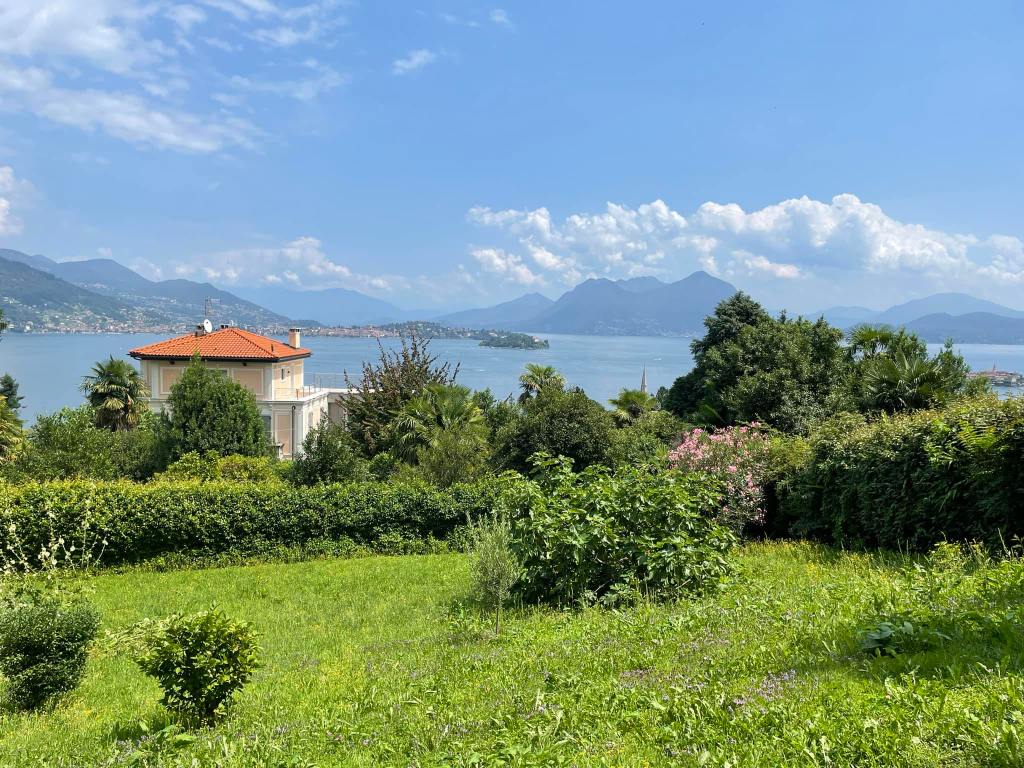
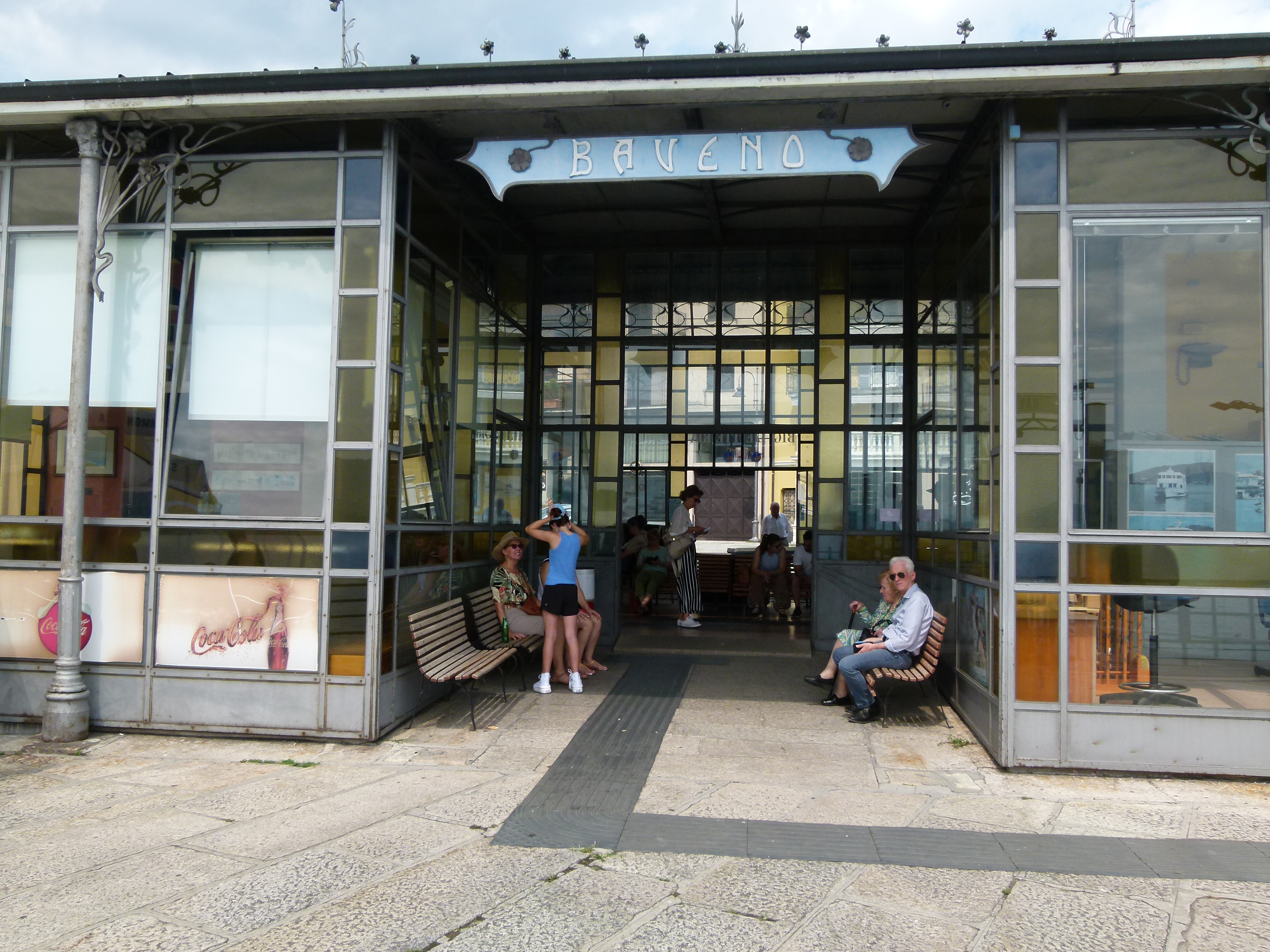
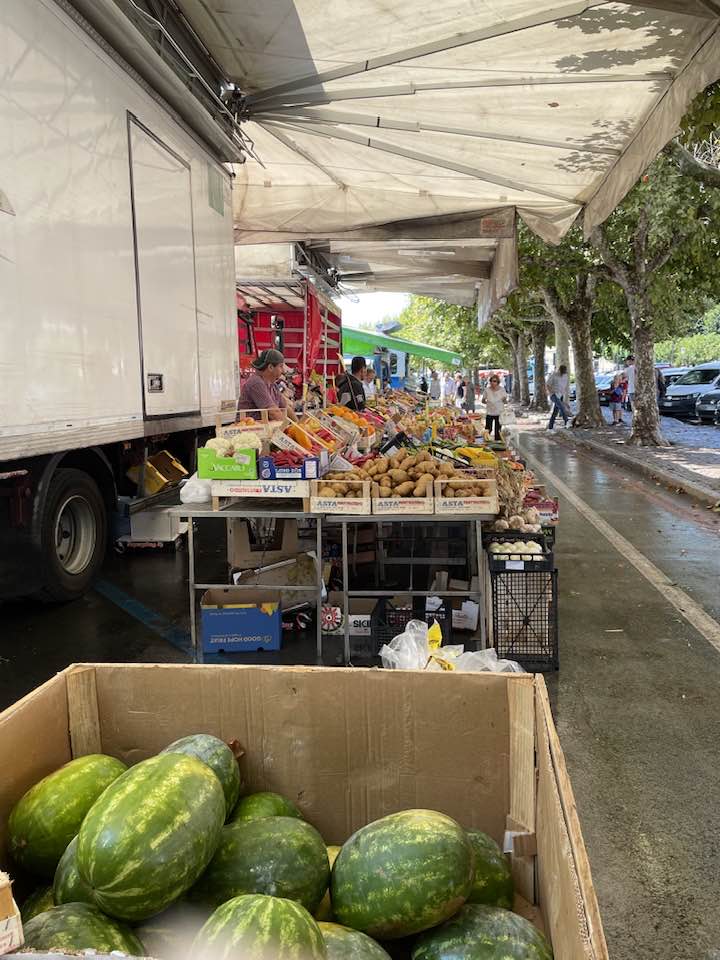
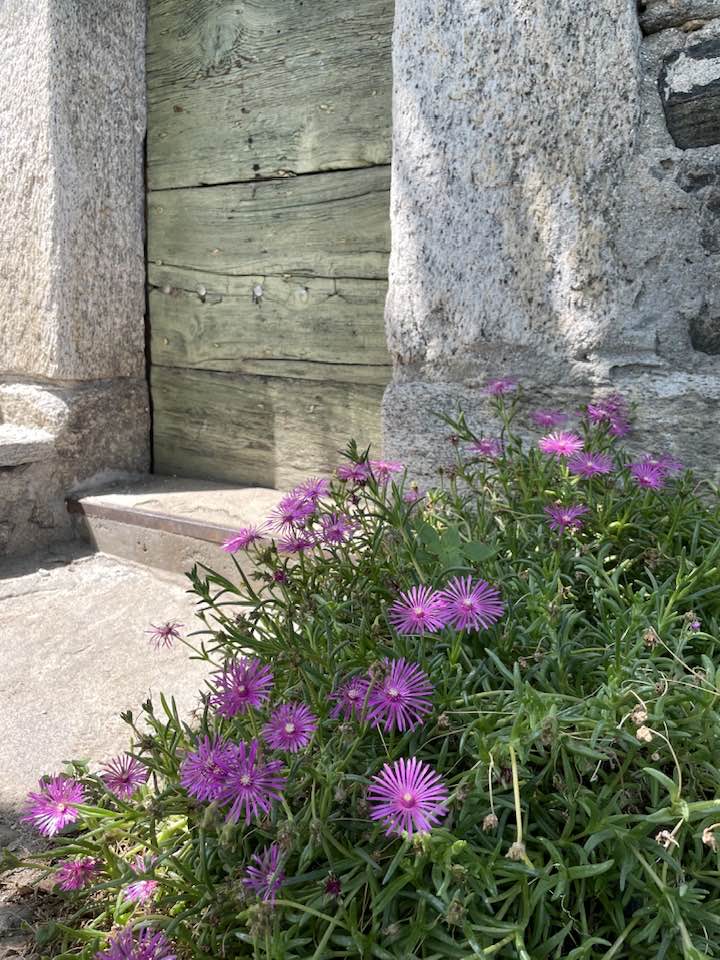
We saved quite a bit of money by spending 14 nights in the Home Exchange villa. In addition, the restaurants and shops in Baveno and other small towns surrounding the lake were all reasonably priced. We absolutely love Northern Italy and recommend staying on Lake Maggiore. The Lake District also includes Lake Orta and Lake Como. Although Lake Maggiore is bigger, most folks are familiar with Lake Como, which is two hours east of Lake Maggiore. In the pictures below you’ll see Baveno and the villa.



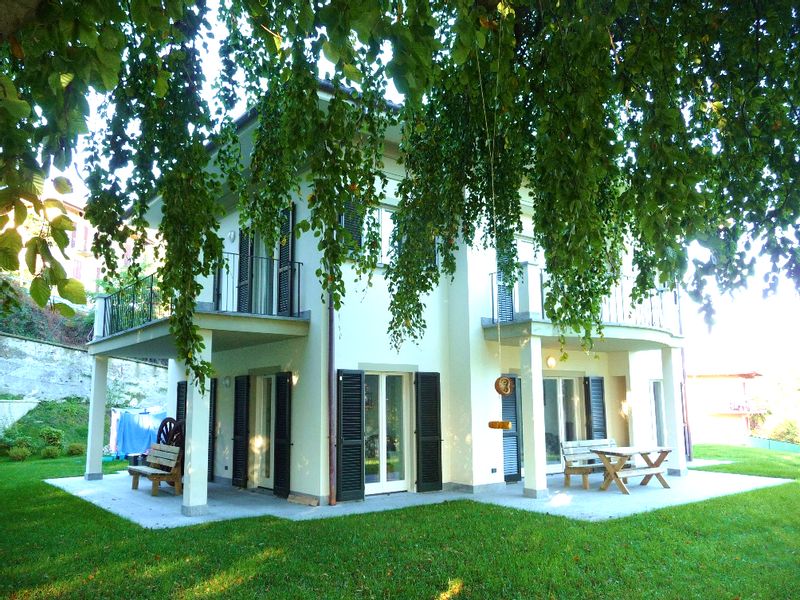

As with most homes in Italy, our villa did not have air conditioning, but our hosts provided two small and two large oscillating fans. These fans were much needed, as during the first five days of our stay, the area had record high temperatures. To keep the house cooler, we closed the windows and curtains before leaving for the day. When we returned, we opened the windows as the evening cooled off. Remember to check for screens or flying bugs could be an issue.
The power grid is limited in Italy, so we could only use one major appliance at a time at the villa. For example, the washer, dryer or stove can’t be used at the same time. We usually used the washer, then used a drying rack, instead of the dryer. Italy takes recycling very seriously, so we separated paper, glass, plastic, food waste and other garbage into individual containers stored outside, which we brought to the street for pickup on the appropriate day.
Visit http://www.HomeExchange.com to add your home and find an exchange of your own.
Towns and Islands of Lake Maggiore
We explored the surrounding countryside and lake by foot, ferry, train, and car, which included beautiful towns such as, Stresa, Locarno, Arona, and Orta. The ferries and trains are relaxing and relatively simple to manage. We used the ferry to visit other lakefront towns and the Borromean islands, but we also drove the rental car for trips into the countryside. Narrow streets call for smaller cars, so I recommend you get a small rental car.
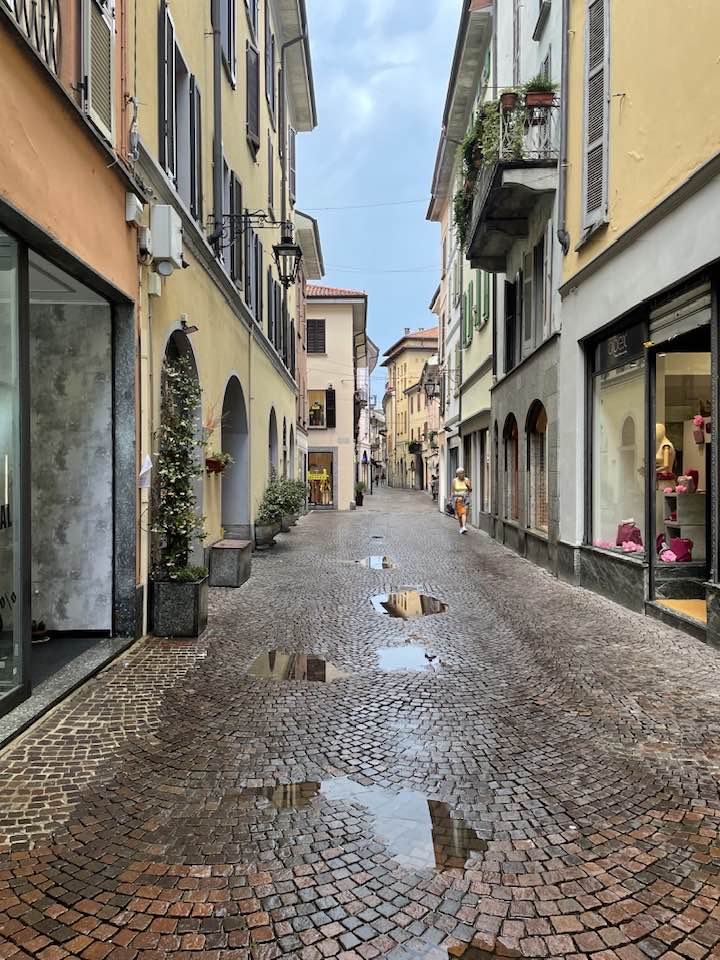
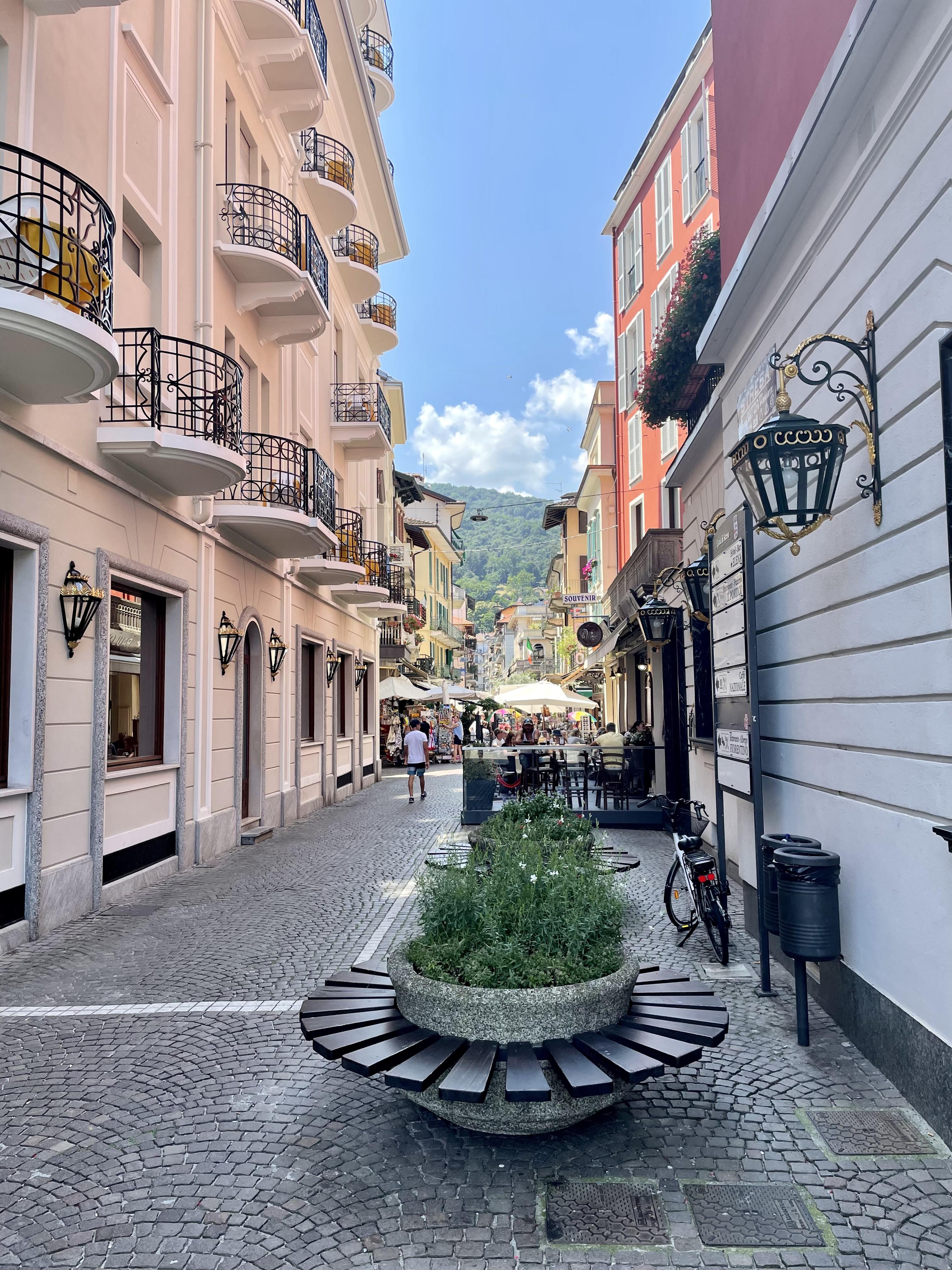
Stresa offers hotels, restaurants and shops along the waterfront, plus they spread up into narrow cobble-stoned streets. We ate fantastic food everywhere, but we also found nice leather goods, clothes, ceramics and more in the locally owned shops around the lake. Stresa’s Alpine Garden offers expansive views of the Borromean Islands and the town of Verbania, which is across Lake Maggiore. The trees provided shade to enjoy the local shrubs and flowering plants along the gently sloped alpine garden.
Stresa’s historic center, the tradition and culture of the past, the great hotels and the wonderful lakefront offer a wonderful Italian experience. Today it is a sought-after holiday resort, an important venue for cultural events, national congresses and international meetings. It’s also a traditional destination during the Jewish Pascqua of many Israeli tourists.
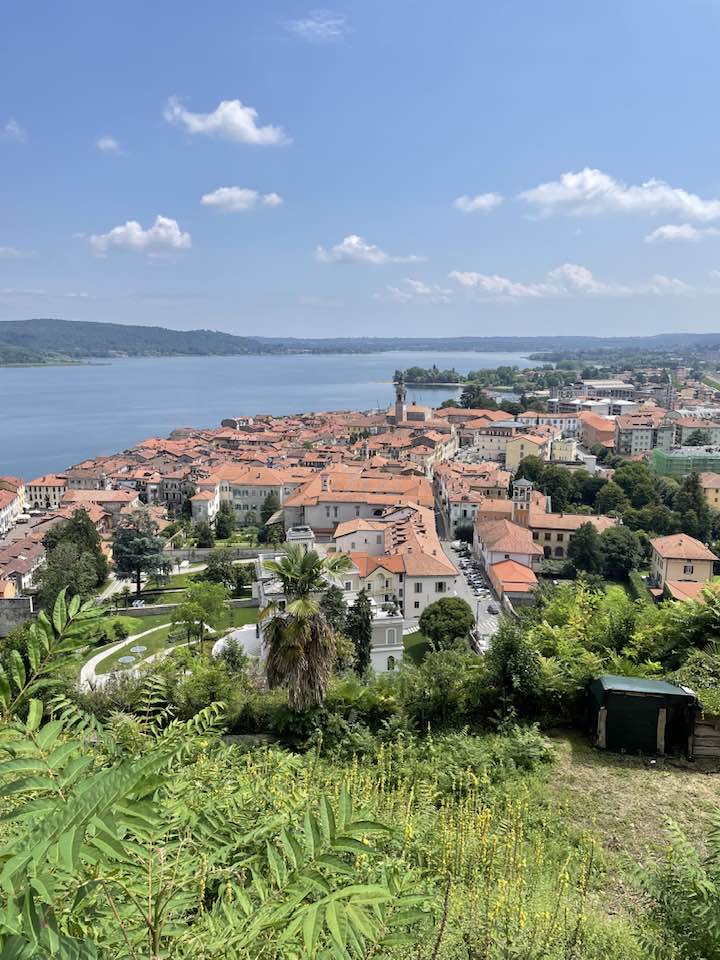
We also visited Arona, Verbania, and Locarno to walk along the lake, pop into the shops and eat a delicious meal on their respective waterfronts. We prefer taking the ferry to enjoy views of the lake and avoid parking and traffic issues. If you take a car, get the local parking app on your phone to make sure you can add or delete time from your parking meter. Be sure to visit historic sites, including hotels, churches and ruins to learn more about the history of the place and its people.
Arona is a well-known for its excellent goods, commercially and for tourists, who will find a relaxing and charming town with a lakeside promenade and nice streets to explore. The oldest area of the town opens onto the infamous Piazza del Popolo which features the church of the Madonna di Piazza.





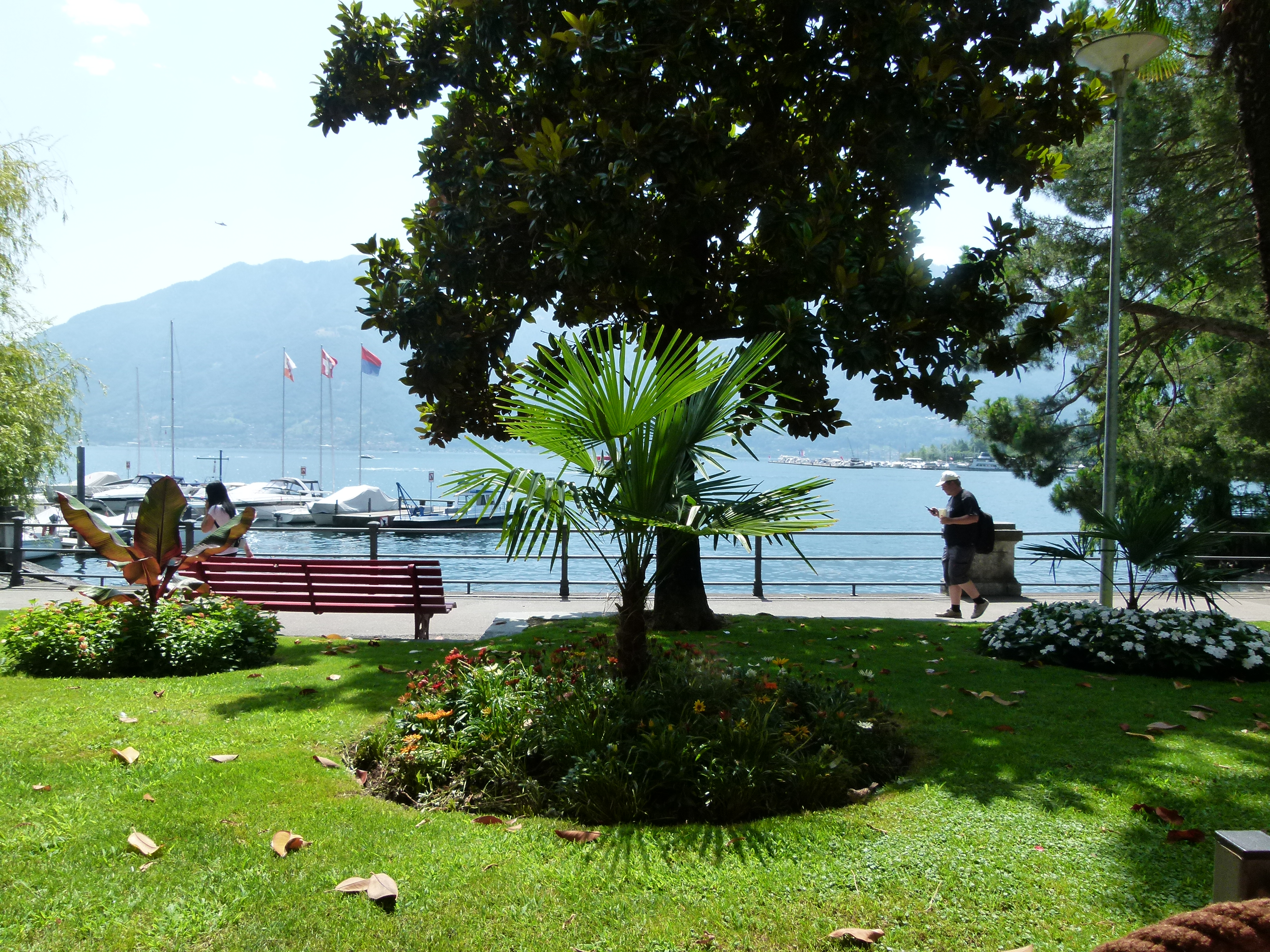
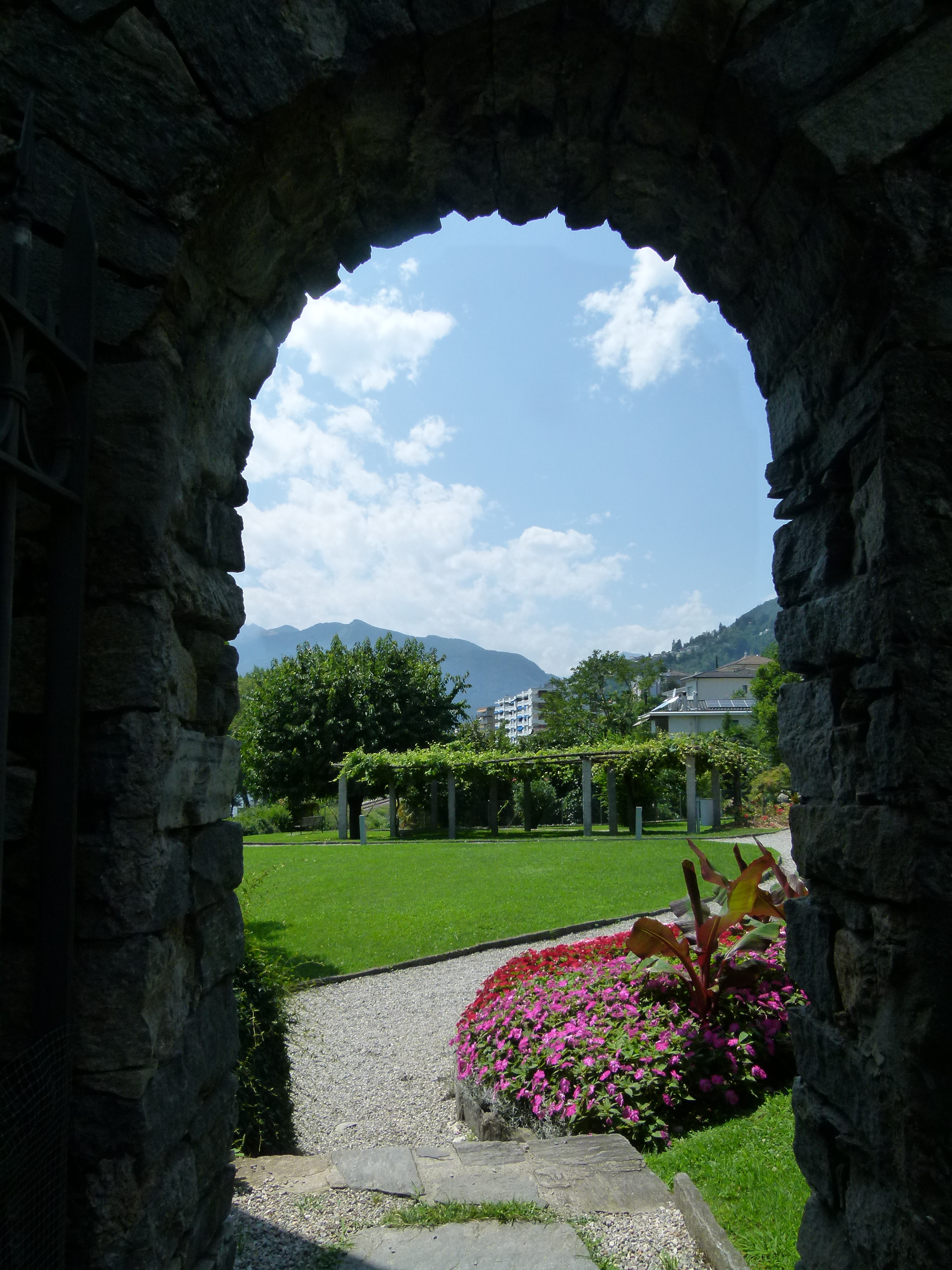
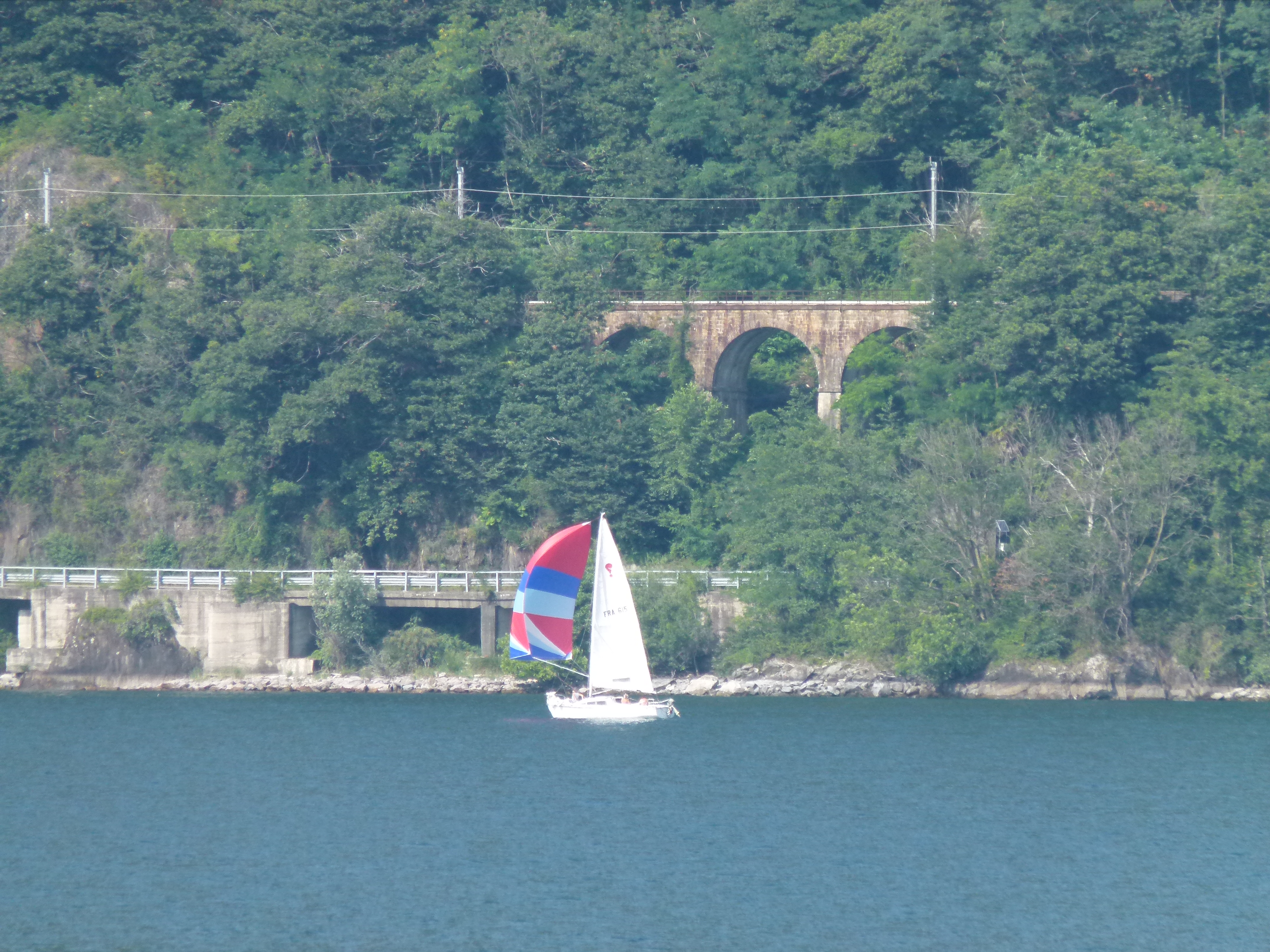
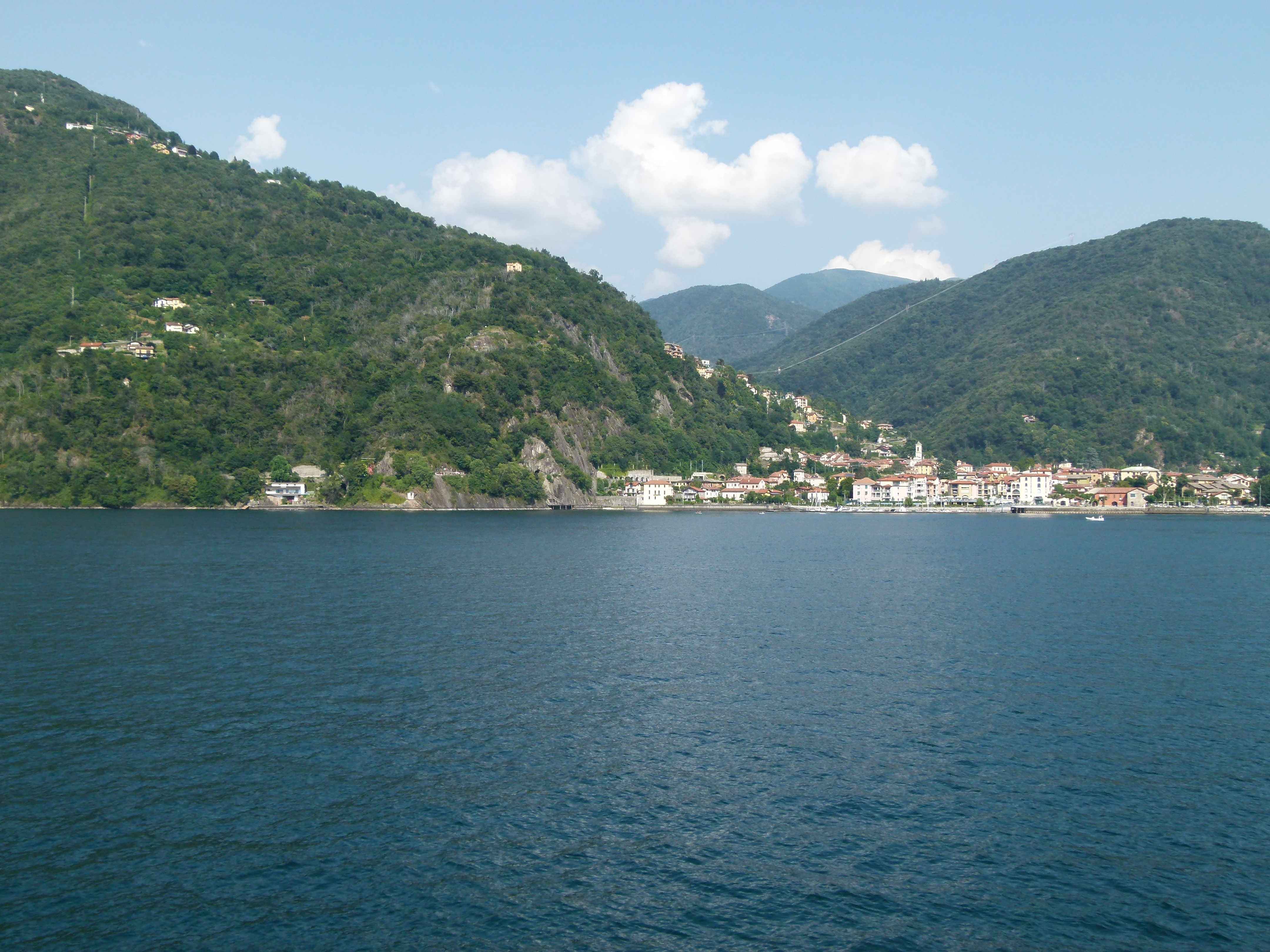
Borromean Islands and Villa Taranto
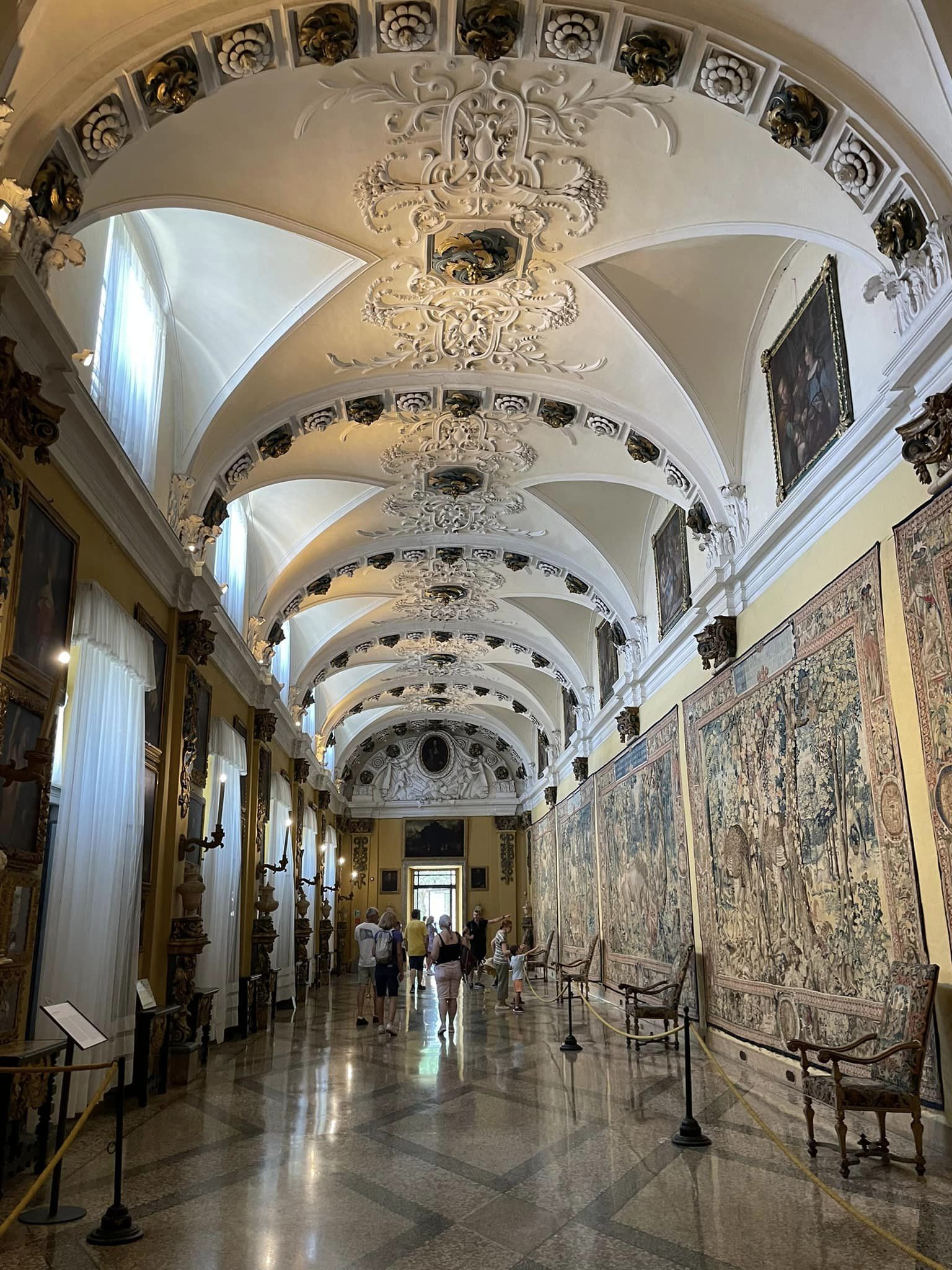
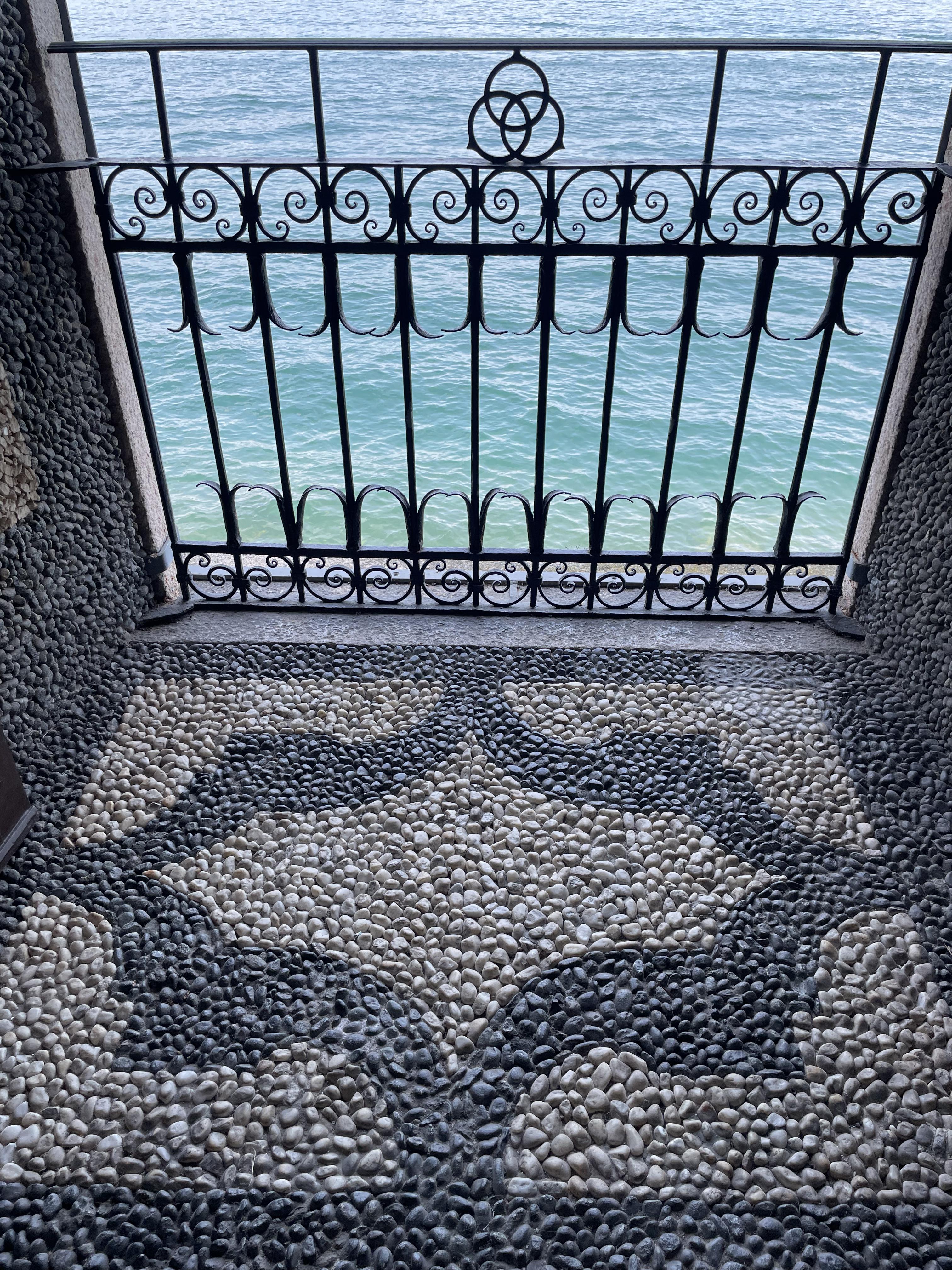
We explored Isola Bella and Isola dei Pescatori this year, but we also loved the gardens on Isola Madre, which we visited on a prior trip. You’ll want to visit all three of islands during your visit. A morning ferry took us over to Isola Bella, where we toured a Baroque palace with soaring, detailed ceilings, elaborate design touches, and priceless works of art. The stone and shell sea grotto and lush Italian terraced garden framed the lake and mountain views perfectly.
From there, we took the ferry to Pescatori for lunch, but be sure to make reservations early for the best food and views. After your delicious meal, take the walkway the encircles the picturesque village inhabited mainly by fishermen who still dedicate themselves to fishing which gives the island its name.
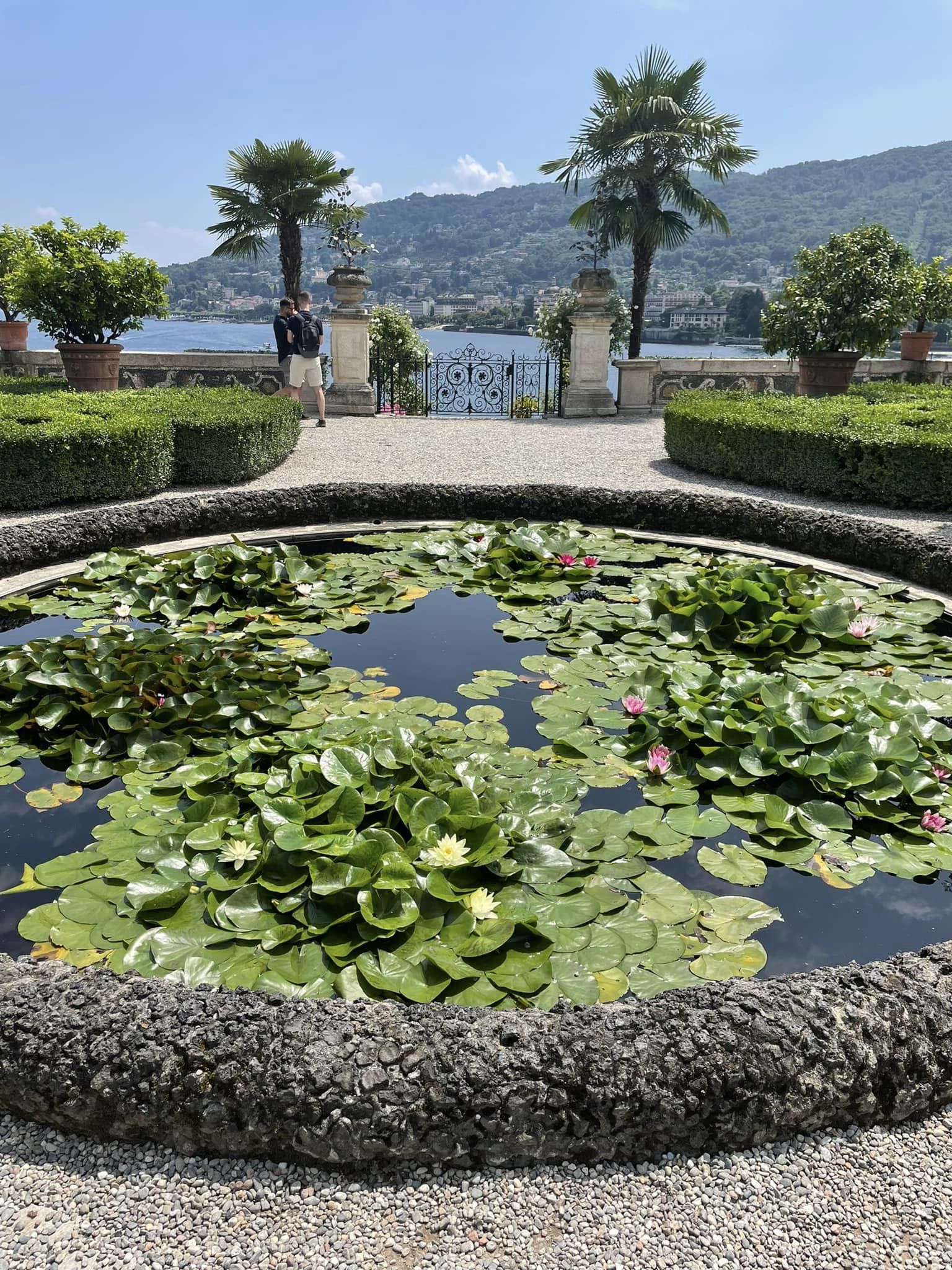


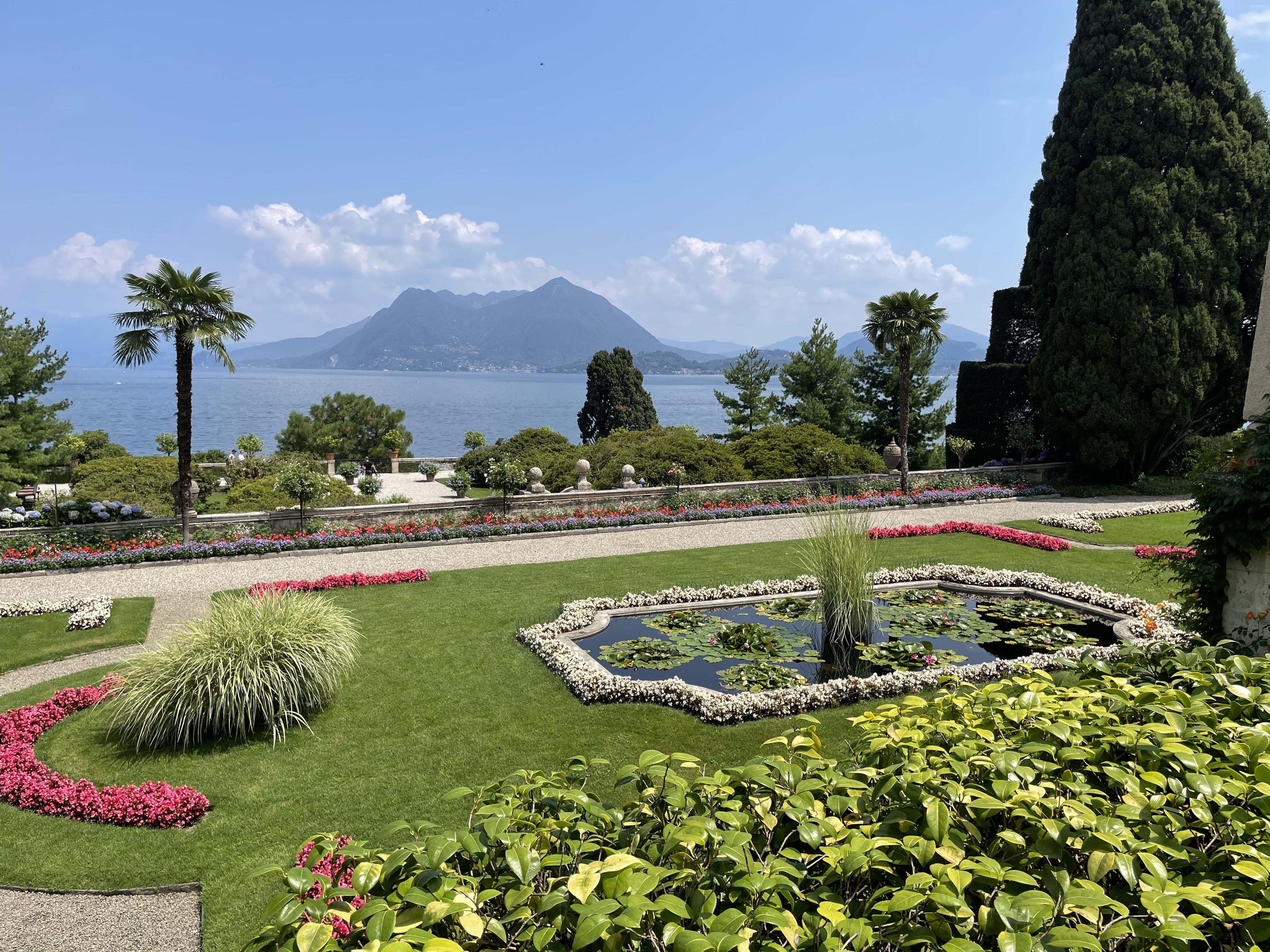
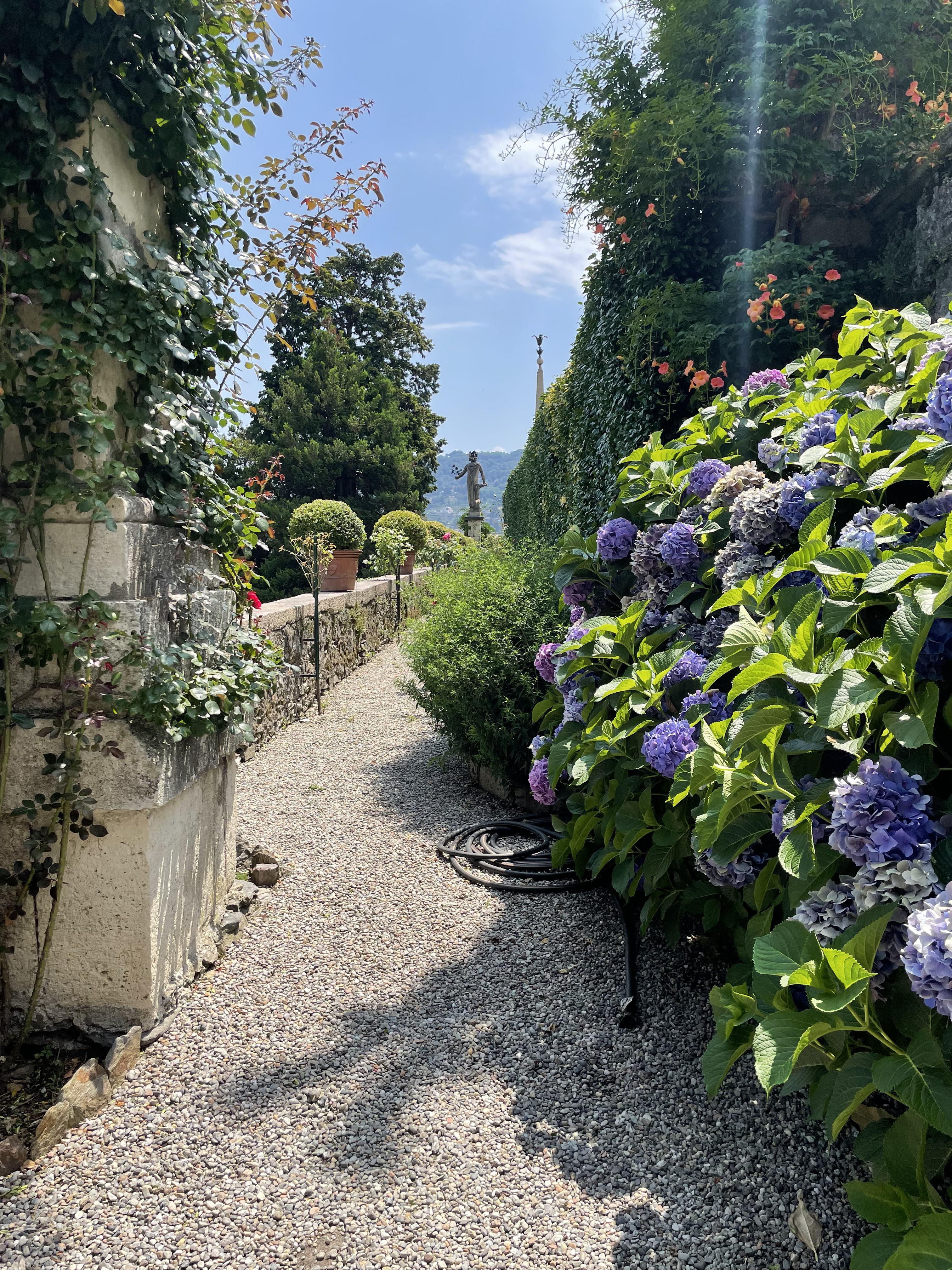
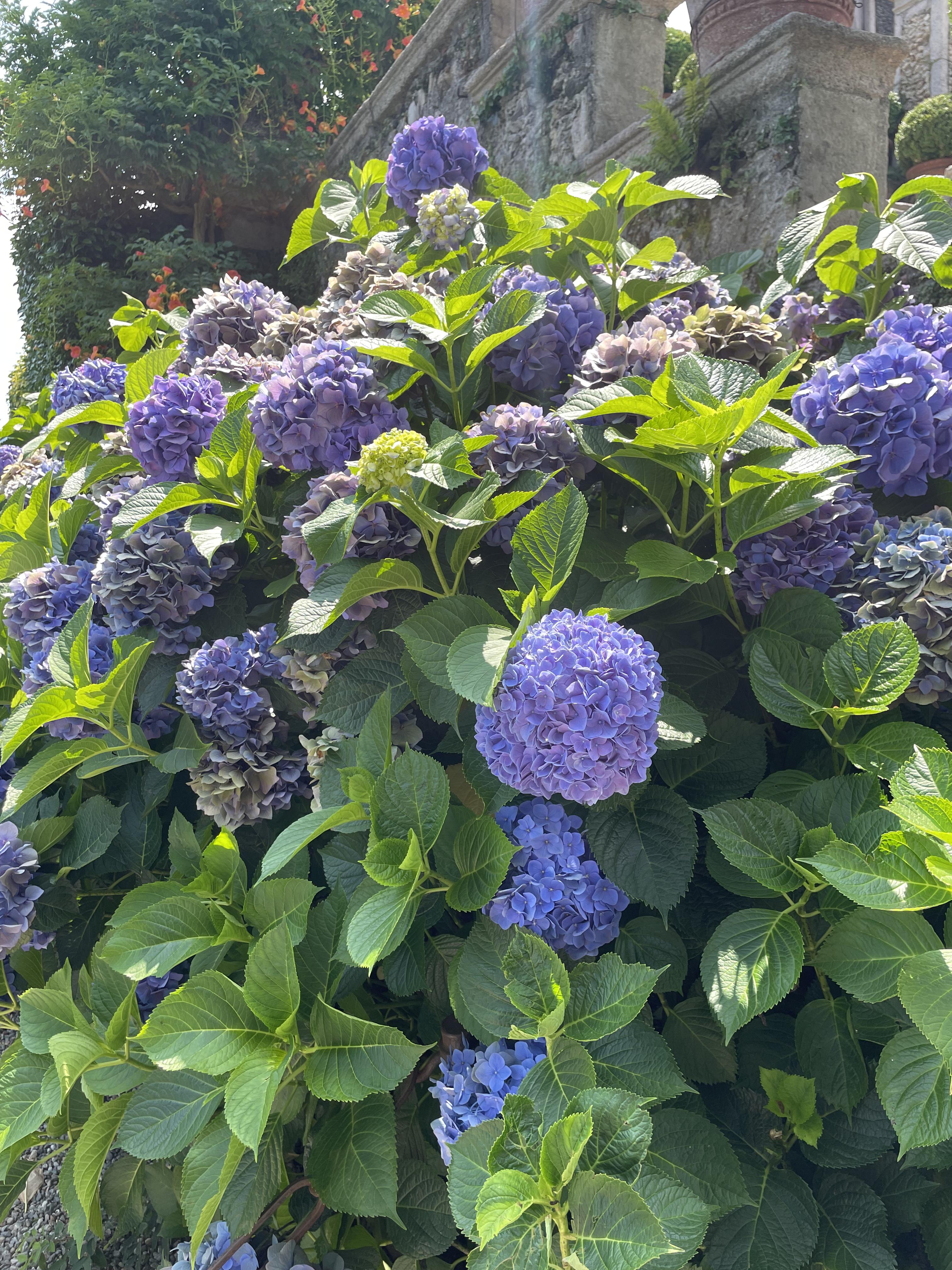
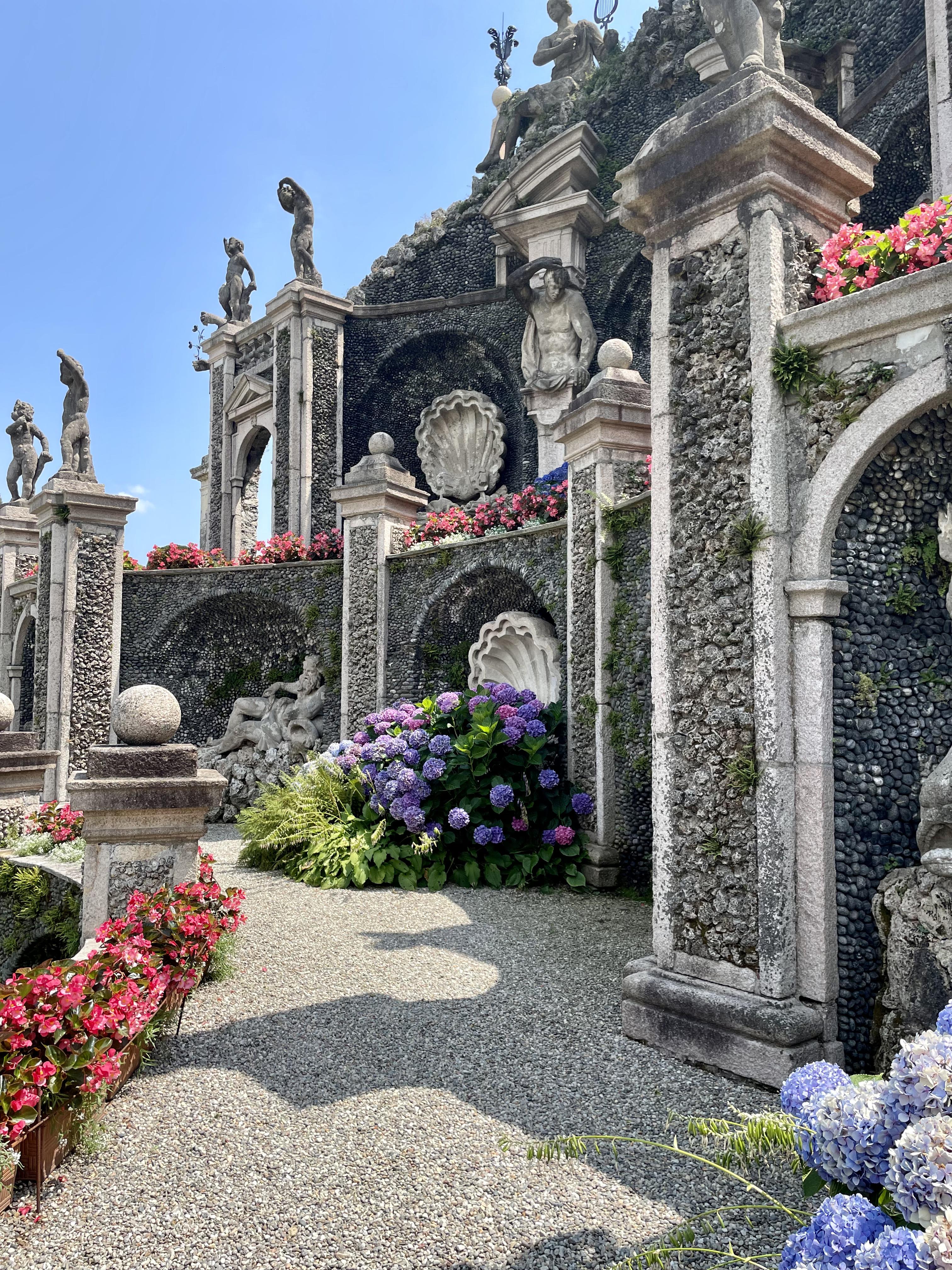
Villa Taranto has among the richest botanical gardens in Europe: Created in 1931 by Captain McEacharn, who wanted an English garden, located on his property in Italy that reminded him of his native Scotland, although with greater softness and richness of tones. This work had to reconcile two fundamental needs: aesthetic and botanical. The design provides plenty of wow garden moments and also meets the various botanical needs by finding the right spot for the right plant. The garden went through many phases of work before its completion in 1940.
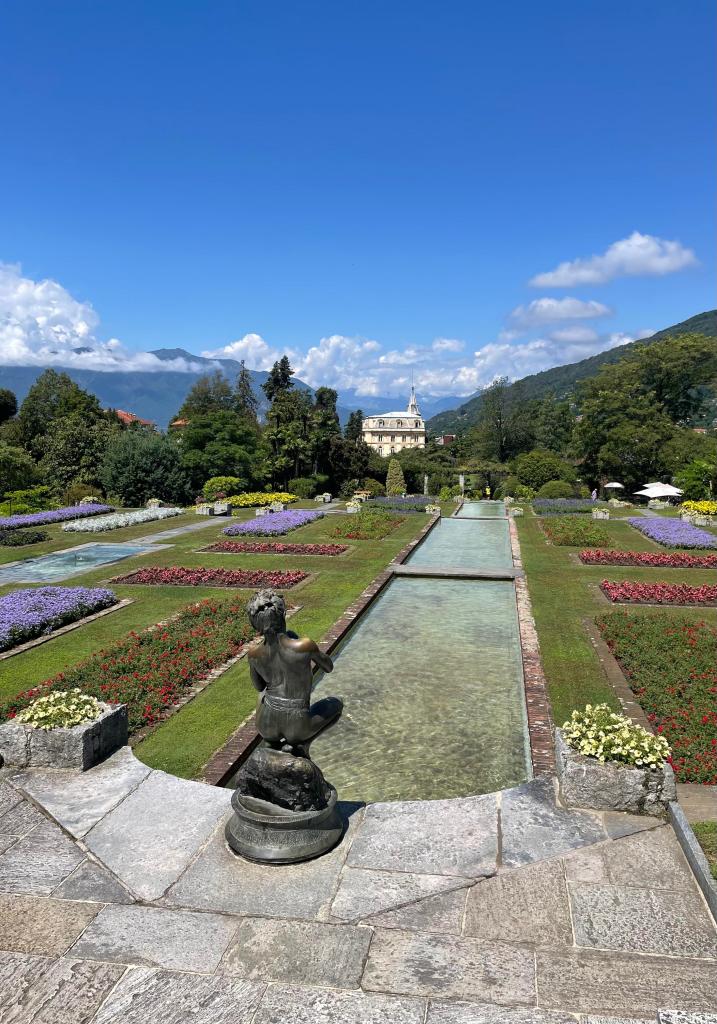
Thousands of plants, imported from all over the world create several rare collections. Among the most significant works: the “Valletta”, or valley artificially created and spanned by a one-arch stone bridge; the irrigation system, whose water is pumped directly from the lake into a holding tank and then sent to every corner of the property; the “Terraced Gardens”, with their waterfalls, swimming pool, pools for water lilies and lotus flowers; the “Winter Garden” and the “Marsh Garden”; ornamental fountains and water features. The captain donated the property to the Italian State with the desire that his garden be preserved for the future.
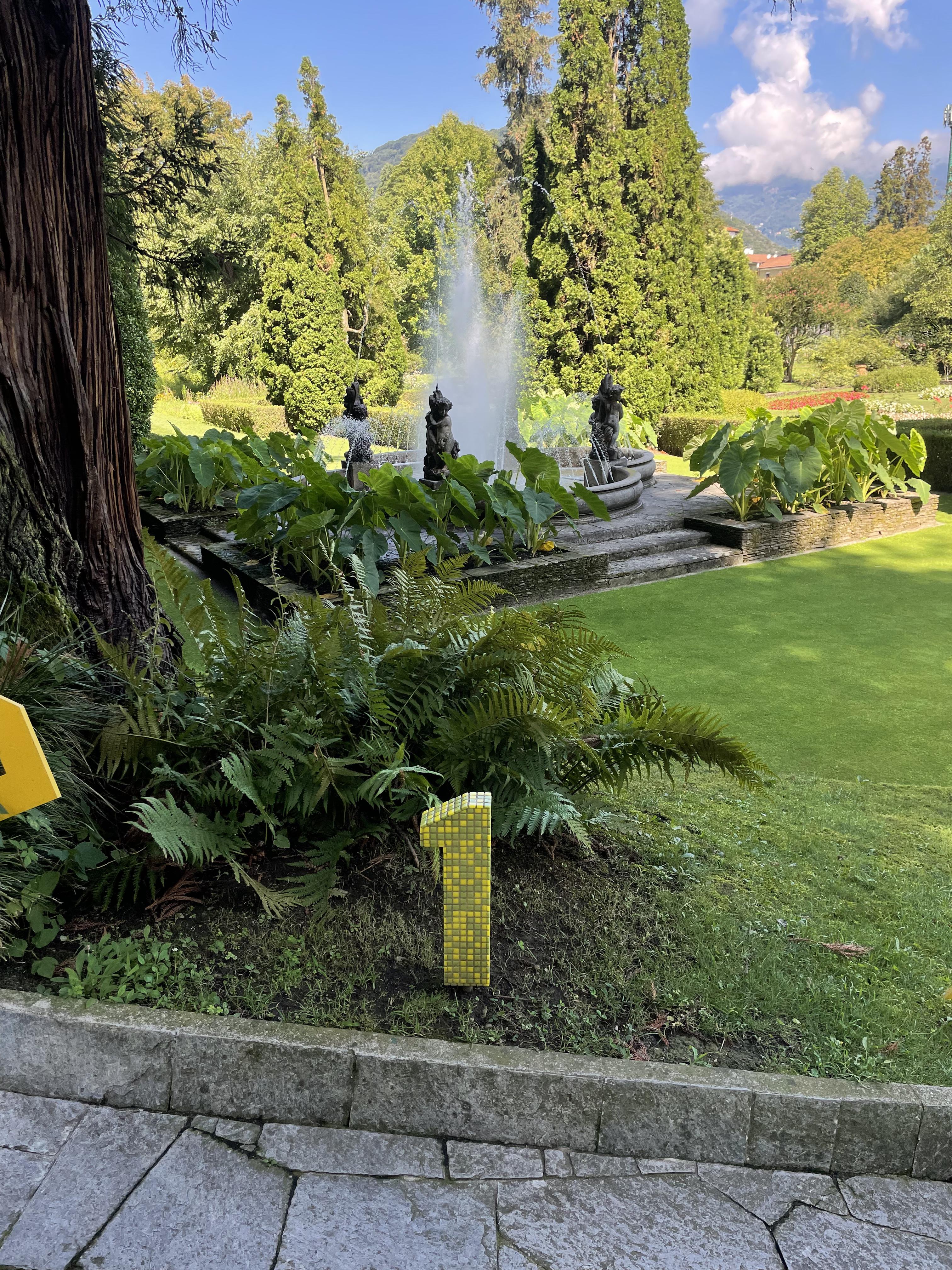


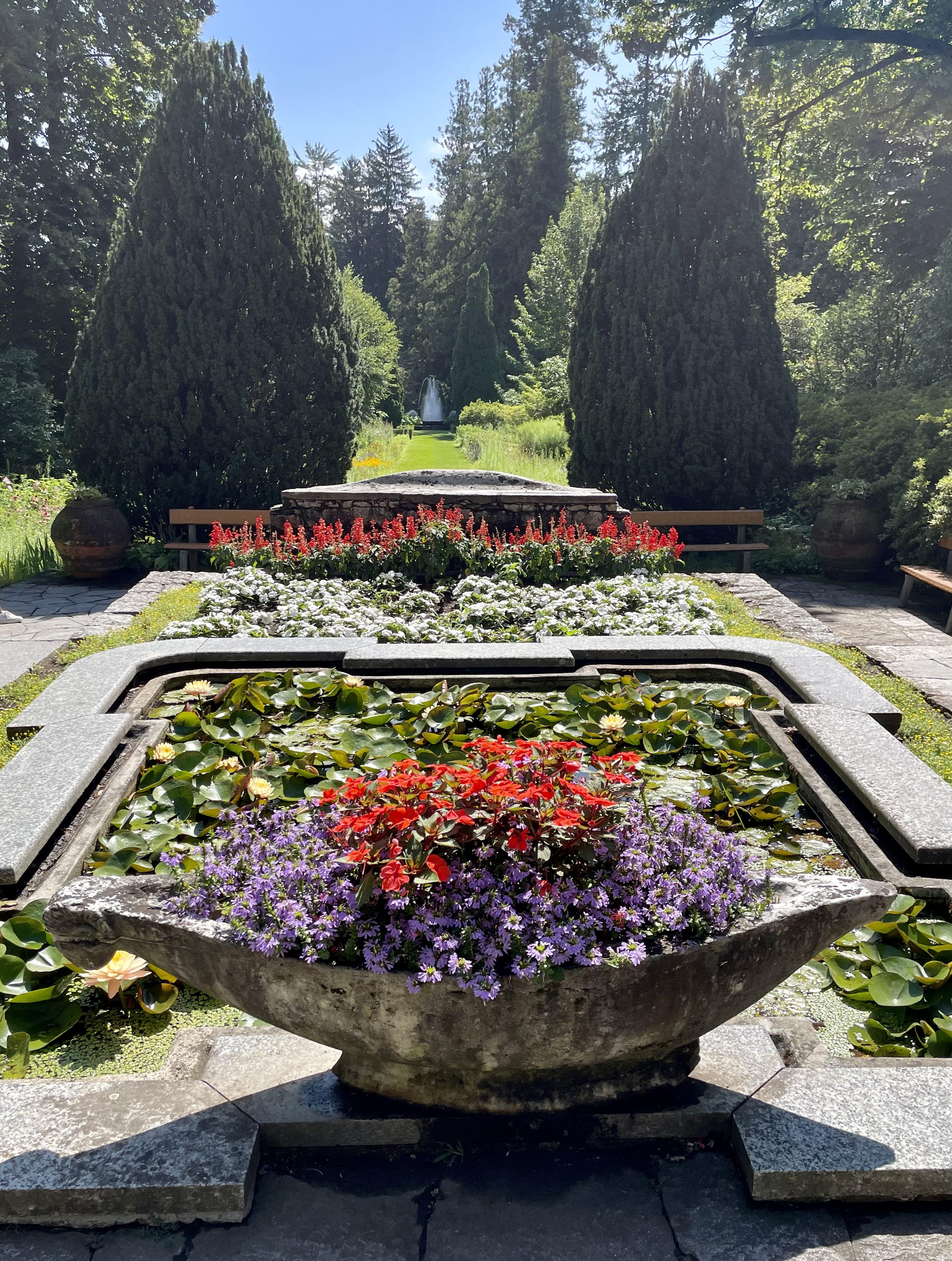

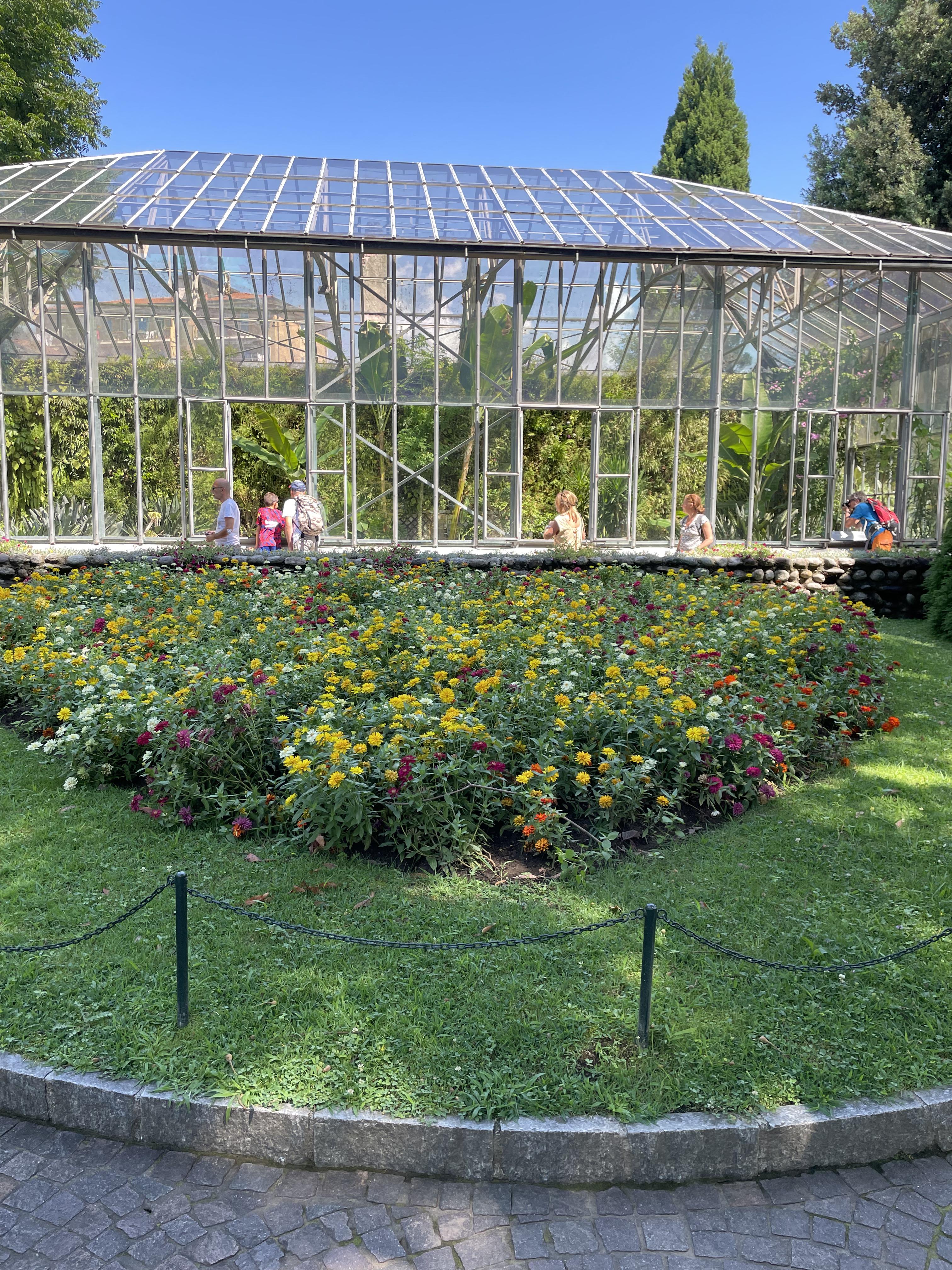
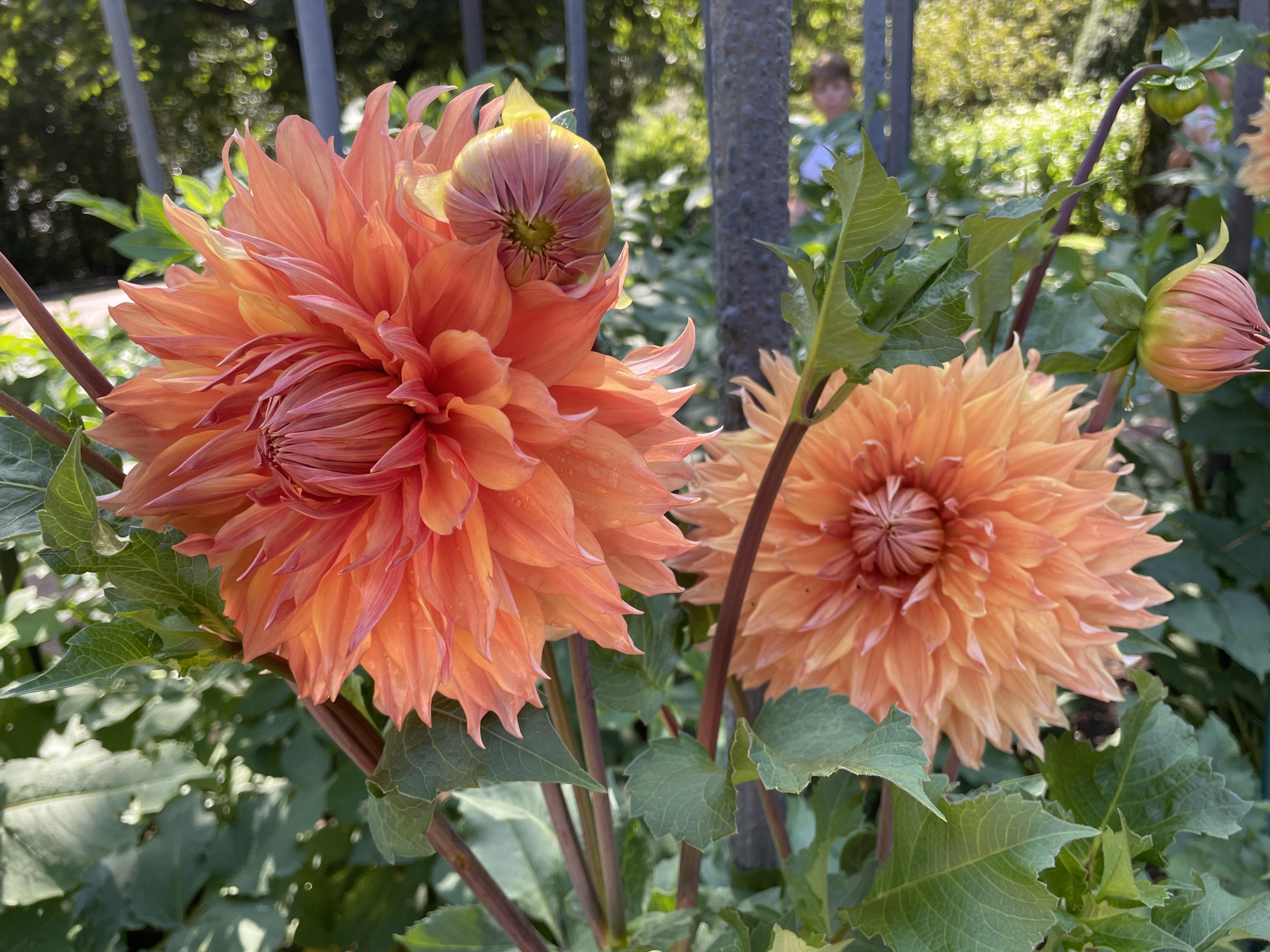

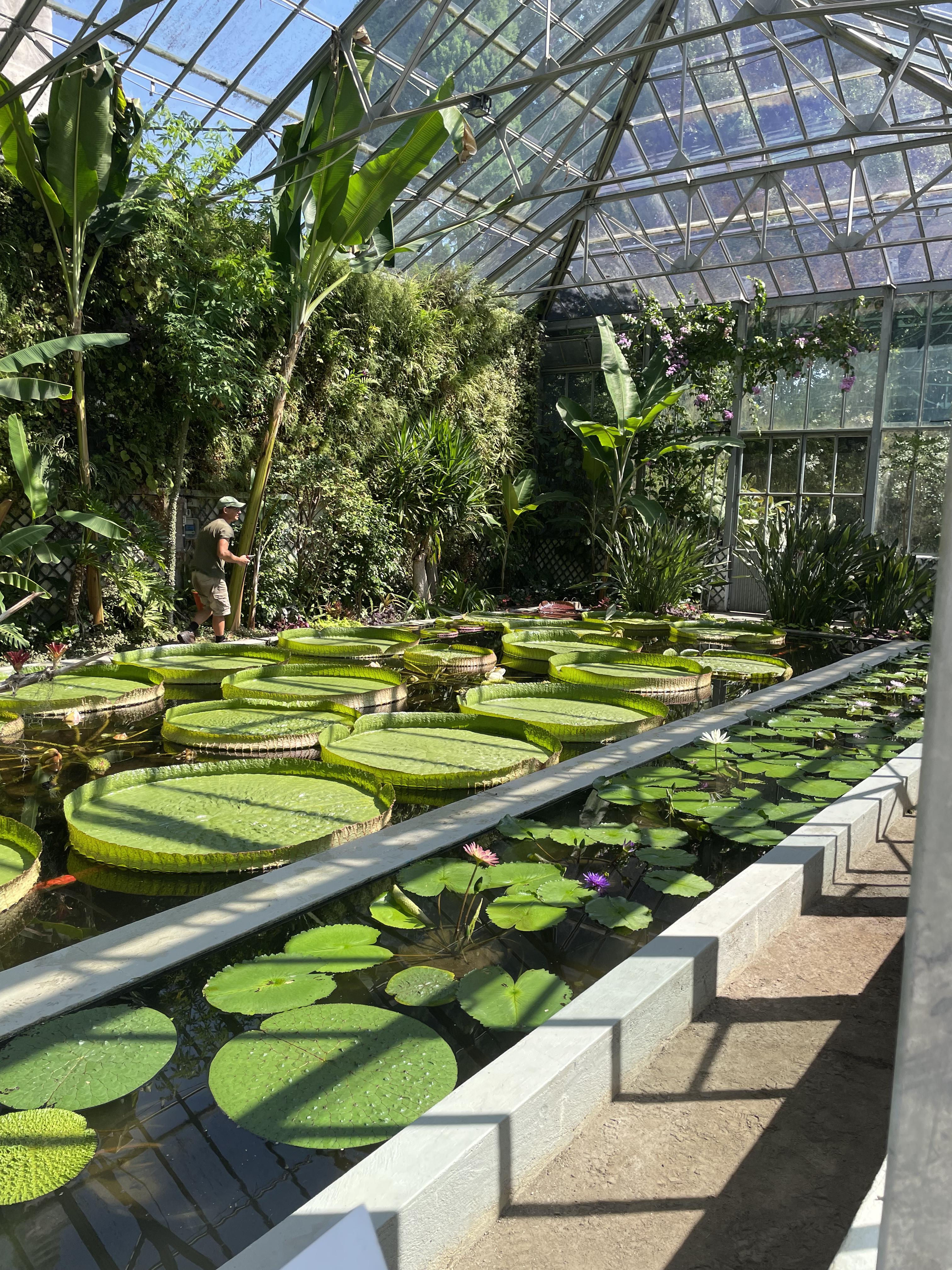
Today the botanical heritage of the Gardens of Villa Taranto is vast: it includes about 1,000 non-native plants and about 20,000 varieties and species of particular botanical value. Since 1952 the Gardens have been open to the public, from April to October, and the influx of visitors now exceeds 150,000 per year. The Villa is not open to the public, as it is used as the government seat of Verbano – Cusio – Ossola.
Food
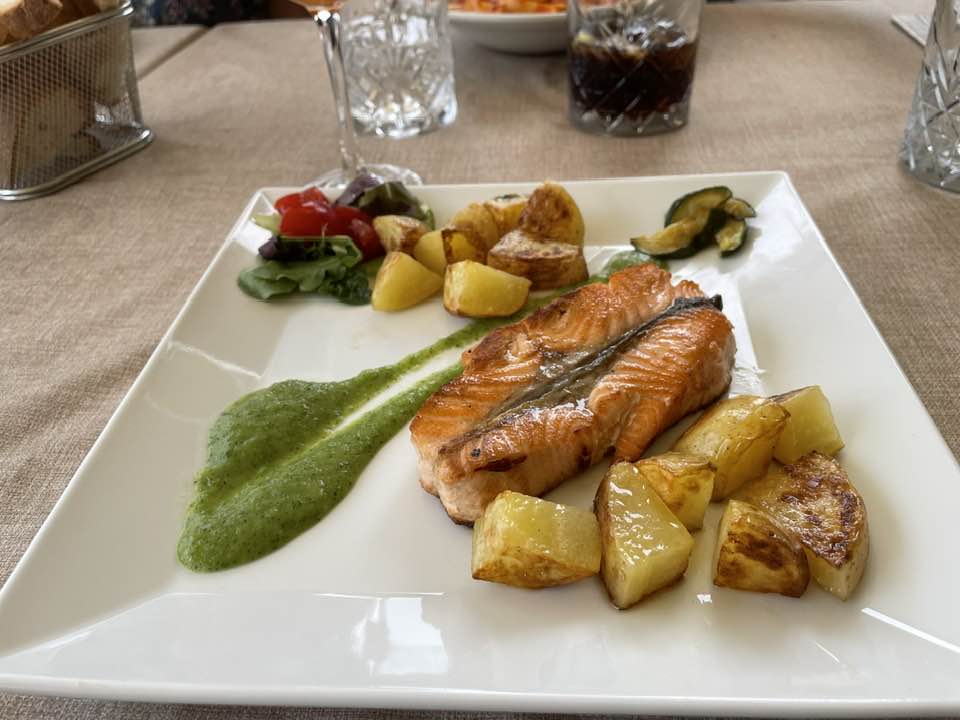
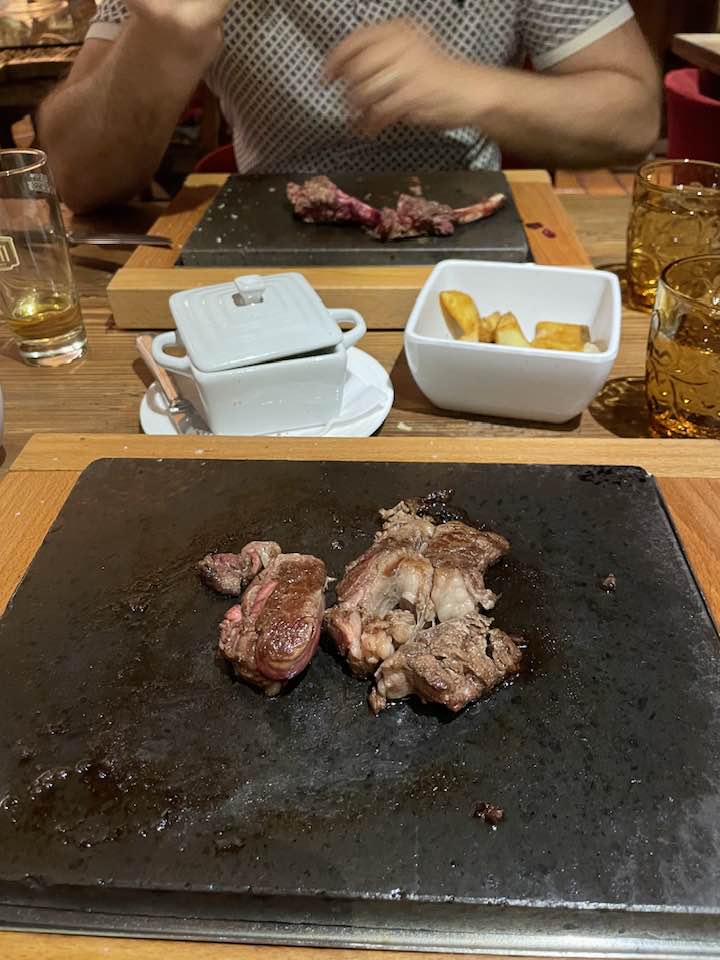
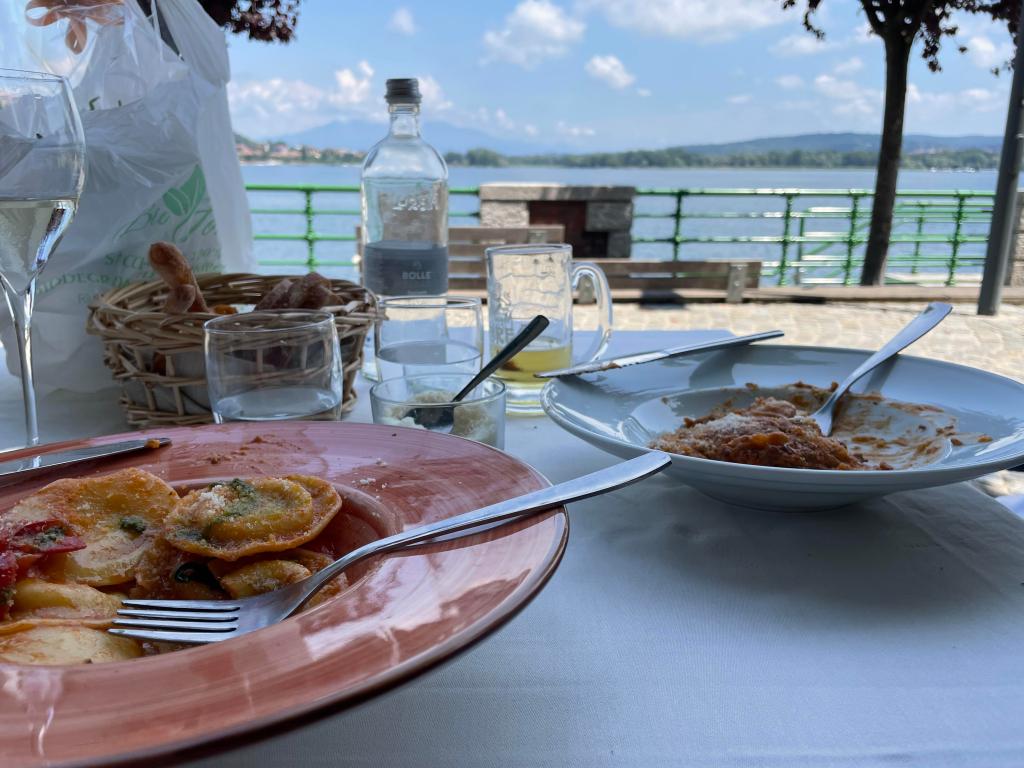
You can truly eat locally in Northern Italy, which is home to gnocchi, lasagna, world-famous cheeses — Gorgonzola, Fontina, Taleggio, Mascarpone, Parmigiano Reggiano, and Grana Padano — and innumerable varieties of risotto. The fertile ground offers all these delicacies, as well as fresh vegetables, fruits, award winning wines and beers. The alpine grasses provide milk, beef and pork for unique, delicious meals as well as a humble, tasty ham and fontina sandwich.
Like many Italians we usually had breakfast at the villa before heading out for the day. During the busy season, you’ll want to make lunch and dinner reservations to ensure you’ll get the best views at the popular restaurants. We enjoyed some of the best food we’ve ever had on vacation, plus most of the meals were reasonably priced.
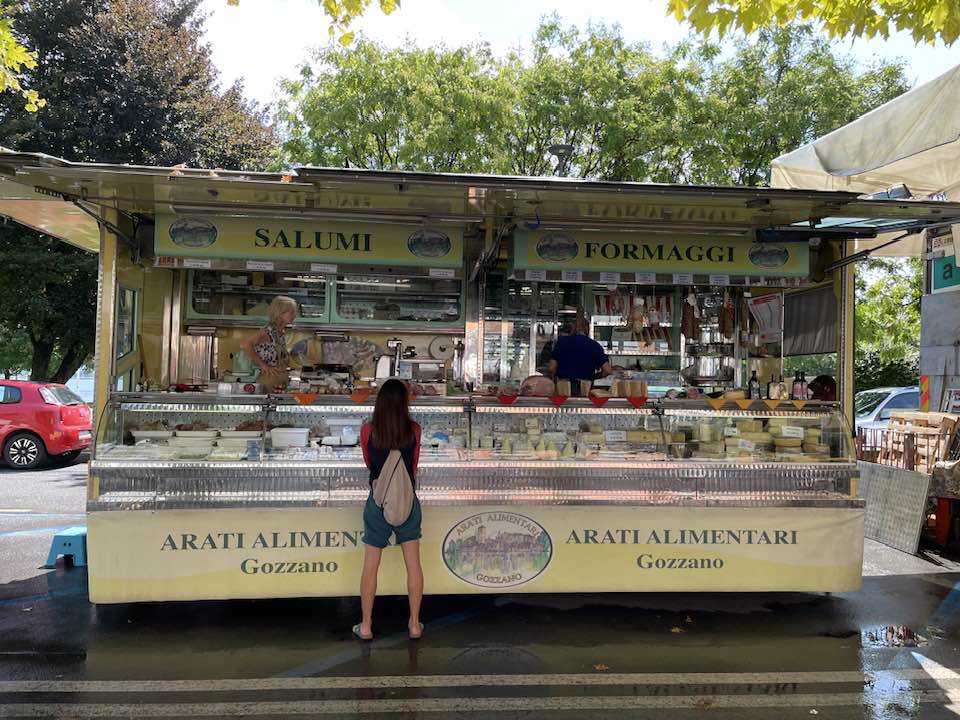
There were several grocery stores close to Baveno, which offered everything we needed for any meals at home or on the trails. Making a few of our meals at the villa saved us a bit of money. Most towns have local shops that sell cured meats, cheeses and freshly made pastries, like brioche (croissants), sweets or bread. Find these small shops for a delightful bite or two. If you need toiletries, small stores might not have a wide selection of skin and hair products, so you might need to visit a local family-owned pharmacy (Farmacia).
Trails
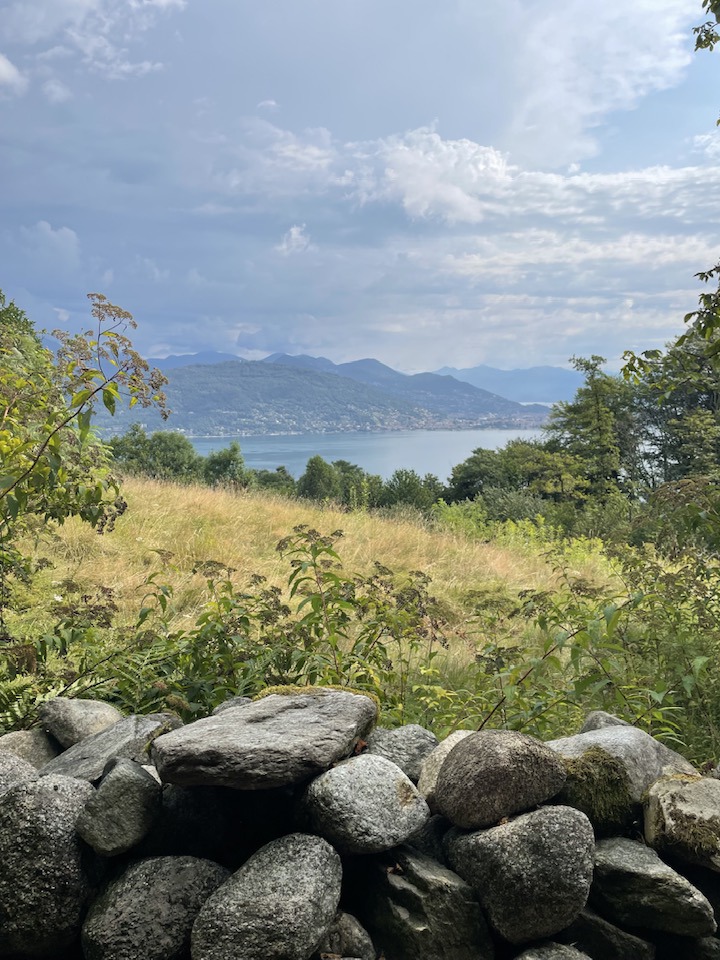
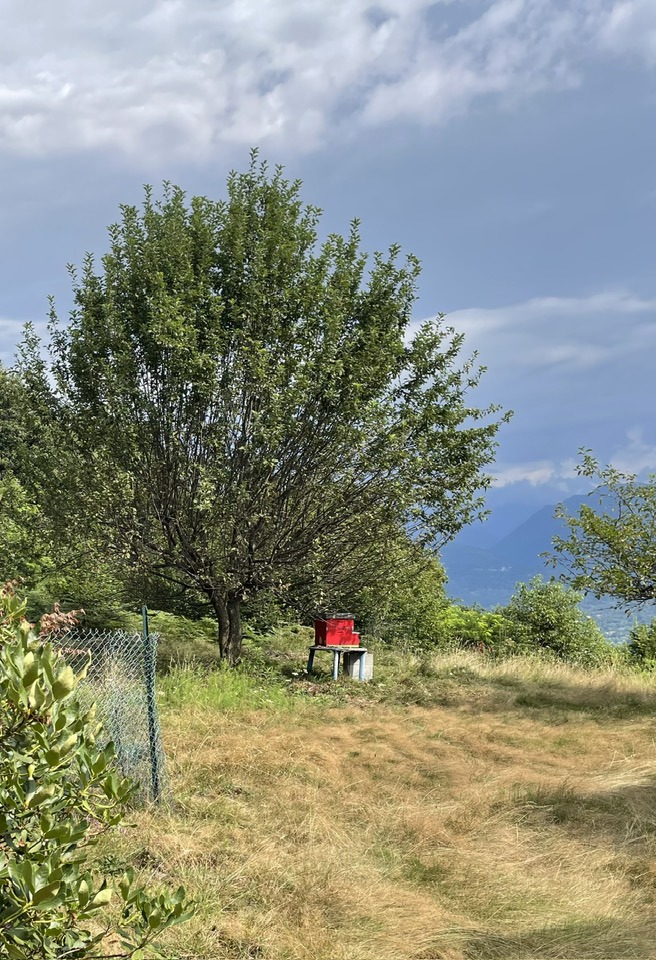
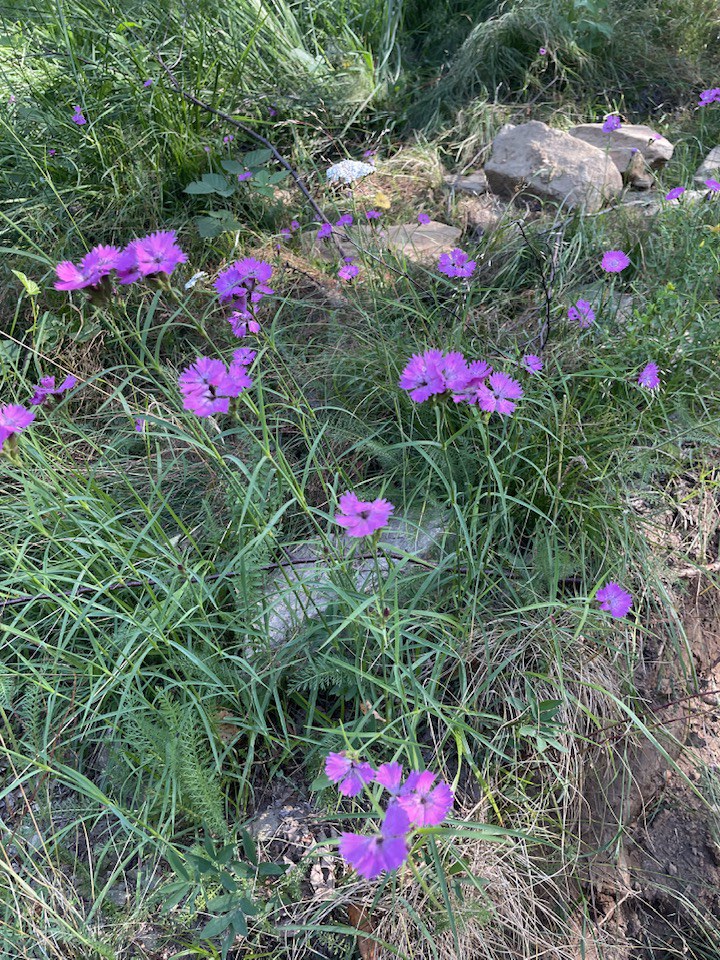
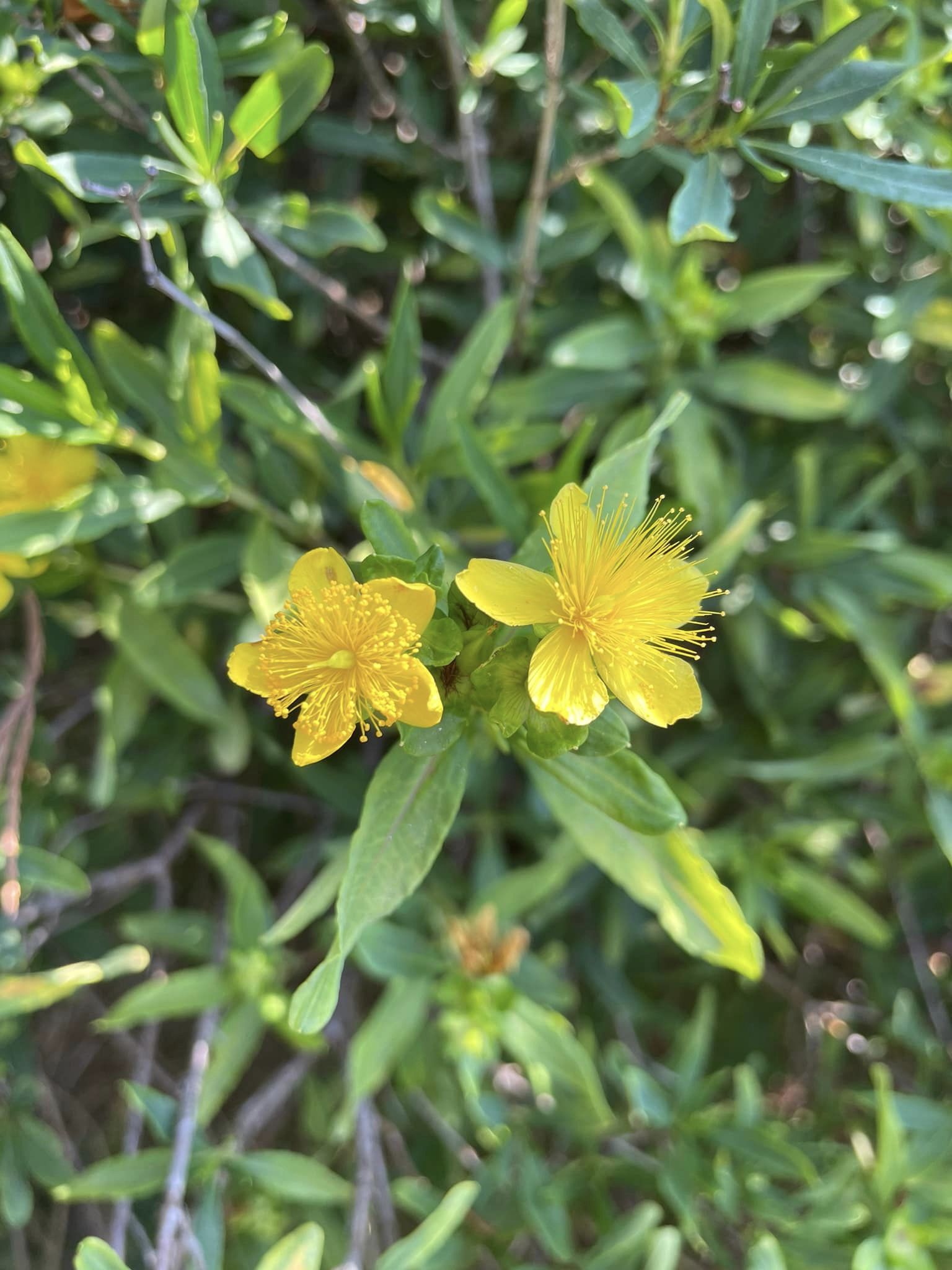
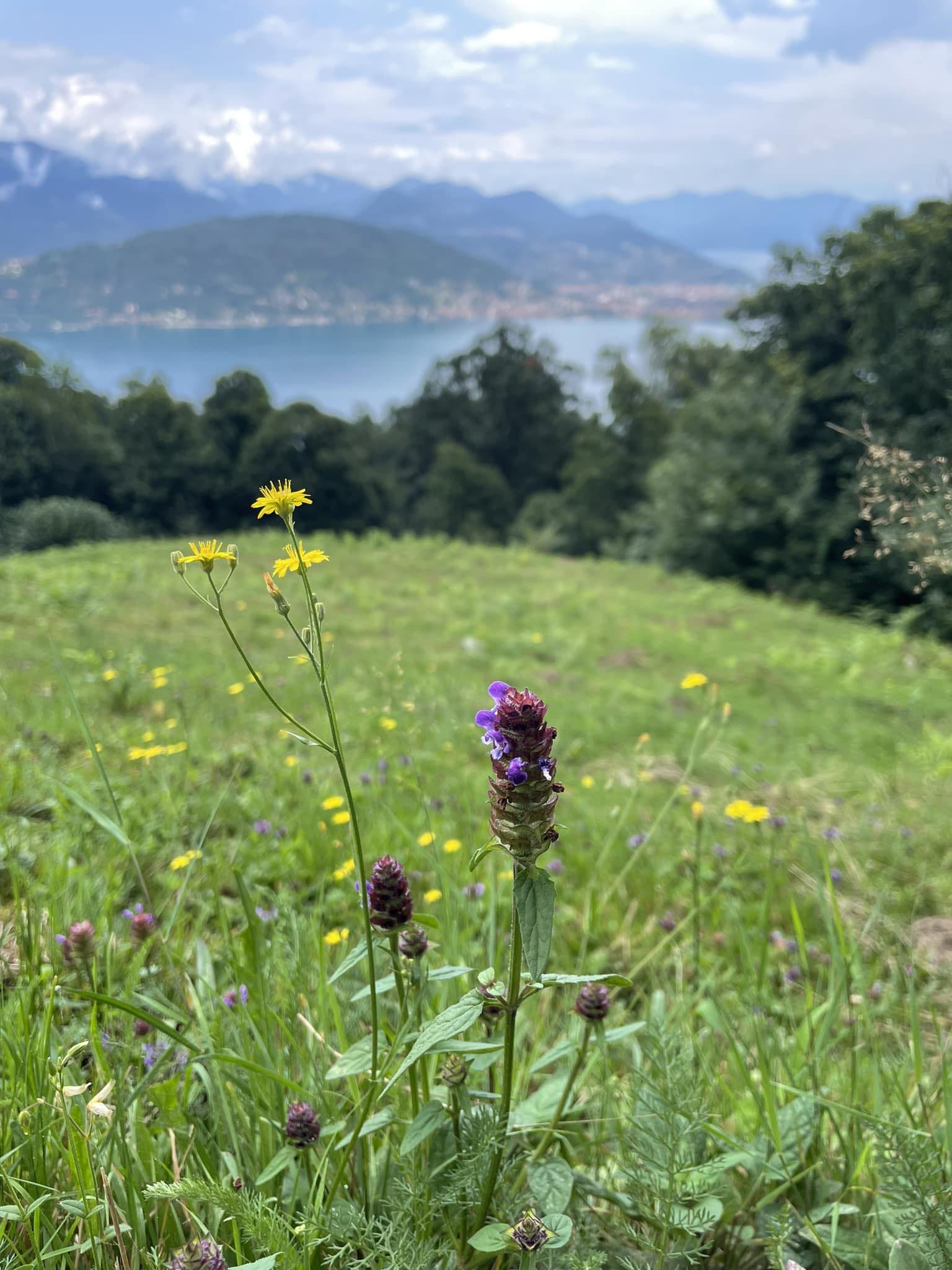
The town of Baveno sits on the shores of the lake then spreads up and out into the hills above the town. The cobbled-grassy trails provide the most direct and car-free route down to the waterfront or up the hillside. The locals created trails that gain elevation without a lot of switch backs, so straight up we went from the villa to explore the surrounding countryside. We heard a small herd of goats before we saw them being led by their owner. The walk offered views of old villas, gorgeous gardens filled with flowers, wildlife and stunning views of Lake Maggiore. Exploring the local trails, waterfronts, and towns are all free and get you moving!



My hubby, Jim and I truly enjoyed Northern Italy. I plan to share more about our trip, including our stay in Courmayeur in my next post. I provide lots of travel tips, as well as Home and Garden Design tips, so be sure check out the more than 70+ posts on my website. Subscribe below to get updates.
To learn more about this trip click on the post below:
Not sure what to pack, see my tips for your next trip to Italy below:

 Design, Garden, & Travel by Majestic Meadows
Leave a comment