
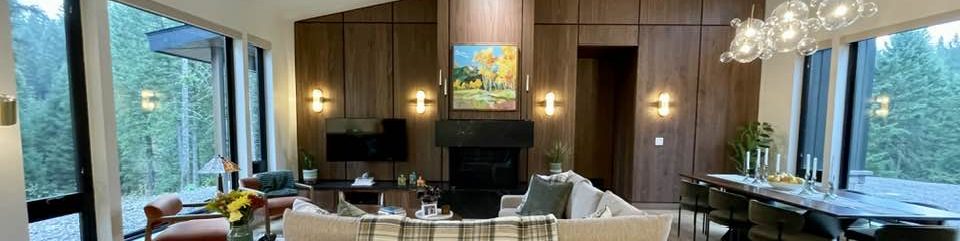

On my last post, I shared tips for finding the right build site and our process for choosing a residential contractor for our new home build in NW Montana. During our early February trip, we interviewed six local builders, including Design-Build firms. All the builders were generous with their time and provided helpful tips. After much consideration, we chose J Martin Builders to build our home. Here are some of the qualities that drew us to Jason and Paul at J Martin Builders:
- Over 20 years of local experience building homes with quality craftsmanship and thoughtful design.
- A tested and thorough process for the designing, budgeting, and successfully building each new project.
- Design-Build Firm provides one stop for our home build.
- Volunteer and support local trades through the Flathead Builders Association involvement.
- Flexible contract terms, including low deposit ($2500) for design and budgeting phase. Open books. Fixed price on structure (50%), which lowers our risk, as well as transparency on allowance items.
- Visited home project they are building that is similar price point to our project, which showed a clean build site and quality of construction.
- Overall positive engagement, including helpful information, calm demeanor and excitement about project.
https://www.jmartinbuilders.com
You can learn more about finding the right build site below:
Design & Planning Phase
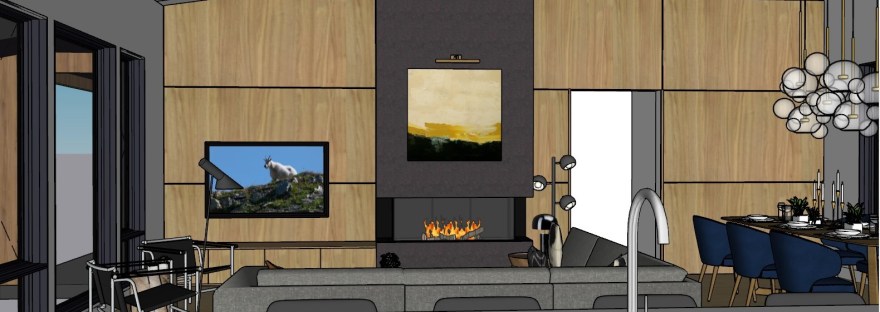
The first step in any new build is dedicated to understanding the project, your functional needs and aesthetic preferences, researching information that’s relevant to the project, and considering ideas to include in the build. This is considered the pre-design stage, where project requirements and constraints, such as, timeline, budget, etc. are used to develop an initial design plan. In our situation, we provided the builder with our Build Goals document, which outlined the project, its characteristics and our objectives. We designed our home using SketchUp, but you may decide to use an architect or draftsman to create your home design plans. If you do hire one of these folks, please make sure you have a trusted builder by your side. A contractor is another set of eyes and will help ensure any plans created are within your budget.
Here is some information that is important to research about a project:
- Project scope
- Client’s desires
- Scale
- Building use
- Surrounding buildings
- Neighborhood
- Site conditions
- Building codes
- Zoning laws
A thorough analysis of the site will supply relevant information such as the site’s limitations and benefits. For example, our site is on a raised part of our property, which offers great mountain views and terrific sun exposure. The raised site also allows for good drainage, but we will need to do some excavation. Our excavator will top off and level the site, which will create a bigger build site giving us plenty of room for the driveway and adjacent flat yard space.
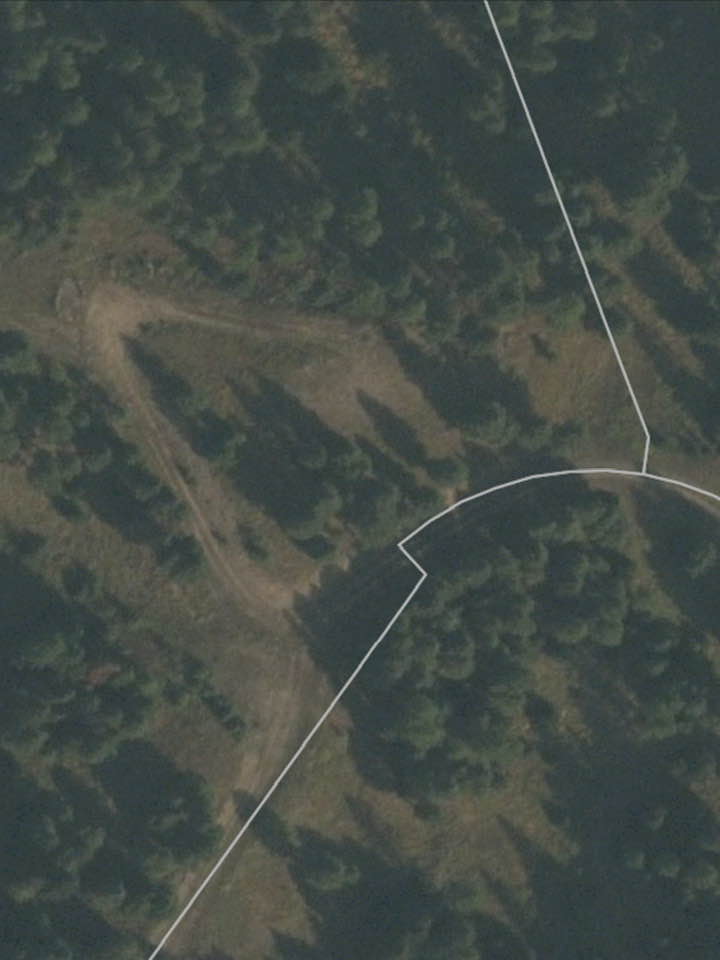
Jim and I have spent six years dreaming and designing a new home for our property, which is partially shown in the above photo. We used the rendering tool SketchUp to create over five different 3D models, each time adding something to make it better or changing something that doesn’t work. Jim has also provided a SketchUp Layout model, which provides all project dimensions. This multi-year creative endeavor allowed us to create a home that will function, look and feel exactly how we envision it. We put all this information, including SketchUp renderings into a Build Goal document, which provides detailed information about our build. I’ve included our Build Document below:
Building Permit Phase
We’ve given our home design to the builder, whose architect will create plans, including any modifications needed by us or our builder. By providing complete, accurate 3D renderings, Layout with measurements, as well as the Build Document our builder can provide accurate pricing and we’ll have fewer change orders. During the schematic design phase, site plans, floor plans and building elevations will be created, as well as structural, mechanical, electrical, plumbing, and HVAC systems.
At the end of the design development phase, the building’s exterior, layout, and dimensions are all completed. Additionally, most of the materials will already have been chosen with the exception of a few final minor changes to the building’s design. Two or more sets of drawings are required at this point, which are for the permits, construction and the HOAs. Our builder will also need to send general building schematics, including building property setbacks, exterior finishes, etc. to our homeowner’s association for approval. Our HOA will receive a copy, which follows any HOA requirements and should be approved without issue. If you’re still looking for property, you’ll want to follow my tips in the Mountain Modern New Build post, as well as check the HOA’s CCRs for minimum, maximum build sizes, as well as other possible restrictions before buying land.

Our property is outside city limits, so we are governed by few permit requirements, which include septic, electrical, etc. Montana requires relatively few permits compared to South Florida or other parts of the country. Less permits can mean fewer delays and lower costs, but you’ll also want to make sure that your builder follows the building codes outlined by the International Code Council. The permit process (Septic, Electrical, Propane, etc.) can take a while, so we are happy to have a builder who will complete and submit this information quickly and accurately on our behalf.
Once the permits are submitted, the city or county reviews it for structural integrity and adherence to local zoning laws and building codes. This is necessary to safeguard property owners, architects, and builders from dangerous or costly mistakes in construction. Additionally, the project’s construction cannot legally begin without securing the permits first.
Bidding and Negotiation Phase
At this point, we have made all our build selections, have completed plans and an estimated cost to build our home from J Martin Builders. We have spent $2,500 to reach this point and can move forward with our builder or submit the completed plans to other builders. Although we are not architects, we spent hundreds of hours designing a home that works for us. Using our SketchUp floorplan in partnership with J Martin Builders verses an architect will save us as much as $90,000.
During this phase, our builder is doing preliminary work on our future septic system, as well as getting the existing well tested. The approved septic site and well are a few hundred feet from our build site, so we’ll need to determine if it will be more cost effective to move them closer to our future home. We expect this phase of the build will take 60 – 90 days, which will give us an opportunity to work with our builder without committing a lot of time or money. We expect to stay with J Martin, but it’s nice to know if things are do not go well, we can take our plans and move forward with another builder.
If you decide to get several bids, you’ll send your plans to your chosen contractors, who can take 60-90 days to develop a bid to present to you. Remember to consider cost, quality of prior projects, qualifications, and experience when choosing your contractor. In a future post, I’ll share an update on our build, including contract documents, hiring a 3rd party inspector, and the benefits of using an interior designer.
If you found this post helpful, please like, share and subscribe below.

 Design, Garden, & Travel by Majestic Meadows
Leave a comment