
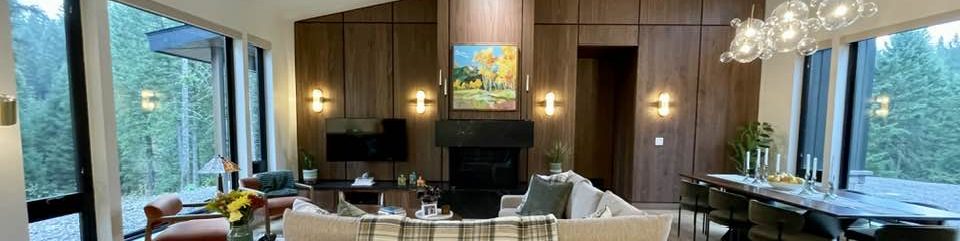

Our new build in NW Montana will be completed in a few months, so I’ve started seriously shopping for furniture for the new house. We’re leaving a lot of our current furniture in our sold beach house, so we’ve got to find replacements for major pieces such as, a sectional, beds, and decor elements like rugs and artwork. Some of these items will be vintage and some will be new pieces. I’ve learned a lot about quality furniture over the years and made mistakes that wasted time and money. In today’s post, I’ll share tips for finding and buying quality furniture, both new and vintage so you can avoid costly mistakes.
Buy it for Life
Doesn’t it sound lovely to find something you love that lasts a lifetime? The “Buy It for Life” movement (BIFL) emphasizes purchasing high-quality, durable products instead of cheaper products that wear out quickly and break easily or become outdated due to changing style preferences. It’s the antithesis of fast fashion, and in home design, it means choosing functional and decorative items built to endure physically and aesthetically. “When we think ‘buy it for life,’ we’re focused on pieces that have enough stylistic and material longevity that they will withstand multiple iterations of your home and lifestyle,” says Mallory Robins and Elizabeth Bennett, founders of Kobel + Co.
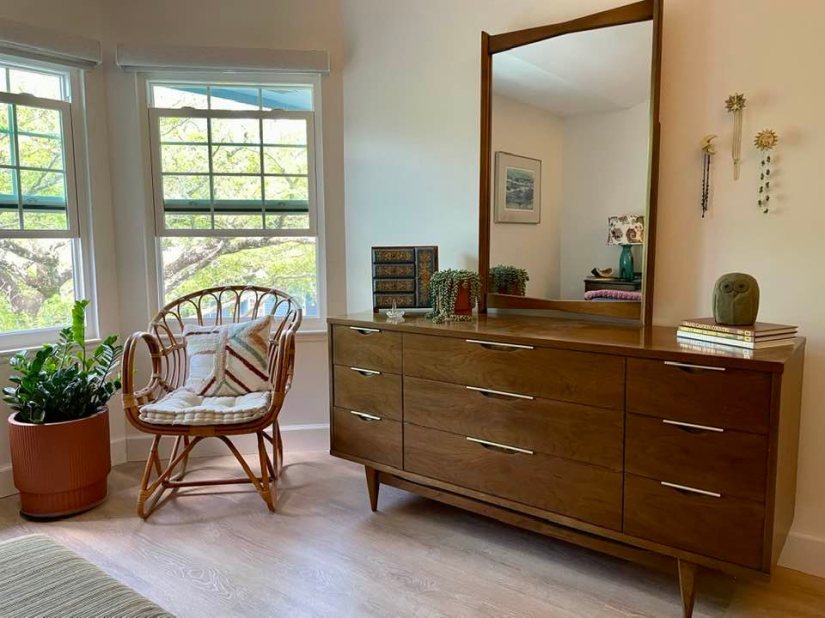
At the core, it’s about quality over quantity and pushing consumers away from fast fashion, overconsumption, and cheap, disposable products. In the home, it embraces ideas like slow decorating, and opposes filling walls, shelves, and empty spaces with stuff. As mentioned earlier, I’ve bought some beautiful, well-made pieces, like the bedroom dressers we’ve had for several years now. We’ve also purchased inexpensive pieces that were not as advertised or had damage that we could not repair without a professional’s help.
Benefits of Buying for Life
“Cost-wise, buying a piece of furniture repeatedly is more expensive than spending the money once up front,” says Jarret Yoshida, interior designer and founder of Jarret Yoshida, Inc. The aesthetic factor is also simple: higher quality goods look better. Plus, pieces purchased with longevity in mind avoid trends and are more easily incorporated into many homes and styles, preventing the need to refresh a space that looks dated. This upfront investment saves money in the long run, and you’ll still be able to add trendy pieces you love with less expensive items like, pillows and decor.
Find the Good Stuff
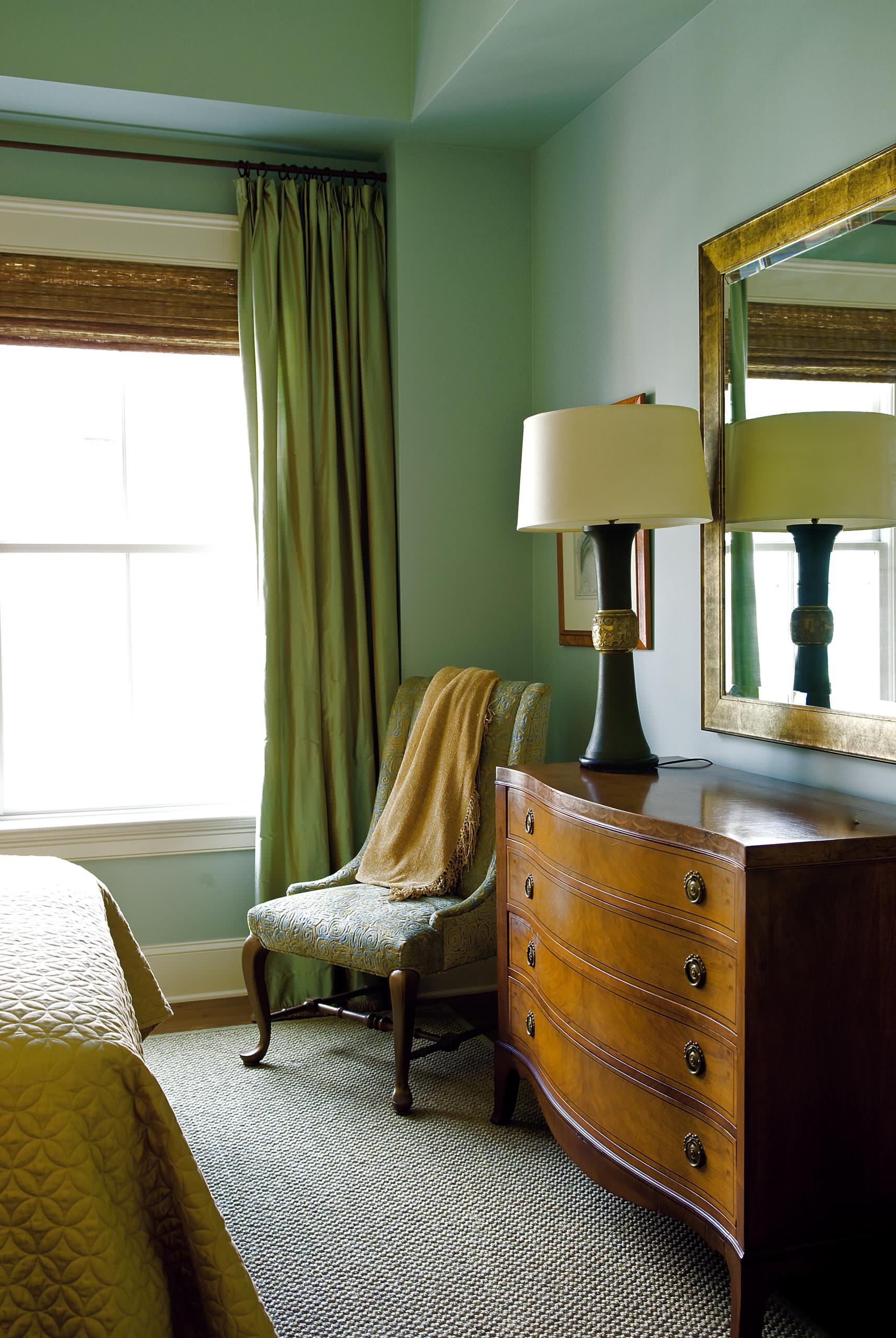
My husband and I love natural materials, so for our new house we are looking for solid wood furniture verses pieces made with wood veneer. You will always be able to refinish a solid piece of furniture, which means it will last for generations. Veneer can be beautiful, but that look can be ruined by cracking and chipping in the veneer. Veneer can be repaired but it takes a skilled veneer expert to match the wood grain and stain color.
The highest-quality material for wood furniture is solid wood. This type of furniture will be made from single pieces of wood or wood boards that are glued together to make panels — trees are only so wide, after all. If something is described as being made with solid wood, find out if that describes the entire piece or just certain parts.
Solid wood can be categorized as either hardwood or softwood. Hardwood comes from slower-growing trees, and the wood is denser and more resistant to dings. Common hardwoods include oak, ash, walnut, cherry and maple. Softwood comes from faster-growing trees and the wood is less dense. Some common softwoods are pine, fir and poplar. Since these trees grow faster, furniture made using their wood tends to be less expensive than pieces made from hardwood.
Domestic wood comes from trees that are grown and processed in the United States. Common domestic wood species include oak, maple, cherry, walnut, ash, poplar and pine. A quick note about how wood is described: The species can describe either the material or the stain color. So something described as walnut might be stained that color but actually be made from pine. This isn’t necessarily bad — just make sure you know what you’re getting. You shouldn’t be paying walnut prices for a piece of furniture made from less-expensive wood.
A lot of imported furniture is made from soft wood, tropical species such as rubberwood (sometimes known as plantation hardwood), mango, acacia or sheesham (a type of rosewood). These species can produce a sturdy piece of furniture, but they may be susceptible to cracking if they’re coming from a humid environment to a drier one.
The post below provides some great tips:
New Furniture
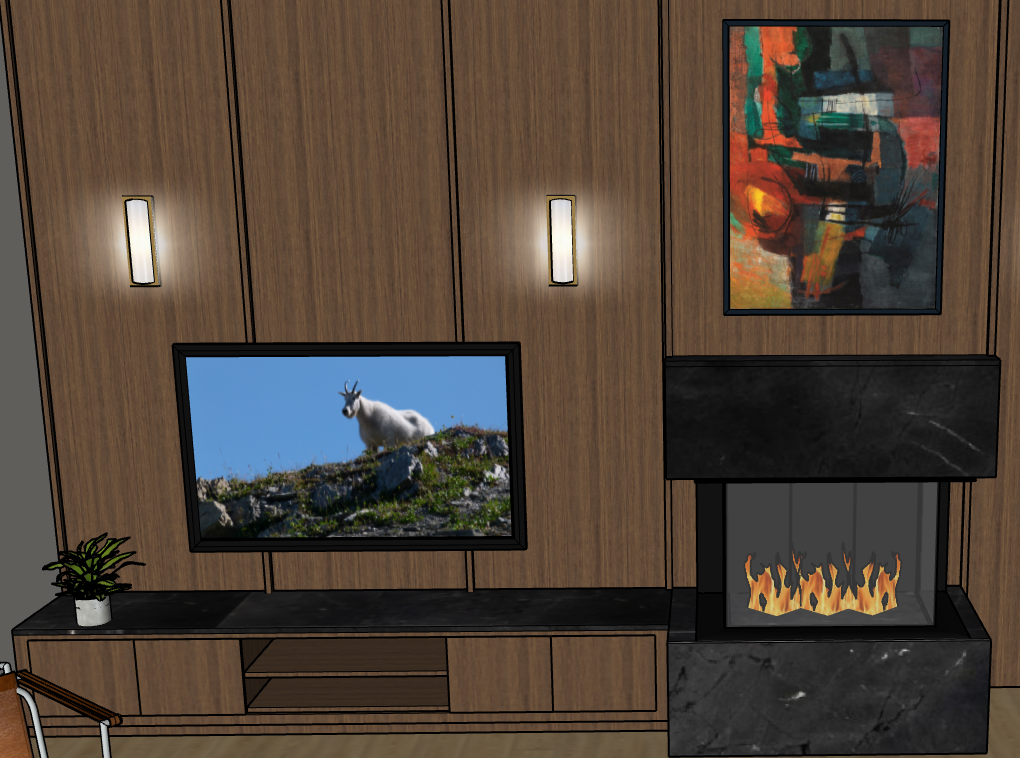
We will be purchasing a new sectional for our living room. The style, quality, fabric and other customizable features of the Sloan corner sectional is perfect for us. The price is on the high side, but reasonable for the product quality and choices. This sectional strikes an ideal balance between sleek and soft. Take, for instance, the crisp lines of its track arm, which are offset by a subtle taper near the back. Its design reflects a modern influence yet is approachable and livable. Sloan’s sit profile only adds to the universal appeal. With a medium height and depth, it’s a sectional sofa that suits a range of body types. The layered cushion is soft, yet supportive, and can be upgraded for an extra-soft sit.

We are flying into Seattle for our next trip, just so we can go into the Interior Define showroom to see and sit on their furniture. I also want to see and feel larger samples of their fabric selections. I love the style of the Sloan sectional, and I appreciate the ability to customize it. Here are the customizable options:
- Fabric – There are over 100 different fabrics available for your purchase. We ordered free samples to help us find the perfect fabric. Ordering samples helps you understand the type of fabric, color, feel, as well as cleaning and durability of the fabric.
- Legs – We’ll be going with the oiled walnut, but you could also choose oak, metal, painted, or brass-plated. Legs are also available in various shapes.
- Depth – We prefer a standard 36″ depth, but they also offer a 40″ deep option.
- Size – This sectional comes in eight sizes from the smallest at 93″ to the largest at 121″.
- Cushions and Fill – We’re choosing seat cushions verses a bench cushion because it is easier to rotate the cushions. We’re also upgrading to a down alternative filling, which is a level, reversible cushion with a soft and supportive sit. I’m not a big fan of seating that has needs to be fluffed all the time, so this is a perfect option for us.
Interior Define’s custom pieces are built by hand using the best possible materials and to exacting standards. The frames on the sofas and chairs are made with kiln-dried, solid wood that provide for exceptionally sturdy, long-lasting furniture pieces. The kiln-drying process prevents frame warping and mildew in humid climates. Carb 2 compliant engineered wood is used to further reinforce the hardwood frame on the sides and back of our pieces. This durable material is comprised of layers of laminated hardwood. The frames are joined with corner blocks, heavy-duty staples and industrial-strength craftsman’s glue. All frames are backed by their 10-year limited frame warranty, applicable to the original owner and original delivery address only.
The seating of the frame, where the seat cushions rest is constructed with sinuous steel springs that are securely fastened and provide long-lasting support and comfort. The back of the frame, where the back cushions rest is constructed with synthetic webbing that provides soft and supportive comfort.
Interior Define’s seat cushions are constructed with high-quality, high-resiliency foam. On some of their designs, the high-resiliency foam is wrapped in fiber and placed in a channeled casing with a blend of down and feathers. Over time, all foam and filling will soften and conform based on usage. Down blend cushions will become softer and will puddle. This is normal and not a defect in construction. The cushions are compliant with the TB-117-2013 flammability standard for upholstered furniture and are free of all flame-retardant chemicals. Cushions pass California Prop 65 for lead, cadmium, and phthalates. They do not use formaldehyde in the production of the foam either. In other words, the cushions are free from harmful chemicals.
Cushion Care
Rotating cushions regularly will ensure even wear and prolong the life of your sofa. If the cushions are reversible, you should also flip the cushions along with changing their location. Cushion rotation keeps the casing positioned properly on the cushion core. It also evens out the impact of frictional wear and sun exposure on the fabric. Fluffing cushions regularly will help to restore their shape. It is recommended to rotate, flip, and fluff loose cushions weekly or biweekly, depending on the amount of use the piece receives.
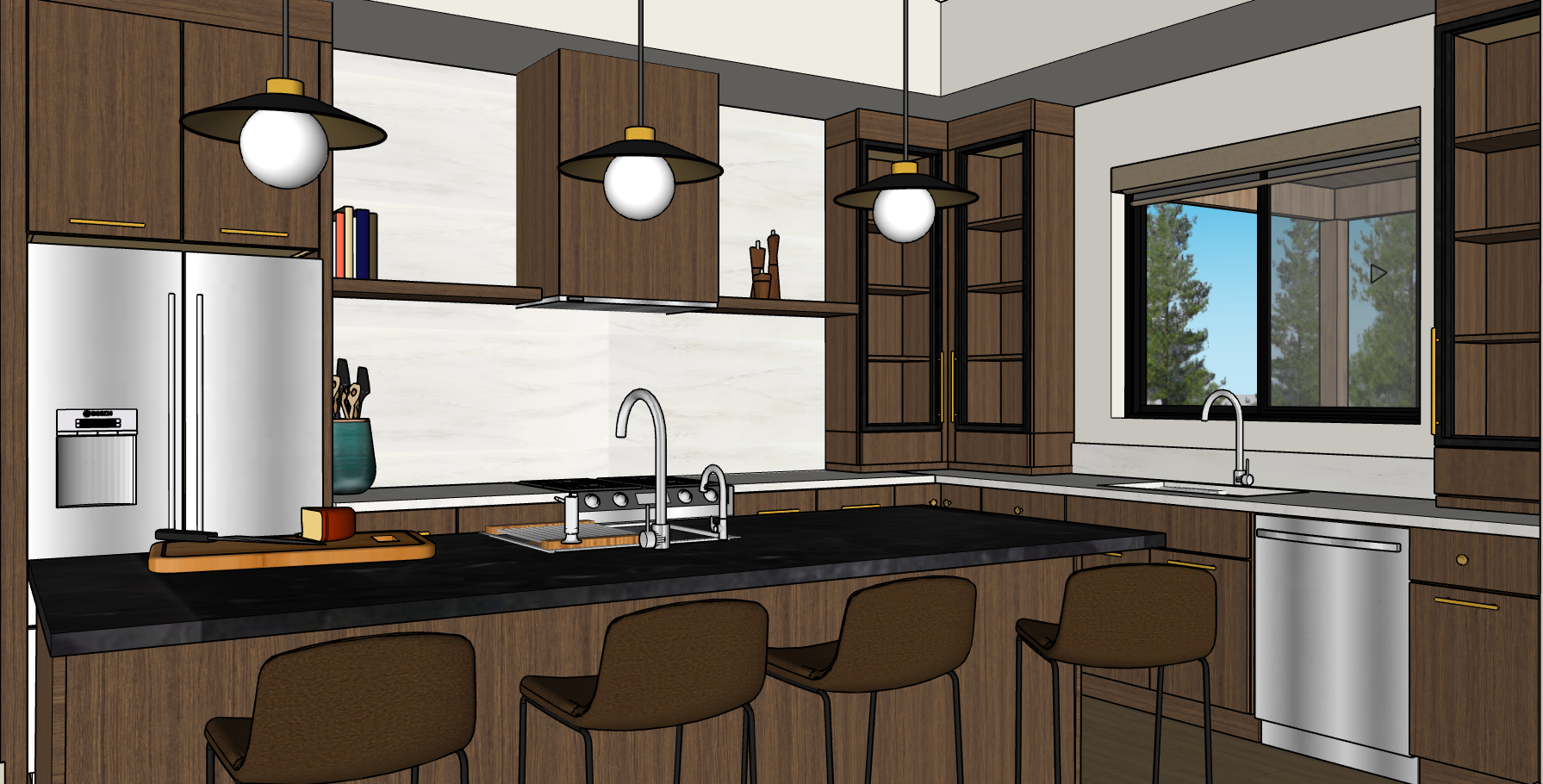
We will definitely have color in our space, but will stick to neutrals for large investment pieces, like our sectional. Sticking with neutral colors will allow you to keep a good quality piece of furniture for a lifetime. The walnut legs will tie in nicely to our walnut kitchen cabinets and feature wall in the living room.
Dining Room
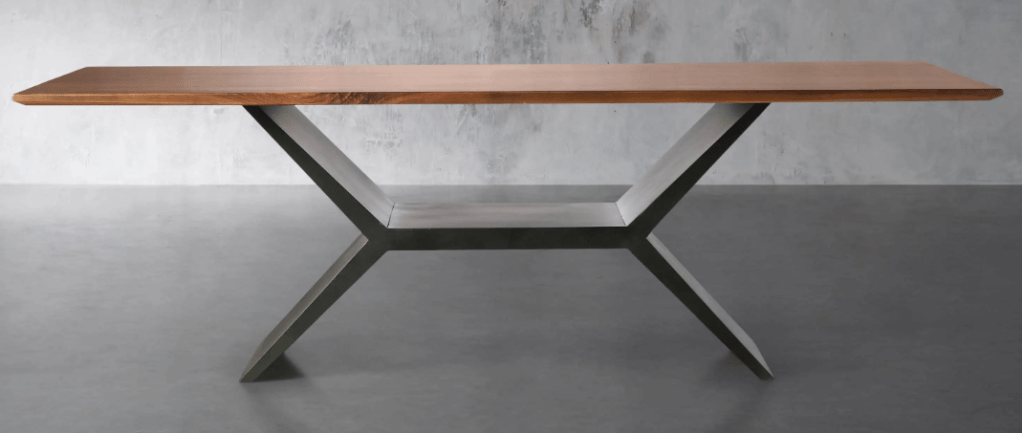
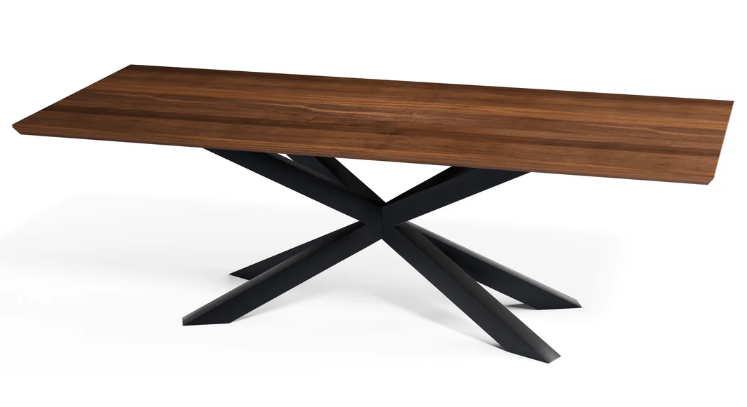
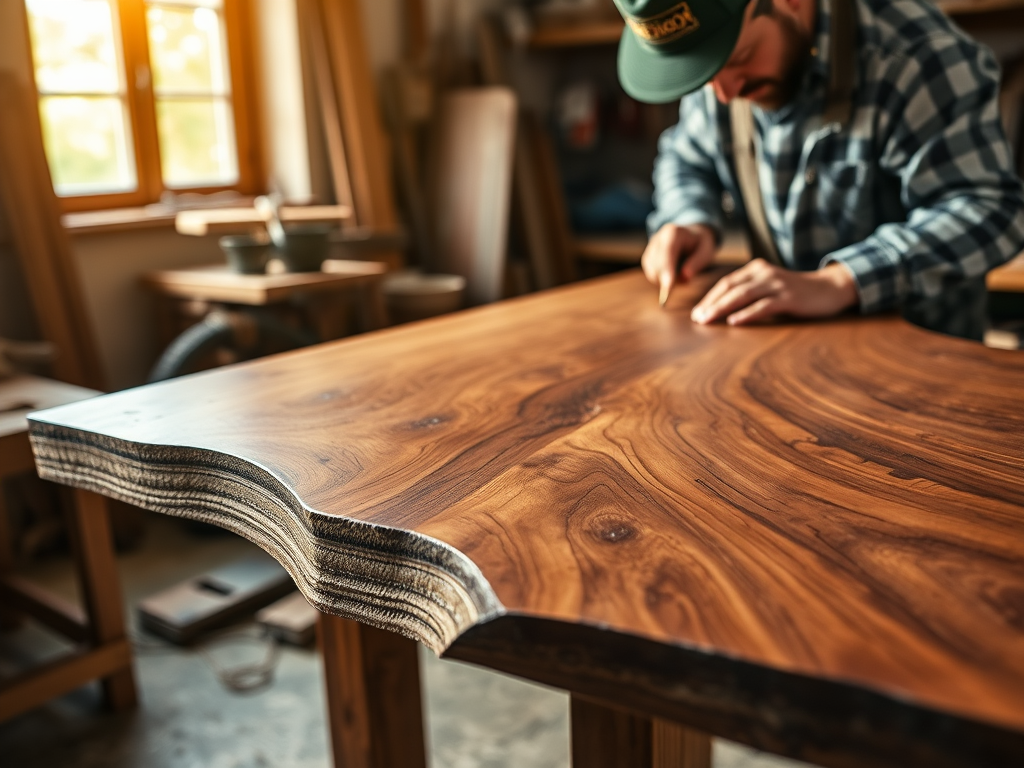
In addition, we are looking for a walnut dining room table and chairs for our adjacent dining room. We both really like the Sarizza 95″ x 40″ rectangular walnut table with the Loxo black metal base. The top is sourced and made in Highpoint, NC and the base comes from Italy. The tabletop is solid walnut, which will look fantastic with the other walnut elements in the house. The price sounds like a steal, until you see the additional $1,099 “White Glove” shipping fee. Even with the high shipping costs, it is one of the nicer tables we’ve seen so far. I’ve ordered a walnut sample from Sarizza and expect it to come in today. Another option in the same price range is the Jacob from Arhaus Furniture, which also has a solid walnut top and a black metal base.
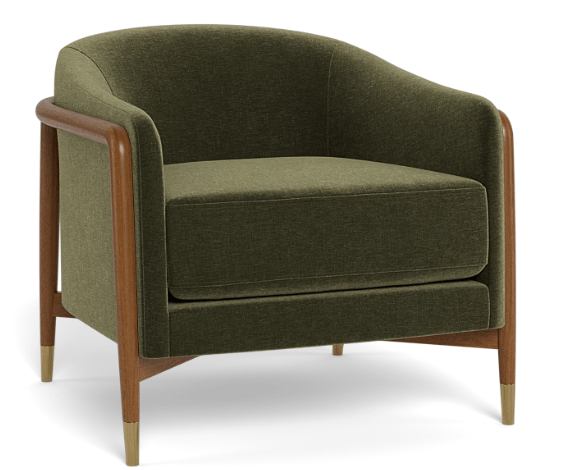
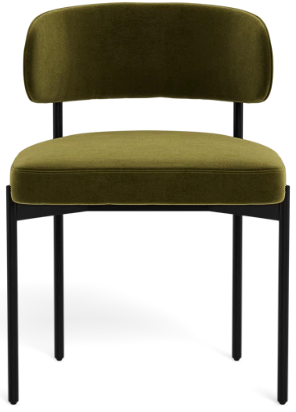
We are looking at Interior Define and Arhaus for dining room chairs. However, we really like the style and quality of the Hollis chair from Interior Define. I’d like to add a pop of green in this space and Interior Define has several “green” options to choose from in their fabric selections. I’ve ordered several fabric samples in the color green, so once we get those, we’ll be able to narrow down our selection. The black metal legs will look great with the black metal table base. Plus, using metal instead of wood saves us a little bit of money.
Vintage and Antique
Most communities have secondhand shops where you can find vintage furniture and decor. You can also find shops online via social media apps like, Instagram and Facebook. Don’t forget to look on Etsy and eBay, but those can be risky, if you can’t see the piece before it is shipped. Vintage pieces should be less than 100 years old, whereas Antique pieces are over 100 years old. Depending on the quality, and maker’s mark, these pieces could be affordable or priceless.
Here are some simple tips when shopping for vintage furniture:
- Ensure it is in good, usable condition.
- Bring a tape measure to ensure it will fit your space.
- Consider a piece with old or ugly, but not soiled upholstery that can be reupholstered or slipcovered.
- Get a piece with minor cosmetic issues that are easy to fix.
- Buy timeless or one-of-a-kind pieces that you’ll own forever.
Unless you’re lucky, you’ll have to pay more for quality furniture. Vintage shops and antique stores can have both affordable and pricey pieces. What you don’t want to do is pay high prices for a lower quality piece of furniture.
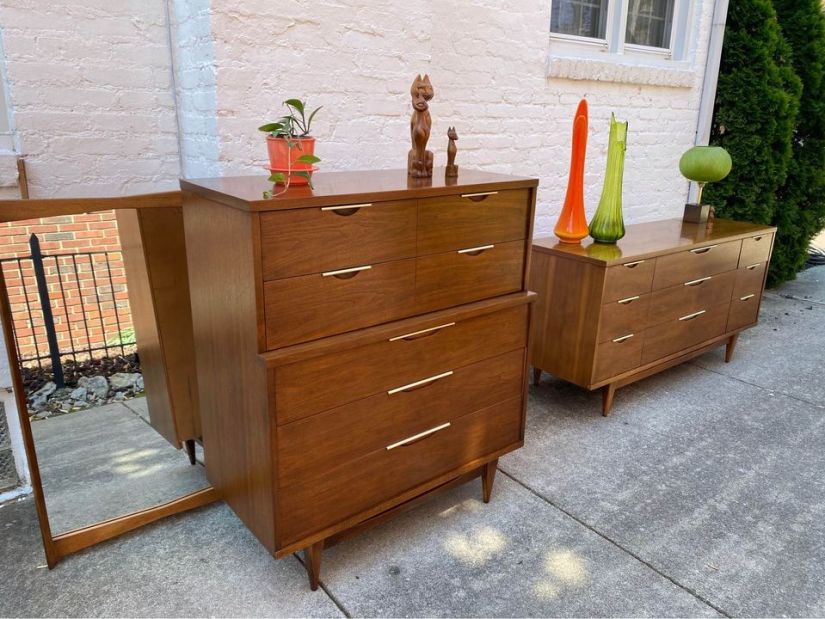
Ensuring that your furniture is 100 percent solid wood is a pretty fail-safe way to know that you’re purchasing something high-quality. Solid wood construction is extremely long-lasting and can be easily refinished and repaired down the road. Here’s a great resource to learn more about buying antique or vintage furniture:
Identifying High Quality Furniture
If you’re looking for an older piece of wood furniture, take a look at the hardware. The pulls and knobs are some of the easiest parts to replace when someone refinishes a piece of wooden furniture. Do the handles, knobs and pulls look like they belong on the piece? The best pieces are ones that have been well taken care of and that have their original hardware.

Check out the link below to learn more about antique handles:
To make sure a wooden piece was made by a craftsman and is not a mass-produced piece, look at the joints and nails. If the nails are older and dull that’s a clue that they are probably original to the piece. If there are dovetail joints that’s a sign something was carefully made. In modern furniture, you’ll want to ensure dovetail joints are not rough or messy.

You’ll want to sit in any vintage or antique seating before you buy it. Of course, you want to be comfortable, but keep in mind that a lot of antique sofas, chairs, stools, and chaises are smaller and lower slung than modern furniture. Replacing the seat cushions with new ones-perhaps with thicker, stronger, and more supportive foam or another filling-can raise the height and ensure your comfort.

You’ll definitely want to ensure it is structurally sound or stable, so giving it a gentle test run is a surefire way to ensure you don’t take home something that’s ultimately going to require pricey repairs to shore up. After all, as long as your piece is sturdy, patina is actually a good thing. Designer, Phoebe Howard writes, “If you find a great-looking vintage piece with decades of use behind it, you’re in luck. You know it’s aged gracefully, even with years of wear and tear, so you can rest assured it’ll only get better.”
Rugs
When cared for a well-made rug can last a very long time. To determine the age of a rug, look it over carefully. One of the first things to examine is the weave. If a rug is made by hand, there will be irregularities in the weave. Fold and move the rug to see if the color goes to the base of the tufts and the knots. When it comes to Oriental rugs, the more colors used, the higher the value.
Another characteristic to check is the knot density. Take a look at the back of the rug and focus in on a 1-inch x 1-inch patch. Count the horizontal weave and vertical run and multiply the two together. The higher the density, the higher the quality. Though high knot density is often associated with premium quality, it’s essential to balance it with practicality. For instance, carpets with very high KPSI are best suited for decorative purposes rather than high-traffic areas. On the other hand, low to medium KPSI carpets are more durable for everyday use. Whether you’re buying a used rug or new, it is important to understand these factors.
Here’s an example of a hand-woven wool rug with a cotton backing from Wayfair with a knot density of 110/in 2 or low-medium quality. Please note that cotton backing will shrink when cleaned, so make sure you use an experienced carpet cleaner, or you might have a bumpy rug after it is cleaned.
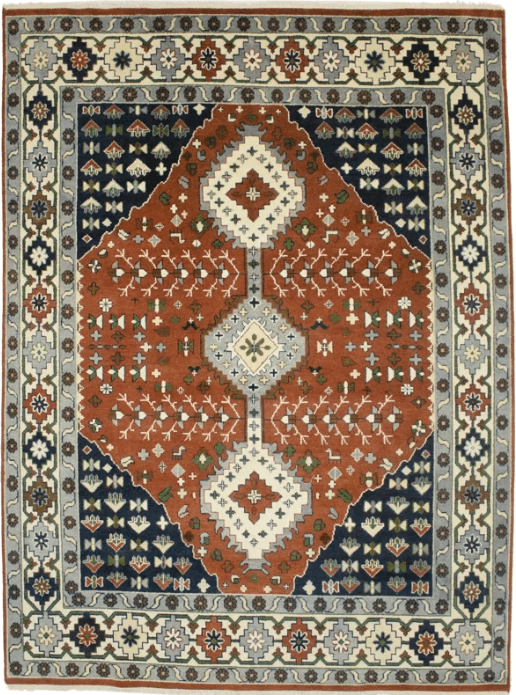
Here’s an example of another hand-woven 100% wool rug from Wayfair with a knot density of 300/in 2 or medium quality. The rug below is $2,000 more than the one shown above. We like natural materials, so we’ll be purchasing wool area rugs for our home.
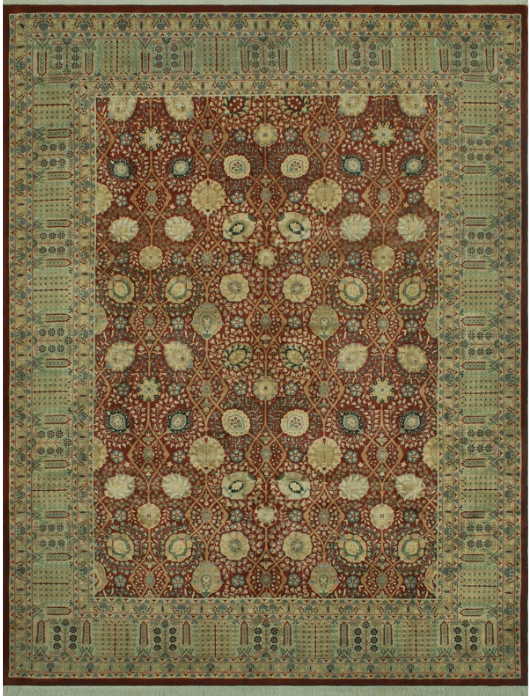
Learn more about rug quality at the following websites:
https://mwcarpets.com/blog/knot-density/
Here’s a source in Palm Beach County:
Finally, many new pieces of furniture can take up to 12 weeks to be made and delivered. You can find the expected delivery dates on the website when you go to check out. Simply, find one you like and add it to your cart, and it should tell you how long it will take to be delivered.
I’ll be sharing build updates, including lots of interior work in the coming weeks. Be sure to subscribe below to never miss an update.

 Design, Garden, & Travel by Majestic Meadows
Leave a comment