Living in a wildland urban interface means we need to prepare for wildfires potentially impacting our home and property. We’re lucky because there is a lot more information about building and living in high fire risk areas today than in the past. Studies have found as many as 80% of homes lost to wildfires could have been saved had homeowners followed a few simple practices. This post will give you concrete actions to take to effectively reduce wildfire risk on your property. Begin these efforts by working on your home and continue outwards throughout your property.
Learn
If you live in an area impacted by wildfires, the best advice I can give you is to be prepared. Start by reading all the information available about protecting your family, home and property from the impact of wildfires. In Montana, the Department of Natural Resources and Conservation provides information online and printed materials. They also have onsite consultations that can provide advice specific to your home and property. Finally, there are grants available to help offset the cost of preparing your property against wildfire.
I’ll provide a link below for Flathead County, but please keep in mind that they use heavy equipment to remove trees which work best on gravel roads:
Maybe growing up and living in South Florida most of my life, helped me understand the importance of personal responsibility when it comes to natural disasters. I experienced plenty of hurricanes, luckily none that did significant damage to our home. Some of that is due to luck, the hurricane wasn’t that strong or moved away from our area, but being prepared also made sure we were protected no matter the emergency. Building or retrofitting your home to withstand a hurricane or in this case a nearby wildfire is possible.
One final thought regarding home insurance, we live in a high-risk area, which is reflected in the cost of our home insurance. As of now, it is still less expensive than our South Florida home insurance was by several thousand dollars. You’ll want to keep that in mind before you decide to buy or build a home in a Wildland Urban Interface or high fire-risk area.
Prepare
There are three easy ways for you to prepare your home, whether you own or rent:
- Clean your gutters – Dry leaves and pine needles can easily catch fire.
- Remove flammable vegetation – Clear out dead grass, brush, or wood piles from around your property.
- Prune your trees – Trim branches that hang low or come too close to your home.

Simple maintenance and fuel reduction around your home can make a big difference in wildfire safety. The following tips are from the National Fire Protection Association guidelines and organized by zones around your home: Immediate, Intermediate, Extended, and Outer Zones.
Immediate Area: 0-5 feet
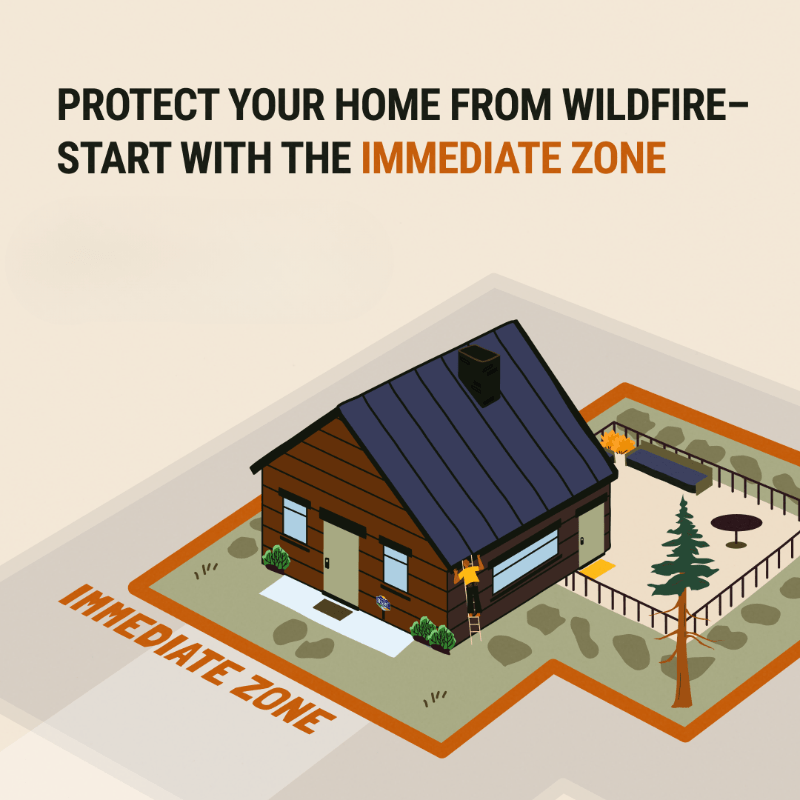
- Cover all vents with 1/8-in mesh screening.
- Fill any gaps in your home’s siding and trim materials with quality caulk.
- Fill any openings between the roof covering and the roof deck with a nonflammable material.
- Use only nonflammable fencing materials in this zone.
- Create a 3- to 5-foot clean and non-combustible perimeter using concrete or rock mulch.
- Remove all vegetation in this zone.
- Remove tree limbs that extend into this zone.
- Relocate all combustible materials, including garbage, lumber, and lawn/patio accessories, to outside this zone.
- Clean all fallen leaves and needles from this zone – don’t forget about your gutters and roof valleys.
- Locate propane tanks at least 30 feet from any structures.
Intermediate Zone: 5-30 feet
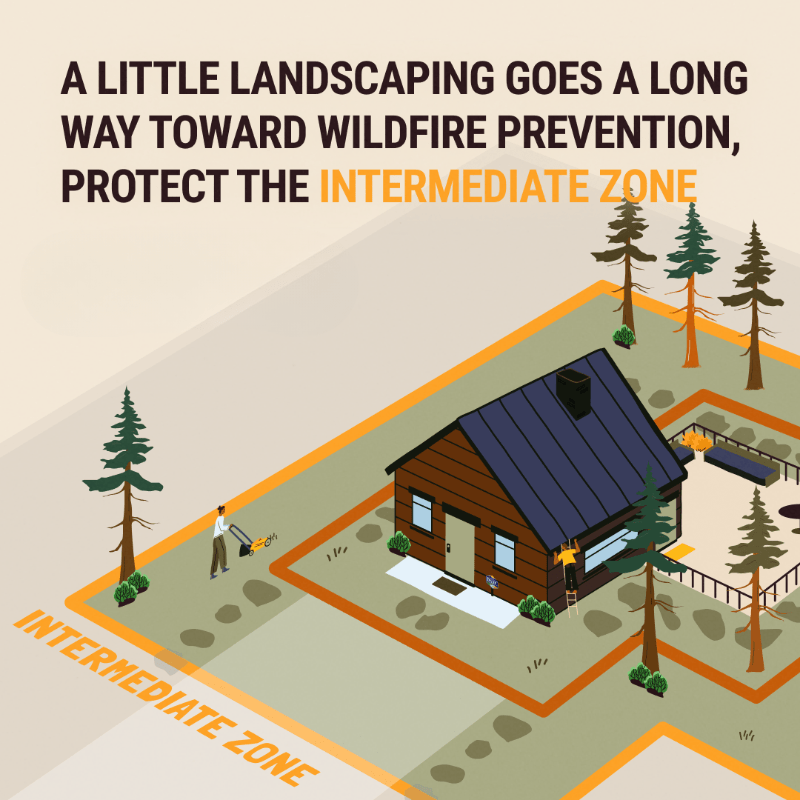
- Remove all dead grasses, weeds, plants, and foliage.
- Keep lawns and native grasses mowed and water all vegetation regularly.
- Grow non-woody, low height, herbaceous plants.
- Provide at least 18 feet of space between remaining shrubs and trees. Increase spacing on steep slopes.
- Store firewood or other combustible materials at least 30 feet away from your home.
- Remove limbs 6′ to 10′ from the ground.
- Remove branches that overhang or touch the roof, making sure there is at least 10ft between the structure and the nearest branch.
- Clear vegetation around fences, sheds, outdoor furniture, and play structures.
- Create fuel breaks with non-flammable walkways, paths, and driveways.
Extended Zone: 30-100 feet
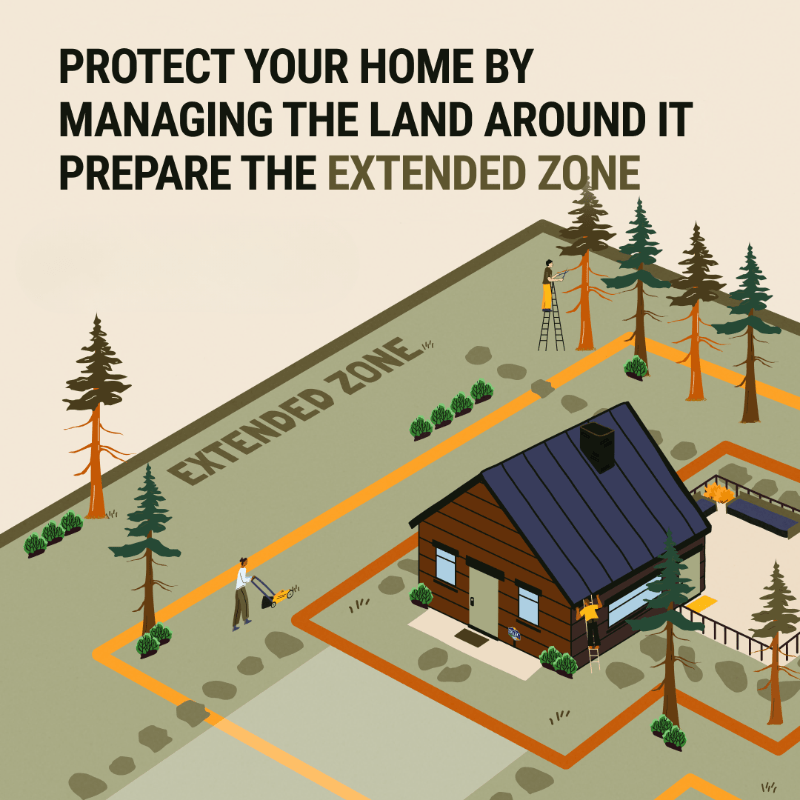
- Thin trees to a minimum of 12 feet between tops of trees to break up continuous fuels.
- Remove small conifers growing between mature trees to create a separation between ground vegetation and mature trees.
- Remove leaf and needle debris from your yard.
- Keep grasses and wildflowers under 8″ in height.
- Clear vegetation from under large stationary propane tanks.
- Remove vegetation adjacent to storage sheds or other outbuildings.
- Maintain space clear of vegetation on either side of your driveway and access roads so that emergency vehicles can reach your home.
Additional Landscaping Tips:
Landscaping with fire in mind can help protect your home from wildfire. To reduce risk, consider both plant selection and hardscaping features when landscaping.
- Plant selection: choose fire-resistant plants with a high moisture content that are low growing and opt for deciduous trees over conifers. The DNRC representative said to avoid junipers because they are highly flammable. In addition, their dense growth habit accumulates large amounts of dead branches, needles, or leaves, which can ignite and spread fires.
- Hardscaping: use fire-resistant materials for the non-living elements of your landscaping, such as retaining walls, fencing, and open areas.
- Incorporate in fuel breaks with driveways, walkways, and parking areas.
- Consider applying for a DNRC grant to help offset the cost of thinning and pruning large areas of trees. The value of the trees removed will help offset the cost.
- Space your trees according to fire wise guidelines below:
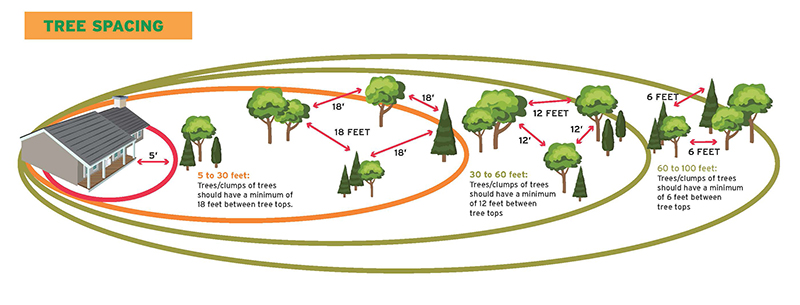
I found all this information at this website:
https://www.mtfireinfo.org/pages/a399c07c03e74803ab89684b658cef24
“Firewise landscape design is the art and science of maintaining a yard that is less vulnerable to wildfire. Sometimes called “firescaping,” this method creates defensible space to protect your home from dangerous fires while still ensuring a beautiful landscape.” – Written by Logan Hailey with a Horticulture review by Sarah Jay at http://www.epicgardening.com
Wildfire Smoke
Smoke from wildfires has negative health effects for everyone. Many of the weather apps on your phone will tell you what the air quality is for the day. Montana is the third least populated state in the U.S., yet it ranks fourteenth for highest air quality (U.S. EPA). This is largely due to the severe impacts of summer wildfire smoke and winter inversions that trap air pollutants from wood burning stoves, vehicles and other pollution sources in our western valleys.
Montana residents can take steps to mitigate the effect of poor air quality on your health and daily routines. These steps begin with talking to your health care provider about your health risk. In addition, you should adjust behaviors around both indoor and outdoor air, since both settings provide potential threats and opportunities to reduce the impact of lower air quality.
Before the Smoke Starts
- Stock up on HEPA filters with a Minimum Efficiency Reporting Value (MERV) of 13 or higher. Make sure the one in your HVAC meets this requirement.
- Build a DIY filter using a HEPA filter and a box fan (2012 or newer). Visit https://www.montanawildfiresmoke.org/diy-fan-filter.html for instructions on building a DIY box fan filter.
- Create a clean room in your home. Seal windows and doors to prevent outdoor smoke from entering, add an air purifier or DIY box fan filter, and make sure the room is free of particulate causing activities like cooking or frying foods, smoking, vacuuming, burning candles or incense, and using aerosol sprays like air fresheners.
During Smoke
- Keep doors and windows of cars and buildings closed to prevent particulate matter from entering.
- Ask a friend or relative if they would be willing to let you stay with them during periods of elevated smoke.
- Check air quality daily. Visit todaysair.mtdeq.us for more information about air quality.
- Pack an evacuation bag and have it ready for leaving at a moment’s notice. Check out the Air Quality page below for more information.
https://dphhs.mt.gov/AirQuality/
Evacuation Plan
To be wildfire ready, you and your family should be prepared to respond and react to an approaching wildfire in a safe and orderly manner. Consider downloading the Watch Duty – Wildfire Maps App to your phone, which will map and alert you to wildfires in your area. The app provides real-time information vetted by trained professional, not robots. The app provides up-to-the-minute, life-saving information through a dedicated team of active and retired firefighters, dispatchers, first responders, and reporters who monitor radio scanners around the clock. Create and practice a wildfire evacuation plan with your family so you can respond safely. We live in a HOA community, which has shared an Emergency Exit map showing alternative exits should normal routes get blocked by wildfire. Check out the site below to learn what to do before and once a fire starts:
https://www.mtfireinfo.org/pages/65aff9e5e4004889a796079213f3943b


Download the brochure below: Creating a Fire Adapted Montana
Fire Prevention
Humans start as many as 75% of wildfires in Montana. The leading causes of fire escapes are: 1) debris burning, 2) escaped campfires, and 3) lawn/farm equipment. I’ll share information about debris burning below, as well as a link for other prevention tips.
Debris Burning – Low moisture and windy days, combined with debris burning, is a great recipe for wildland fires. Burning is a great way to clear dead vegetation and clean up but it is your responsibility to burn safely. Before you burn, take the necessary precautions to ensure your burn does not become the next wildfire:
- Obtain a permit or contact local authorities before burning debris. https://app.egovmt.com/cgi-bin/burnpermit/burnPermit.cgi?mode=main_menu
- Burn early in the day and check weather for afternoon or next day wind conditions.
- Keep your piles small and don’t burn trash.
- Be sure to have adequate equipment, assistance, and water supply with you.
- Always make sure the area is cold to the touch before leaving.
- Check the following day as stumps or roots may be holding heat that could re-ignite.
If a fire does get out of control call 911 immediately.
Find out more about campfires, lawn/farm equipment and other things you can do to prevent wildfires below:
https://www.mtfireinfo.org/pages/8610a083870d4fada25d081623ad1a44
Local, State & Federal Partners
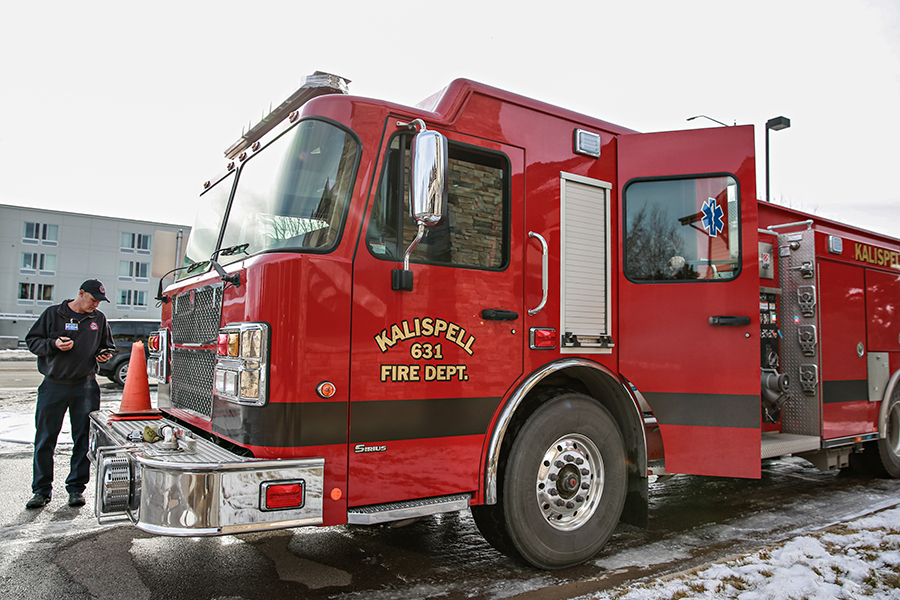
Your local fire department, as well as their State and Federal partners will do everything in their power to suppress wildfires. They work together to develop strategies and tactics for not only fire suppression but for public and responder safety in conjunction with your local police. One thing to keep in mind is that ground fires are less dangerous than crown fires (tops of trees). Firefighters will not get in front of a fast-moving crown fire. This is one reason why it is so important to be informed and prepared by maintaining your property in a FireWise condition. Early evacuation is best and if you have prepared your property from fire the odds are your home will be there when you return.
https://dnrc.mt.gov/Forestry/Wildfire/fire-prevention-and-preparedness
Our Home
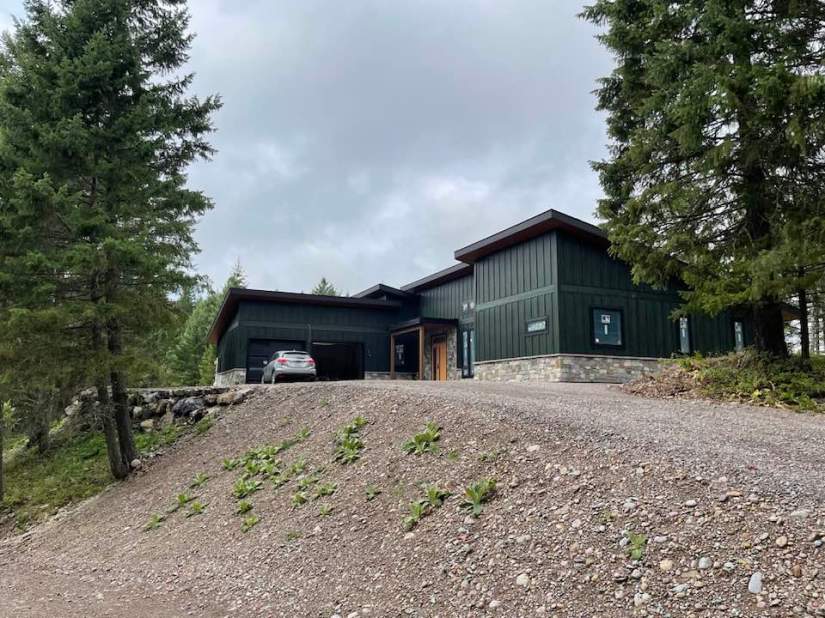
The following material choices in our new home help prevent wildfire damage:
- Owens Corning Asphalt Shingles
- Rock Veneer on bottom of home
- Dual-pane windows
- Closed soffits
- Less than 1/8″ soffit vents
- Propane tank is buried and more than 30 feet from the house
Our Garden
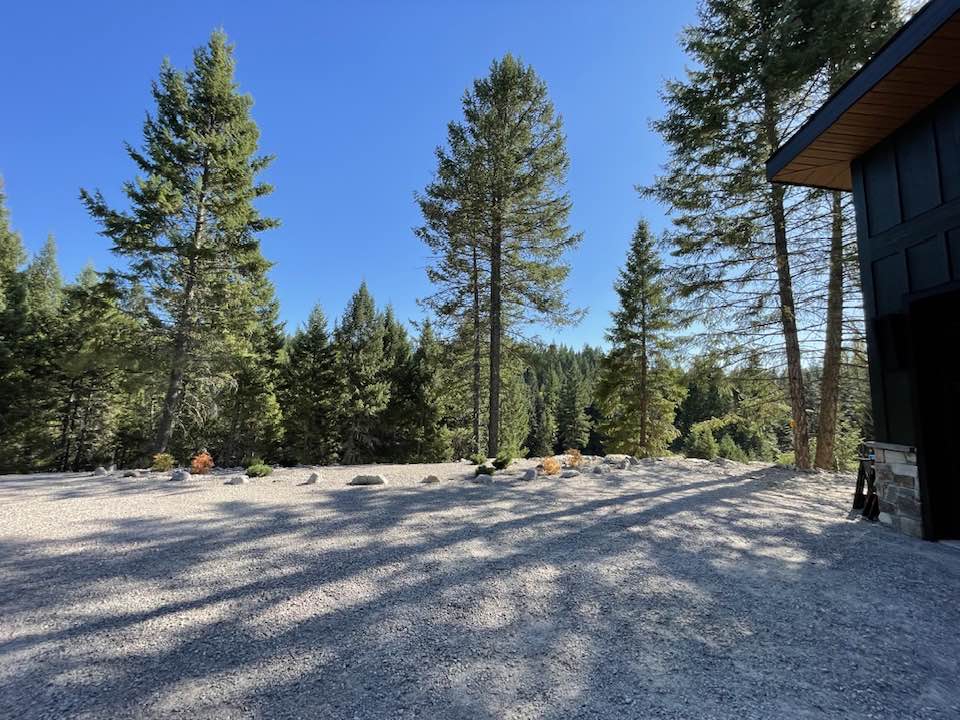
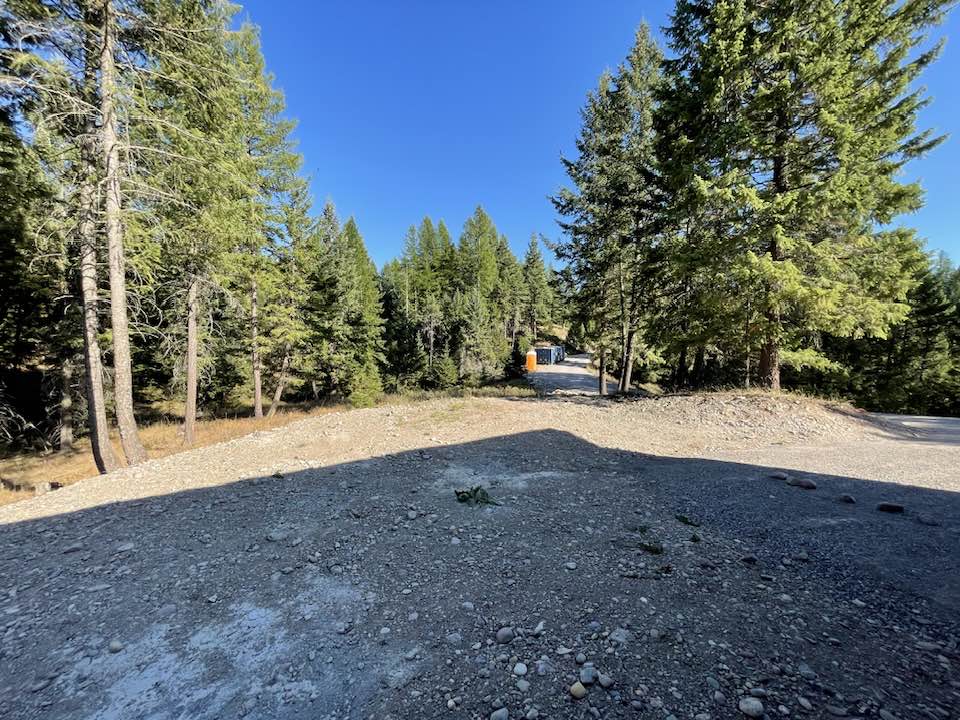
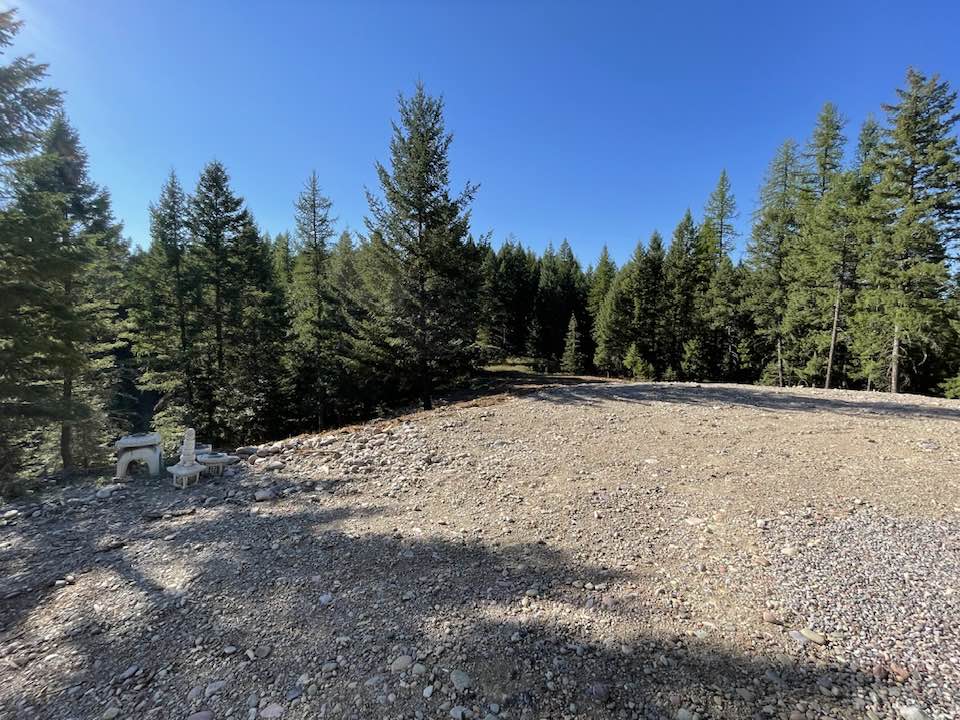

Before a DNRC representative visited our home, we reviewed the website to ensure we were doing everything possible to protect us, our neighbors and our home. The trees on our property are too thick and crowded. It is best to thin out conifers, downed trees and debris. We’ve made some great progress around our house, but there are still areas that need to be thinned and cleaned up to create a safer and healthier forest. Here are some of the choices we’re making in the garden:
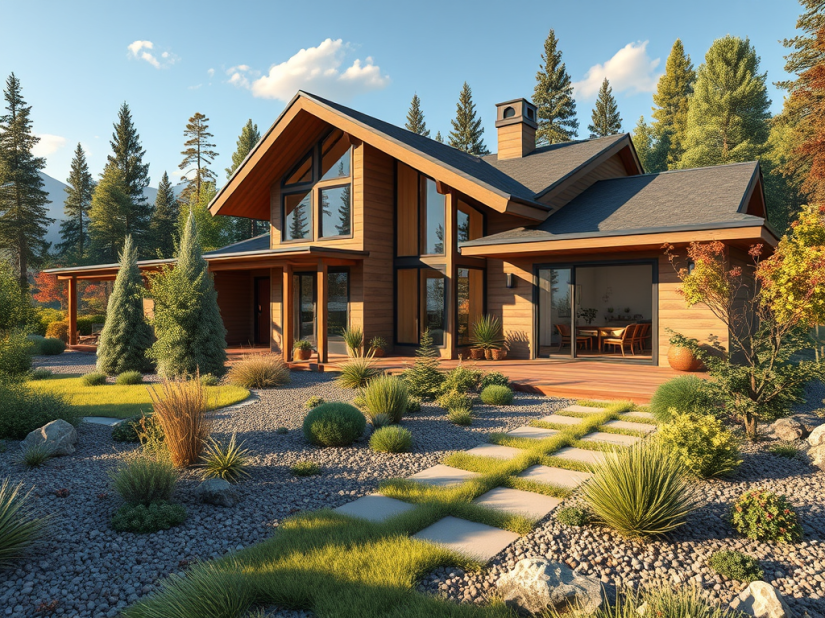
- Leaving a 5 feet wide gravel strip surrounding the house and any outbuildings.
- Removing and thinning trees within 30 feet of the house.
- Keeping plants within 30 feet of the house watered.
- Trimming dead grass or brush to the ground.
- Thinning and raising the canopy of trees throughout our 12 1/2 acres.
- Trees on slopes will be farther apart than trees on flat land.
- Using native plants and deciduous trees for landscaping around the house.
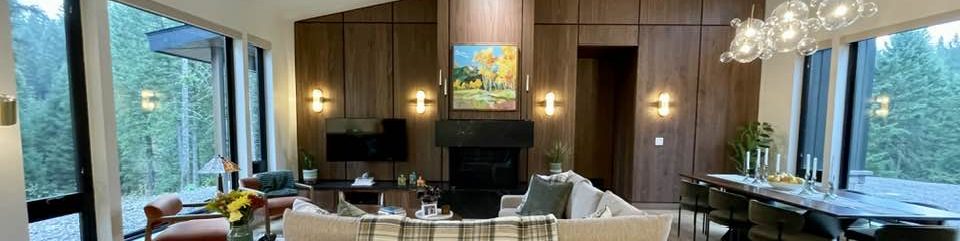
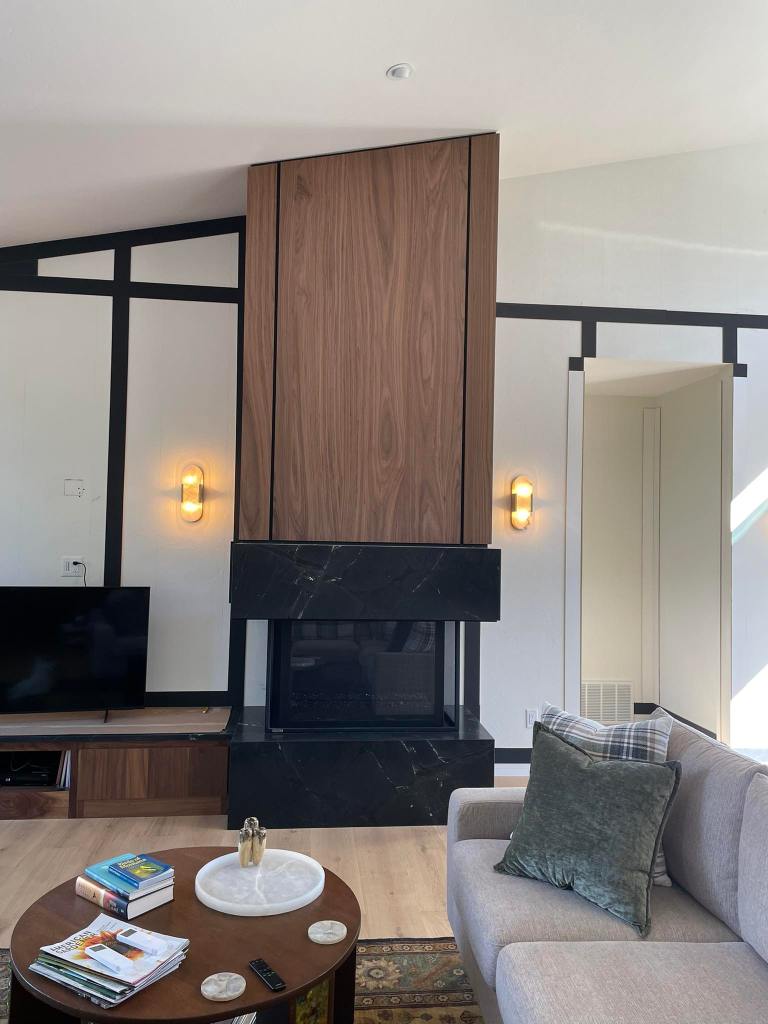
We are delighted to be in our NW Montana home. Watching the final touches coming together is very rewarding. In fact, our walnut paneling is going up on the living room wall, and we are thrilled with how it looks. Our builder, J Martin Builders expects to complete everything on the Build Punch List by the end of the month. Jim and I are enjoying the crisp mornings and evenings of early Fall and we’re looking forward to enjoying everything Montana has to offer in the next few months and years to come.
Interior Design Sneak Peak
I’ll share more updates soon but wanted to give you a sneak peek of the walnut paneling going up in the living room. Dopps Enterprises is doing an awesome job, and they also did a great job installing our walnut cabinets.
Never miss a post by subscribing below:

 Design, Garden, & Travel by Majestic Meadows
Leave a comment