
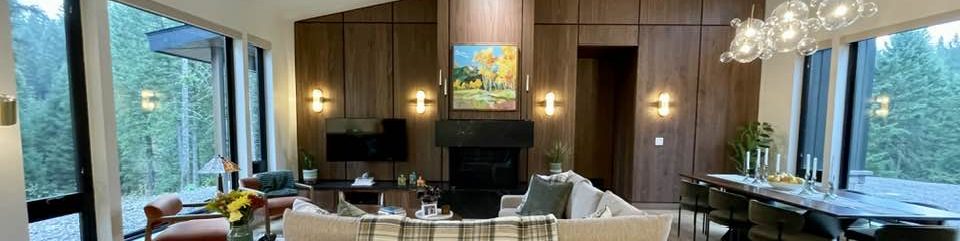
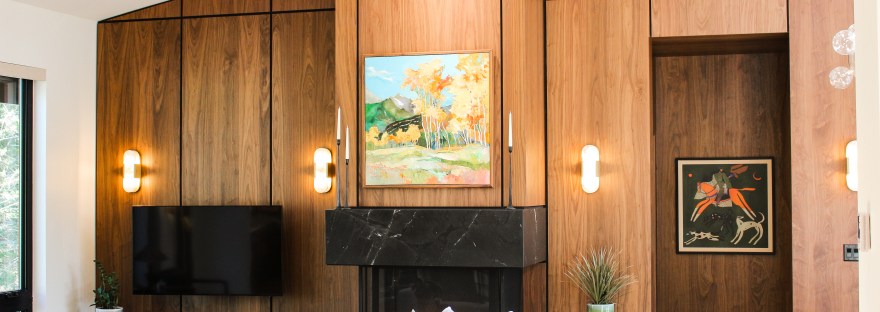
My husband, Jim and I built our new home in NW Montana with features that are important to us. Our home is not a Spec home, and we are certainly not planning to sell it for a very long time. I think a lot of new home builders or folks embarking on major remodels worry too much about what future buyers want instead of focusing on their own needs and preferences. Identifying your personal taste and designing a home with that vision will ensure your home is both beautiful and attractive to other people. In today’s post, I share ideas to create a custom home, including defined steps and some of the top features popular with buyers in today’s real estate market.
Custom verses Spec Homes
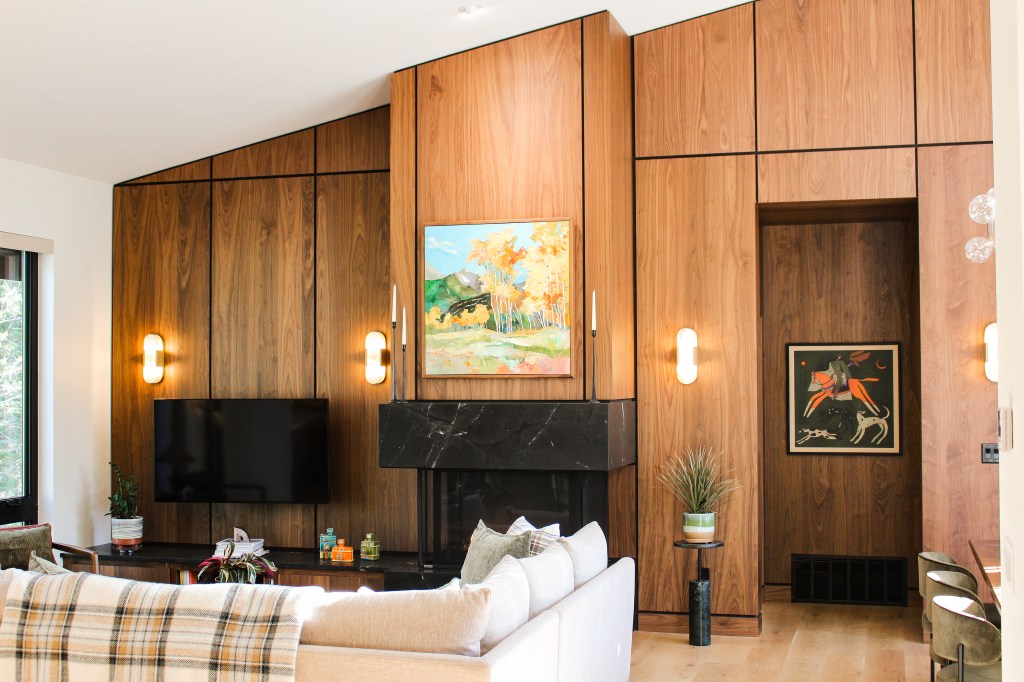
If you are building a home or remodeling and plan to stay in the home, you should build and design for you and your family. We built a custom home, which required a personalized floor plan and hundreds of design decisions that aligned with our vision and lifestyle. These decisions are crucial to ensure your home is not only aesthetically pleasing but also functional and comfortable for you and your family. I will also share features you might want to consider in your home, whether you are staying or selling.
View from the living room before some of the trees were removed:
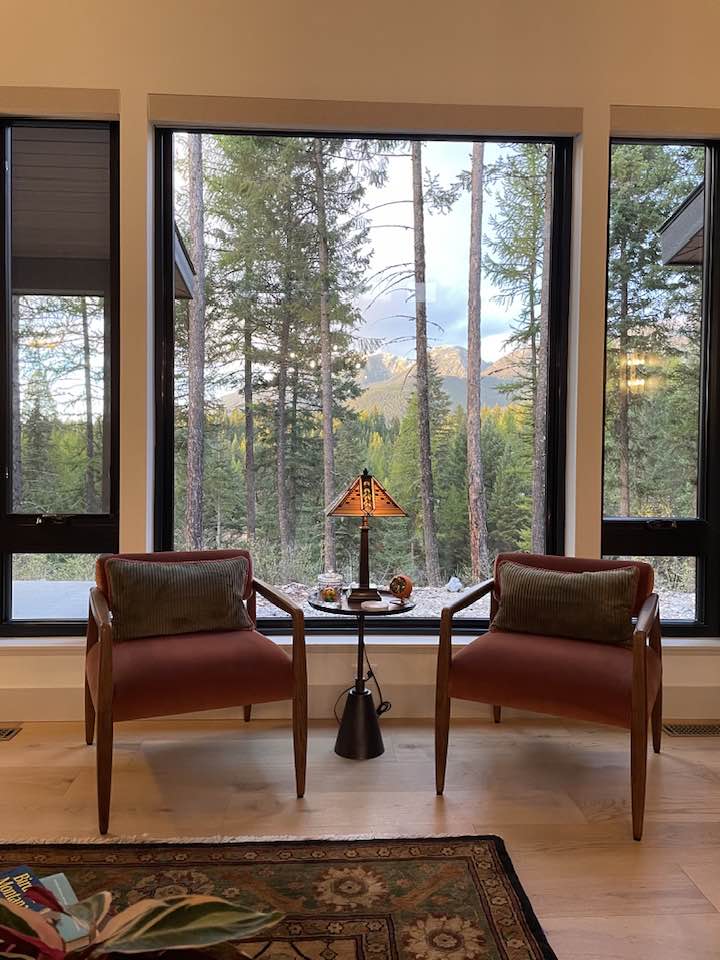
Building or remodeling design decisions include:
- Defining the Vision: Establishing a clear vision for the home, considering long-term goals and flexible layouts that can adapt to future needs. Our home is mid-century modern inspired, which we considered for every design detail from the roof choice to the walnut paneling.
- Setting a Budget: Aligning design choices with financial capabilities and setting a budget to prioritize must-have and wish-list items. We spent money on features that were important to us, i.e., custom walnut cabinetry and saved money on items like asphalt shingles, which are not visible.
- Choosing the Right Property: Understanding the land’s orientation, natural light, slope, wind, views, as well as confirming utilities and setbacks. We researched a wide range of potential locations both online and in person. We considered items such as, homeowner associations (build requirements & HOA fees), property features, including slopes and visibility to neighbors, weather patterns, desired mountain views, distance from town, etc.
- Building the Design Team: Assembling a team of architects, designers, and builders to create a cohesive design that reflects the homeowner’s preferences and requirements. My husband and I spent several years designing our floor plan and the home’s features using SketchUp. In addition, my interior design training and our renovation experience ensured were prepared when we met with our Design-Build Firm.
- Creating a Project Brief: Drafting a project brief that outlines goals, desired features, a budget, and a timeline to guideline the design process. Not only did we have a completed to-scale floor plan, but we also included descriptions and 3d renderings of our home.
I have multiple articles that can help you plan your build or remodel, and the one below also includes links to a few other posts:
Find out more about creating personalized spaces in my post below:
A spec house is short for speculative house, which is a home built by a developer without a specific buyer in mind. It is designed to be move-in ready and appeal to a broad range of potential buyers. If you are a developer or plan to sell your new or updated home quickly, you may believe it is safe to choose popular layouts, neutral colors, and standard finishes to attract a wide audience. I would argue that designing a home that stands out is a better strategy than a home that looks like every other home on the market. As you read about features that are popular today, consider how you can make them unique by relating them to the location and overall design of the home.
Features Popular Today
Outdoor Spaces
Outdoor spaces are no longer optional; they are a lifestyle feature. Patios, decks, fire pits, and landscaped gardens attract buyers seeking relaxation and entertaining opportunities. Whether you are planning to sell or stay, consider adding outdoor kitchens and seating areas, which are especially appealing. These features extend living space without costly construction. Privacy, shade, shelter and design cohesion with indoor spaces are important considerations. Homeowners today see outdoor areas as an investment in quality of life. In a world where people spend more time at home, these spaces are highly valued.
Firepit and cozy built-in stone sitting area by Design Workshop in Aspen, CO:
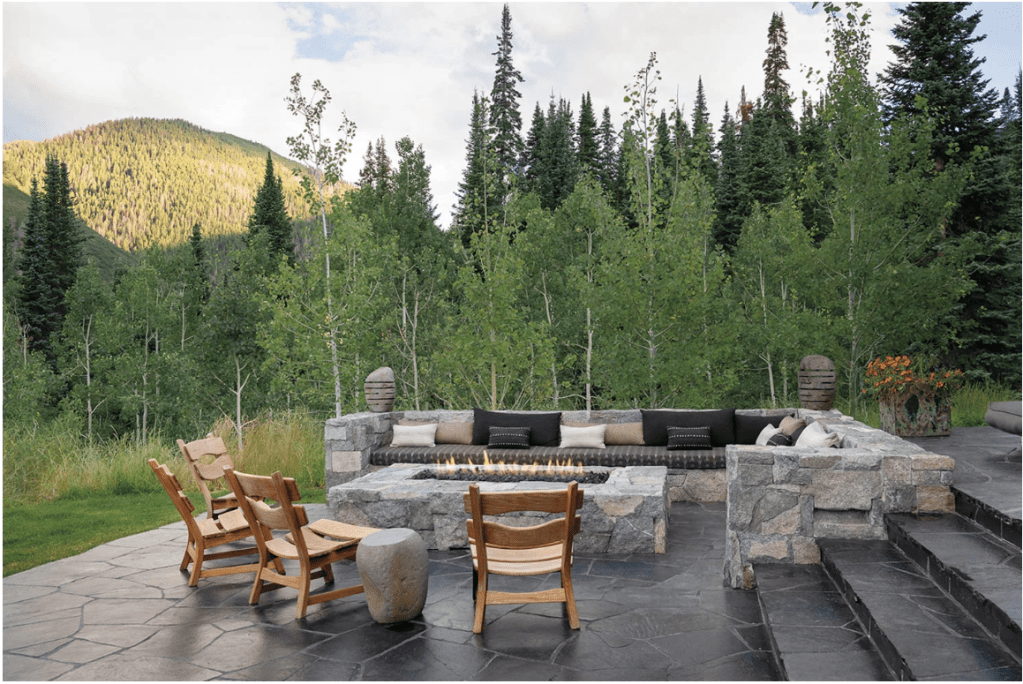
Our home design includes three covered patios, including at the entry, primary bedroom and large area off the kitchen. These sheltered areas beckon you outdoors for a closer look. A sustainable, native garden is important to us and today’s home buyers. The meadows around our home will include native bunchgrasses and wildflowers supplemented with a mix of native and other perennials to create a beautiful and cohesive garden design. These meadows will replace water, pesticide, and maintenance heavy lawns, which is a win-win for us and wildlife.
One of the reasons we decided to move to NW Montana, was to spend more time outdoors. Our mid-century modern inspired house was designed to draw us outside to the garden and property beyond. In addition to restoring native meadows around the house, we have marked out and started a 1.3-mile trail. This trail and future spur trails will allow us to easily explore our 12.5-acre property.
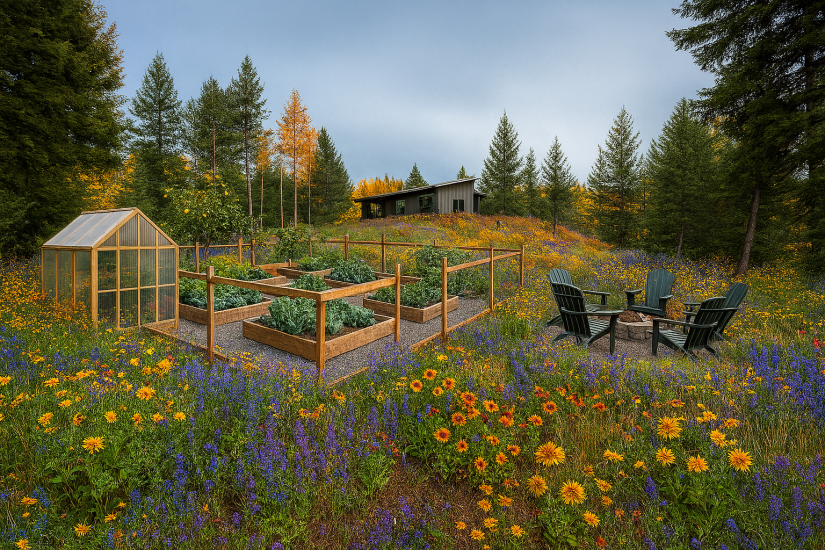
Some of the plant choices for the garden:



Learn more about planning your garden spaces below:
Smart Home Tech
Technology continues to shape modern living. Realtors note growing interest in homes with smart thermostats, lighting, security, and appliances. These features offer convenience, energy efficiency, and peace of mind. Buyers appreciate the ability to control systems remotely via apps. Integration with voice assistants and automation is also increasingly popular. Smart homes feel modern and future-proof, which boosts desirability. Even older homes are seeing value added through retrofit options. Technology-savvy buyers are now prioritizing connected living over purely aesthetic upgrades.
We live in a rural area, which is home to many critters, and we are delighted each time we see one walk past our Ring and Trail Cameras. Although appliances came with app integration, we have no need for it. We do have a programmable thermostat, which can be controlled with an app on our phone. We also have some motorized blinds, which are convenient for large windows or the ones in the primary suite. Please note that integrated alarms, blinds, cameras and other devices can be negatively impacted if the company goes out of business and can require a monthly fee.
I talk about security, including alarms and cameras in my post below:
Dedicated Office Spaces
Remote work isn’t going anywhere, and buyers want a functional, private workspace. Realtors say homes with separate offices, built-in desks, or quiet nooks attract more interest. Open layouts are great for socializing, but a dedicated area for work is essential for productivity. Buyers are also considering soundproofing, lighting, and storage when evaluating offices. Homes without workspaces may feel outdated or less versatile. Even compact spaces can be adapted for professional needs. A well-designed home office adds both functionality and resale appeal.
The walnut stained, solid oak office furniture from Wayfair is well-built and fits perfectly into the space:
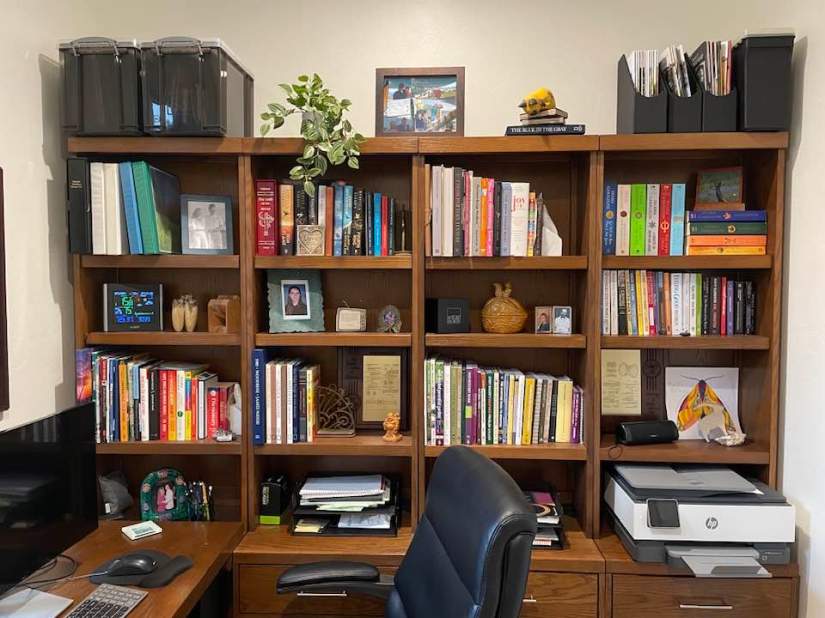
Now that Jim is working remotely, he needs a quiet space to concentrate and take calls for work. The custom floor plan we designed includes a private office, which is large enough to accommodate his needs. He also plays his guitar in this space when he wants to work on new chords or learn a new song. If you don’t need a dedicated office space, you could also set up a desk in a guest room or quiet place in the house.
To learn more designing office spaces, take a look at my post below:
Flexible Multipurpose Rooms
Homes that adapt to changing needs are highly sought after in today’s market. Realtors report growing interest in rooms that can serve as gyms, media rooms, guest suites, or playrooms. Flexibility allows buyers to tailor spaces to lifestyle changes over time. Open layouts with modular furniture or convertible areas are particularly appealing. Multi-purpose rooms maximize square footage without major renovations. They also provide options for remote work, homeschooling, or hobbies. Versatility has become a hallmark of desirable modern homes. Buyers increasingly prioritize adaptability alongside design.
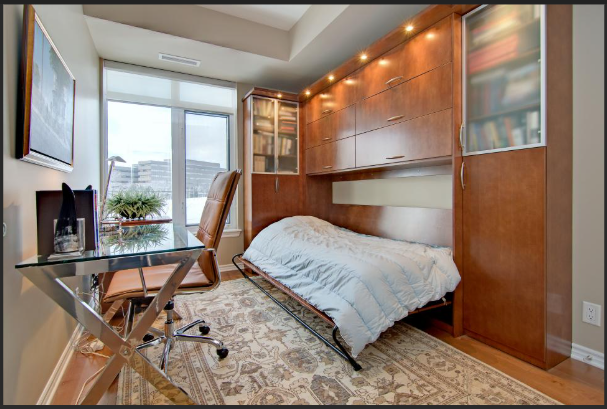
Below is well-designed multipurpose room that can be used as an office, guest room or to watch TV:
Energy Efficiency
Sustainability is becoming a priority for most folks. Realtors say solar panels, efficient windows, insulation, and low-energy appliances are increasingly requested. Buyers are aware of the long-term cost savings and environmental impact. Homes with energy-efficient certifications can stand out in competitive markets. Even smaller upgrades, like LED lighting or smart thermostats, make a noticeable difference. Energy-conscious features signal modernity and responsibility. They appeal to both practical and value-driven buyers.
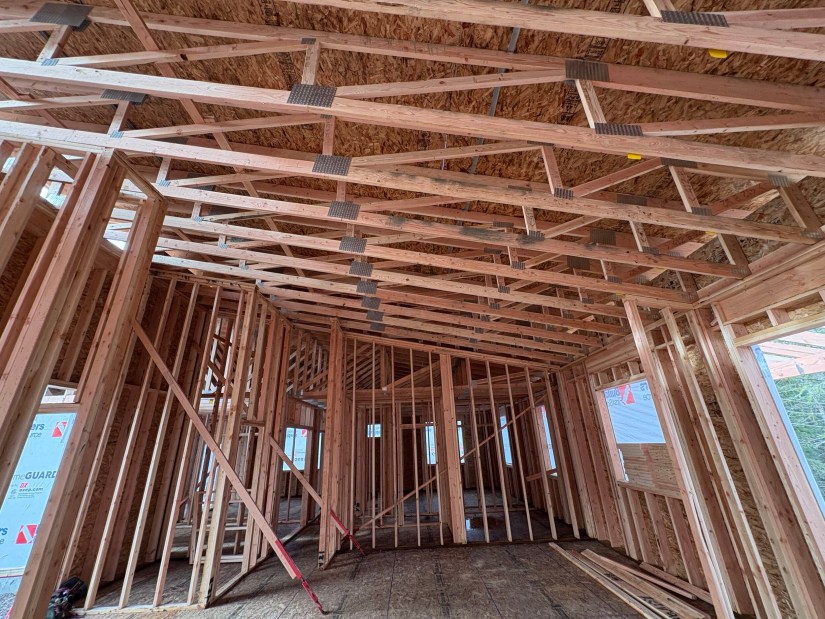
There are a few decisions that ensured our new house was energy efficient beyond new appliances and LED lightbulbs:
- Two by six-foot studs in framing allows more insulation to be used.
- Anderson 100-series, dual-pane insulated windows are affordable and energy efficient. We used fixed and functional windows to reduce the cost.
- Reducing ceiling openings and using closed can lights reduce energy loss.
- Our floor plan includes several large windows on the south side of the home to increase solar radiation in the winter. In the summer, our two-foot roof overhang stops too much sun coming into the house, keeping it cooler.
- An insulated, sealed and conditioned crawl space keeps us from losing heat or cooling through the floor.
- HVAC technicians installed a heat pump, which efficiently heats the home most of the winter. We do have a propane furnace for those extra chilly days in NW Montana winters. Choosing a propane furnace and fireplace over woodburning reduces CO2 emissions and many buyers prefer gas for the convenience.
Neutral Choices
Many builders choose white cabinetry and other neutral colors for kitchens, walls, flooring and even staging the home. Painted, light cabinets are a classic choice that many folks still love. White or off-white walls and flooring can make a home feel larger, which helps to attract more potential buyers. However, many of these homes lack contrast making them feel cookie-cutter. It might be safe, but I’d argue just a “neutral” design is not worth the premium that good design warrants.
Contrast in Design
A basic tenant of good design is contrast, which simply means placing two or more elements with opposing characteristics together in a space. This can involve differences in color, texture, size, material, or style. The goal is to create a dynamic, visually engaging environment while maintaining overall harmony, allowing the elements to enhance each other rather than clash chaotically.
In the bedding below, I added contrast by varying the color and pattern, size of the pillows, texture and material in the fabrics used:
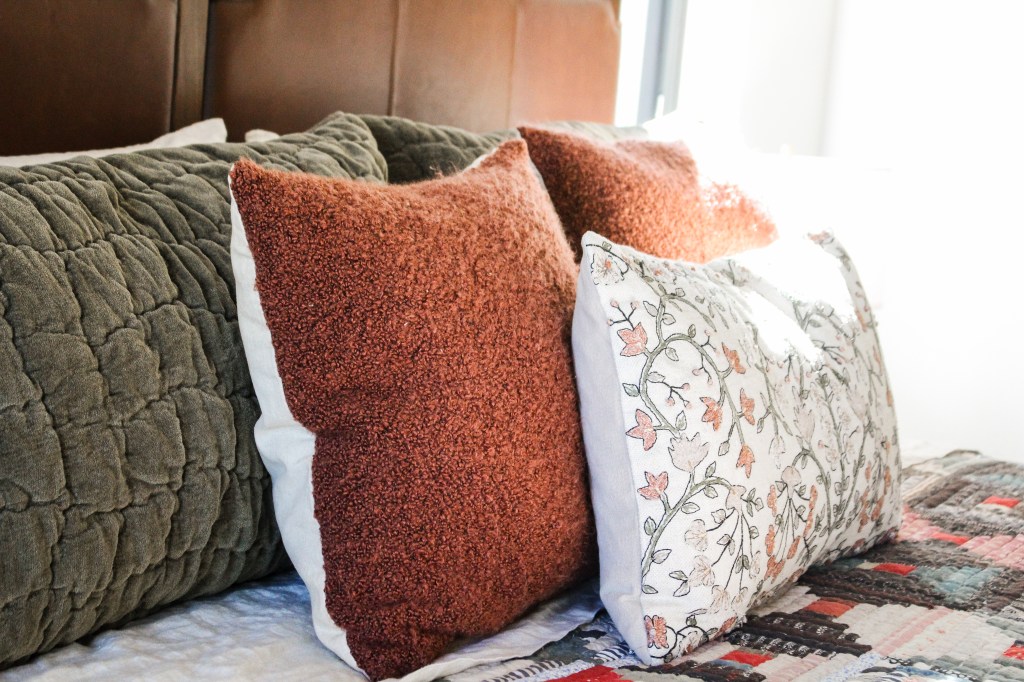
Without contrast, interiors can feel lifeless or monotonous, even with high-quality furniture and decor. Contrast adds depth, drama, and focal points, guiding the viewer’s eye and making spaces more memorable. It can also define zones within a room, emphasize architectural features, or highlight specific furniture and accessories.
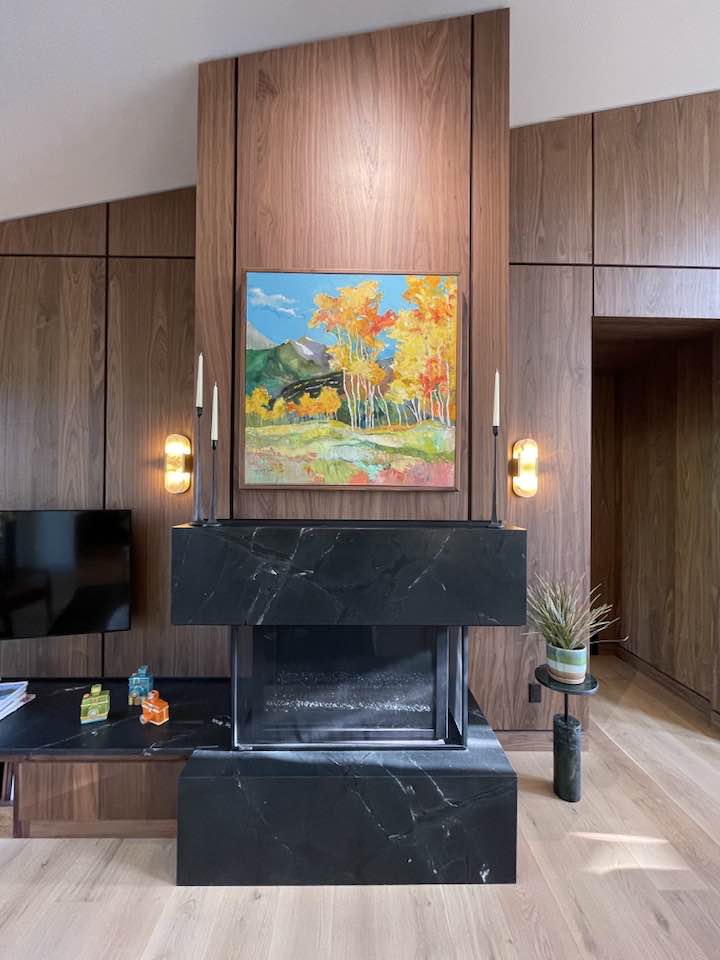
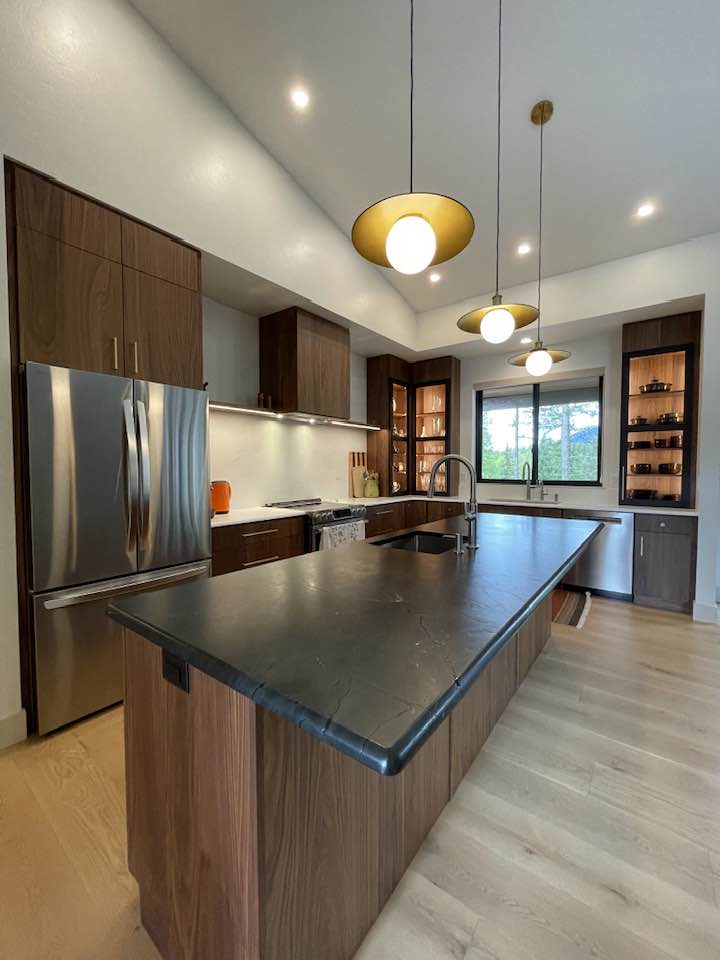
The living room features contrast in wood choices; dark walnut paneling and light engineered white oak flooring. The walnut paneling and cabinetry are the dominate element and are accented with the leathered Alluvial quartzite, both on the fireplace and on the kitchen island. The light-coloring and subtle veining in the Cambria MacBeth quartz on the perimeter counters and backsplash adds contrast in the kitchen without being chaotic.
Techniques to Create Contrast:
- Color Contrast: Pairing complementary colors (like green and rust or blue and coral) or using light and dark shades of the same color can create striking visual effects. Warm and cool color combinations can also balance energy and mood in a space.
- Texture Contrast: Combining smooth and rough surfaces, soft fabrics with hard materials, glossy finishes with matte ones adds tactile and visual interest. Layering textures in close proximity enhances the perception of depth.
- Shape and Size Contrast: Juxtaposing large and small objects, curved and straight lines, geometric and organic forms can create dynamic compositions and prevent uniformity.
- Style Contrast: Mixing different design styles, such as antique furniture with modern pieces or traditional crafts with contemporary art, can produce a sophisticated, eclectic look.
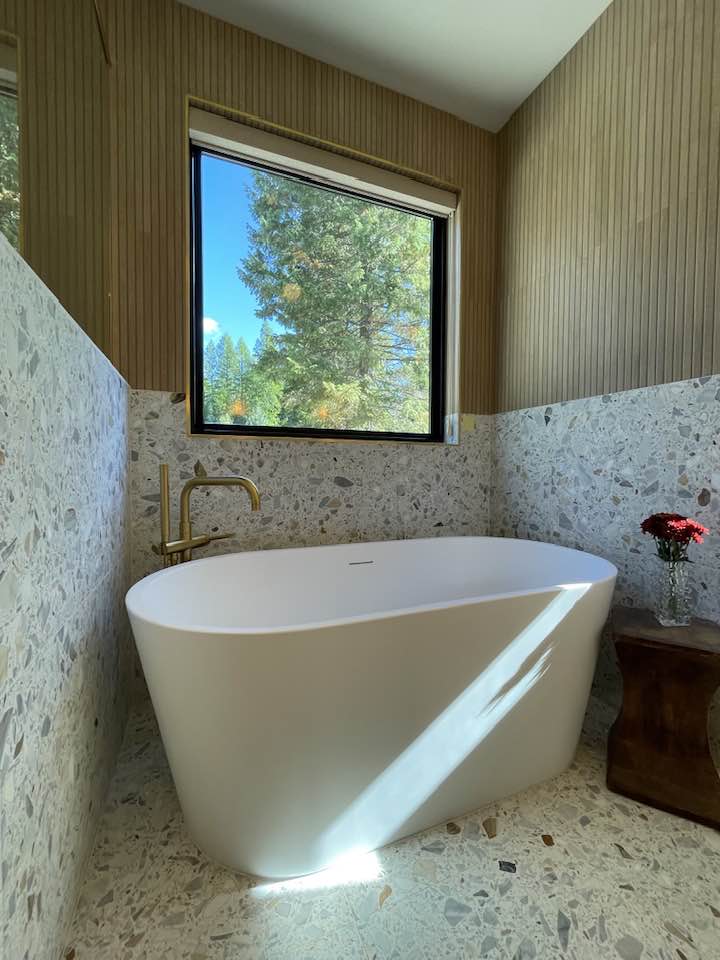
Notice the pleasing contrast in the geometric lines of the wood-look tile combined with the organic terrazzo in the primary bathroom:
Best Practices:
- Let one element dominate while the other accentuates it to maintain balance. For example, a bold wall color can be complemented by neutral furniture.
- Avoid clutter and remember to allow for negative space to highlight featured design elements.
- Use contrast deliberately to highlight focal points or create visual pathways through a room.
By thoughtfully applying contrast, you can transform ordinary spaces into engaging, harmonious, and visually compelling environments that feel both stimulating and cohesive.
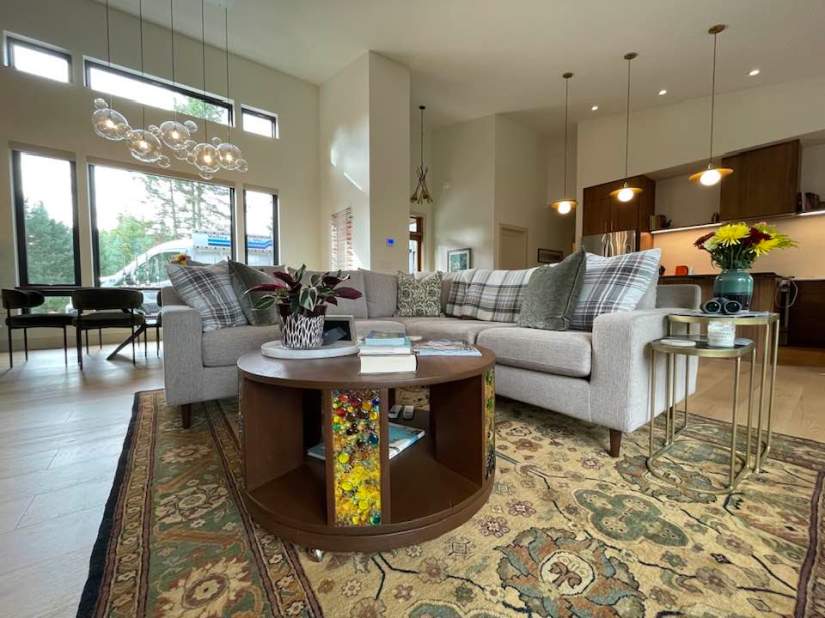
The 100% wool rug defines the living space, adds color and texture:
Following these guidelines, as well as others published on this site will help you create spaces that you and future buyers will love. Be sure to check out some of the 100-plus helpful posts about interior and garden design, as well as adventure travel on the Majestic Meadows site. I’ll be writing about a recent winter adventure we had in Glacier National Park soon, so be sure to subscribe below to never miss a post!

 Design, Garden, & Travel by Majestic Meadows
Leave a comment