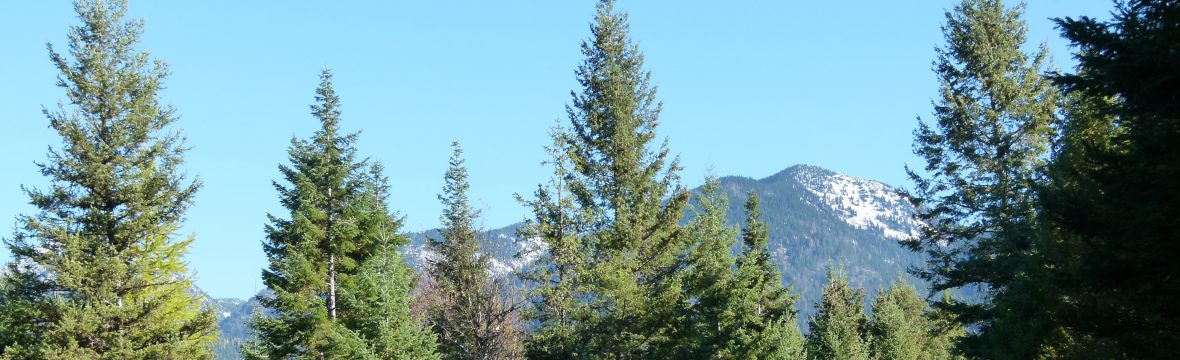
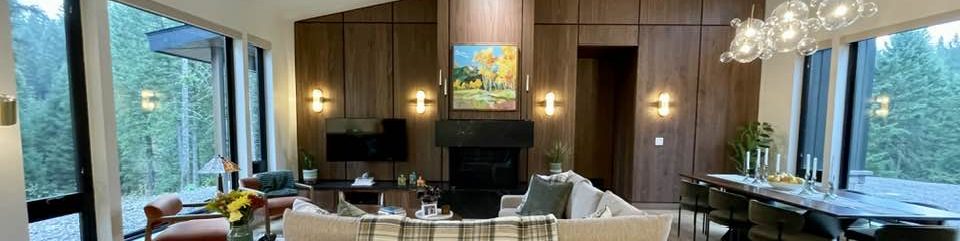
My hubby, Jim and I have been dreaming about and “building” our house via SketchUp since we bought the property in 2018. It’s been amazing to watch our vision get turned into a home. We both love Mid-Century Modern design, which inspired the house now overlooking the Swan Range. We’ve both learned a lot and it’s been a fun project for us. We enjoyed bouncing ideas around and encouraging new ways of thinking. We’re pretty proud and damn happy with the results. Shout out to our fantastic NW Montana builder, J Martin Builders. Jason and his team made our build stress free, transparent and produced a well-built home.
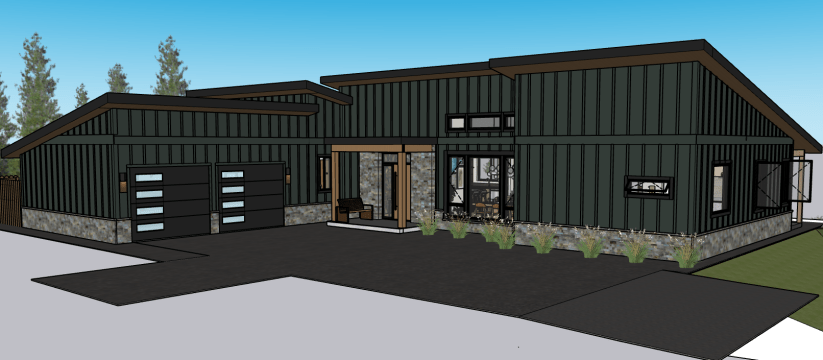
We’re looking forward to our next design challenge – 12 wonderful, wild acres. Just like designing your home, you’ll want to consider function and style for your garden designs. In today’s post, I share information about gardening resources: online gardening courses, local extension agents, gardening groups and nurseries. I also share information about phase one and two of our garden. We’re taking our time with this design and look forward to creating a sustainable, beautiful garden in NW Montana.
Garden Course
As you can imagine, gardening in South Florida is very different than NW Montana. I’ve purchased some Montana Native and Rocky Mountain plant books, which has helped us identify some of the natives we already have growing on our 12 acres. We’ll need some help with this garden, so I was thrilled to find Rochelle’s Garden Design course.
Pith + Vigor offers many insightful garden courses, from Bootcamps to more in-depth options. I’ve enrolled and started the Garden Design Lab course, which is created and led by Rochelle Greayer. Rochelle is multi-talented and gifted landscape artist, writer, editor, and teacher. This fantastic online course is going to make our garden dreams come true!
Below is some of my homework – A site inventory and scale-based plan for phase one.

Here are some highlights from the site inventory and scale-based plan:
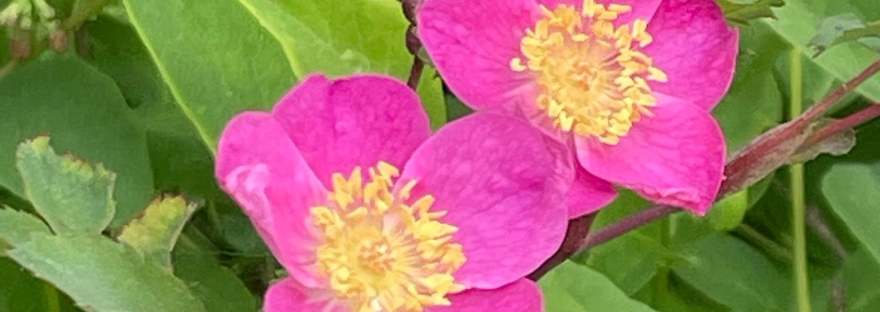
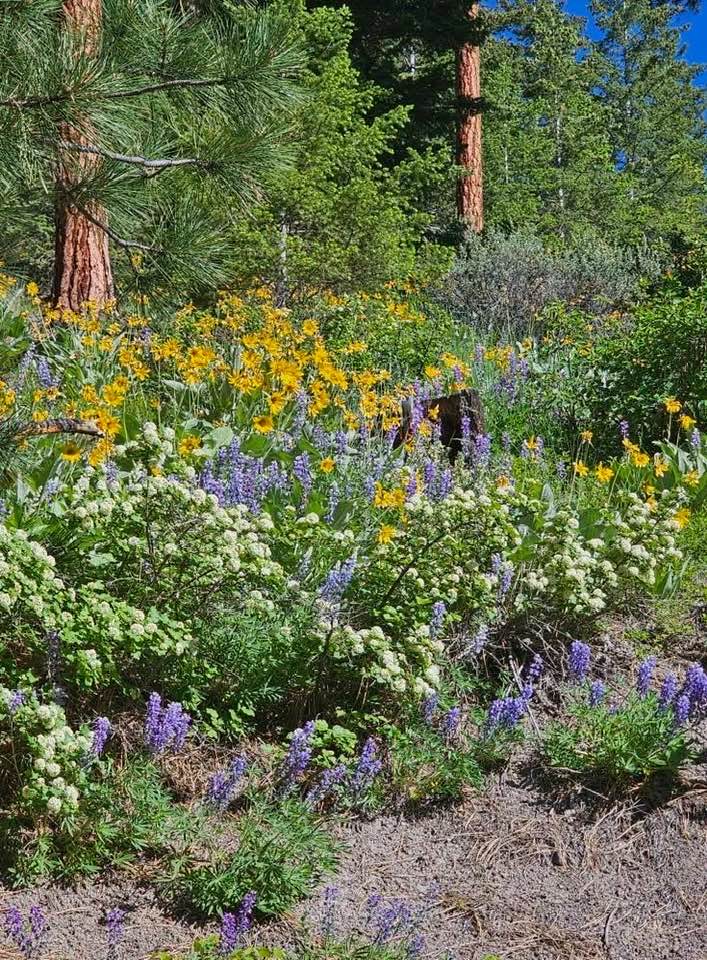
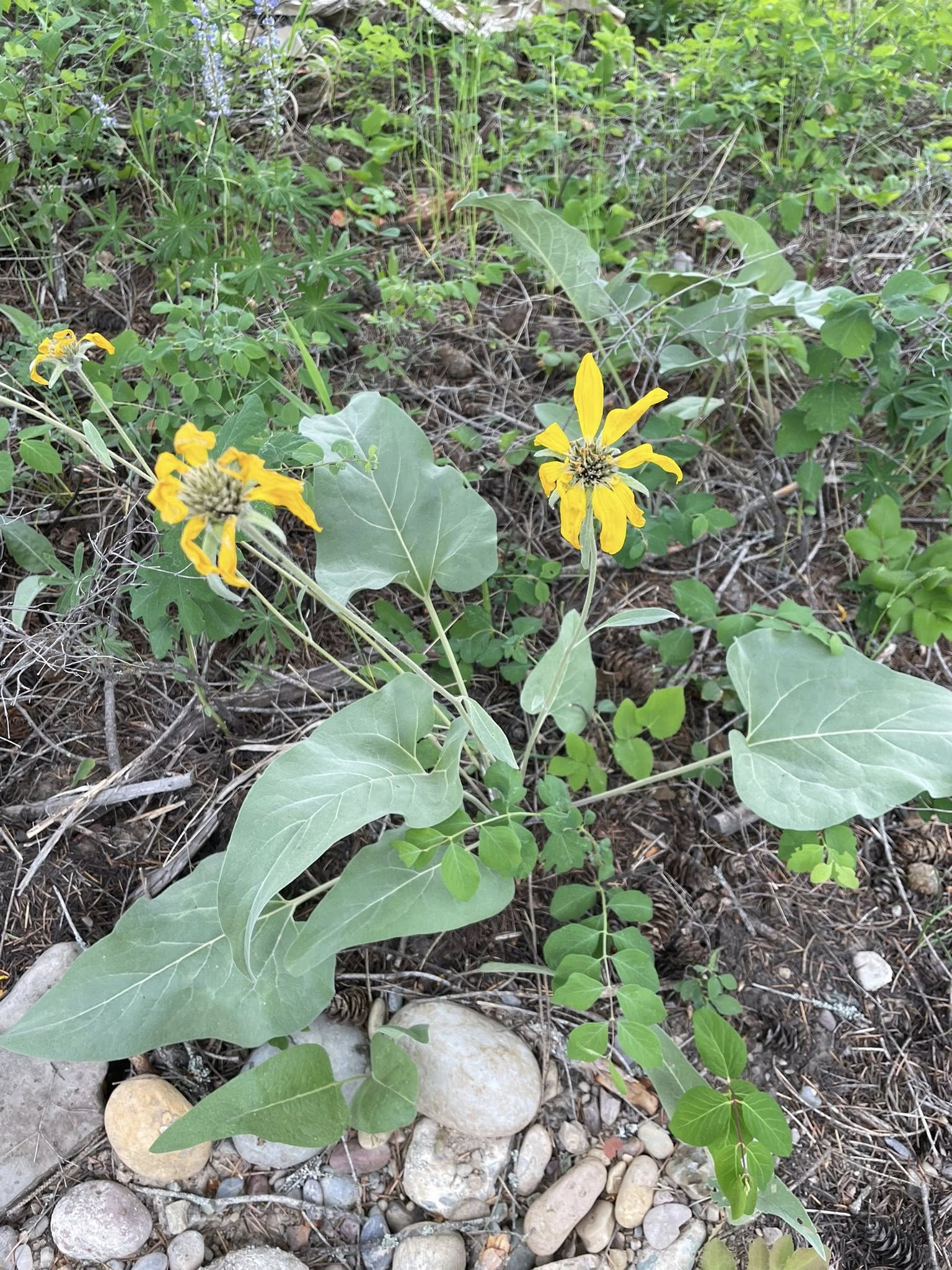
1. There are a few native plants, including Arrowleaf Balsamroot, Woods Rose and Lupine close to our garden area and edging the driveway.
2. Thinned pines and larches border the gardens on the north, east and south sides of our garden sites.
3. We’d like to avoid fencing around the house, so we’re hoping to find deer resistant plants. We hope to add a veggie, fruit and perennial garden with fencing in the future, which will need fencing.
4. For phase one, we’re planning a naturalistic, meadow and rock garden that will provide shelter, food and interest during all four seasons. We greatly admire the work of Piet Oudolf, the Dutch Landscape artist. His “matrix” style uses plant guilds or plants that naturally support each other: physically, nutrients, and root structures, just like you’d find in the wild. He also believes in letting the garden go wild, leaving seed heads, etc. to benefit the critters. It also means less work for us!
5. Phase One of the garden will focus on the east and south sides closest to the house and driveway. We have approximately 2,709 square feet of garden space in these areas.
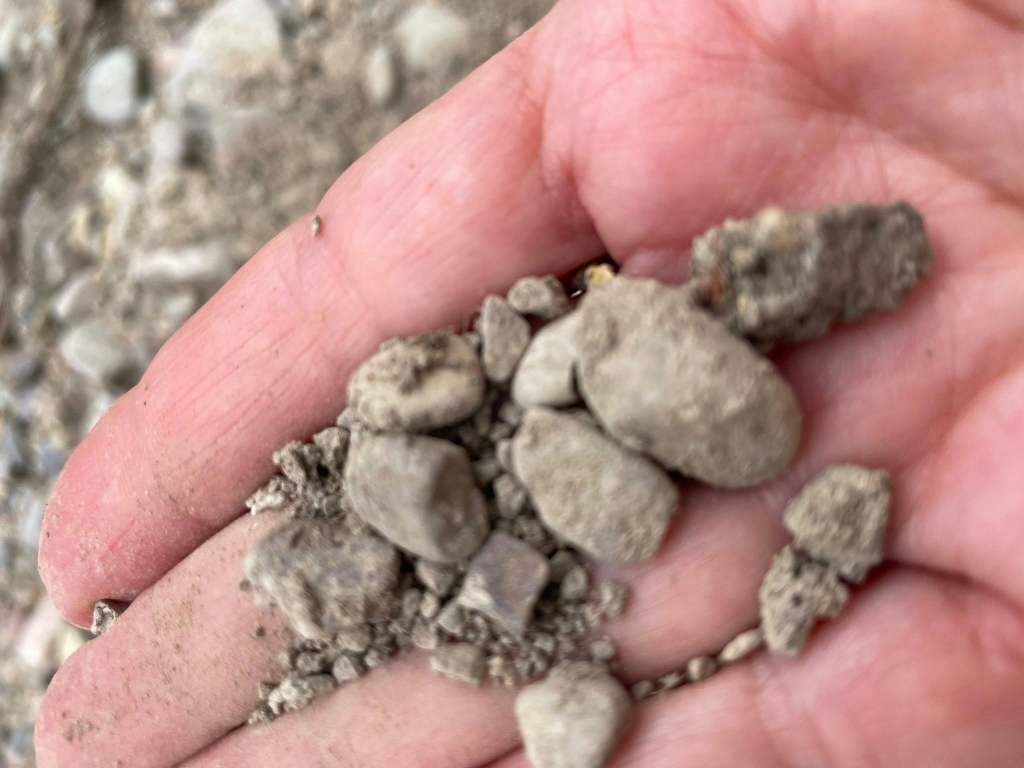
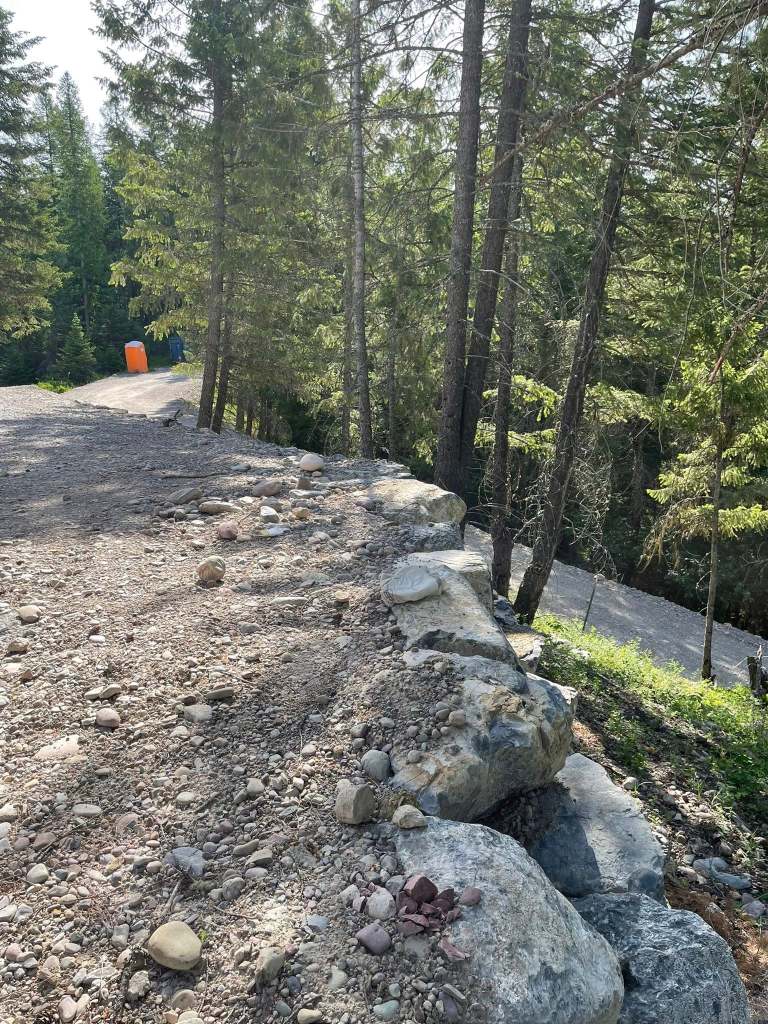
6. Our soil consists of medium, small, and tiny rocks with a dash of dirt/silt. It does seem to drain pretty good, but the area is compacted due to construction.


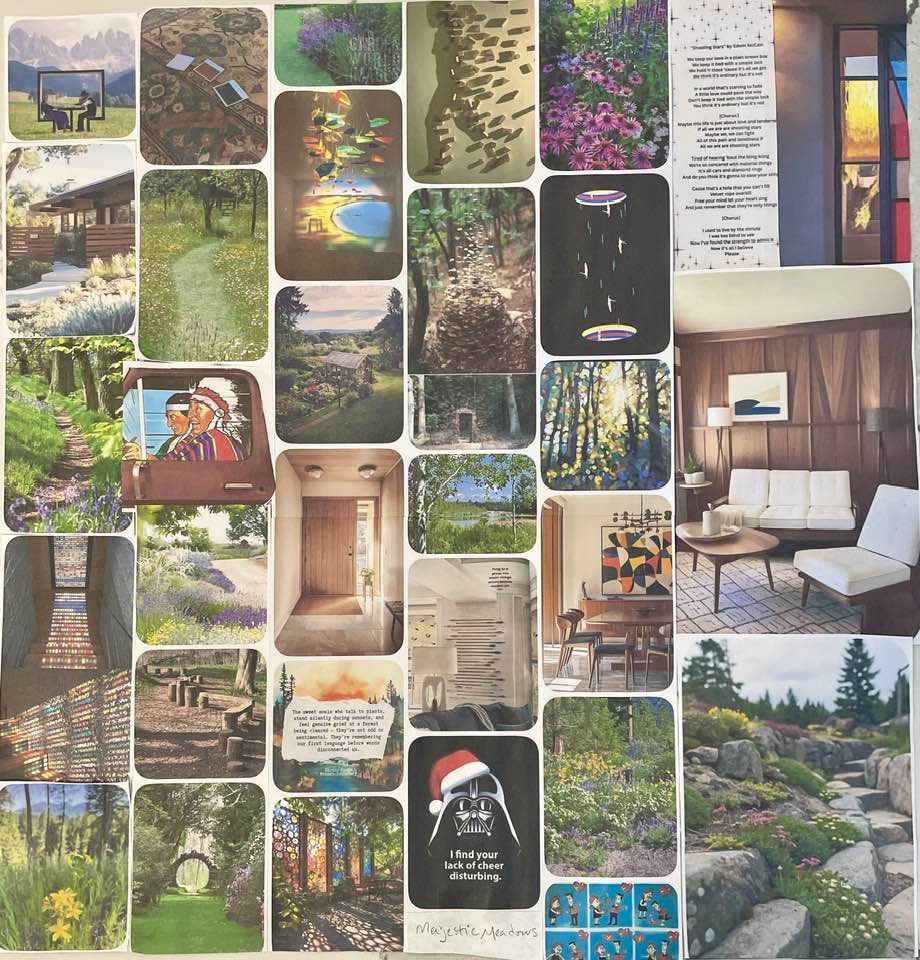
The Pith+Vigor Garden Design course is turning out to be a lot of fun. Sure, it’s informative, but it’s also really engaging. I’m currently working on my garden story, which includes creating two Pinterest Boards where you narrow down your choices. Then you pick your favorites to create a style story. This exercise helps identify your style, then keeps you on track as you shop for your garden. You can see the style story collage I created below:
https://pithandvigor.com/garden-design-classes-online
Pro Tip: Rochelle Greayer, Pith + Vigor suggests taking photos of your garden and using the filter to change them into black and white images. The idea is you’ll notice things you might miss in a color photo, like texture and density.
Garden Groups
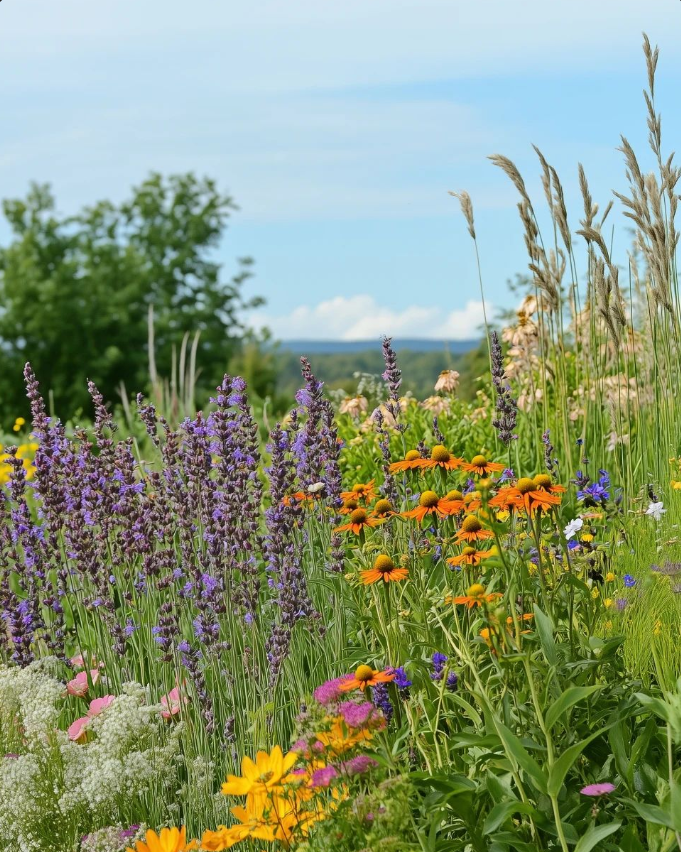
I’ve also reached out to the Montana Facebook Native Gardening group. We’ve always enjoyed meeting folks from our local plant groups. The members of this group have been delightful, offering a warm welcome, advice and helpful resources. One of the members, reminded me about a local resource called DNRC Conservation Nursery. This site has helpful information online. They also sell seeds and small plants/seedlings at affordable prices for restoration purposes. Please note that in our NW Montana environment smaller plants have a better success rate than larger plants.
Local Nurseries
We’ve contacted and visited a local native nursery to see their plants and they’ve got a pretty good inventory. They were pretty busy, so next time I’ll ask for a time frame to meet the garden staff and ask for advice. As you can probably surmise by now, we’re planners, so before we buy any plants, we need to get our plan finished. The natives we’ll use to restore our garden areas will attractive pollinators, birds and other critters.
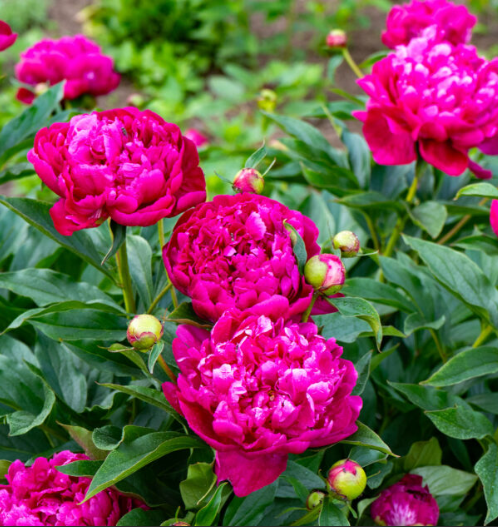
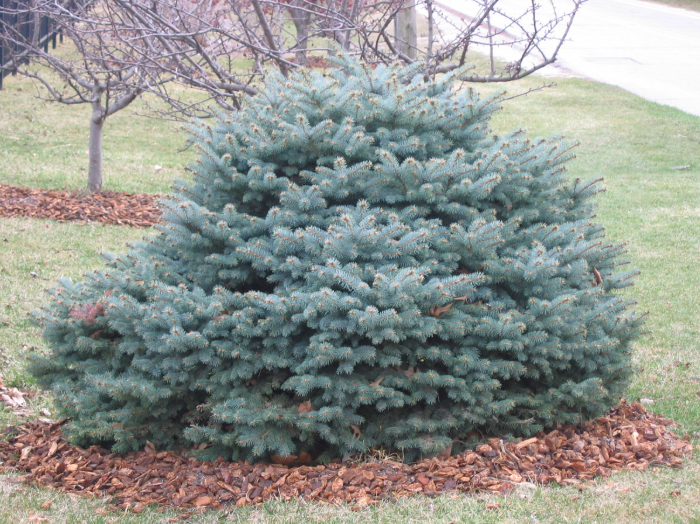
This native focus will not stop us from adding evergreens such as low growing spruce for winter color in zone 3b. Rochelle recommended Peonies, which have big beautiful and colorful flowers for a few weeks in the summer. We’ll be using a blooming/interest plant chart to help us ensure our garden has interest all year long. We can’t wait to visit with other local nurseries in the valley.
Garden – Phase One

An important element of mid-century modern architecture, design and landscaping was to create a harmonious connection between indoor and outdoor spaces. It can be described as clean, contemporary, and functional, often combining hardscapes, plants, and water elements into a livable landscape that naturally suits the home’s architecture. Other MCM elements we’re considering include geometric shapes, bold color, and sustainable gardens.
We’ll also honor the mountain setting with natural hardscapes and native plants that benefit local wildlife. When planning your garden, consider the purpose or functional goal for your garden space. We’re planning places to sit in the sun watching butterflies as they float around the flowers. The three covered porches, one for the front door, and two facing the Swan Range. All of the porches provide shelter and a spot to relax, watch wildlife or eat a meal out of the elements. Porches or in between spaces encourage you to step outside, whether to enjoy the view or take a closer look at a flower. Don’t we all need more time outside?
Pro Tip: Rochelle, Pith+Vigor suggests repeating shapes, plants, and colors, as well as providing contrast by planting dense and airy plants. This sounds simple, but it takes proper planning and skill to do it right.
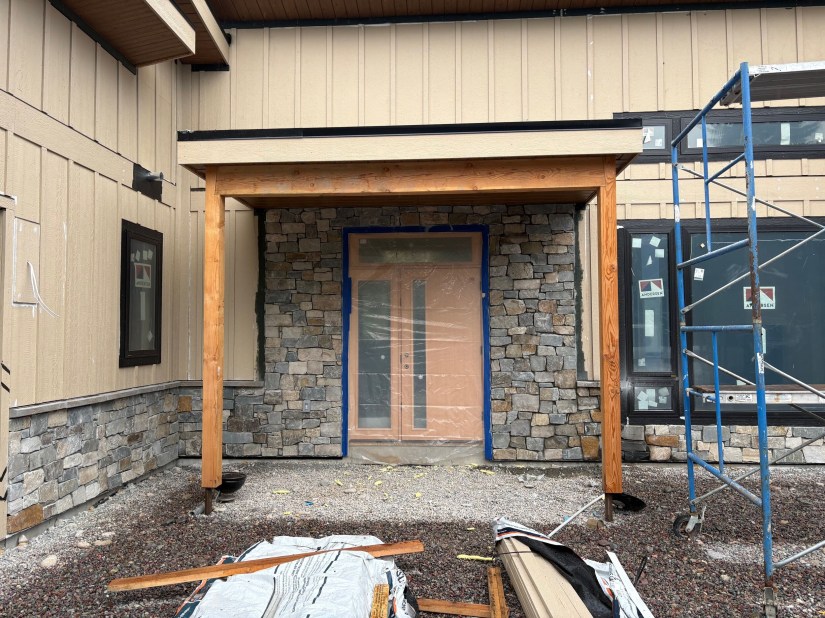
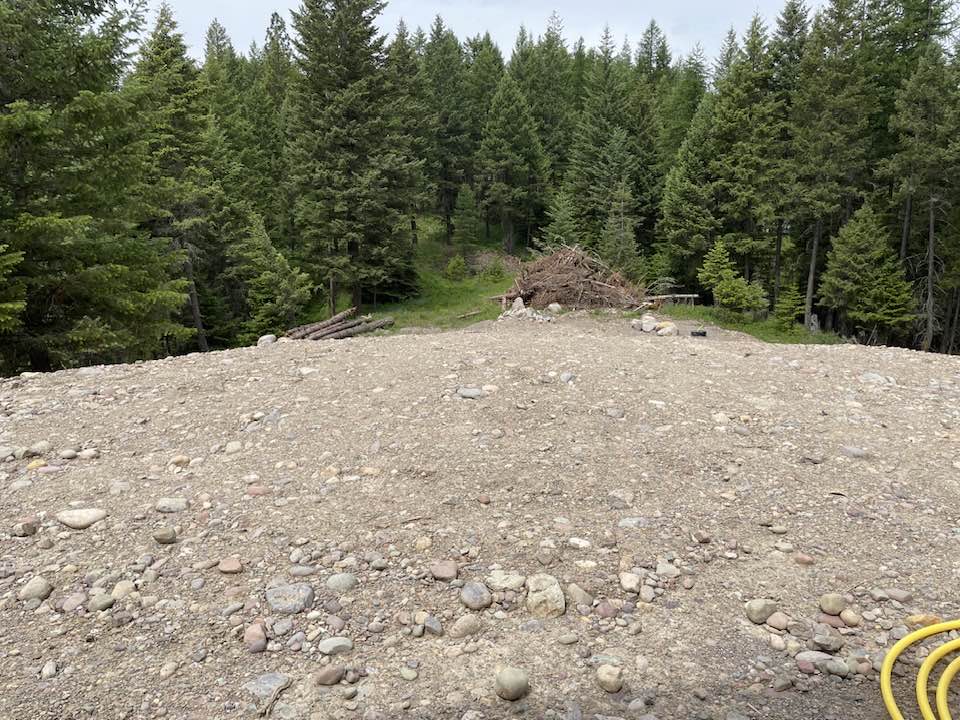
Our initial phase will focus on the garden areas to the east and south of the house. These areas are the most visible and have been stripped bare and compacted due to the construction. We’ll buy more of the thriving existing native plants, lupine and Arrowleaf Balsamroot, as well as other wildflowers, grasses, evergreens, and flowering shrubs. We’ll also look for a tree or two for focal points in the garden.
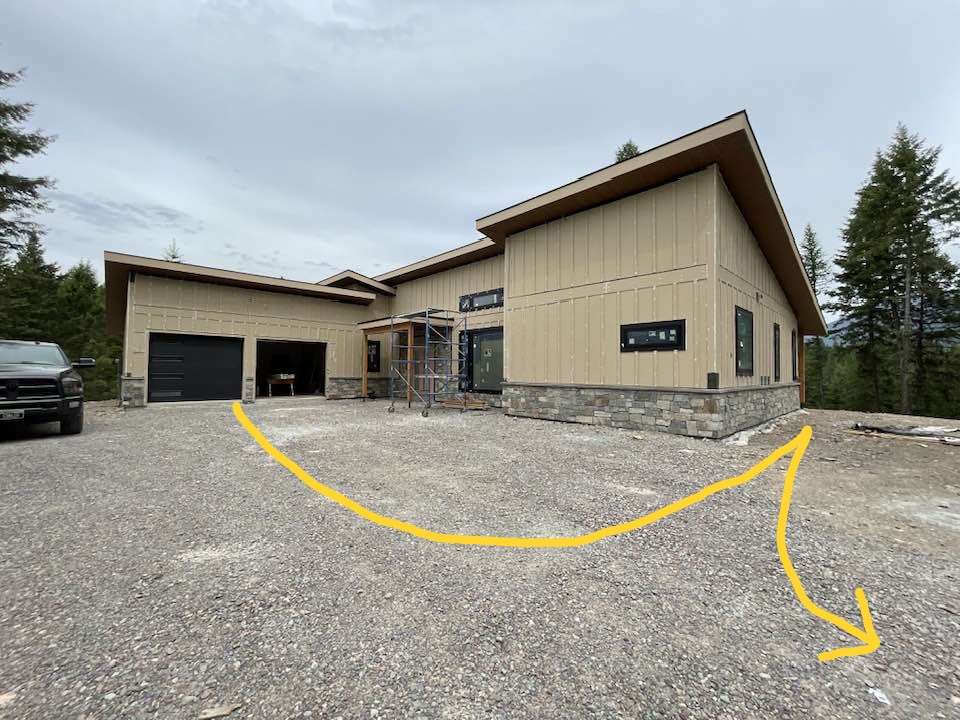
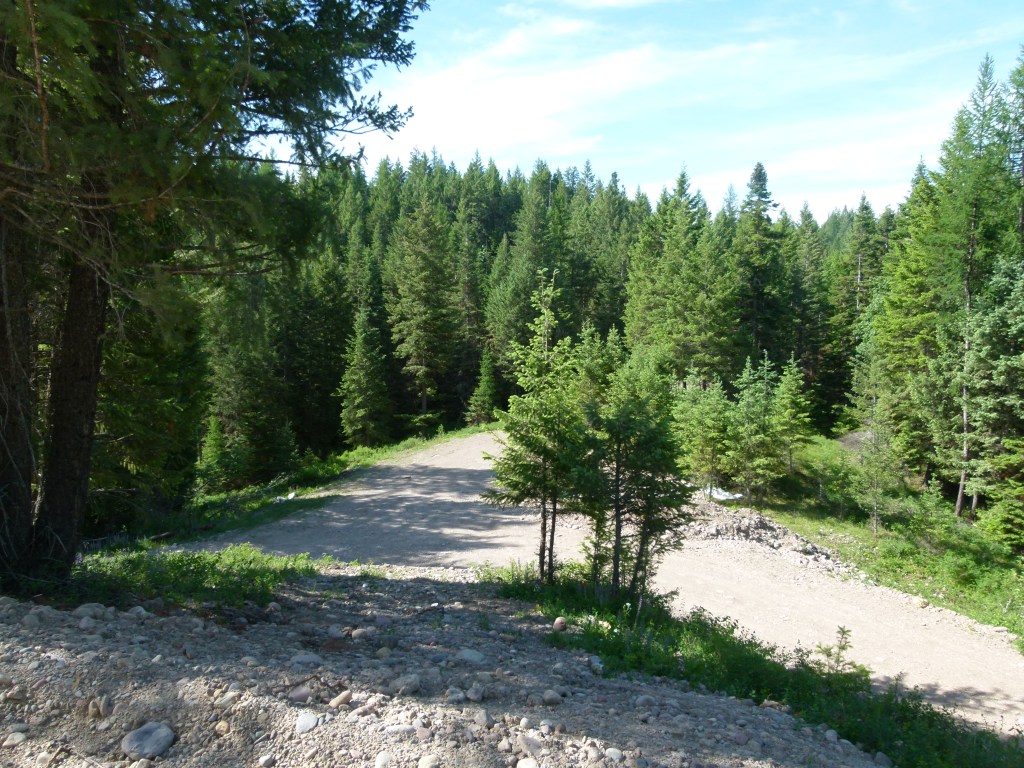
Take a look at the driveway in the picture below. As you can see, we’ve got plenty of space to turnaround and go down the driveway. We tried this on our last visit, and it works great. If we didn’t have space to turn around, we would have to back down the sloped (6%) driveway. You could also turn around at the bottom and back up into the driveway, but who wants to do that every day?
As you can see in the pictures below, even with the turnaround, we still have plenty of garden space east of the house. A bench placed along the edge overlooking a butterfly garden would look beautiful with a few bordering slow-growing spruce. Add some peonies or native flowering shrubs and you’ll have interest all year long. The peonies thrive in Montana, plus they have varieties that extend their flower season. I’d love a water feature at the center, something tall enough to see over the plants, but shallow for the birds and bees. We’ll create balance by repeating plants, colors, and using a combination of dense and airy plants. We’re not ready to select plants yet, but we’ll be choosing 80% natives and 20% ornamental perennials.

We’ll use the same plants south of the house and driveway. In this space, I picture an elongated circle trailing down the sides of the bench on each end. We’ll need another focal point from the dining room window, maybe a small tree with spring flowers, that’s green in the summer and has fall colors. Heck, if it’s pruned correctly, we’ll even have an interesting branch pattern in the winter.

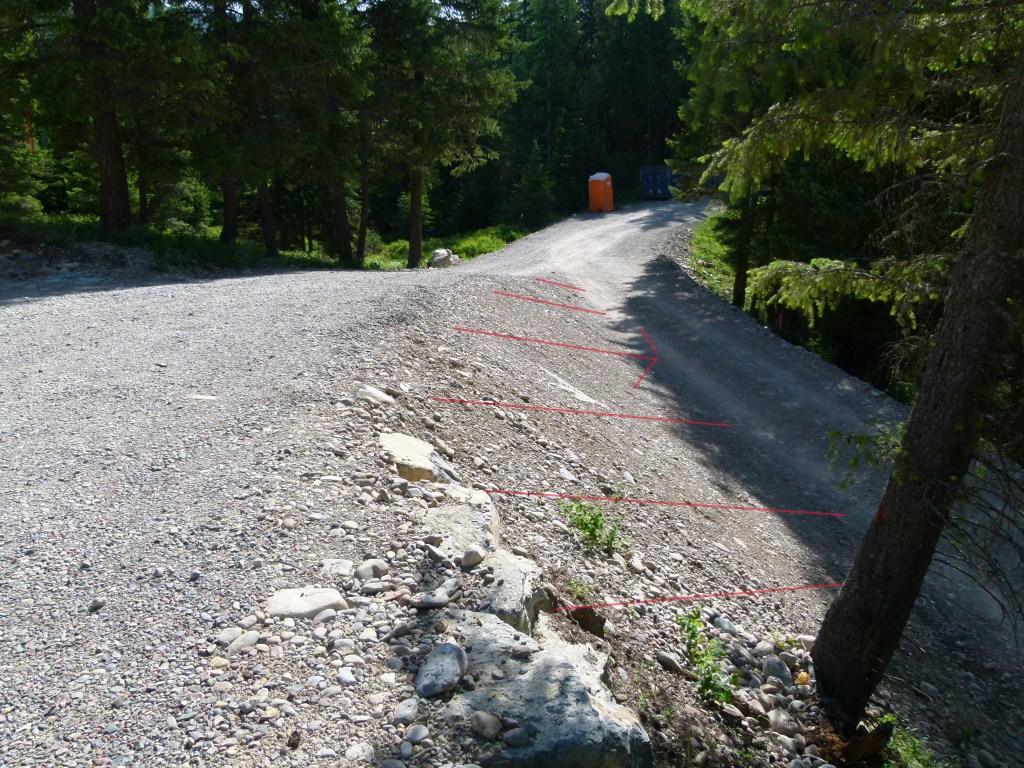
Can you see the 28-degree slope on our garden area next to the driveway below? Small seedlings will help stabilize the slope and the plants will love all the sun they get in this south facing spot. You definitely want to plant low maintenance plants here because it would be very difficult to maintain them. All these native plants will provide habitat for critters, including food and shelter.
Garden Phase Two
We’ve done a pretty good job of being fire-wise with the house and within 5 feet around it. We’re hoping the DNRC will help us thin out the thick pine woods bordering us and 12 neighboring homes. We won’t be clear cutting any of our woods, but they’ll be healthier thinned out and with dead trees removed. We’re also concerned about removing invasive species. These noxious weeds will crowd out natives that the local butterflies, bees and critters need to survive.
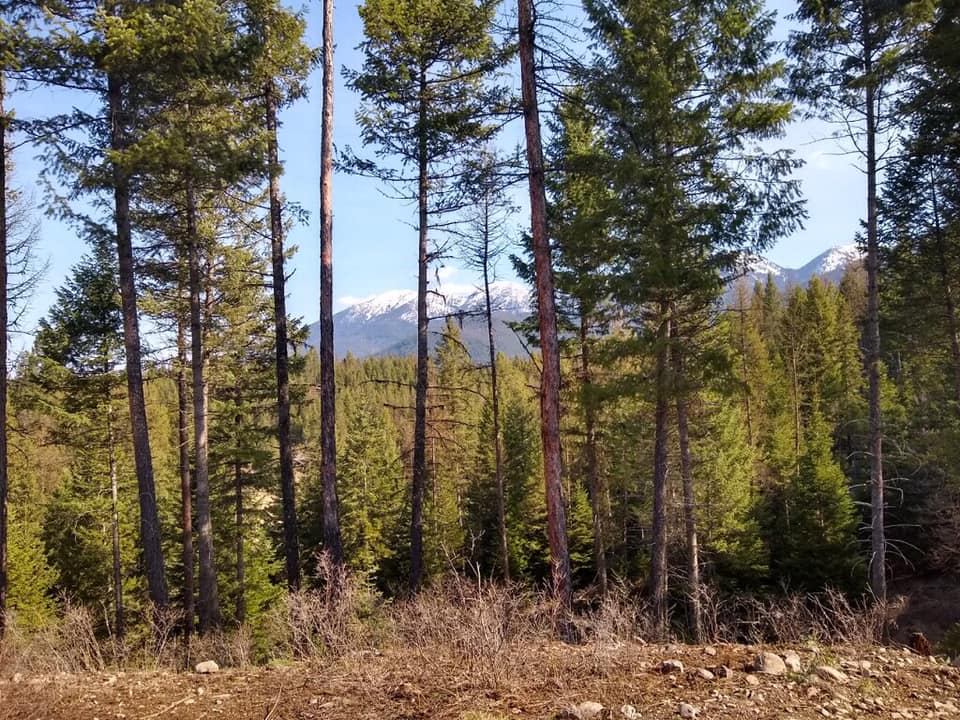
Our new gardens should be beautiful, but restoring areas impacted by our utility systems is also important. The septic, well, and electrical work cleared a southern meadow leading to our drain field. This restoration area is about 500′ long and 25′ wide. The electrical and buried propane tank also cleared out a space that will need restoration. These areas will be seeded with native grasses and wildflowers for maximum coverage at the cheapest price.
The remaining 12 acres have a mix of rolling hills, meadows, dense woods, wildflowers, grasses and a labyrinth of deer trails. We’ve seen other natives, like trillium during our walks around the property. We’ve got several spots that offer additional mountain views. Those pretty yellow flowers you see below might be noxious weeds, so we’ll consult a local expert to help identify weeds, as well as natives on our property.

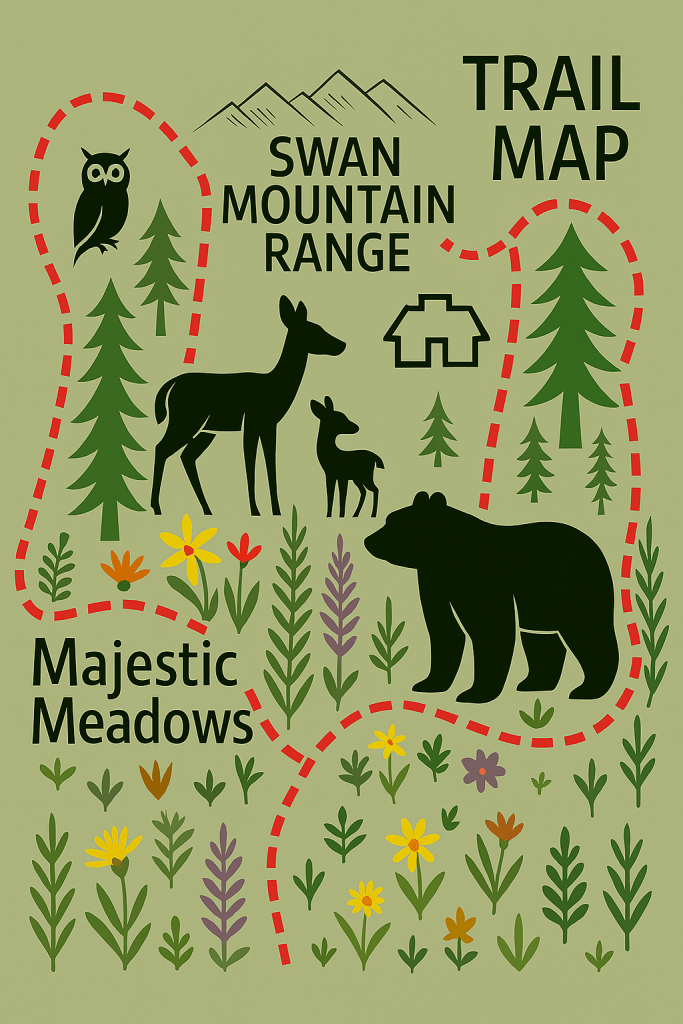
We’ll use a few of those deer trails along the ridgelines and down into the meadows to create a one-mile trail around the property. I’ve envisioned a magical journey. One climbing hills, finding treasure, and balancing on top of ridgelines while the birds sing. We’re mere visitors among the wild things and aren’t we lucky?
During the next two months, we’re focusing all resources on getting the house finished. That means I’ll have lots of updates showing the final finishes. I’ll also give you sneak peaks into the Pith+Vigor garden design course. We’re also packing up the Florida house for our move to Montana.
If you subscribe below, you’ll never miss an update!
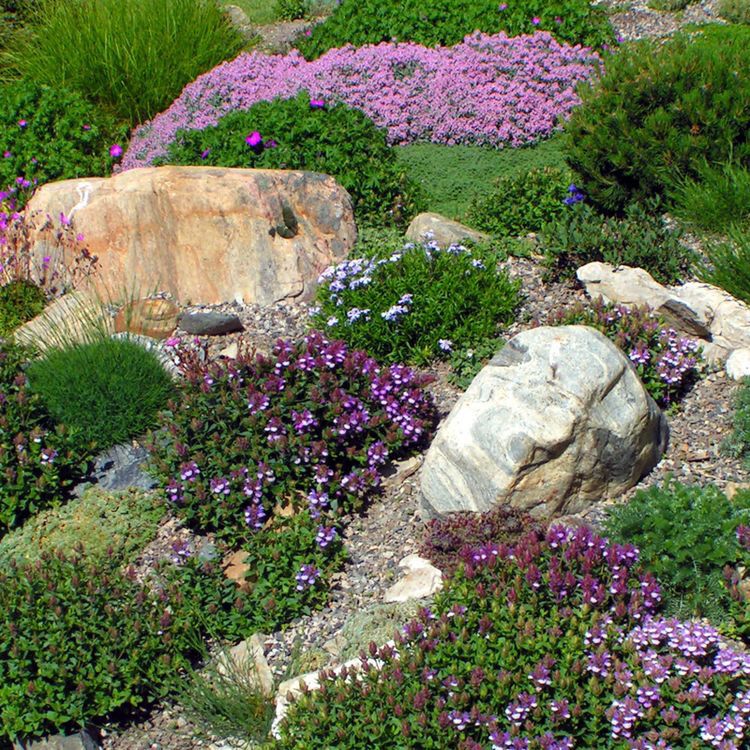
I share more tips for gardening in the mountains in the post below:
If you’re looking for fool-proof gardening tips, you can find them here:

Looking for tips for growing in warmer climates, you can find them here:


 Design, Garden, & Travel by Majestic Meadows
3 thoughts on “Garden Design – Majestic Meadows”