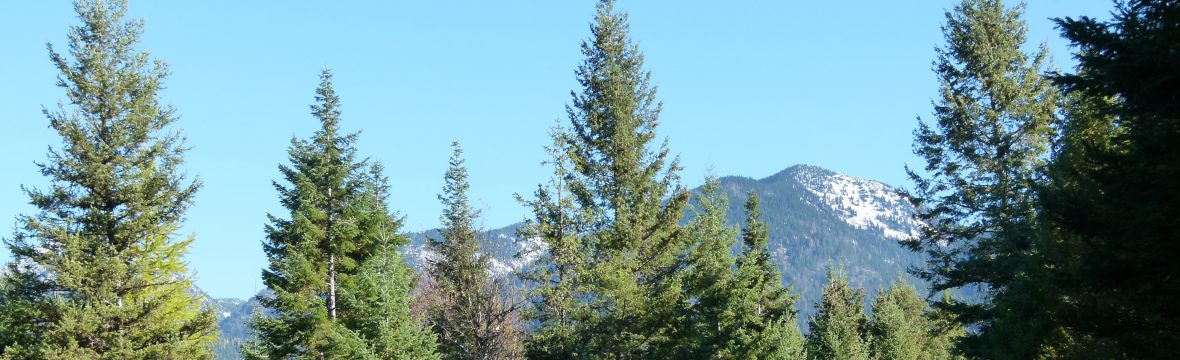

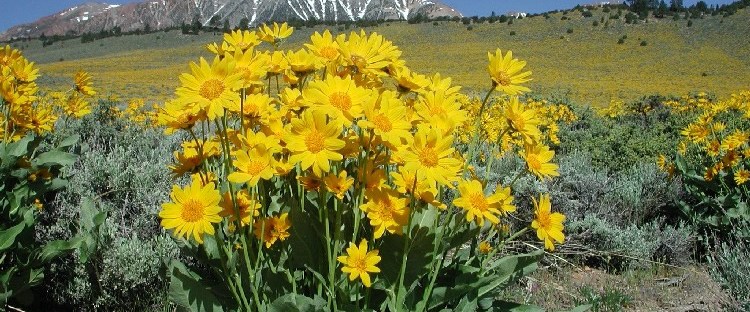
Although calendar spring is less than a month away, historically in NW Montana the last frost can occur in early June. It’s been an unusually warm winter, including very little snow and it feels a lot like spring already. At least it has rained and hopefully, the snow or rain will continue through June to reduce wildfire risk this summer. In today’s post, I’ll share the work we’ve done so far, what plants will bloom this spring and the many benefits of “Meadowscaping” with natives.
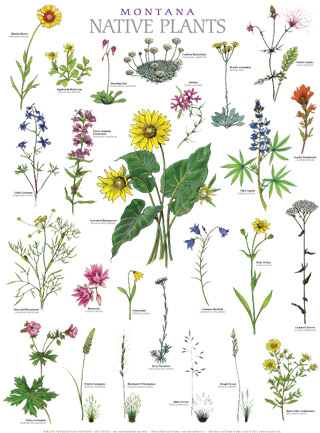
After moving into our new house last fall, we worked to restore garden areas destroyed by the build including gardens near and farther away from the house. Meadowscaping uses native wildflowers and grasses instead of a lawn. It is getting popular for lots of reasons. This landscape style needs less watering, survives regional weather better, and keeps pollinators around. Native plants like Prairie Junegrass, Western Yarrow, and Serviceberry shift with the seasons instead of staying frozen in a single shade of green. The vast majority of the plants on the property will be native trees, shrubs, bunchgrasses and wildflowers.
Once it’s established, the garden won’t need much work. We will skip the weekly mowing and quarterly fertilizing. Instead, our yard will be a habitat with layers of texture, seasonal blooms, and visible life. It will change throughout the year and won’t look like anyone else’s garden.
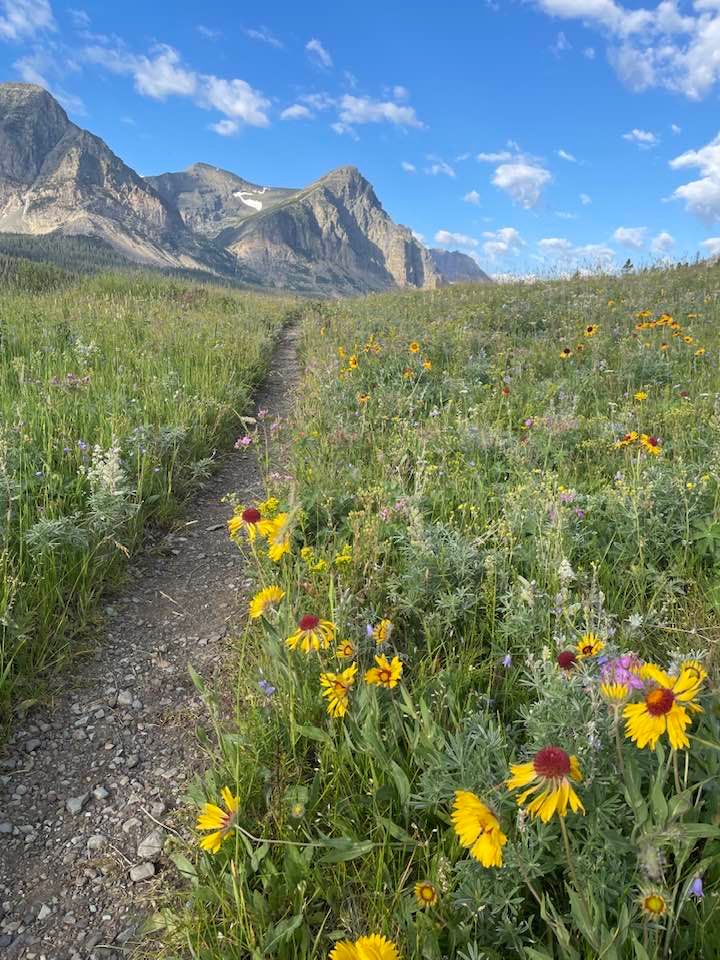
As I’ve shared in prior posts, we added a few inches of garden soil around the house and along the road to our well and septic field. The soil has helped the native bunchgrass and wildflower seeds germinate. It also makes it easier to install plugs or other small plants in the future. Spreading seeds in the fall meant we didn’t need to water them, and we’ll have plants the first year. The native seeds we bought from The Center for Native Plants need cold stratification to germinate and are adapted to NW Montana’s climate.
Native Bunchgrasses
The cool season native bunchgrasses have started to poke their way through the soil. These native grasses can be found in prairies and open meadows. They are ideal for naturalizing a meadow garden, restoration of native prairie or as a low maintenance lawn. They will bring early season interest to the garden, and their root systems help to stabilize soil. Here are two that should sprout this spring:
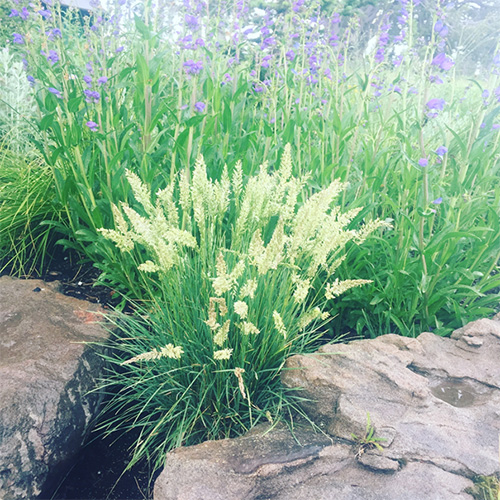
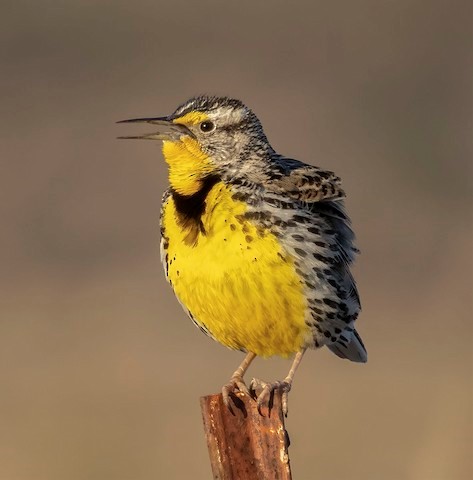
- Prairie Junegrass is a perennial, cool season grass, upright in growth, with fine-textured tufts of leaves topped by narrow erect flower panicles. Growth height ranges from 0.5 to 2 ft. tall. Newly emerged inflorescences (seedheads) are light green and translucent, 2 to 5 in. long and stand well above the foliage. The grass dries to a pleasing buff color and can be used in hot, dry sites. This grass provides essential habitat for bees, butterflies, moths, and hummingbirds, which rely on its flowers for nectar and pollen. Common birds that visit Junegrass include Clay-colored Sparrows, Bobolinks, and Western Meadowlarks. The dense bunchgrass structure also serves as nesting habitat for ground-nesting species like Sedge Wrens and Le Conte’s Sparrow. We look forward to hearing and seeing the Western Meadowlark pictured below in the garden:
- Anatone Bluebunch wheatgrass is a native, long-lived, perennial cool season bunchgrass common throughout semiarid areas of the Intermountain West. Plants are 18 to 40 inches tall with abundant leaves that are green to blue in color. This grass provides essential seed and cover for ground-nesting birds, contributing to the ecological health of grassland ecosystems.
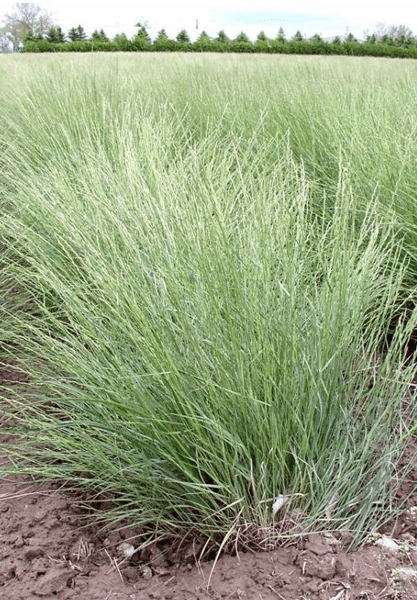
In addition, we have two other bunchgrasses that emerge in spring: Sandberg Bluegrass High Plains and Slender Wheatgrass. All these grasses contribute to the meadow’s lush and airy landscape. They have graceful flowering stems, and the nutritious seeds attract birds, while their ability to thrive in diverse soil conditions showcases their resilience. The meadows will feature meandering paths, and the gentle sway of these grasses will create a serene and inviting space. These grasses make a perfect backdrop for relaxation and contemplation.
Nothing Gold Can Stay
Nature’s first green is gold,
Her hardest hue to hold.
Her early leaf’s a flower,
But only so an hour.
Then leaf subsides to leaf,
So Eden sand to grief,
So dawn goes down to day.
Nothing gold can stay.
Robert Frost
Native Wildflowers
Providing food for pollinators, such as bees, butterflies, and birds beginning in spring and continuing throughout the year is critical. Plus, it is awesome to have lovely blooms or interesting foliage year-round. There are few things better than seeing spring flowers after a long winter. These low maintenance plants require less water and upkeep, plus we won’t need fertilizers. Here are some of the wildflowers that will bloom in the spring:
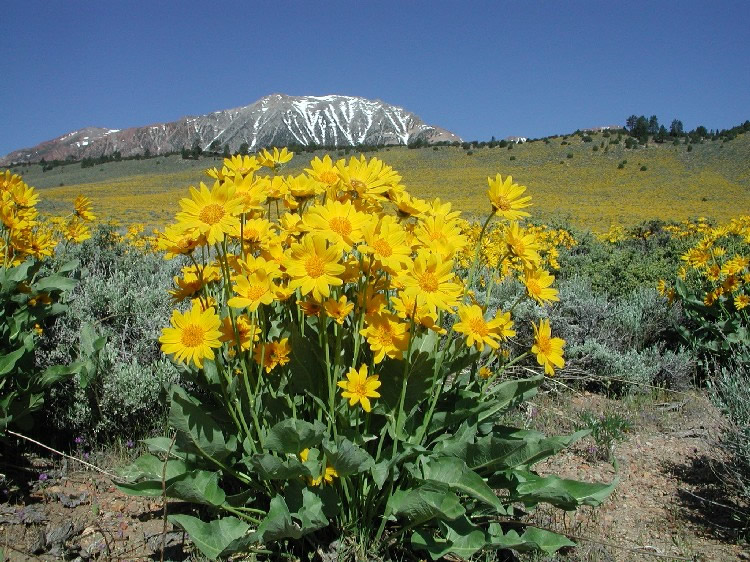
- Arrowleaf Balsamroot is a long-lived perennial plant with sunflower-like flowers and arrowhead-shaped, silvery white to green leaves. Both pollinators and birds benefit from these low maintenance plants. This plant supports native bees, beetles, butterflies and is a larval host for various moths. They bloom in late spring and provide long lasting color.
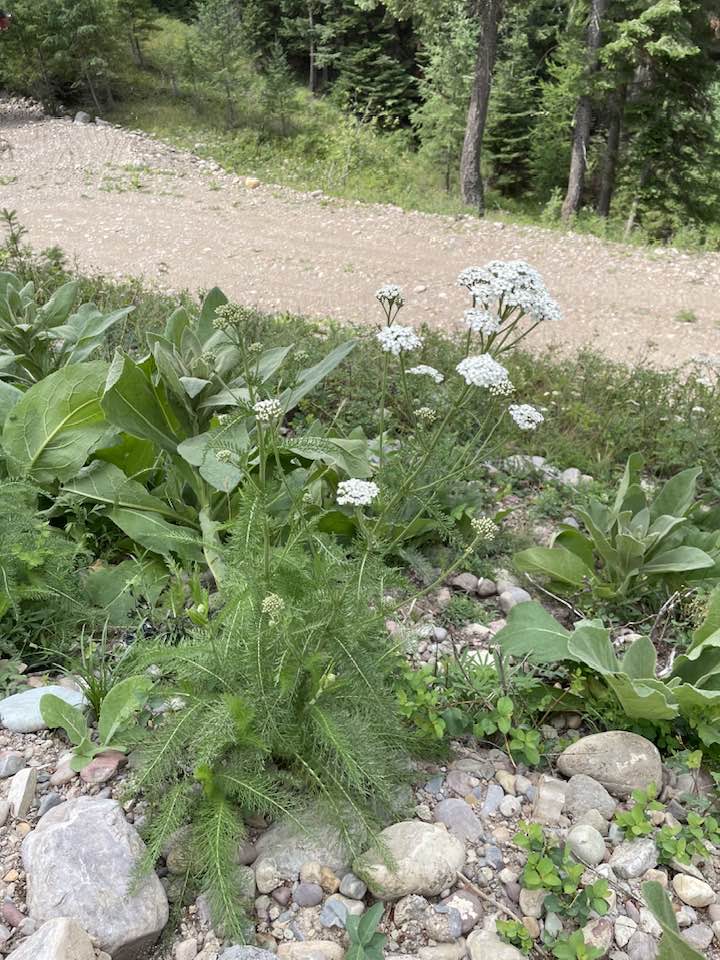
- Western Yarrow grows in virtually every habitat type that is not deeply shaded: meadows, prairies, roadsides, forest edges, dry hillsides, alpine slopes, and disturbed areas. It thrives in full sun and dry to moderately moist soil, tolerating drought, poor soil, and significant foot traffic. The flat-topped, compound flower clusters of tiny white to cream flowers bloom from spring through fall. They provide exceptional value for pollinators — a single yarrow plant can support hundreds of insect species over the course of a season. Western Yarrow pictured below and we’ve worked hard to eliminate the invasive Mullein that is also in the picture:
The seed mixes we spread last fall included over 20 different native wildflowers, most of which bloom in the summer. We are excited to enjoy a tapestry of colors, shapes, and fragrances from these native wildflowers. Adding native wildflowers to the meadow creates a vibrant display that is both stunning and ecologically significant. The meadows offer sanctuary for pollinators and a place where time seems to stand still, inviting visitors to appreciate the beauty of nature’s gifts.
Native Trees & Shrubs
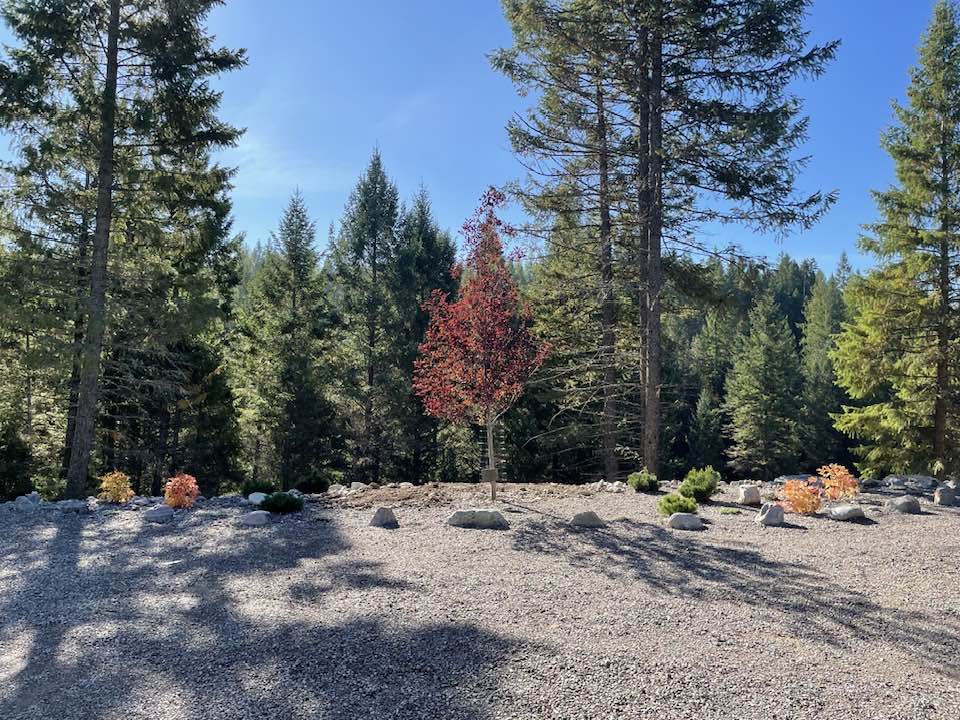
We also added small native pollinator plants and a deciduous Canada Red Choke Cherry tree to a garden bed on the south side of the driveway. There are plenty of Douglas Fir, Grand Fir and Larch trees on the property, but it will be nice to have some additional plants to add interest to the garden. Although not native, Dwarf Mugo Pines will ensure we have a bit of green in these beds year-round. All these plants and the native perennials that will grow from seed will add color, texture, and habitat for wildlife in the garden.
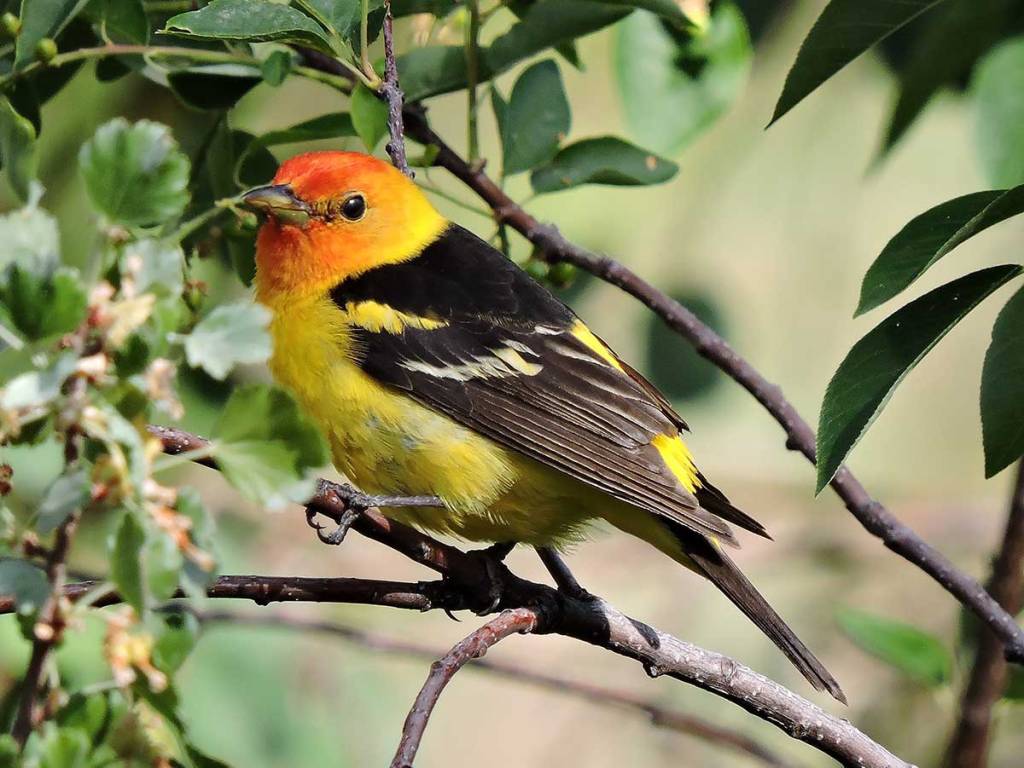
- Canada Red Choke Cherry is a hardy ornamental tree known for its striking foliage, adaptability, and cultural significance, thriving in various conditions across North America. The native tree features bright green leaves that turn a vibrant reddish-purple in summer, providing a stunning visual display. It produces small white flowers in spring, followed by dark red fruits from July to September. It attracts several species of bumblebees, butterflies and moths. It is a host plant for numerous birds, including Wilson’s warblers, American redstarts, and western tanagers, which feed on insects and caterpillars. The fruit can be used in jellies and sauces despite their tartness. It’s height of 20-30 feet and spread of 10-15 feet make it suitable for various landscaping applications. The Canada Red Choke Cherry has historical importance among Indigenous peoples of North Ameria, who have utilized its fruits in traditional foods and medicines. Check out the color in both the Serviceberry tree and Western Tanager below:
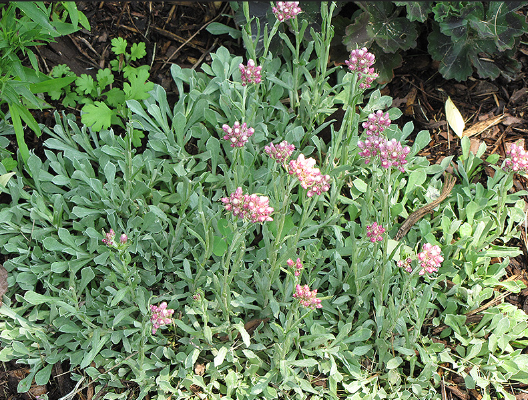
- Rosy Pussytoes form wonderful, evergreen mats covering the ground throughout the four seasons. In the spring, leafy flower stalks arise from the centers of the older rosettes and look like cat’s toes. The inconspicuous, yellow flowers are surrounded by rose-colored bracts, hence the name. These plants host the American Lady butterfly caterpillars, but do not be alarmed when you notice the black, bristly caterpillars devouring the plant. In about two weeks, they will be gone and the plants will recover quite nicely.
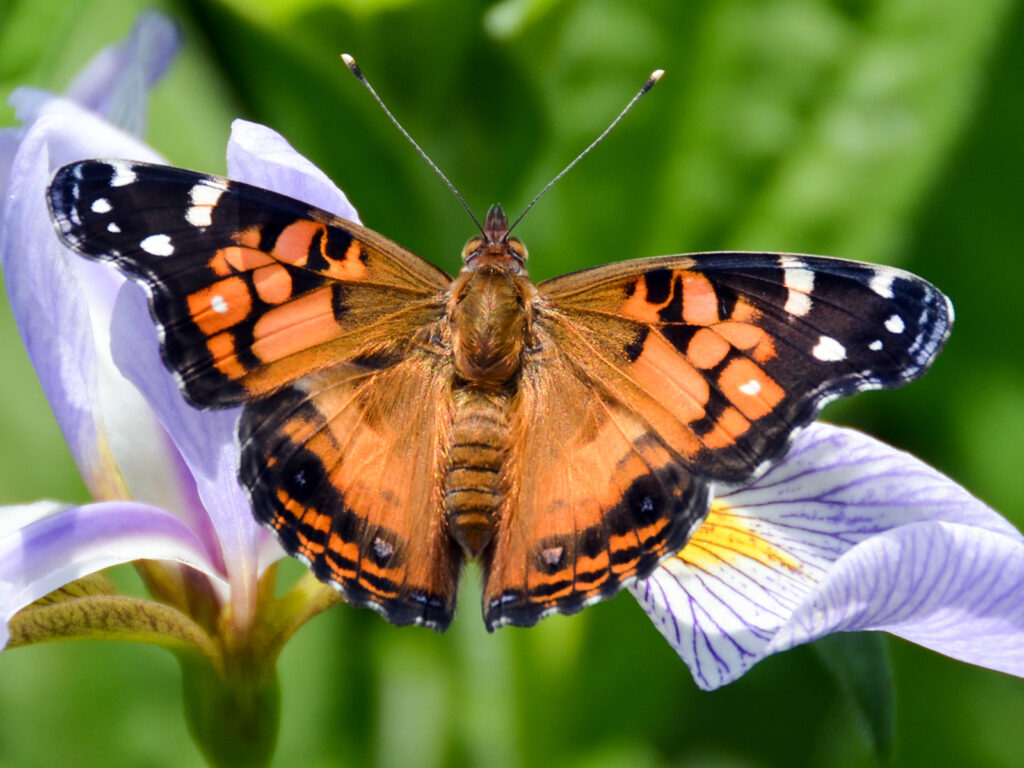
In addition to these two plants, we’ve also added native Stonecrop and peonies to the driveway garden. Adding additional natives and perennials to the meadow gardens will enhance the design. By incorporating a variety of plants, we will create a dynamic and inviting space that reflects the beauty and complexity of nature. Varying the size, texture, and color of plants is crucial for several reasons:
- Visual Interest: Plant height variations create layers and depth, making the garden more interesting and visually appealing. Different textures create depth and intrigue, making the garden more dynamic and engaging.
- Guides the Eye: Taller plants can act as natural guides, leading visitors through the garden and enhancing the overall experience.
- Perception of Space: Tall plants can define the boundaries or create intimate “rooms” within a larger garden, contributing to its structure and function. Fine textures can make a space feel larger, while coarse textures can create a more intimate atmosphere.
- Encourages Biodiversity: Varied vertical structure supports different wildlife species by providing diverse habitats. Different colors can attract various pollinators, such as bees and butterflies, which are essential for the health of the garden ecosystem.
- Improves Microclimate: Taller plants can offer shade and wind protection for more delicate, shorter plants, creating a more comfortable environment.
- Contrast and Harmony: Using color theory can help create a balanced and harmonious garden, enhancing the overall experience of the space. Juxtaposing different textures and colors can prevent monotony and create visual excitement.
- Mood Evocation: The color palette in the garden can significantly influence the mood of its inhabitants. Cool colors like blue and green are known to promote calmness and relaxation making them ideal for peaceful retreats. In contrast, warm colors such as red, orange and yellow evoke energy, excitement, and joy, making them suitable for a lively gathering. Soft textures can evoke tranquility, while bold textures can add drama and excitement.
Additional Trees and Shrubs
Deciduous trees and shrubs are a good choice close to the house because they offer spring flowers, foliage in the summer and vibrant fall colors. Deciduous plants are preferred to conifers near the house because of their higher moisture content. This moisture helps reduce flammability and prevent the spread of fire. Conifers, on the other hand, have drier leaves and higher resin content, which can make them more susceptible to wildfires. Here are some of the trees and shrubs we are planning to add to the meadows around the house:
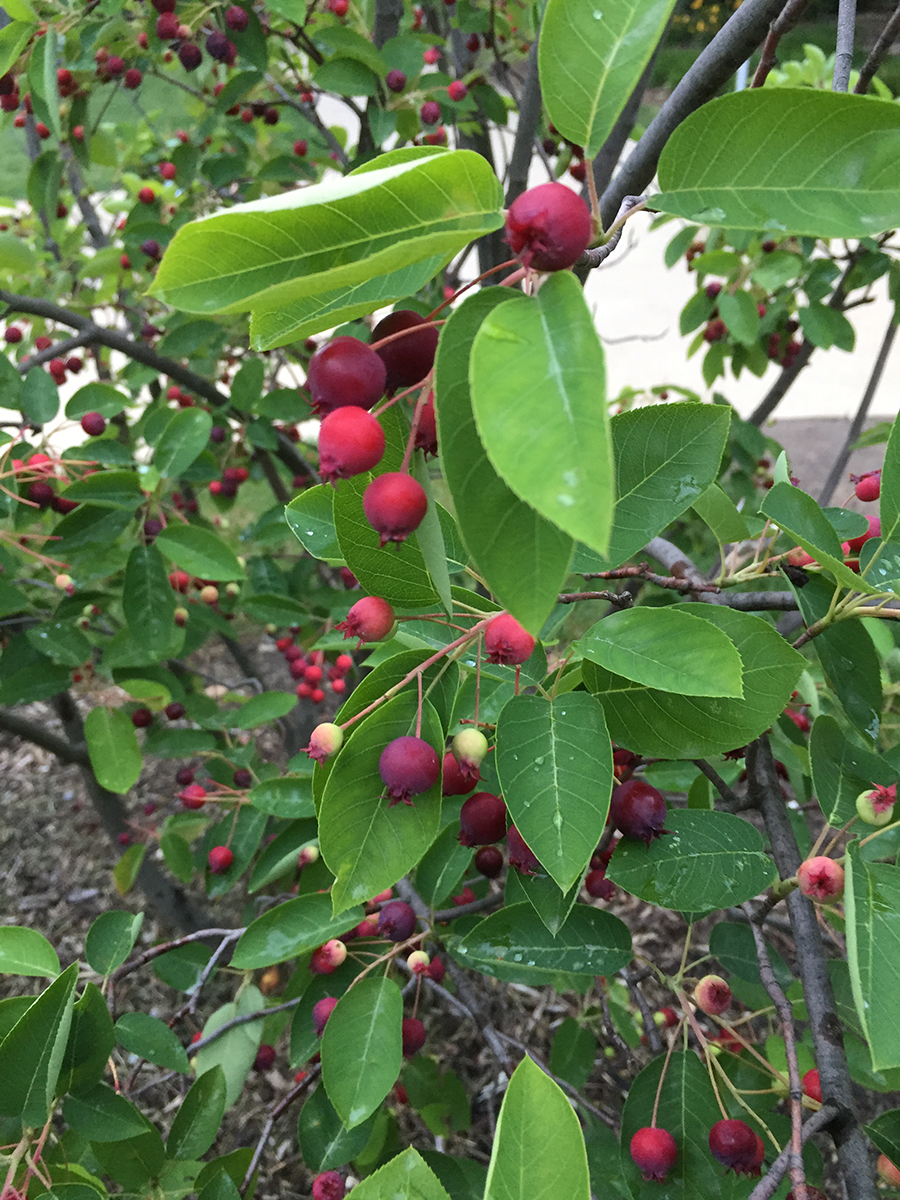
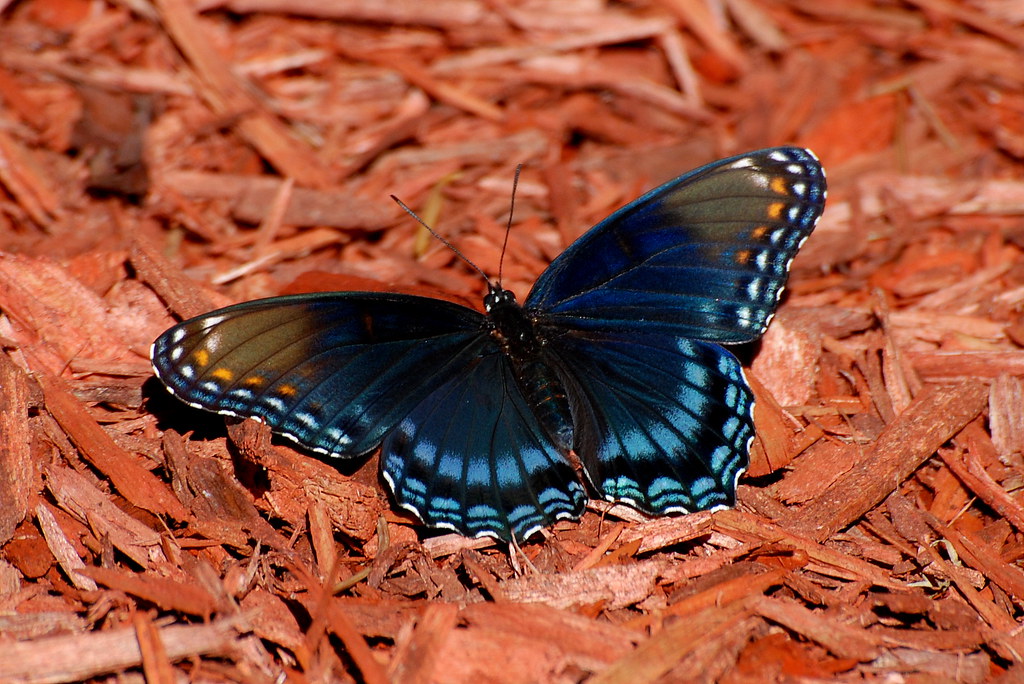
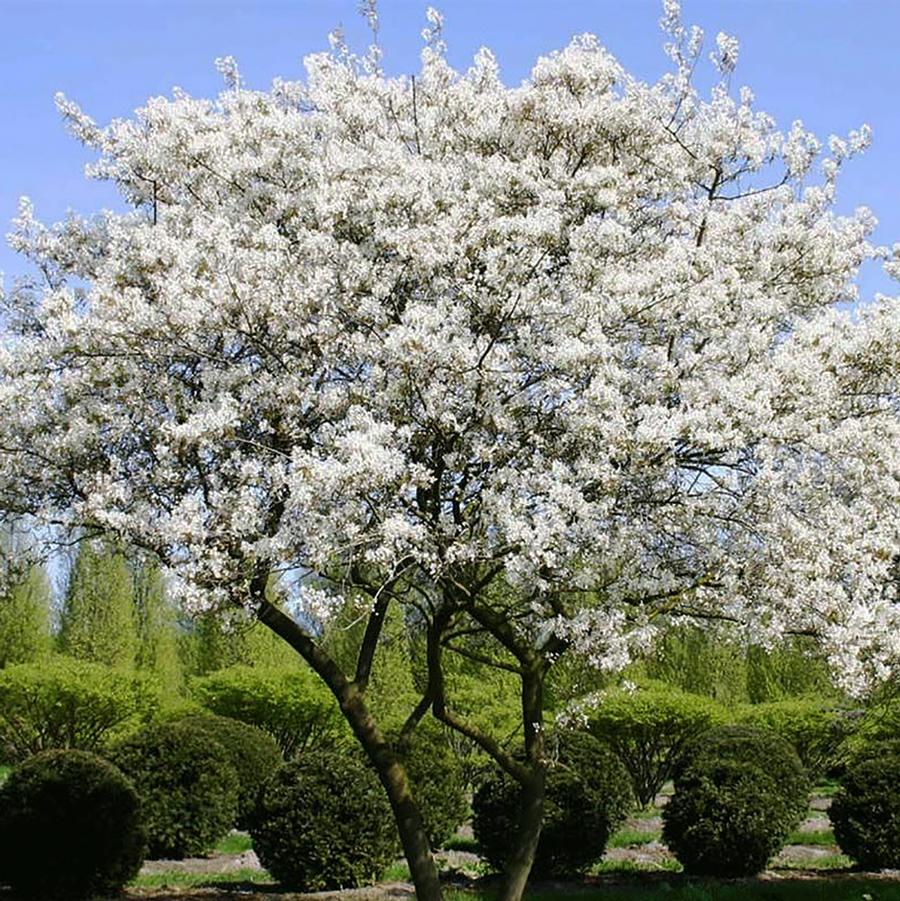
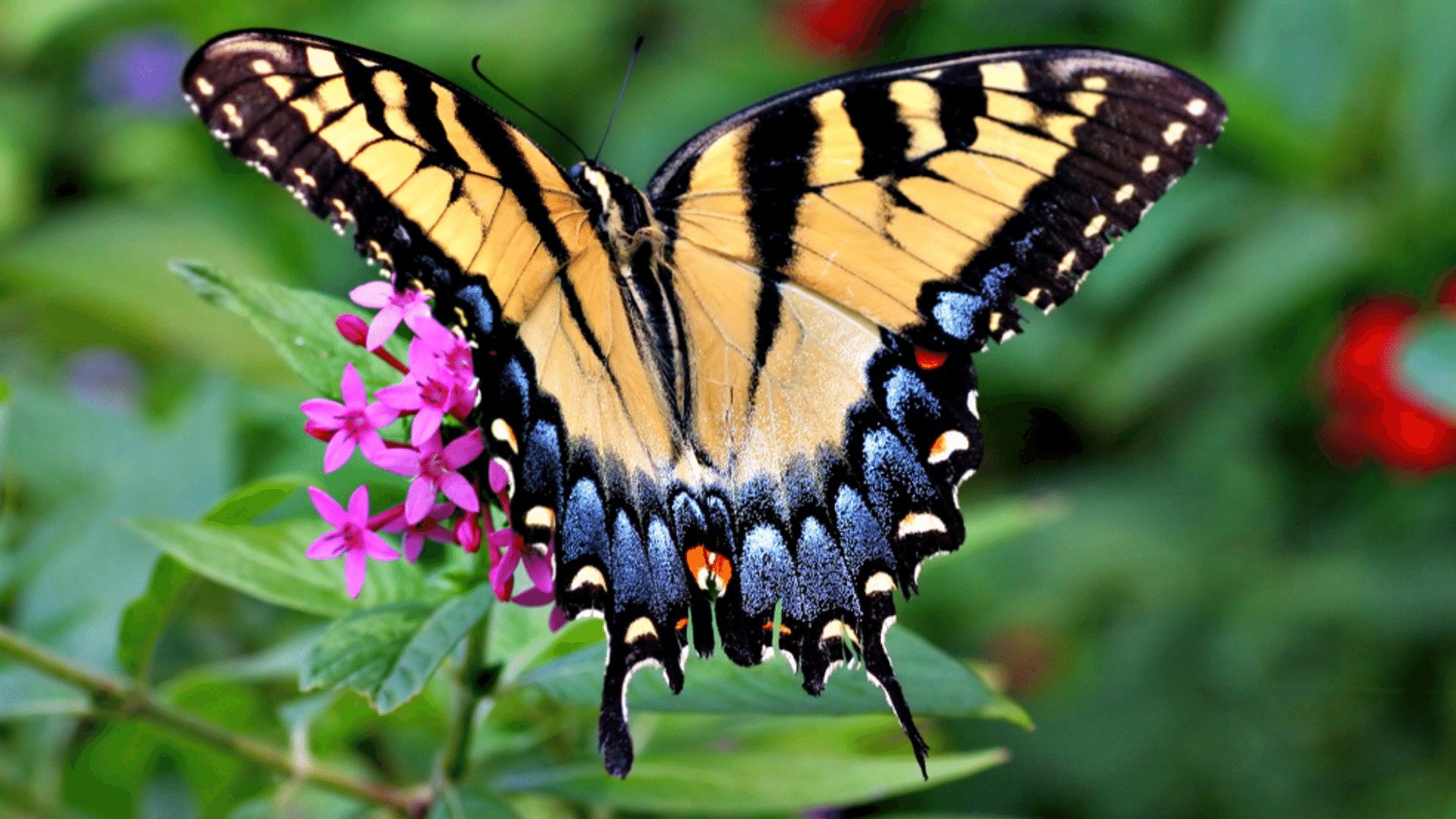
- Serviceberry Amelanchier is a small native deciduous tree or shrub known for their stunning seasonal changes, including attractive white spring blossoms and vibrant autumn foliage. The flowers attract native bees for their nectar and pollen. They also attract Ruby-throated hummingbirds. It serves as a host plant for 115 species of butterflies and moths, including the Red-spotted Purple and Eastern Tiger Swallowtail. The edible fruits are consumed by American robins, catbirds, cedar waxwings, and mockingbirds, as well as small mammals. This tree plays a crucial role in supporting the local ecosystem by providing food and shelter. The serviceberry should be used in every garden in NW Montana, whether as a specimen plant or borders.
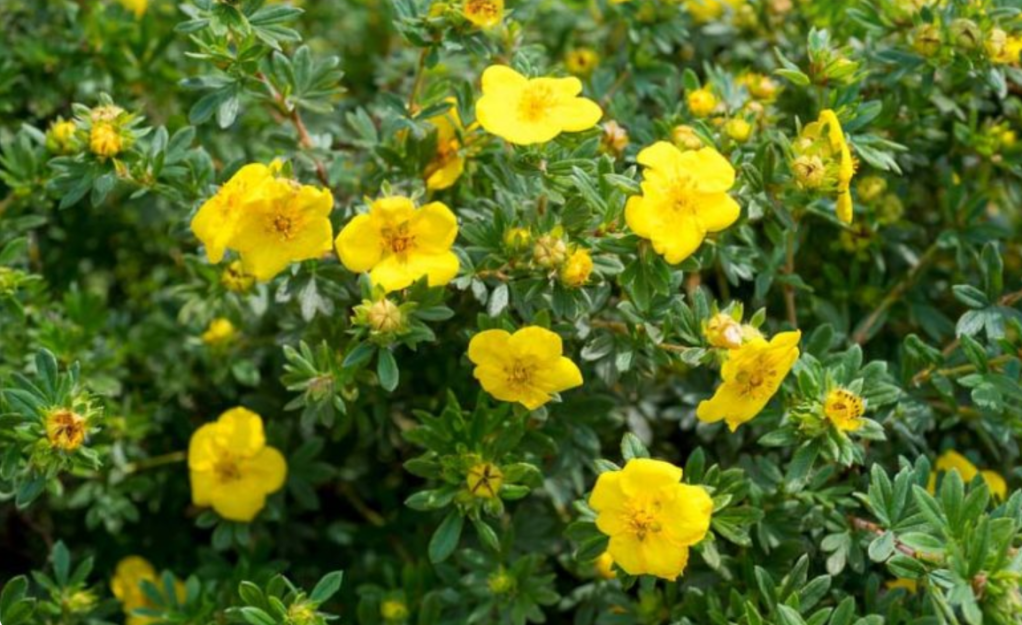
- Shrubby Cinquefoil is a native shrub that thrives in a variety of habitats, including moist grasslands, meadows, open forests, exposed slopes, ridges, valleys, and alpine areas. The reddish-brown stems and green leaves are offset by the bright yellow flowers that emerge in spring. It has a long bloom time, exceptional hardiness, and low maintenance. Native bees and butterflies, as well as moths and their larvae rely on this plant. Various birds will eat the seeds from the shrubby cinquefoil. This plant requires at least 6 hours of sunlight and stays relatively small at two feet tall and wide.
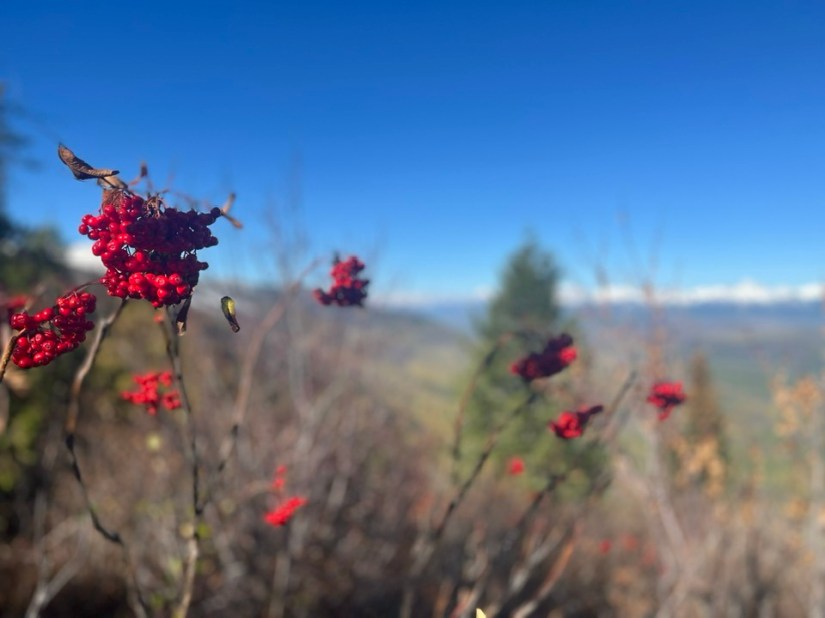
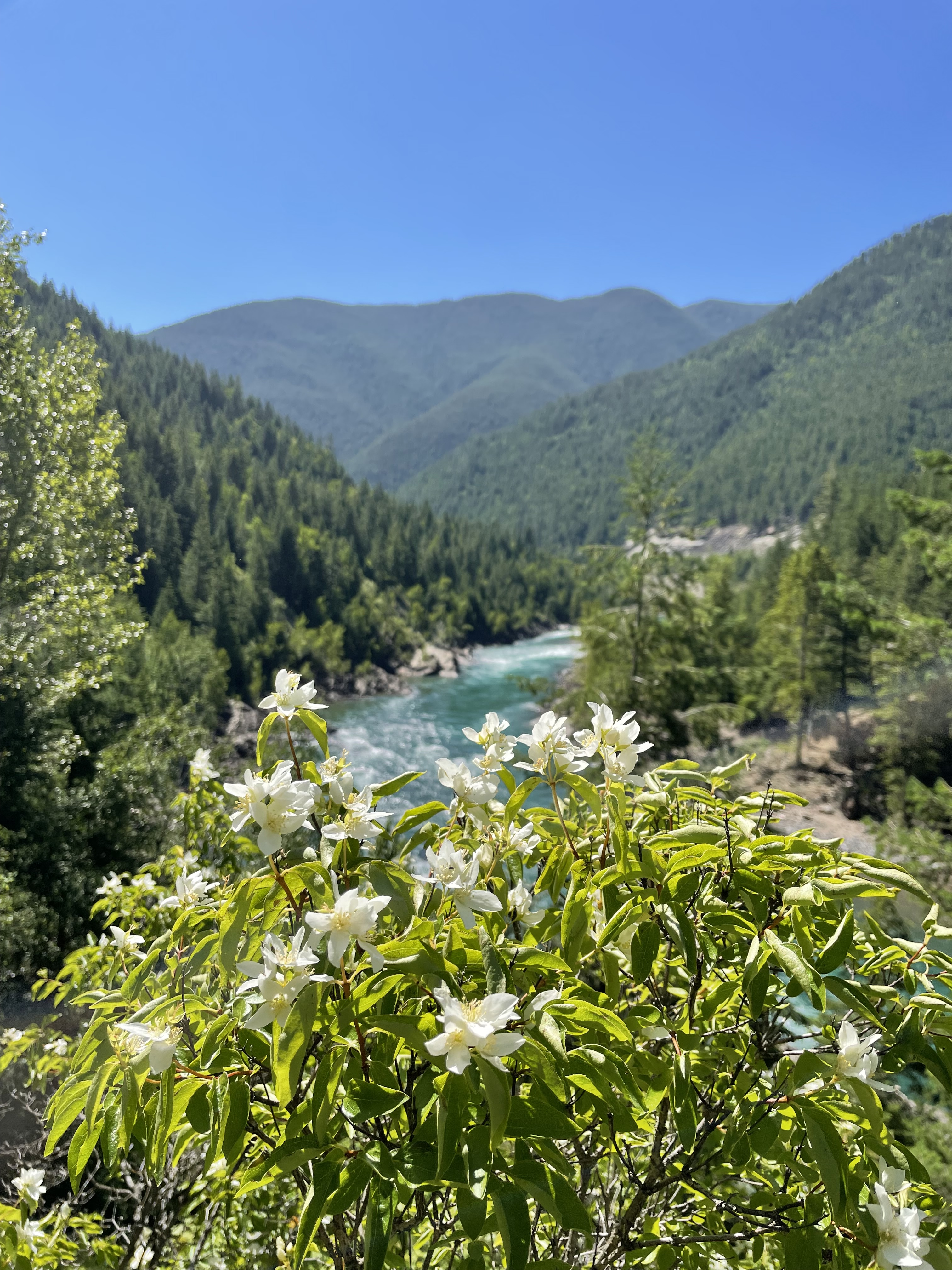
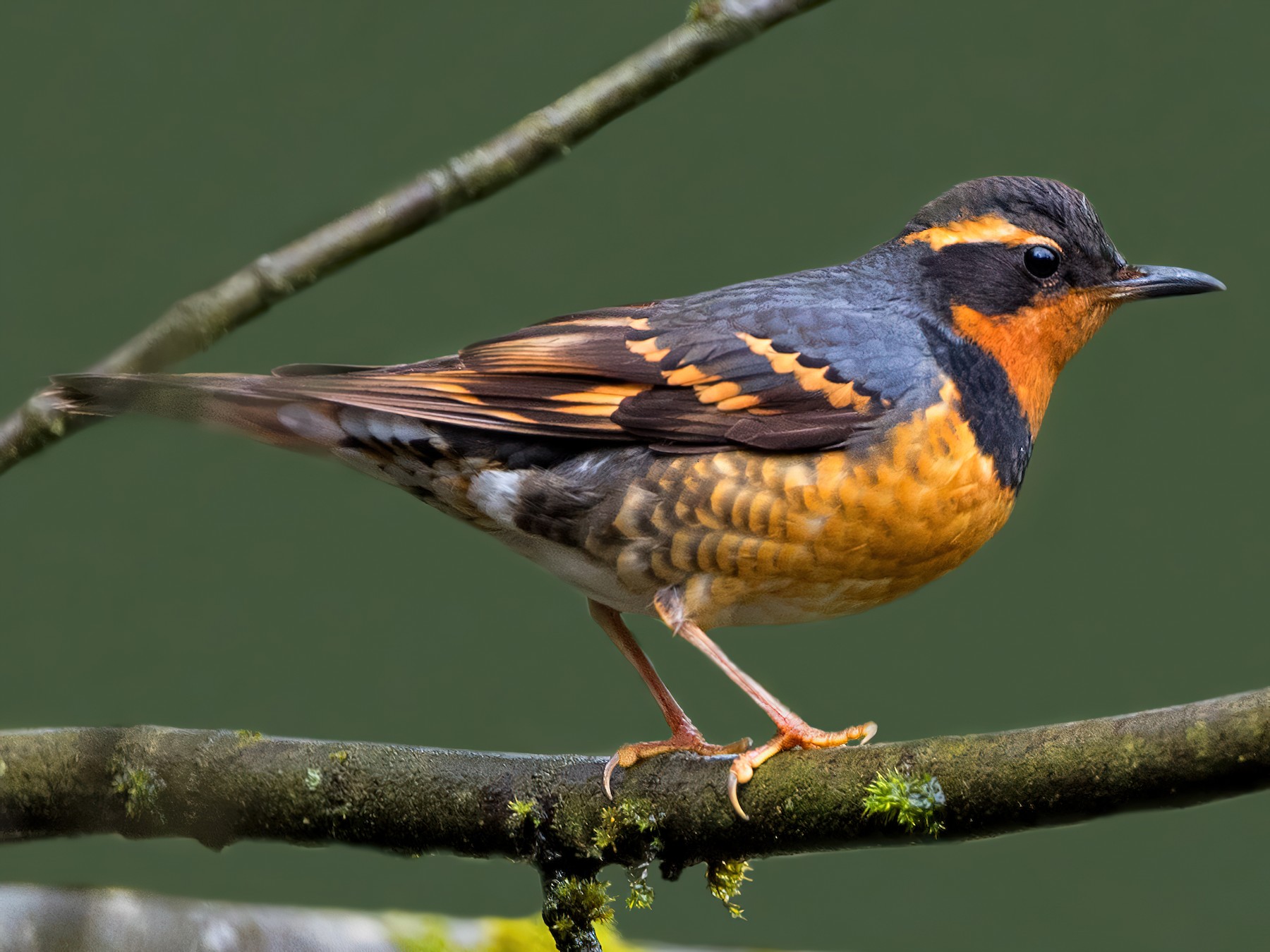
- Lewis’ Mock Orange is a deciduous shrub that captivates gardeners and wildlife alike with its profusion of intensely fragrant white flowers. This hardy native offers four-season interest and exceptional drought tolerance once established. It represents the resilient beauty of the American West and serves as both an ornamental showpiece and crucial wildlife habitat in native plant gardens. The crucial late spring to early summer blooming period is critical for native bees, including mason bees, leafcutter bees, and various sweat bees, who collect both nectar and pollen from the abundant yellow stamens. Butterflies and day-flying moths are also drawn to the citrus-scented blooms, while the extended flowering period ensures a reliable nectar source during a critical time for pollinator populations. It also provides an important habitat structure for numerous bird species, including nesting sites for small songbirds. The seeds are consumed by quail and other seed-eating birds during fall and winter. You might find hummingbirds, goldfinches, juncos, thrushes, chickadees, and grosbeak at this plant. It’s height between 4-10 feet is perfect for gardens near the house. We found this Lewis’ Mock Orange on a trail in Glacier and look forward to seeing the Varied Thrush in the garden this summer:
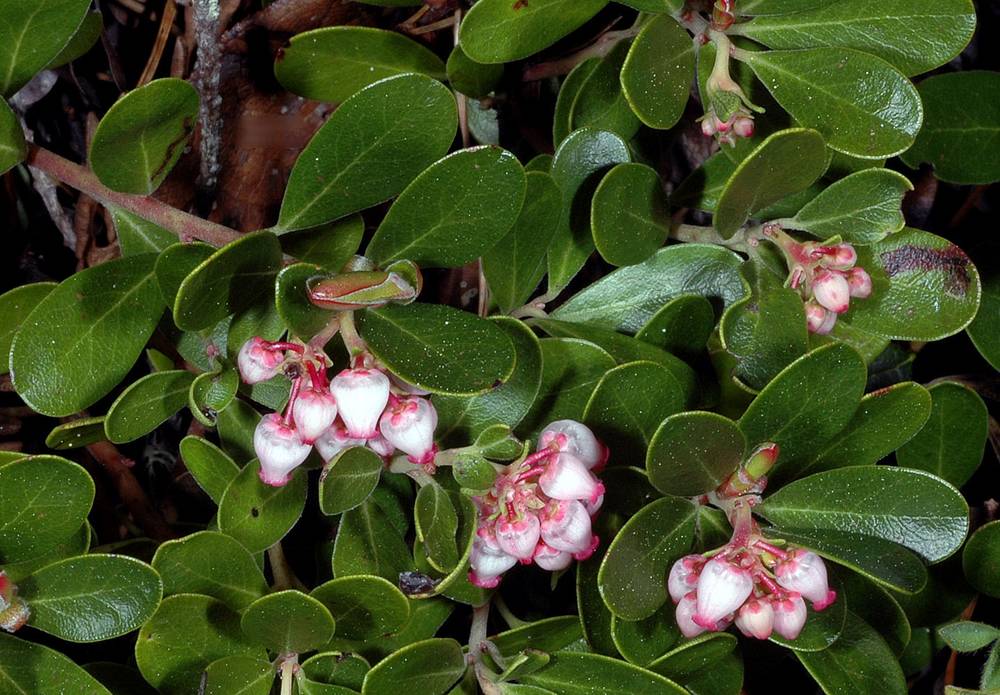
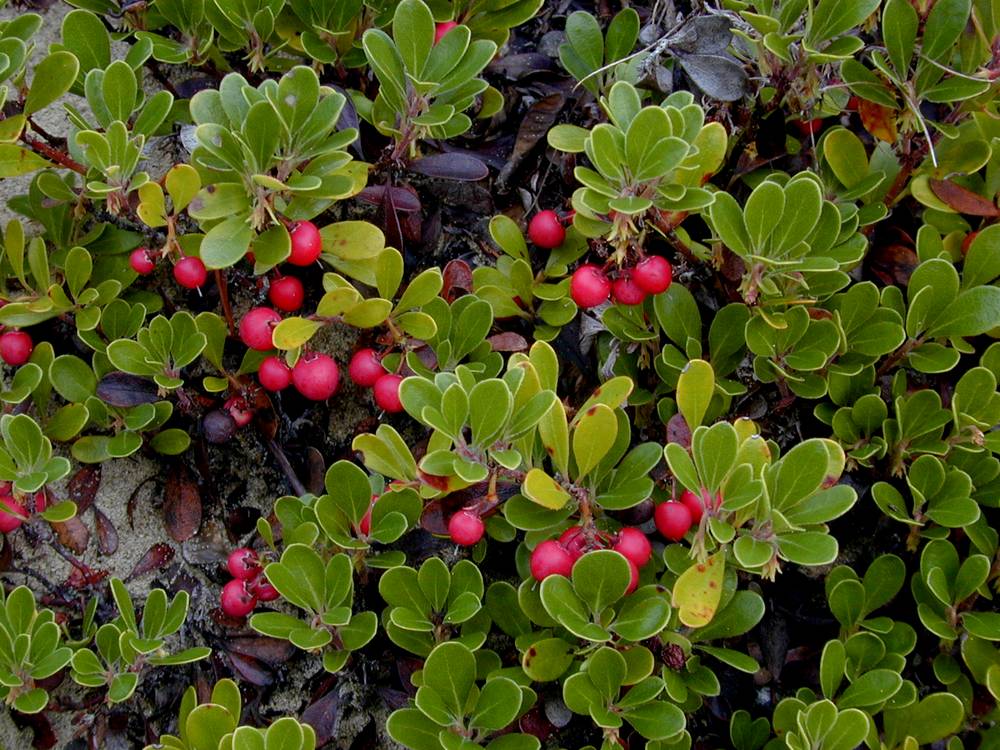
- Kinnikinnick, or Bearberry, is a native plant that thrives in various habitats such as sandy slopes, exposed rocky banks, dry subalpine meadows, and coniferous forests. It is a low growing, mat-forming, woody subshrub with shiny, dark green leaves and bright red, shiny edible berries. The berries are enjoyed by many animals, including ruffed grouse, grosbeaks, sparrows, bears, foxes and coyotes. Blooming in spring, the miniature, fragrant flowers droop down in clusters beneath the leaves. They attract a variety of pollinators such as bumblebees, brown elfin butterflies, and even hummingbirds.
Why Native?
Planting native grasses, wildflowers, and plants in your garden is crucial for maintaining the region’s unique ecosystem and supporting local biodiversity. Here’s why it’s so important:
- Ecological Benefits: Critical habitat supports wildlife for native pollinators and provides food sources for birds through seeds, berries, and insects that depend on native plants. Native plants support 10-50 times more wildlife species than non-native alternatives.
- Ecosystem Health: Helps to preserve genetic diversity unique to the region. Maintains soil health through deep root systems that prevent erosion. Supports the food web from insects up to larger predators. Prevents invasive species from taking hold and disrupting the natural balance.
- Water Conservation: Native plants are adapted to your area’s natural precipitation patterns. For a semiarid state like Montana drought-tolerant plants are important to limiting watering. These plants need minimal supplemental watering. Deep root systems help infiltrate rainwater and reduce runoff helping to protect local watersheds and water quality.
- Climate Resilience: For us, plants adapted to NW Montana’s extreme temperature fluctuations, including harsh winters and variable spring/summer conditions is crucial for a successful garden. Natives are more resilient to climate change than non-natives. They also help sequester carbon through extensive root systems.
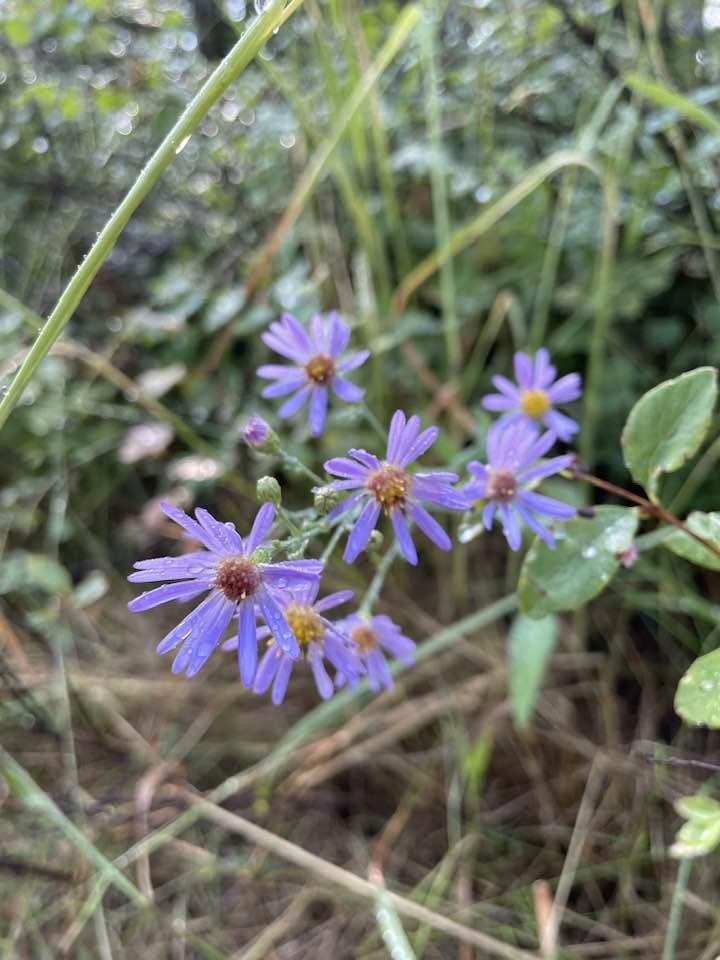
There are many practical benefits to native plants, including low maintenance with no need for fertilizers or pesticides once established. They reduce mowing and long-term landscaping costs. We’ll enjoy the garden more by spending less time and effort on its upkeep.
By choosing native plants, we have a positive conservation impact that supports declining pollinator populations. Natives help to preserve Montana’s natural heritage and landscape. We live in a rural area with lots of wildlife, so it is important that we contribute to wildlife corridors that supports pollinators and all the way up the chain to predators.
The natural beauty of natives showcases the authentically stunning Montana landscapes. Seasonal variety brings change in blooms, foliage and color. It connects us to the unique Northern Rockies and the surrounding natural environment. Northwest Montana’s unique position between prairie, mountain, and forest ecosystems makes native plant conservation especially important for maintaining biodiversity and ecological resilience in the face of environmental changes.

Grass Seed
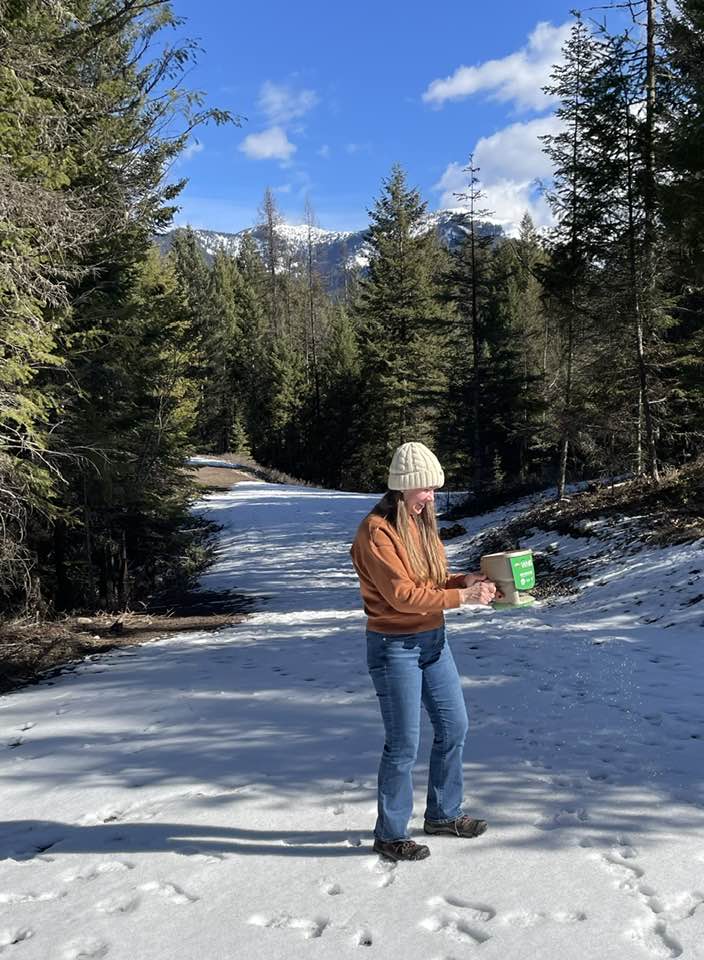
We will have some noninvasive and nonnative plants in the garden, including some grass for our secondary road and septic field. The 25 pounds of “Covermate” seed mix from CHS Mountain West Co-Op included, Tri-Rye Perennial Ryegrass and Creeping Red Fescue Boreal. These grasses will not interfere with the septic field, can be mowed and will help crowd out invasive weeds. The seed mix does well in shade or sun and does not need supplemental water once established. I’m spreading the grass seed below, but we used the native bunchgrass and wildflower seed mix in the areas pictured behind me:
My husband, Jim and I have been gardening for over 25 years, and we are excited to experience gardening in NW Montana. Although the plants and methods are new to us, we know that using native plants makes a positive impact on us and the world. We’ve already got a good start with the native seeds and ornamental perennials we’ve planted. There is still lots to do but we can’t wait to see all the spring blooms in our meadows this year.
I’ll be sharing a winter adventure we had in Glacier National Park, so be sure to subscribe below to follow our adventures, garden and interior design updates:

 Design, Garden, & Travel by Majestic Meadows
Leave a comment