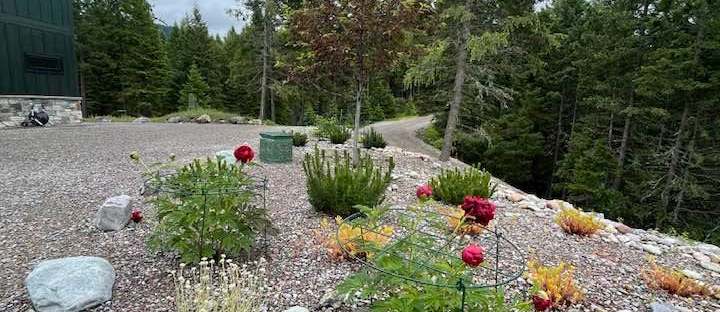
The garden areas around the house are starting to look pretty good. The driveway garden looks great with blooming peonies, pops of color from the stonecrop, funky flowers on the Rosy Pussytoes and the leaves on the Canada Red Chokecherry are all reddish-purple now. This bed has a lot of interest, and we are really pleased with the design.
In the eastern and western gardens, it has been fun to watch the grass grow. No, really! The native bunchgrass and wildflower seed we spread last fall are starting to fill in these garden spaces around the house. It is nice to see green in areas that have been dirt for months. The house construction wiped out a lot of plant life, so we are happy to see the native grasses and wildflowers growing. We’ve also added several potted native shrubs to these garden areas.
I am delightfully surprised at all the plants we are finding and identifying throughout our property. In areas of little disturbance, the plants have been native and are quite beneficial to pollinators and other wildlife. In today’s post, I’ll share what plants are blooming, pictures of our firepit, updates on the edible garden and finally, progress on our trail construction.
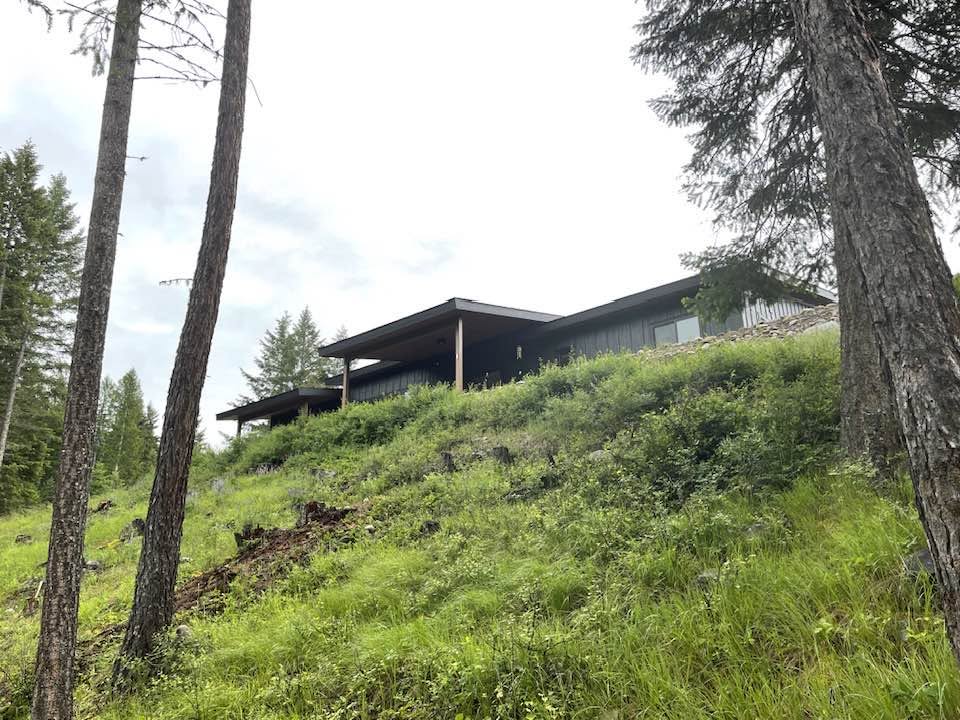
As you can see, we now have lots green around the house:



Blooming in the Garden
Warm weather in early spring means lots of flowers popping in the garden. It is wonderful to enjoy a sunny walk around the property to spot newly blooming flowers and growing grasses. Most of the plants in our garden are natives and they are adapted to NW Montana’s climate, including it dry weather and cold winters. Once established natives need very little supplemental water. Over 90% of the plants we’ve added to the garden are native. These native plants will rebuild ecosystems and support wildlife such as birds, bees, butterflies, and other pollinators. Native plants are low-maintenance and resilient, thriving in our local soil and climate conditions without the need for fertilizers or pesticides. Many native species are considered keystone plants, meaning they support multiple species and play a critical role in ecosystem stability. Here is a list of plants that are currently blooming in our NW Montana garden:
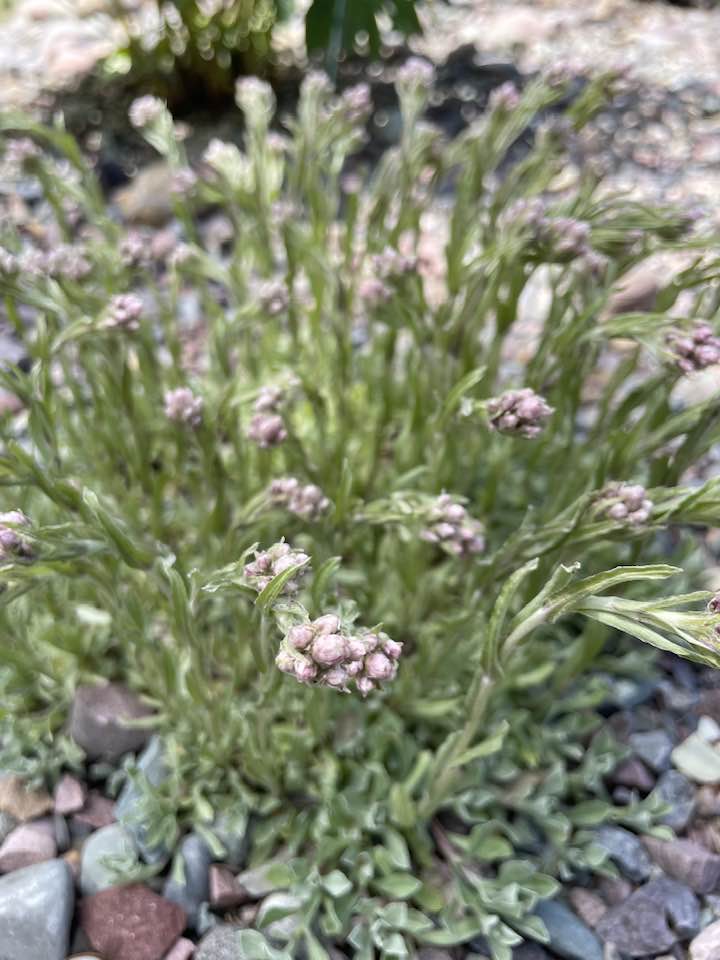
Native Rosy Pussytoes – We added several of these plants to our driveway garden. They are also naturally occurring throughout our property. This plant is really cool looking when it blooms, and it attracts the American Lady Butterfly. The flowers look like kitten paws, hence the name.
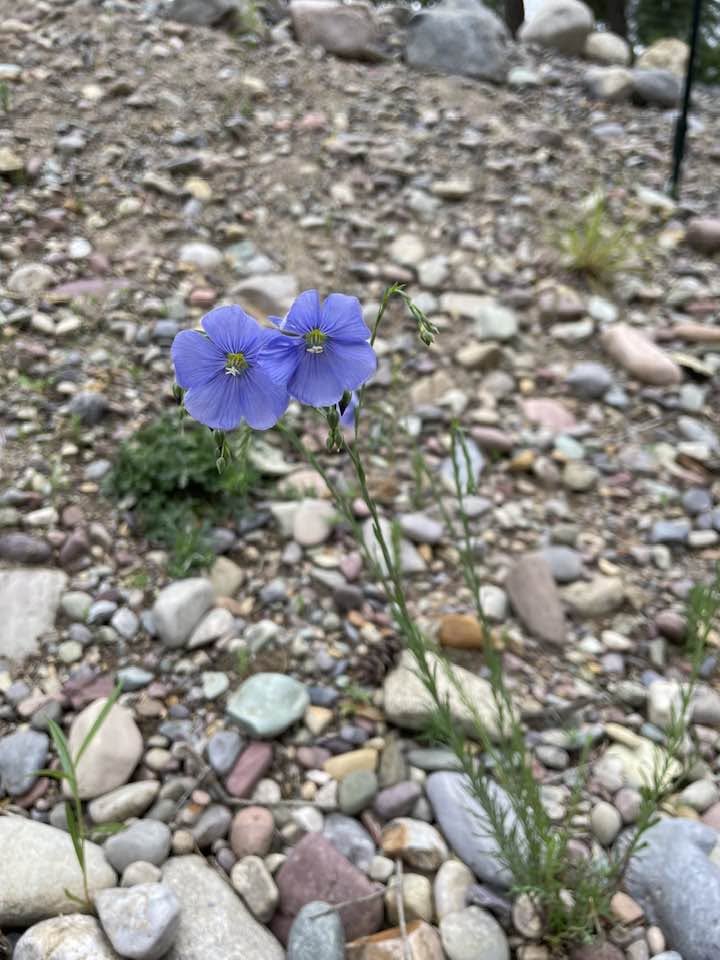
Native Blue Flax – This tough but delicate looking plant is doing great from the plugs we planted last fall. Plugs are smaller plants, which are cost effective and transplant really well. This semi-evergreen, nonaggressive beauty supports native bees, butterflies, and a diverse array of seed-eating birds.
Native Silvery Lupine – We are lucky to have these beauties throughout the property. Not only do they look great, but their roots also contain a nitrogen-fixing bacteria. These bacteria convert atmospheric nitrogen, which helps to enrich nitrogen-poor soils making the soil more fertile for other species.

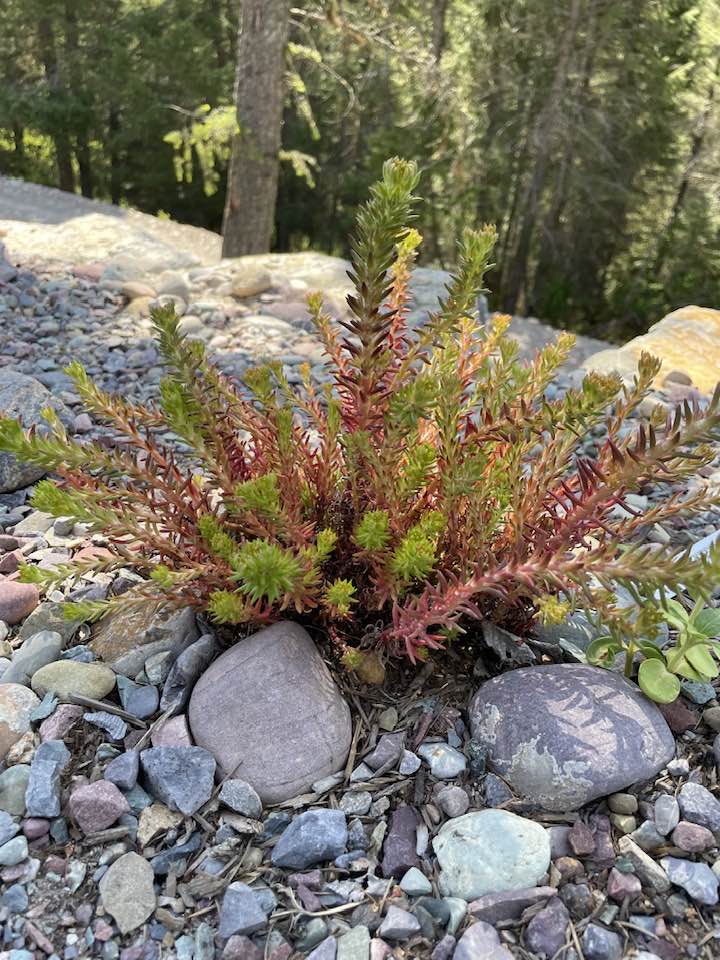
Native Stonecrop – We added this lovely plant to our driveway garden last fall. We love the varying colors of this native plant. It can be red, green and yellow all at the same time! This low growing plant also attracts butterflies.
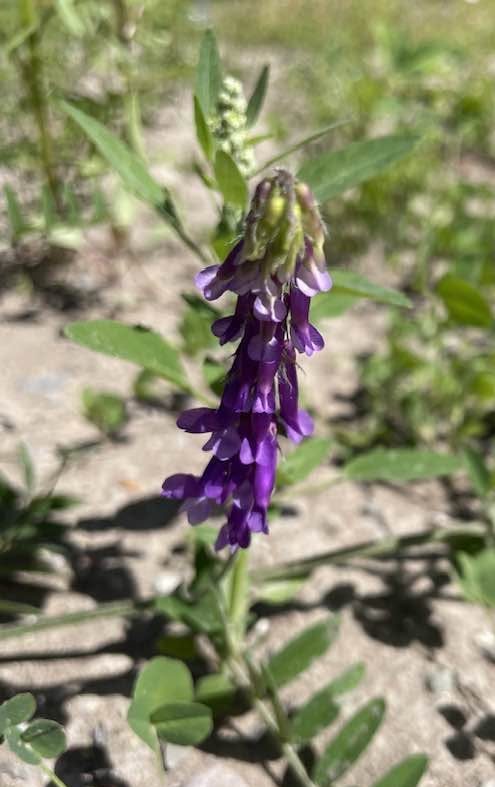
Native American Vetch – This low growing plant is growing naturally on our property and actually improves soil. Birds will eat the seeds, and native bees are attracted to the nectar.
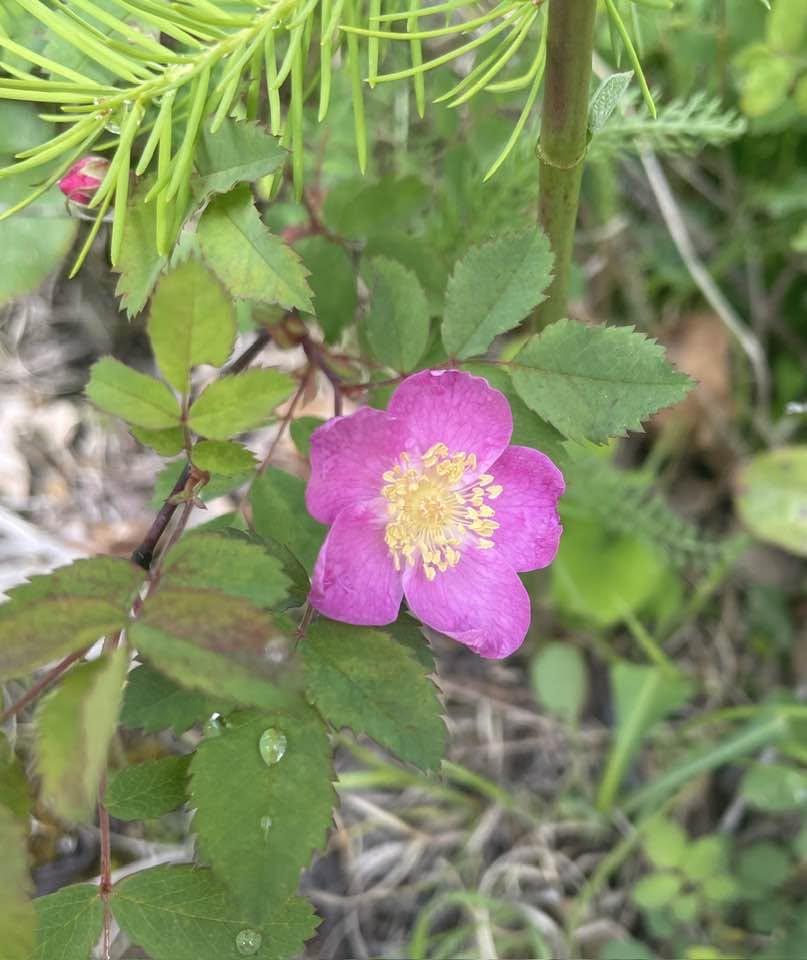
Native Wood’s Rose – This pretty plant is growing naturally in a few sunny spots on our property. It provides wildlife food and cover – flowers attract bumblebees and other pollinators; hips provide high-vitamin-C food for birds, mammals, and even large game like elk and moose.
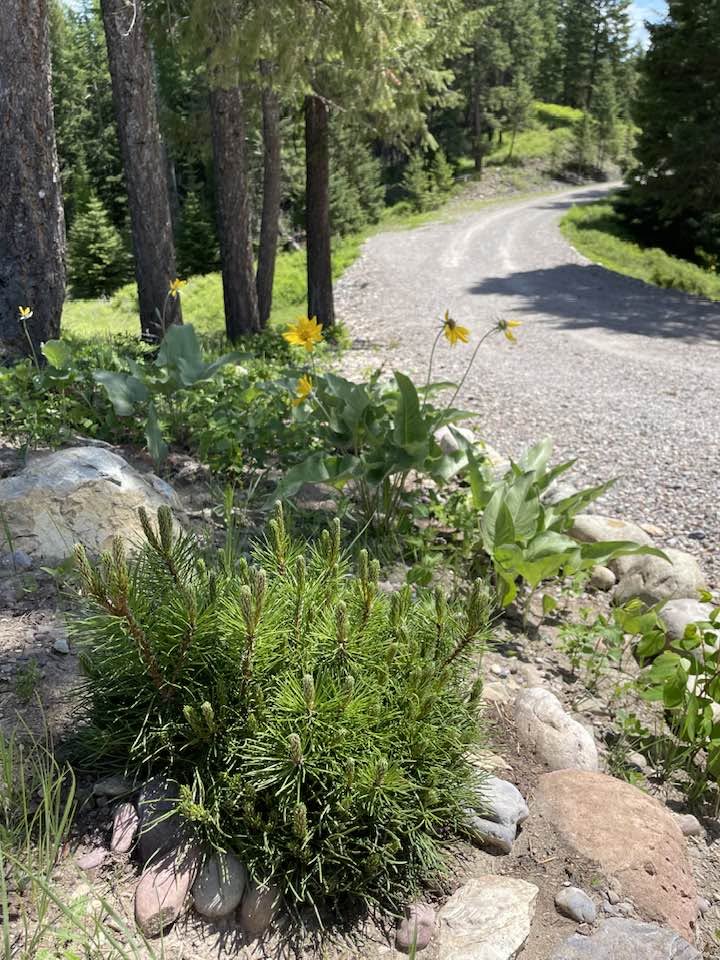
Native Arrowleaf Balsamroot behind Dwarf Mugo Pine – The Arrowleaf survived all the construction at our build site. The large, yellow flowers are some of the first to emerge in spring and the silvery large leaves provide color from spring through summer. It attracts native bees and bumblebees.
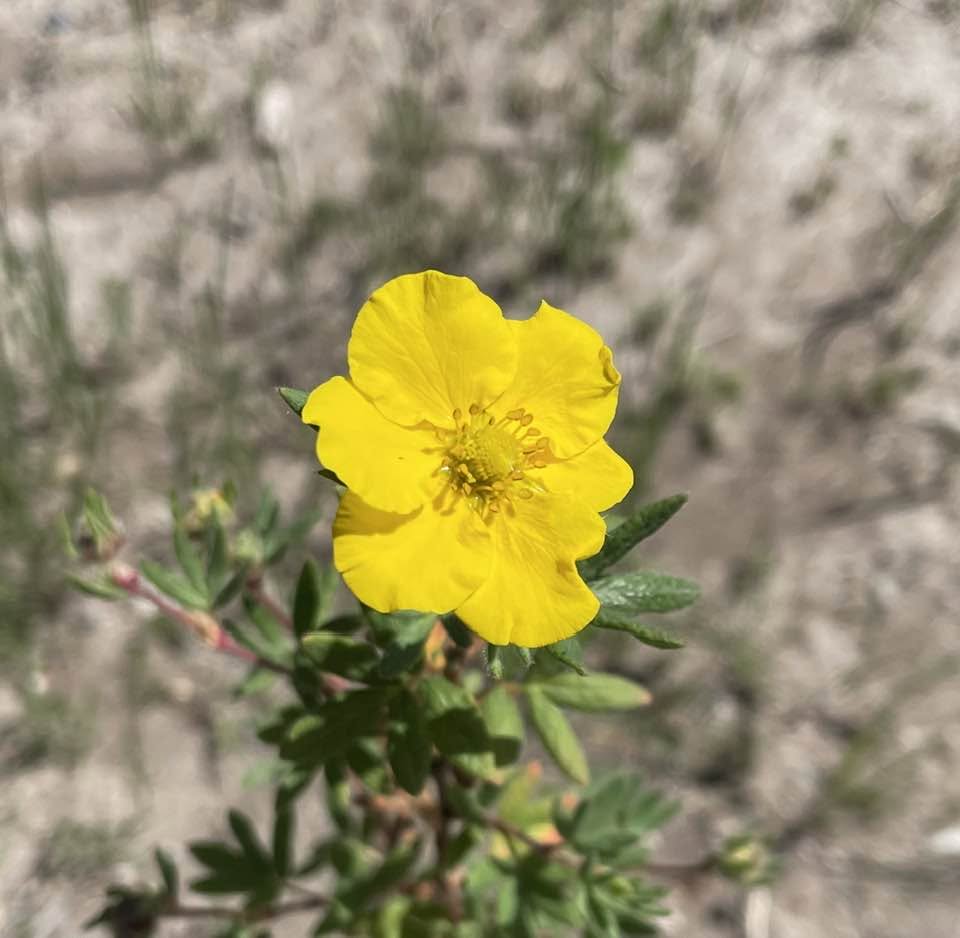
Native Shrubby Cinquefoil – We added several 1-gallon native shrubby cinquefoils to the east garden to create more structure. This plant has a long bloom time and like most native plants, it is deer resistant. It attracts native bumblebees and small birds, who find shelter in its dense branch structure.
Native Fairy Slipper Orchid – I got excited to see this rare native plant on the slope below our house. This low growing, single leaf and flower grows on the moist forest floor. It is short-lived and should never be dug up in the wild, as it will not survive.

Native Blue/Hookedspur Violet– This small and gorgeous plant is growing naturally on the property. It provides a vital early nectar and pollen source for native bees, bumblebees and butterflies. It serves as a critical larval host for several butterfly species, including various fritillary butterflies. The seeds and foliage provide food for small mammals and birds.

Native Maiden Blue-Eyed Mary – One of the first native annual wildflowers to bloom from the native seed mix we spread last fall. Provides a vital early-season nectar source for native bees, including mason bees and bumblebees. Serves as a host for the larvae of spring and summer azure butterflies.
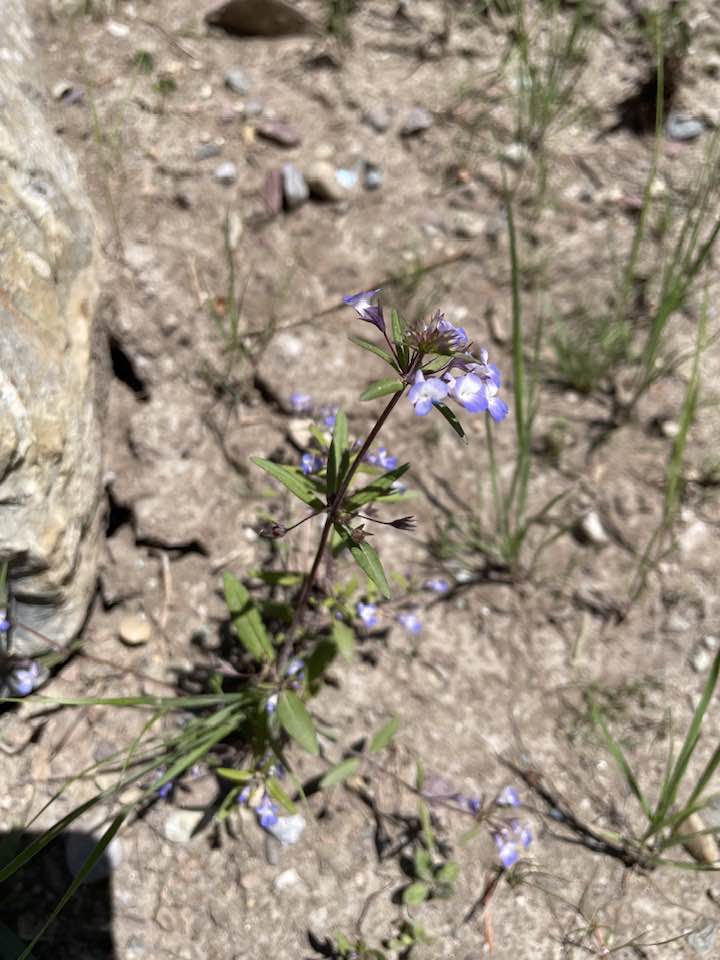
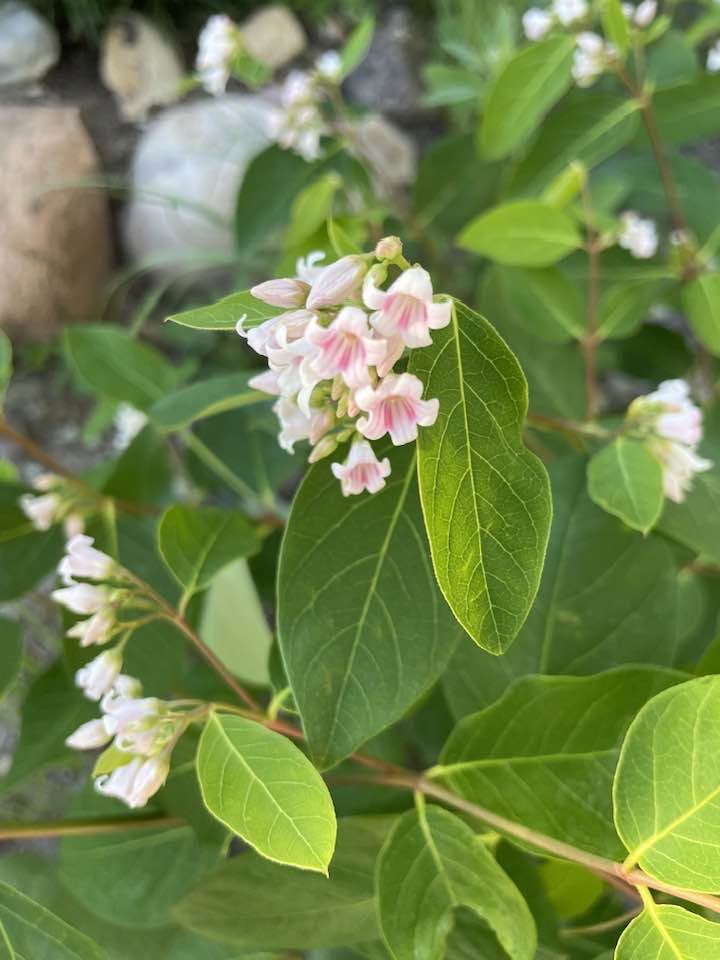
Native Spreading Dogbane – We have a lot of this long-lived perennial. The plant features small pink bell-shaped flowers with dark pink strips. It supports bees, bumblebees and Monarch butterflies.
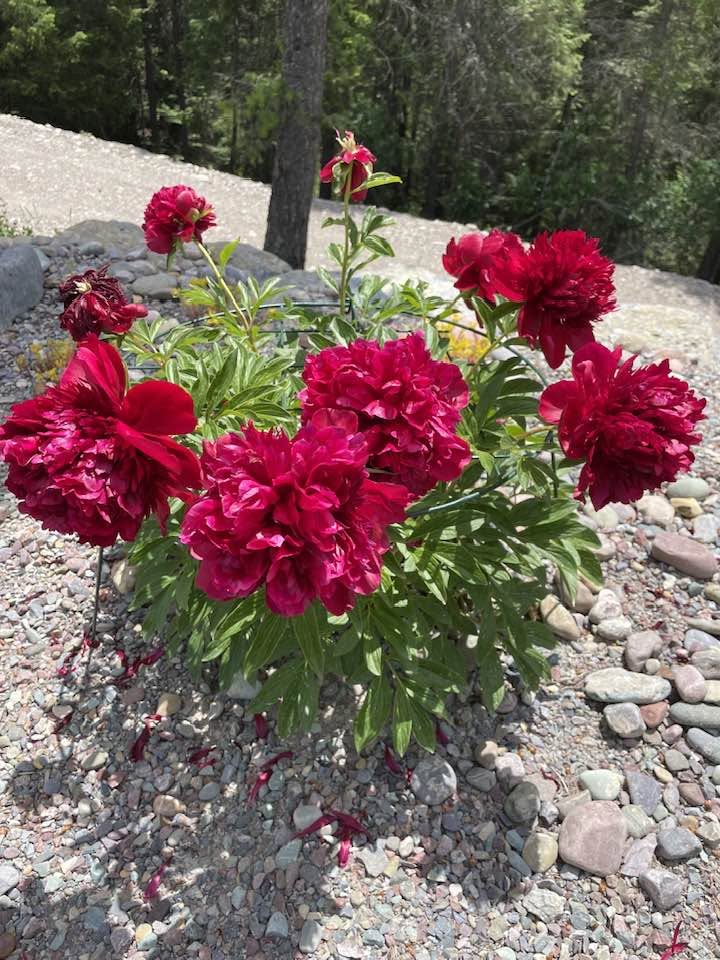
Red Charm Peony – These large, dramatic flowers smell divine and love Montana soil. I’m so glad we added them to our driveway garden. The flowers will last a long time in a vase when cut in the morning at their “marshmallow” stage before they open. This perennial is a long-lived, deer and rabbit resistant plant, making it perfect for every Montana garden. The foliage also offers really pretty fall color.

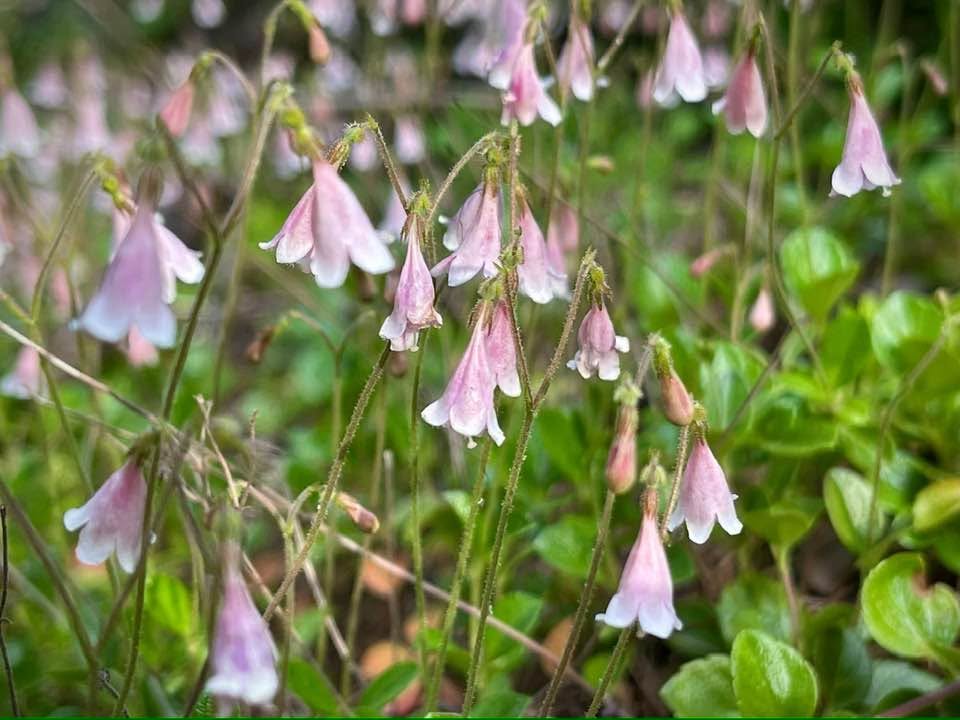
Native Twinflower – I just noticed this tiny flower on my morning walk to the edible garden. It provides evergreen cover in shaded woodland areas, reducing erosion and stabilizing soil. It attracts pollinators with its fragrant flowers.
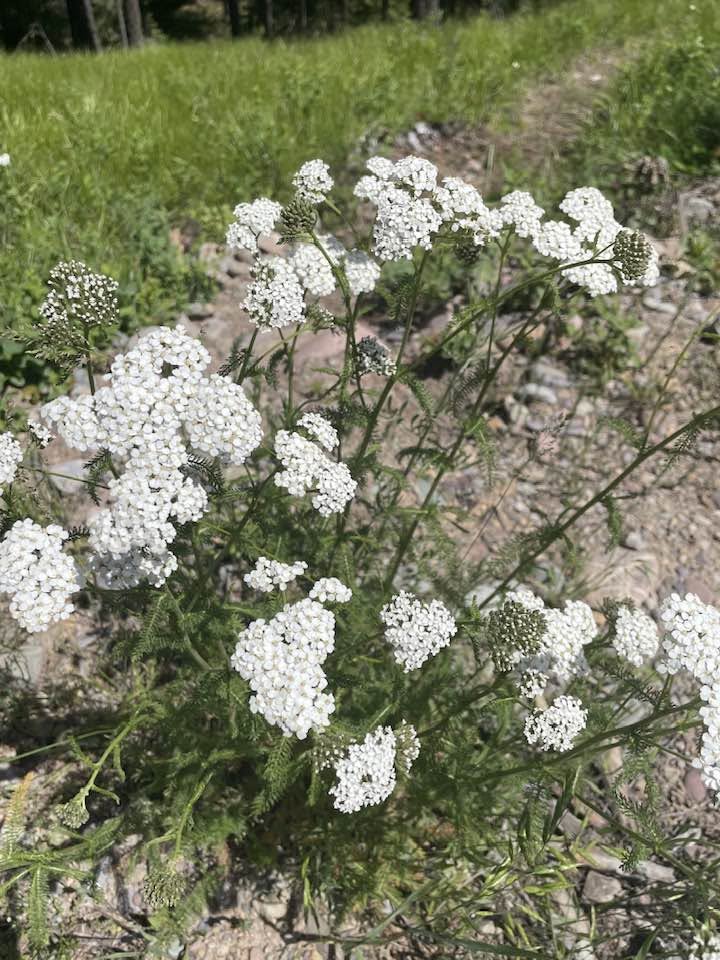
Native Western Yarrow – Western yarrow is a low maintenance, drought tolerant, pollinator friendly plant that thrives in Montana’s open, sunny sites. Blooms begin in June and last through September, providing pollen to thousands of bees, butterflies and other beneficial insects.
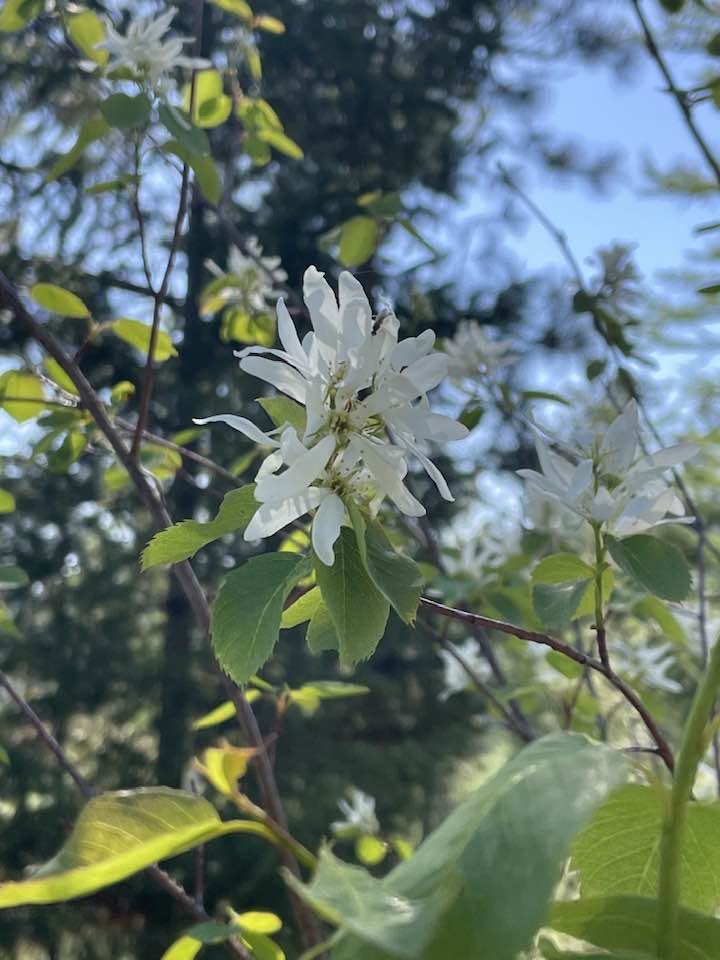
Native Serviceberry Amelanchier – We planted two small plants this spring and we were thrilled to see a few of these bushes growing naturally on our property. This long-lived perennial spreads via root suckers to create colonies providing both food and shelter. Its dense branching offers year-round nesting and escape cover for songbirds, and its white spring flowers are important early-season nectar sources for native bees and butterflies. The berries are consumed by over 30 bird species and dozens of mammals, making it a keystone food resource.
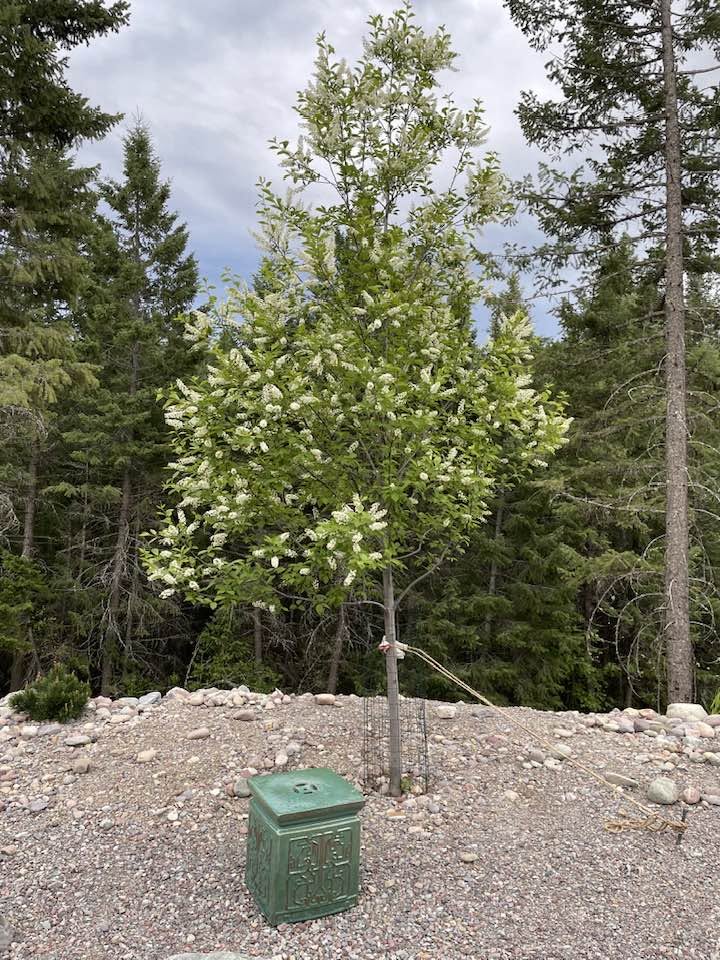
As you can see below, the driveway garden is growing in beautifully. All the plants are healthy, and it was fun to see all the various bees on the native Canada Red Chokecherry flowers this spring. The fruit is a key food source for birds, and it branches provide habitat. The deep roots help stabilize slopes. This deciduous tree is bright green in spring and then the leaves turn a reddish-purple color until they fall just before winter.


To learn more about the importance of native plants, visit Homegrown National Park:
Why Plant Native – Homegrown National Park
Native Bunchgrass and Wildflower Seeds
I want to take a minute here to talk about the native garden seeds we spread around the house last fall. The native bunchgrasses and wildflowers are growing, and it is great to see more green in these spaces. Seeding a garden is an exercise in patience, as it can take as long as three years to fully mature. The first year or two the garden can look a bit “weedy.” A faster and more expensive way to accomplish a meadowscape or prairie is to use native plant plugs, which are cheaper than larger plant sizes. Plus, small plants, such as plugs transplant better than larger potted plants.
The fact that these native plants will need very little supplemental water, never need fertilizing or pesticides is great news for those of us who want to preserve water and keep our water sheds free of pesticides and fertilizers. We are also doing our part by using many different native plants with varied bloom times, which supports pollinators, birds and other critters throughout the year. We’ll even leave many seed heads standing, so birds and small mammals have food throughout winter.
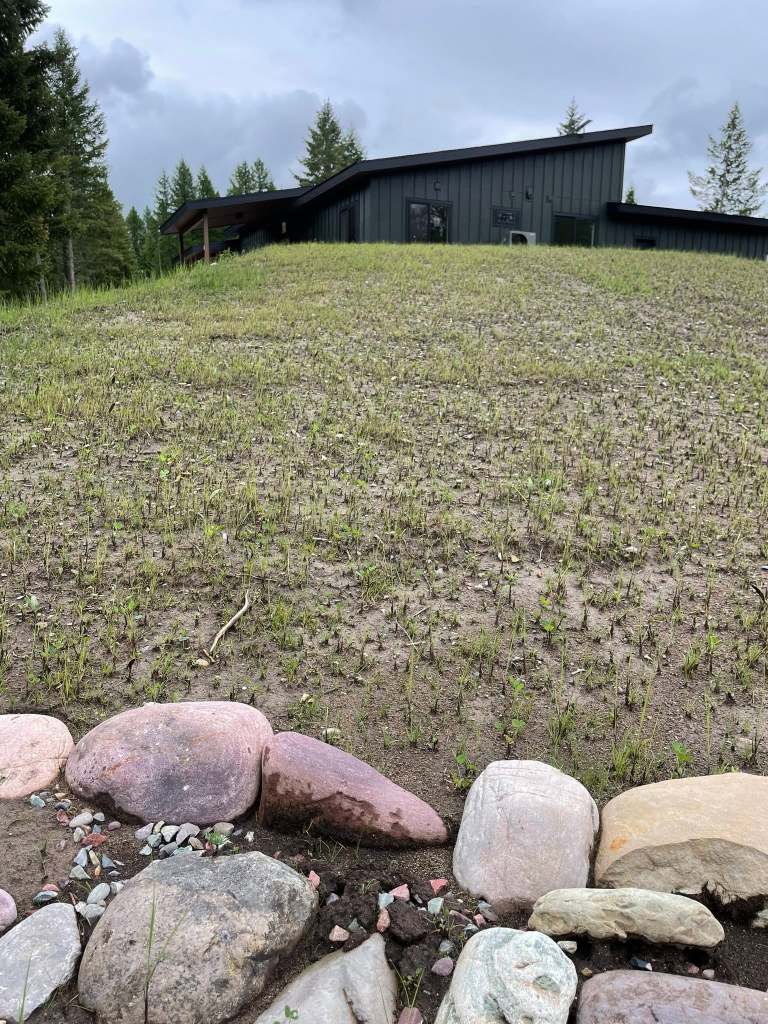
Pictured below is the west side of our house with native bunchgrasses and wildflowers, which were started from seed last fall. We added a mulch path down to the firepit and edible garden, which makes it a quick trip to harvest, water or check on the garden. We are currently planning garden beds on both sides of the path. We will be adding additional native trees, shrubs and wildflowers such as Mock Orange, Serviceberry, Arrowleaf Balsamroot, and more. The mountain meadowscape design will continue and these garden beds should be fabulous with the help of Pith & Vigor’s garden design tips. I’ll share details and the results in a future garden post.


Pro-Tip: Be sure to add “Cues to Care”, which are the “key indicators that a landscape is intentional and being looked after. This step is critical if you live in a neighborhood or have an HOA. Think: mown turf; visible, unimpeded windows; and prominent, recognizable flowers. Most people find these things comforting. But the key to acceptance and success lies with the ability to “create landscapes people are happy to inhabit.” Consider the following Cues to Care to ensure your neighbors or HOA approve of your garden:
- Use straight lines and right angles
- Create 3-4 foot paths
- Add a focal point (bird bath, sculpture, etc.)
- Repeat plants
- Be bold
To learn more about Cues to Care visit:
Cues to Care: How to Design Ecological Gardens that Look Neat and Tidy
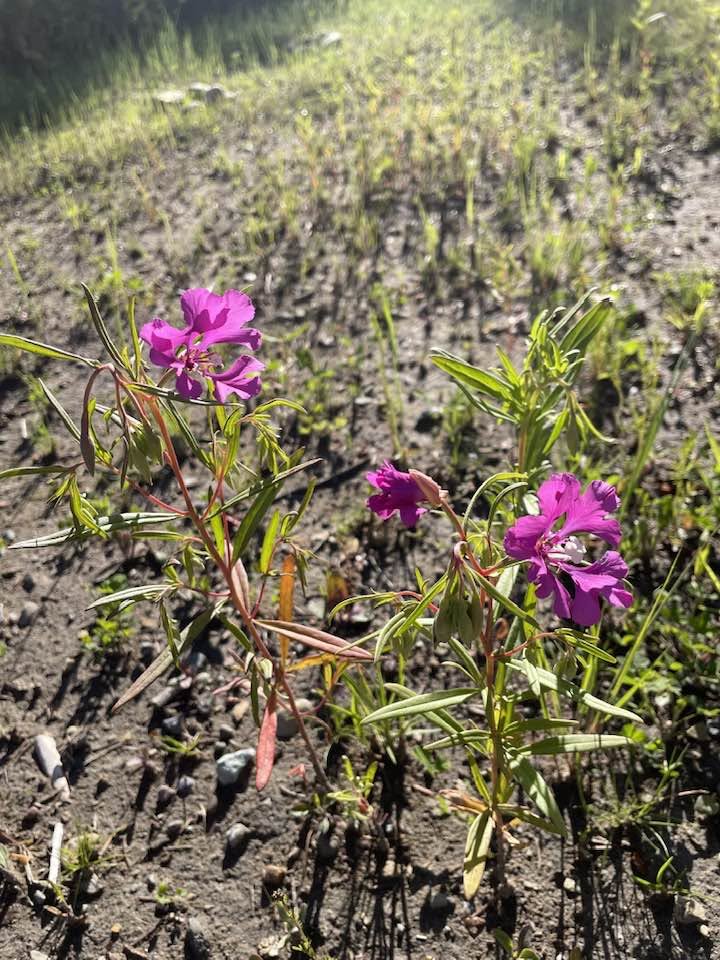
In the small area south of the garage, we spread native wildflower seeds last fall. The flowers are growing and we’re still learning to identify the wildflowers from the weeds. It is an important step to trim or kill weeds, or they could crowd out the native wildflowers. The native Deerhorn Clarkia made a dramatic appearance. The blooms are white, light and dark pink.
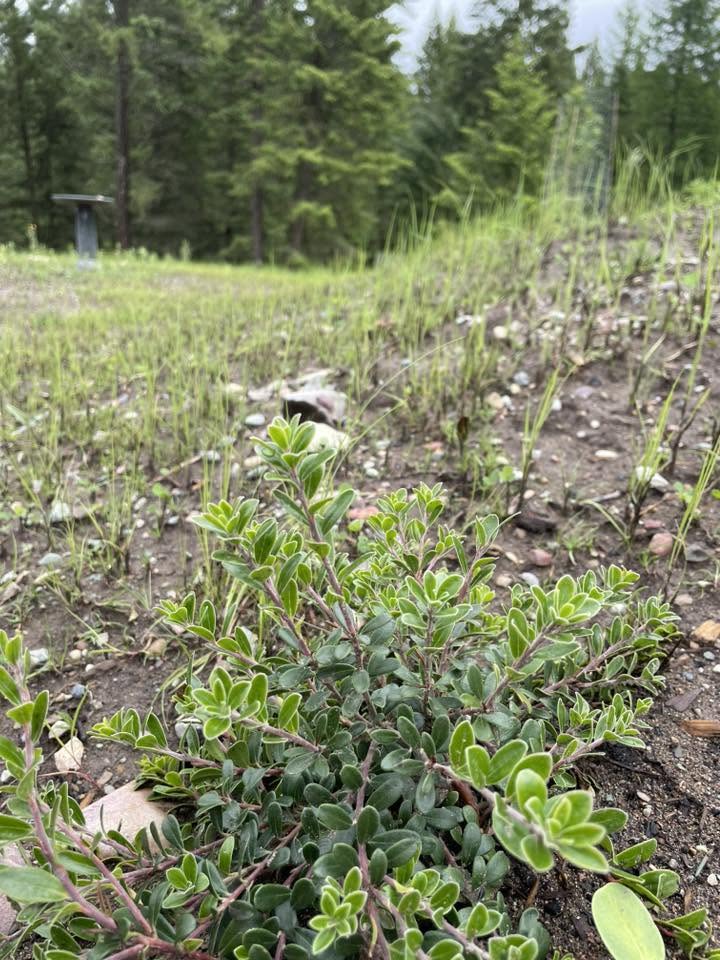
The pictures below are the east garden, which includes native bunchgrasses, wildflowers, and one-gallon native plants. The picture below shows native Kinnikinnick in front of the sprouting native bunchgrass and wildflower seeds. The slow growing kinnikinnick looks attractive all year and the flowers attract bumblebees and hummingbirds. The berries feed birds, foxes, coyotes, and bears.
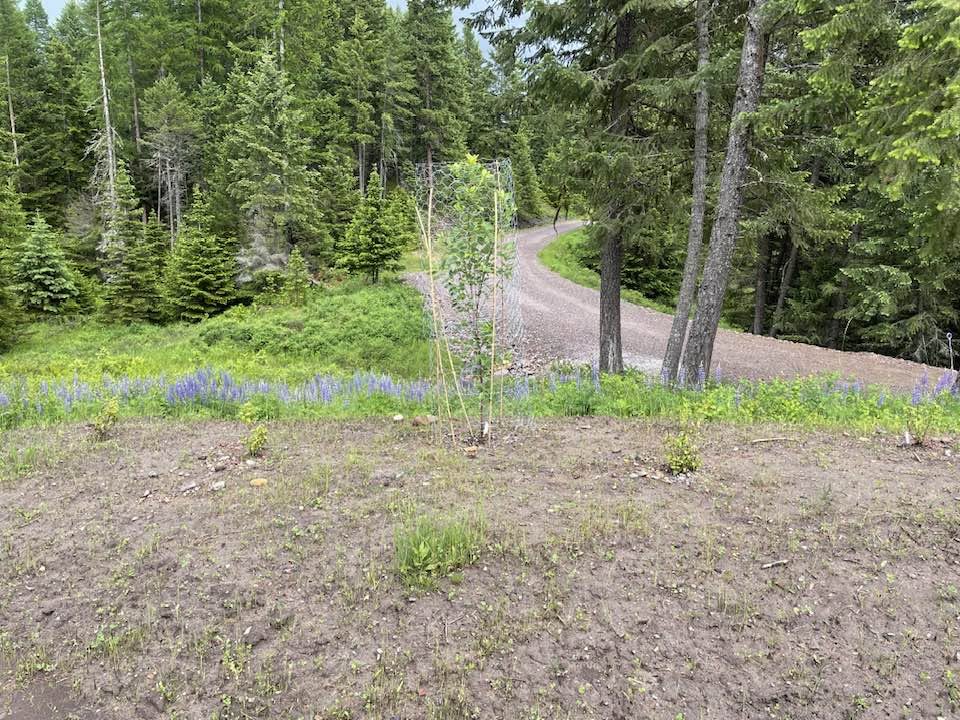
This picture shows the same garden, including a native Canada Red Chokecherry tree flanked by four native Lewisii Mock Orange bushes. The mock orange is a long lived, fragrant plant that is a keystone plant for native bumblebees.
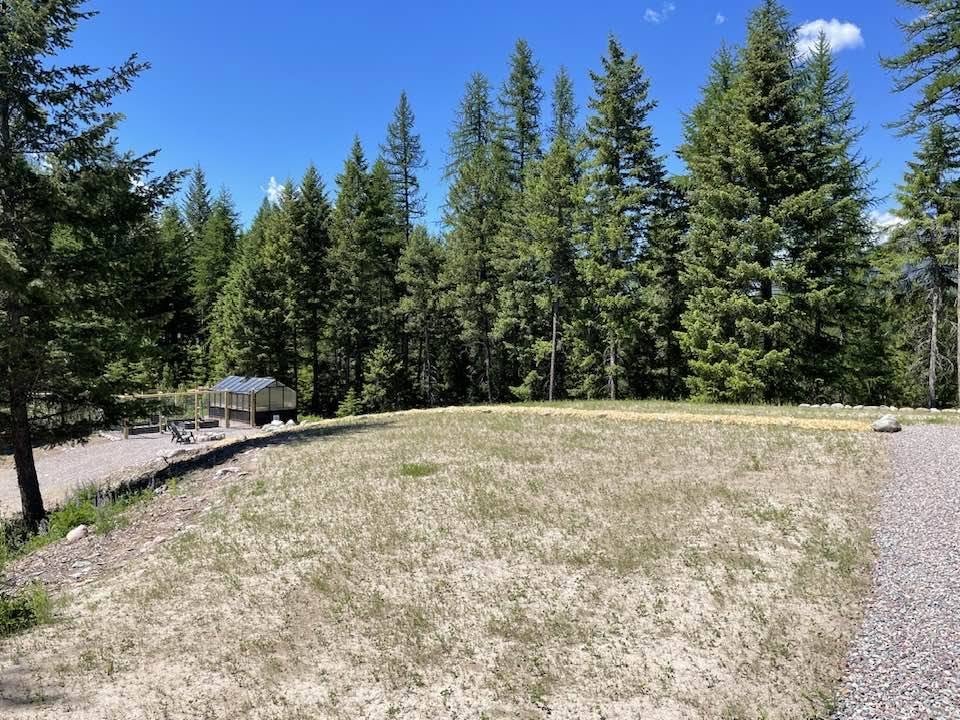
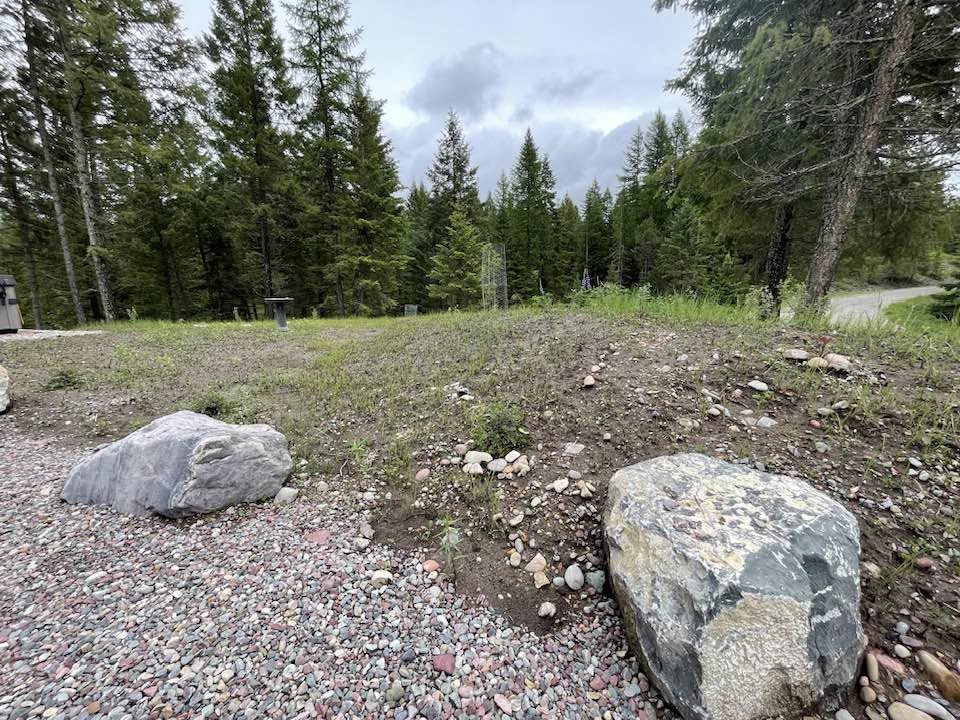
Finally, here is a wide view of the east garden, which has greened up a bit. In addition to the bunchgrass and wildflowers growing, we’ve added around 20 additional native plants and six more peonies to this space. Everything is small, so it’s hard to see details in the pictures.
To learn more about our Meadowscape garden plan, click on a previous post below:
Meadowscaping with Natives – Design, Garden, & Travel by Majestic Meadows
As I mentioned earlier, meadowscape gardens have much less maintenance than lawns, but they do require some work. PrairieUp Author, Teacher, Designer and Activist Benjamin Vogt said it best, “There’s seasonal management you might perform like clockwork, and there’s management you do at varying times based on specific goals — such as encouraging more flowers, reducing grass competition, getting after a weed species, improving habitat, etc.” I recommend his books, including PrairieUp and a New Garden Ethic, which provides an introduction to natural garden design. He is a fantastic writer too! Finally, his website has multiple courses and resources to help you plan, plant and maintain your natural garden. Check out PrairieUp.com below:
Rethink Pretty in Suburbia with Natural Garden Design
Firepit
Sitting around a fire on cool evenings will be another reason to get outside this fall. All we needed to create our firepit was a bit of muscle, as all the rocks used for this project were located on the property. Some were dug up while gardening and others were uncovered during the house build. We used a handcart or dolly to move the bigger boulders.

Edible Garden
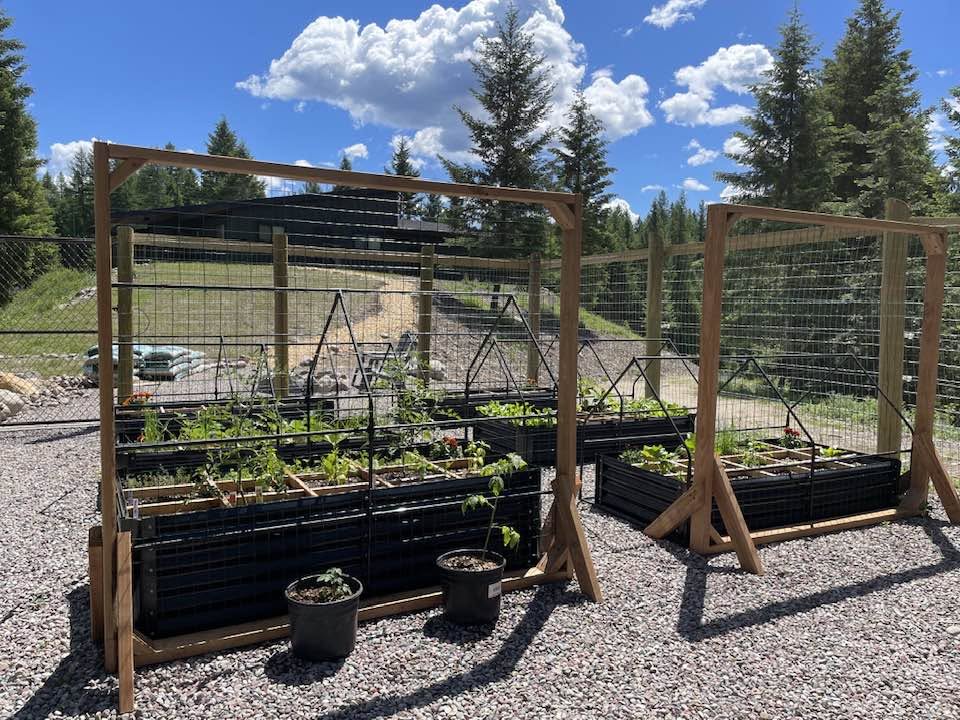
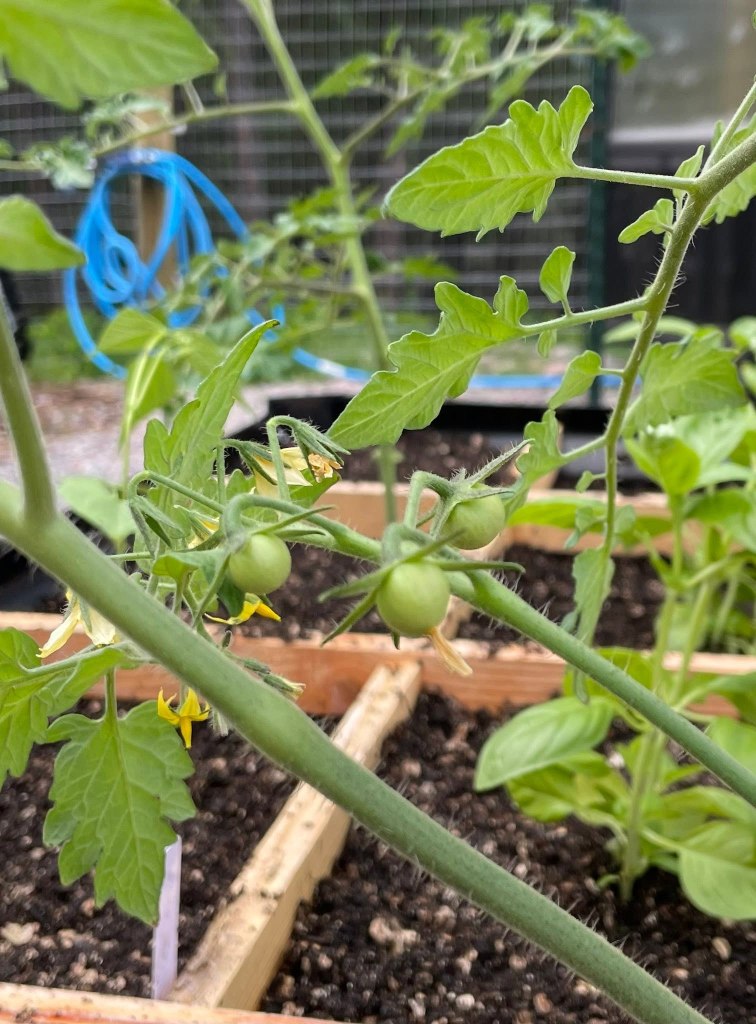
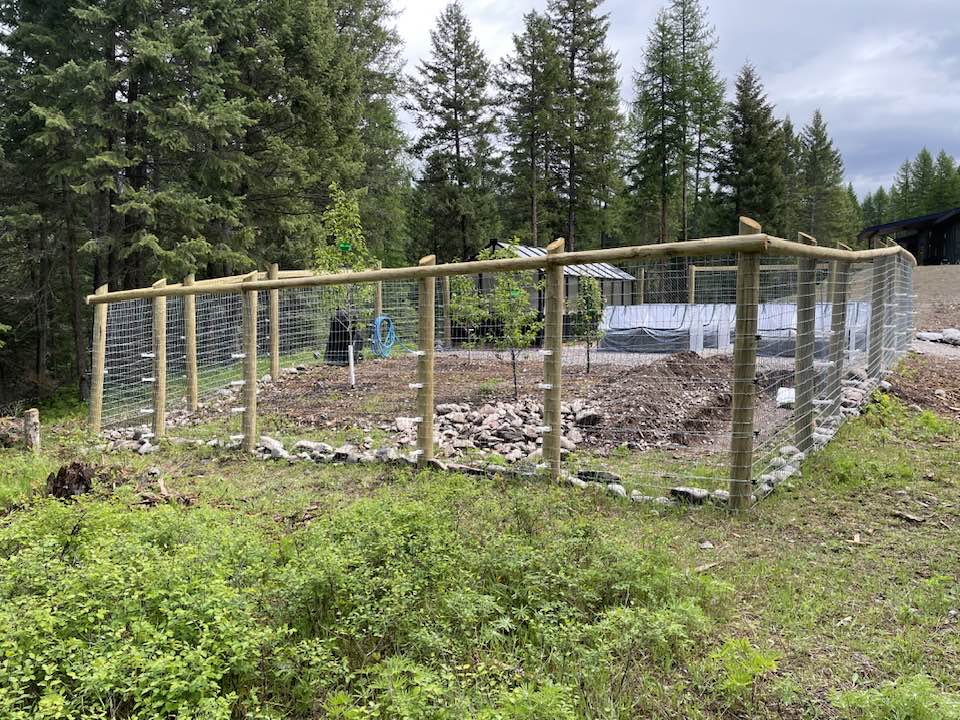
Our edible garden is organic, including the soil, plants, and mulch. We are using organic fertilizers, such as compost. If we need pesticides, we’ll use organic and only when absolutely necessary. All the raised beds have been planted and the veggies, strawberries, herbs and marigolds are doing well. The pear and plum trees we planted look healthy and we added pest traps to stop bugs from invading the fruit. In addition, all six blueberry bushes have been planted. We also added a native Yellow Flowering Currant to the edible garden. The edible currant is a hardy, spineless and long-lived (20+ yrs) perennial. It is an early-season pollinator magnet, producing nectar and pollen in April–May when few other plants are blooming. Its flowers attract bees, butterflies, and hummingbirds, while the berries feed birds and mammals.
Jim built two trellises for the tomatoes, beans, squash, and cucumbers, which need support as they get bigger. Many of these plants were started from seed in the greenhouse, once they were big enough and/or it was warm enough, we took them out of the greenhouse daily to “harden them off.” This practice helps toughen them up for being planted outdoors full time.

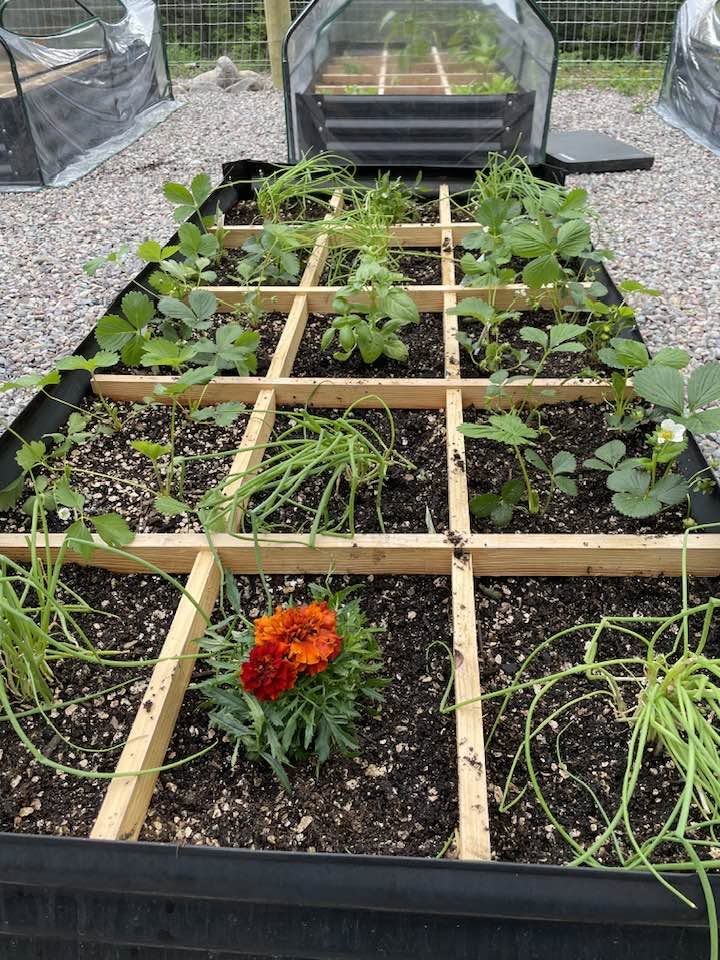


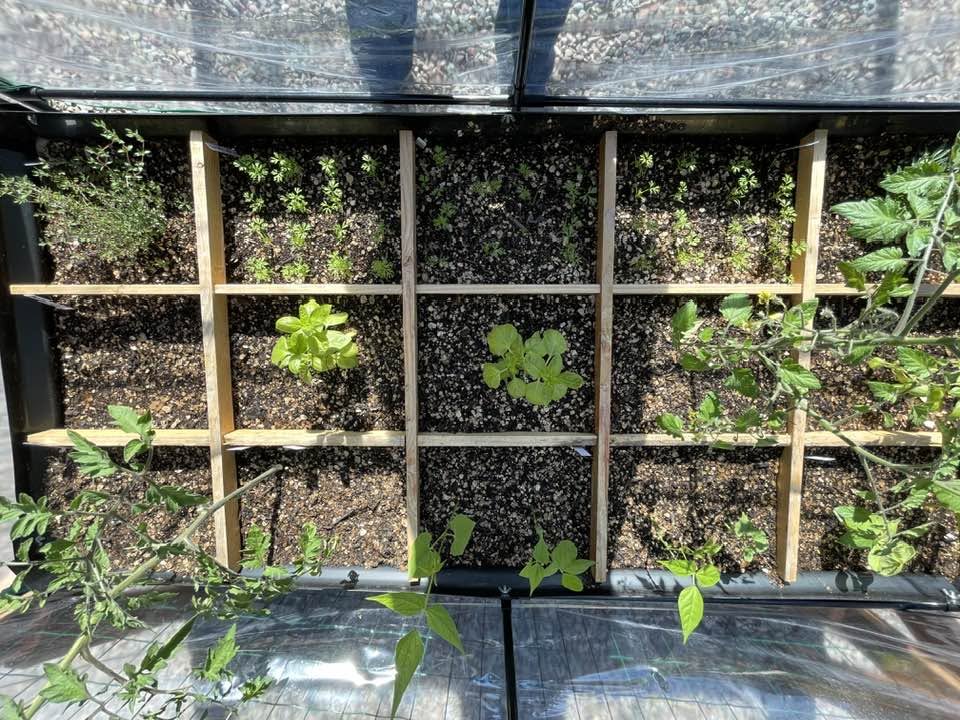
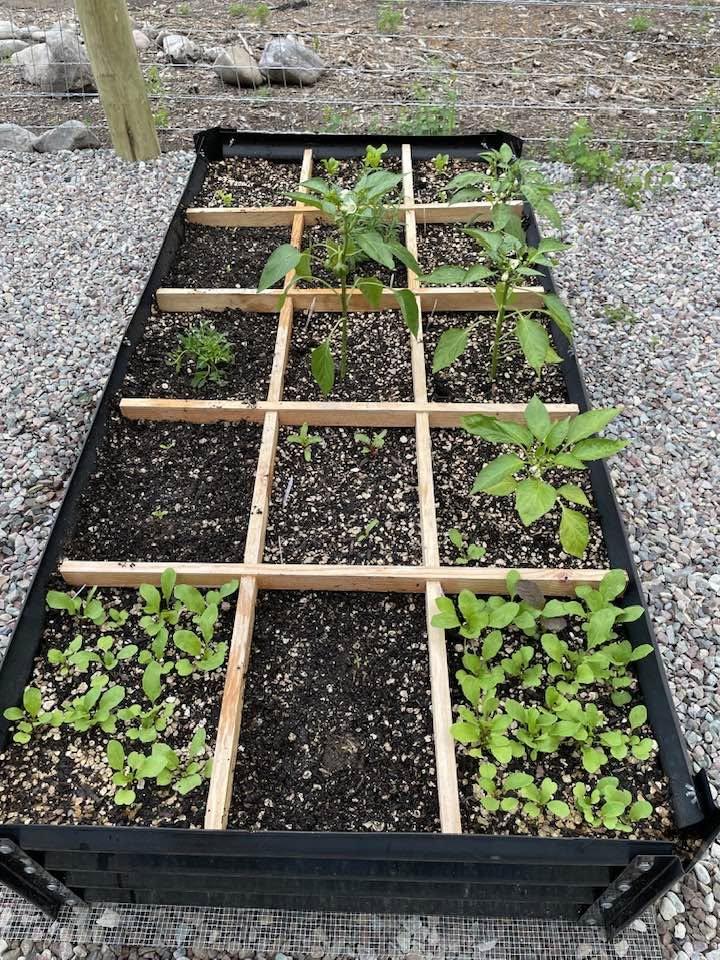



The arugula is growing well. It likes cool weather, so we were able to start it before the last predicted frost date. This leafy, peppery green contributes to gut health by feeding beneficial gut bacteria and promoting digestion. Additionally, arugula is nutrient-dense, providing vitamins, minerals, antioxidants, and compounds that support heart health, bone strength, and cancer prevention.

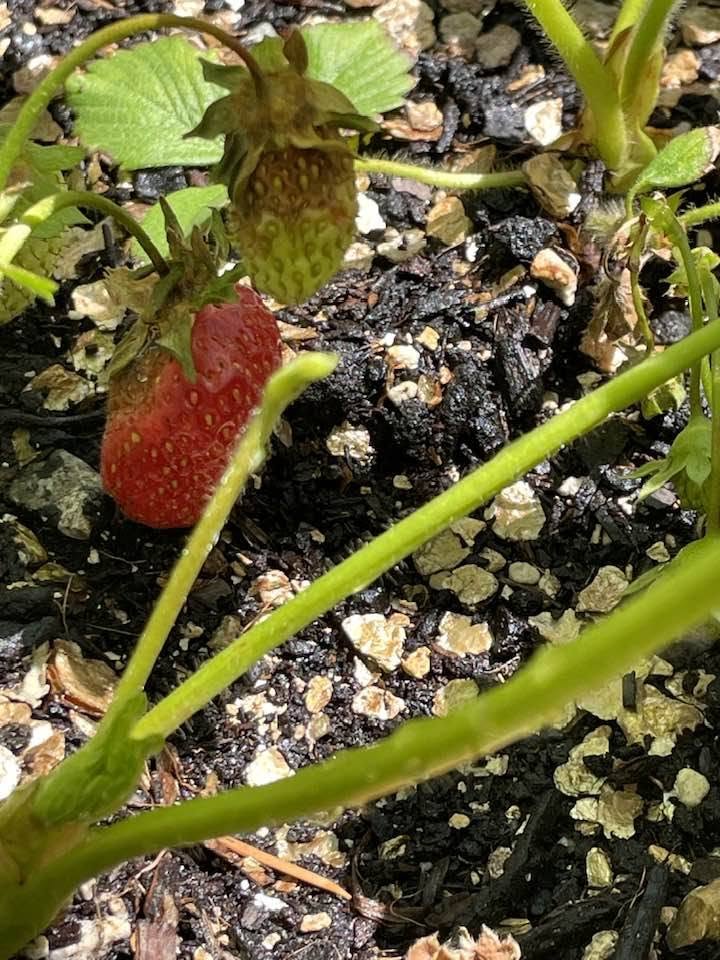
Pro-Tip: Homegrown strawberries are the best! While checking them, I noticed two strawberries that had mold on them. After doing a bit of research, including checking out Facebook gardening groups, I decided to put some organic mulch around the strawberry bushes. The mulch will keep the fruit off the dirt, which should help keep them healthy.

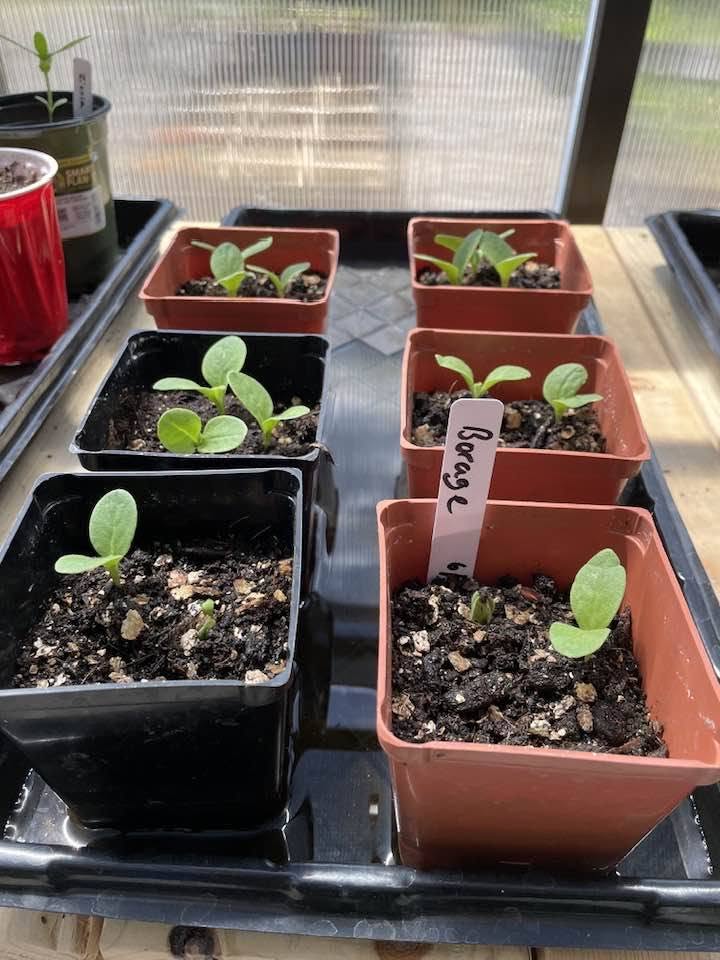
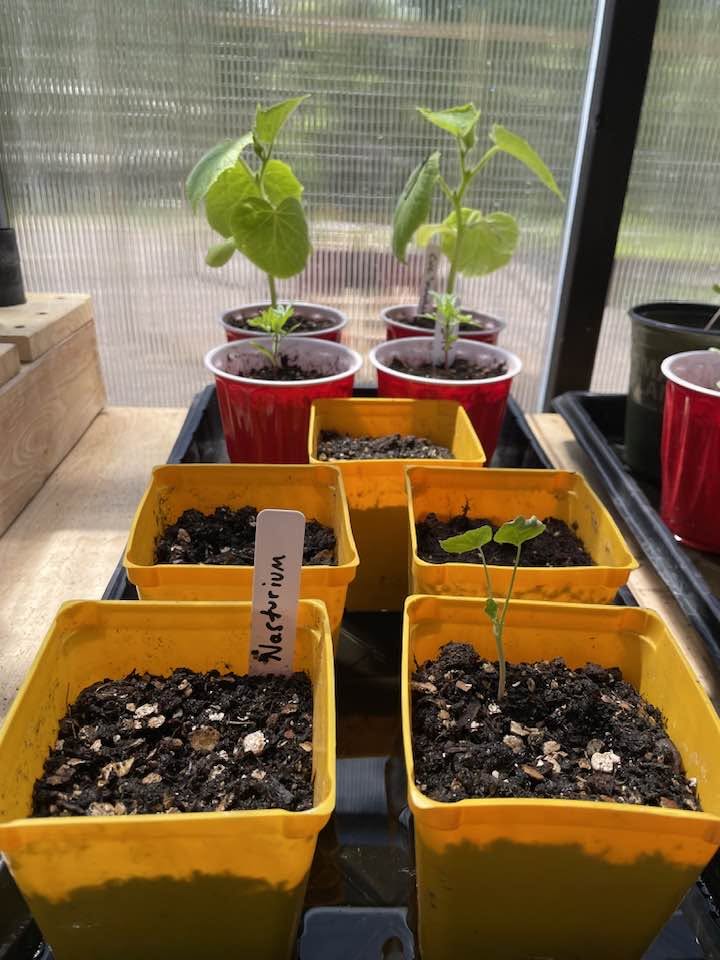
The greenhouse still has some of our flower and veggie starts. We planted Borage, which is great for attracting pollinators, plus the whole plant from seeds to flowers is edible. Nasturtiums are another fully edible flowering plant, great pollinator attractor and will reseed. We’ve started native Prairie Coneflowers, Deerhorn Clarkia and Harebells from seed. The Harebells are the only seeds that seem to be slow starters. Finally, we’ve got Zinnia and Cosmo seedlings, as well as two more mini-cucumber plants in the greenhouse.
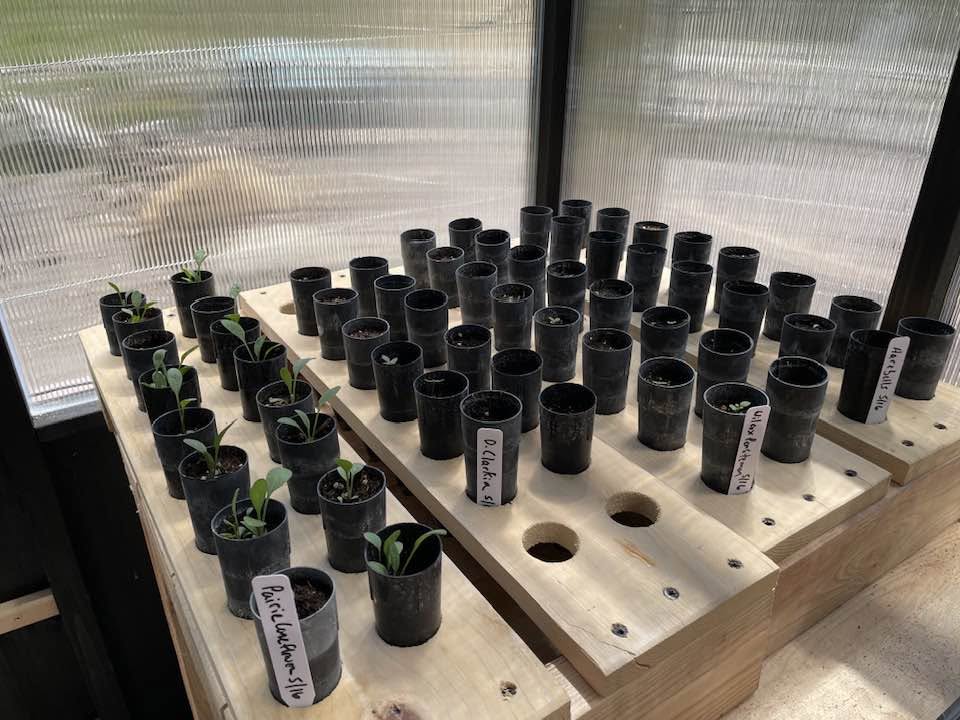
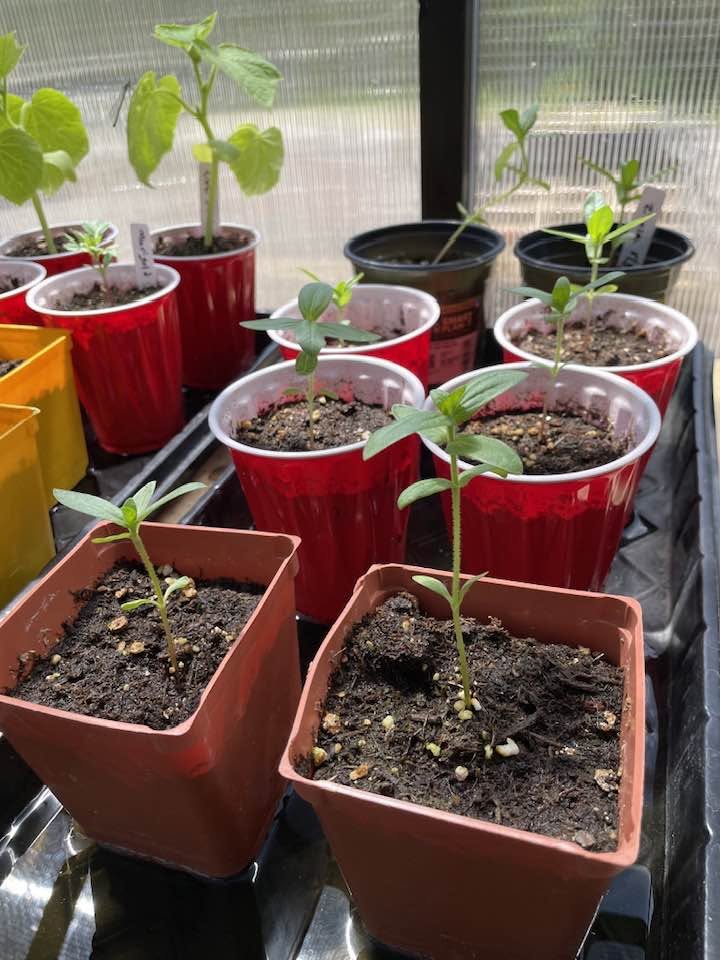
The sturdy and electrified fence keeps out the deer and bear, but Jim also built a protective barrier around the blueberries. The structure follows the existing fence using pressure treated wood and chicken fencing. The lightweight, sturdy chicken fencing will completely enclose the blueberries. Jim devised a brilliant removeable panel system that will allow us to access the blueberries easily and keep them protected when we are not harvesting or maintaining the bushes.
I mulched around the pear and plum trees, as well as the currant bush and spread mulch in front of the blueberry cage. We bought some artificial turf for our pup, Hanna this winter but she does not use it. Jim wants to install the turf for our garden pathways, which would help impede weed growth and it’s affordable since we already own it.
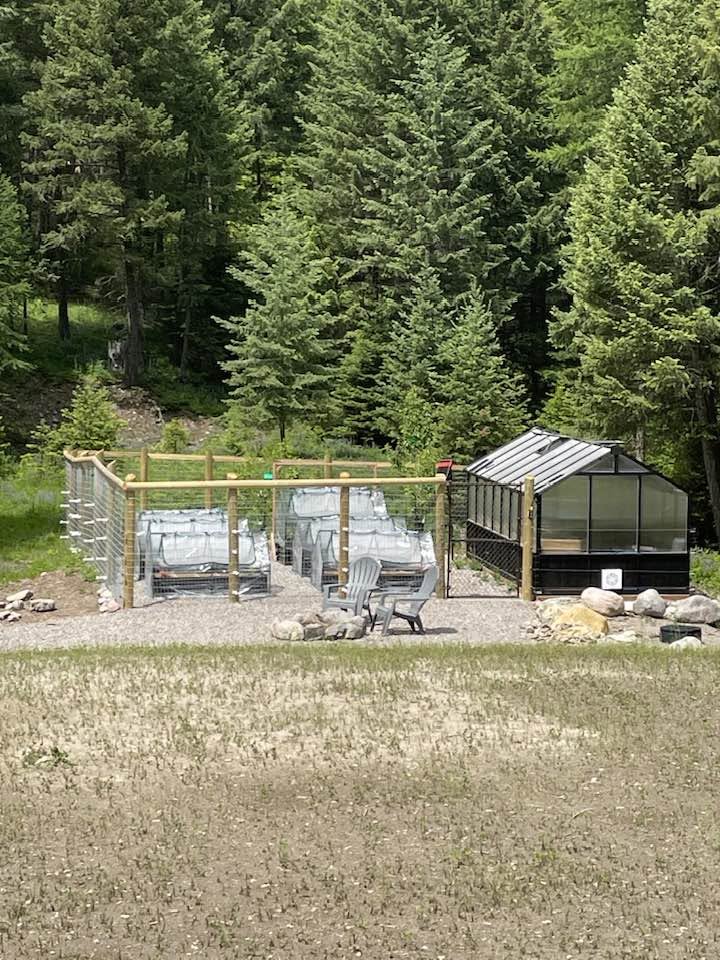
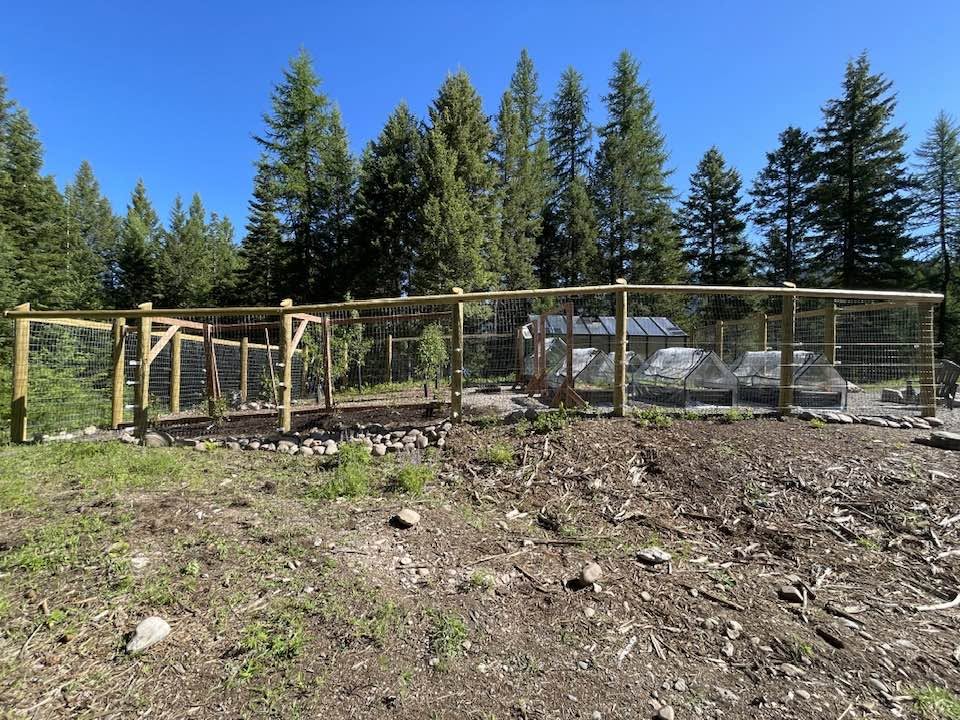

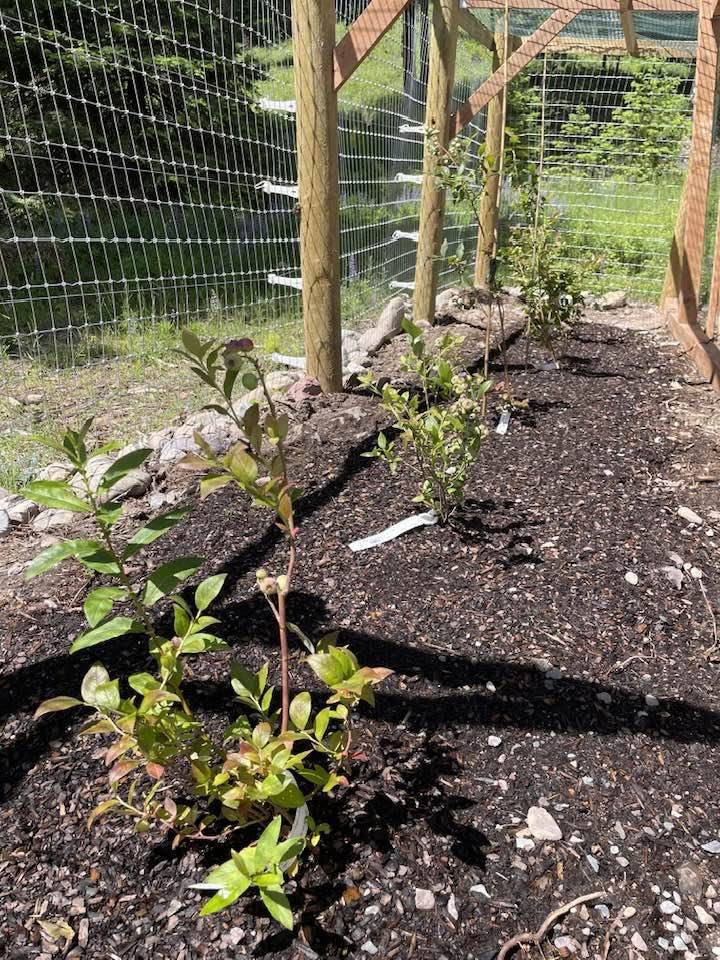

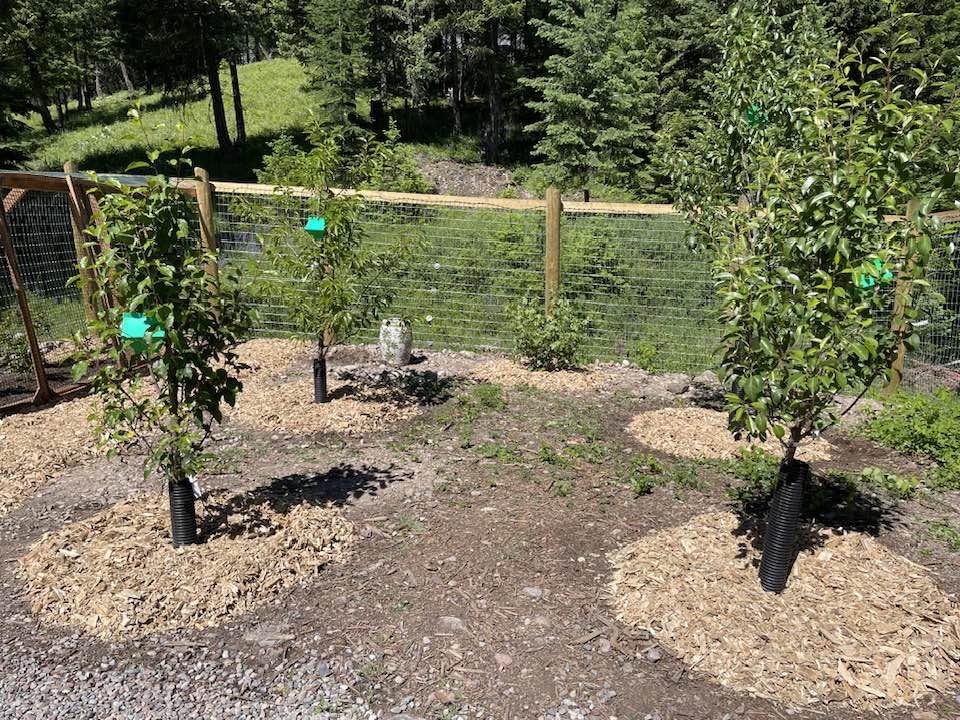
Every morning, I walk down to the garden to check for pests, water and do any other maintenance that needs to be done. This morning, I found a Currant Cutworm on the Yellow Flowering Currant. This nonnative pest is pale green with a black head and can completely defoliate a currant bush in a few days. If there are only a couple, they can be picked off by hand. Birds and parasitic wasps can help control their populations. Checking the garden everyday catches issues early and helps to avoid using biological control options. For example, I avoided spraying anything by simply removing the cutworm from the plant.
If a plant is infested a biological control with Bacillus thuringiensis (Bt) can be used. Although naturally occurring, this soil-dwelling bacterium produces toxins lethal to specific insect pests, such as the currant cutworm. Use sparingly and only if absolutely necessary, as it will also affect other pollinators, such as moths and butterflies. Please be sure to read and follow instructions before using any chemicals in your garden spaces.

To learn how we planned our garden, check out my prior post below:
Edible Garden – Design, Garden, & Travel by Majestic Meadows
Trail
As I’ve mentioned in previous posts, we’re planning a 1.25-mile trail that traverses our property. We have figured out where the trail will be on our property and we’ve made some great progress this spring. We used a pickaxe to widen and level out parts of the trail. Jim used the weed trimmer to open the trail up on flat sections. Although, the picture below was taken before spring growth, you can see what the trail looked like before we started in the picture below:
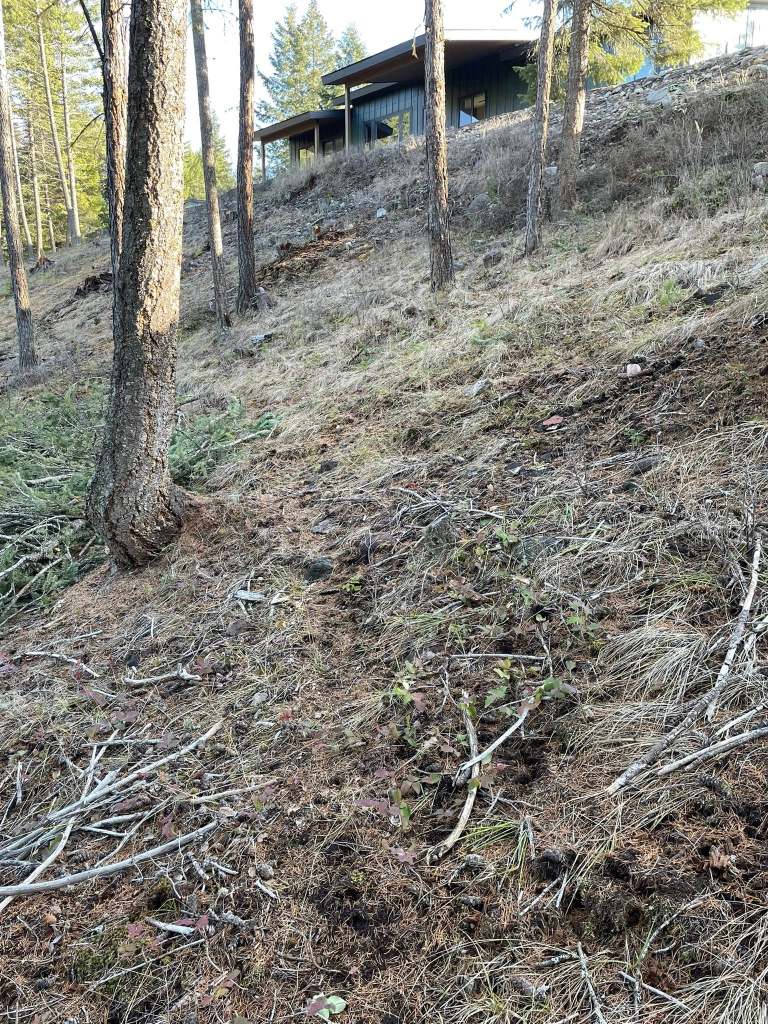
Recently, I worked on part of the trail down to our mountain perch. Using the pickaxe, I cut away part of the upper slope to widen and level out the trail. Once I got to a steep switchback, I placed a stone threshold for the area just before the switchback. Next, I dug trenches for three logs, which I used to create steps. I then leveled out each step area. Finally, I set some stones to help everything stay in place. It was physically challenging but a rewarding and fun project. The picture below shows the same tree in the picture above (opposite direction):

I dug a total of four shallow trenches. The first for the rock threshold, then three more for the logs to create steps down at this switchback. These steps make it a lot easier to turn this corner and continue down the trail.
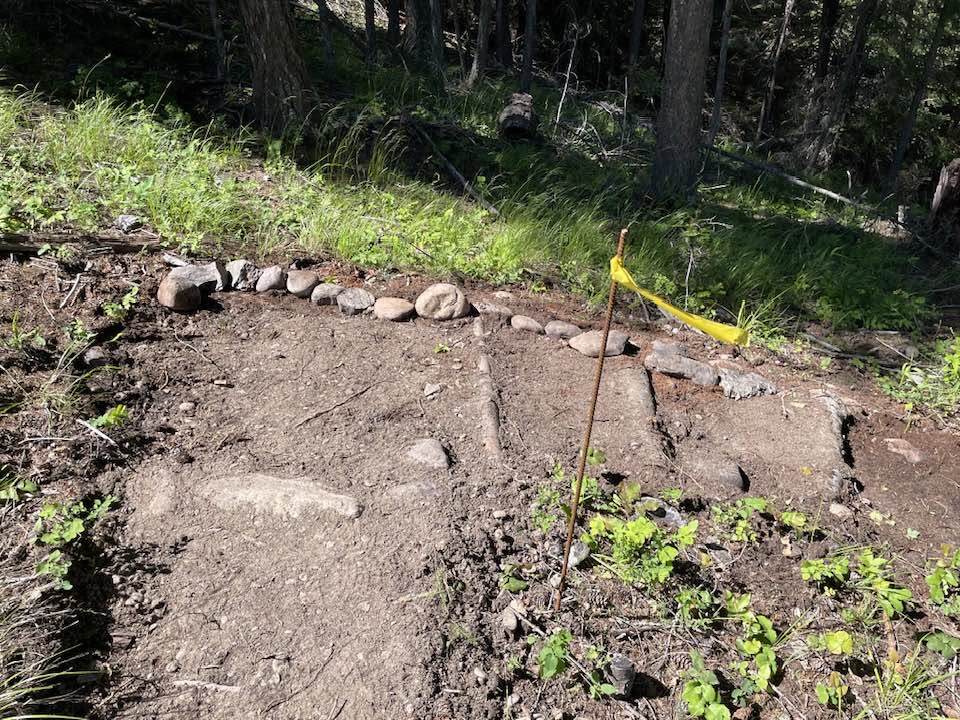
I spent about three hours on this project before stopping at the tree you see on the right in the picture below:

We are used smaller cut up tree trunks for a fun art project. We primed the small wood rounds and then painted them bright colors with various designs. Finally, we drilled holes in them and stacked them together on a rebar rod to act as trail marker. We’ll be doing other “totems,” including ones using 4×4′ posts and placing them at the beginning of the trail, as well as a few other spots.
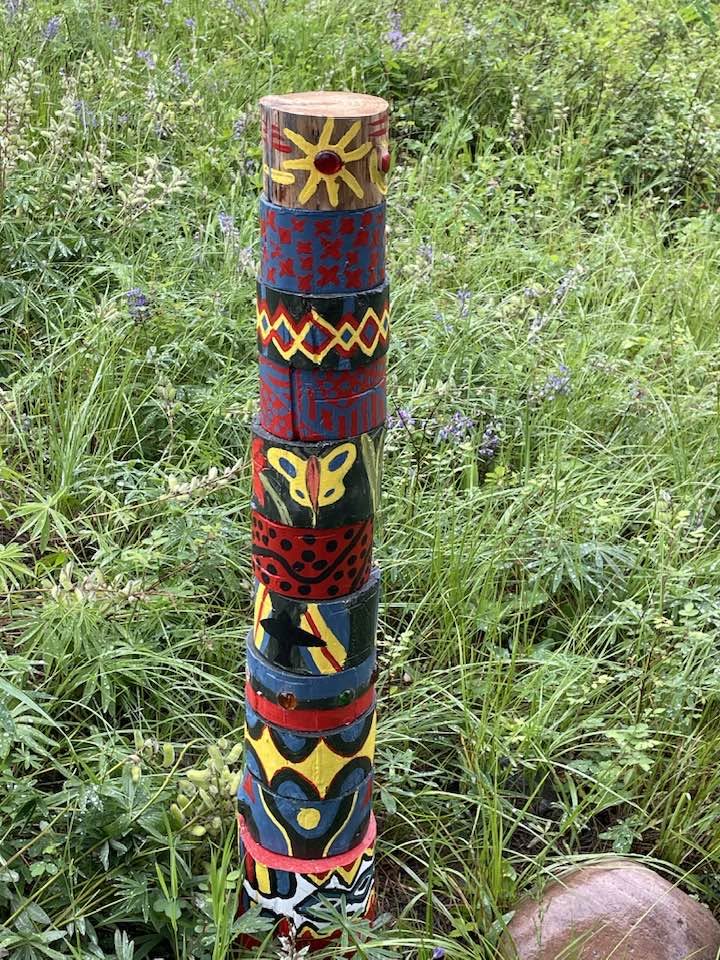
The next trail section includes a lot of uneven ground. These small mounds were most likely created when the property was logged before being developed. The heavy equipment created furrows that we’ll even out on this part of the trail. The picture below shows you where I stopped work on the trail next to the tree:

The pictures below show you what the next part of the trail looks before we did any work. As you can see, we needed to move lots of rocks and once again dig out the upper portion of the trail to widen and level it. Once we got past this section, the trail to the mountain perch is easily maintained using a weed trimmer.
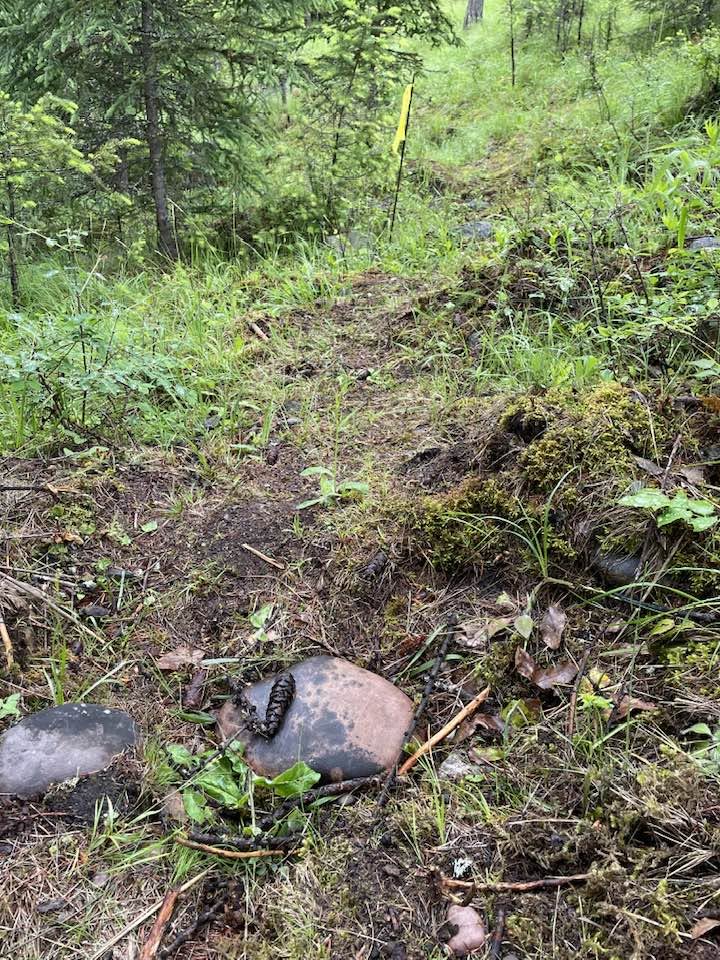

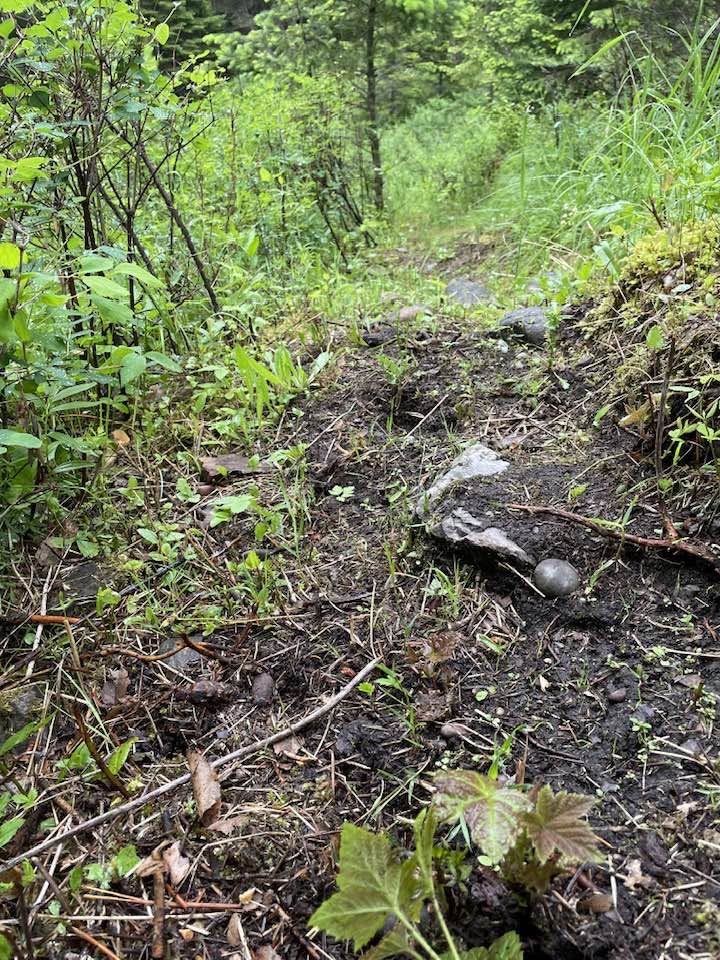

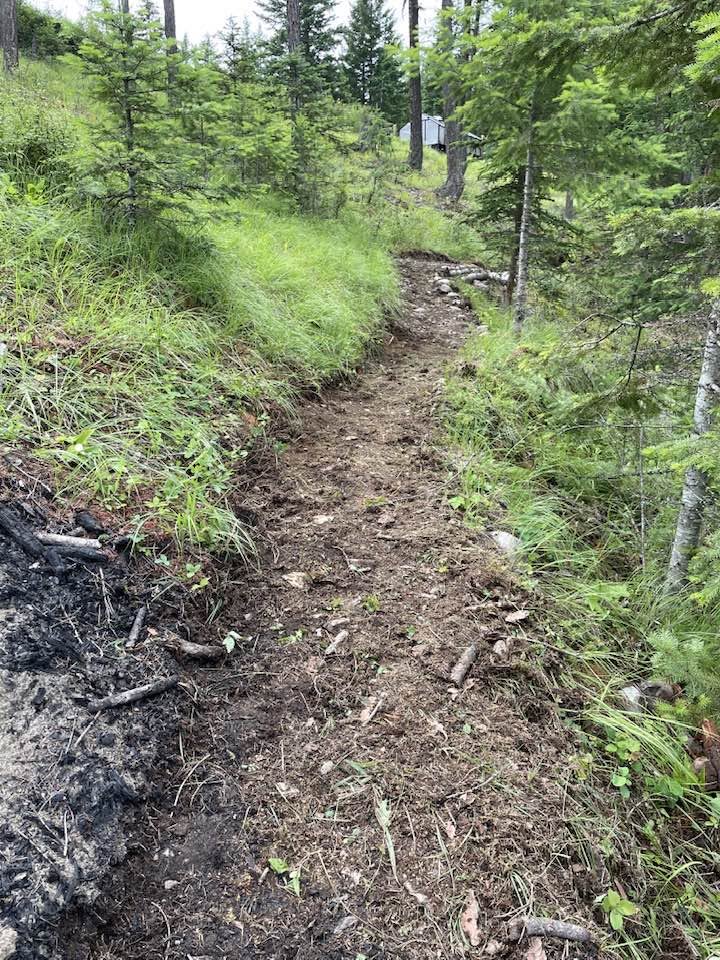
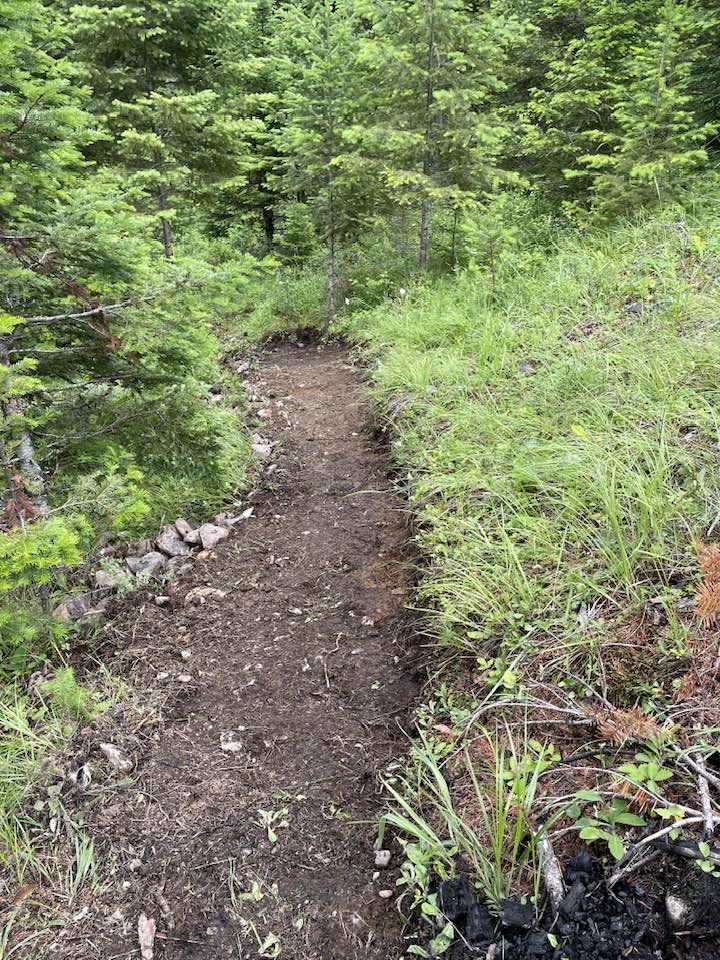
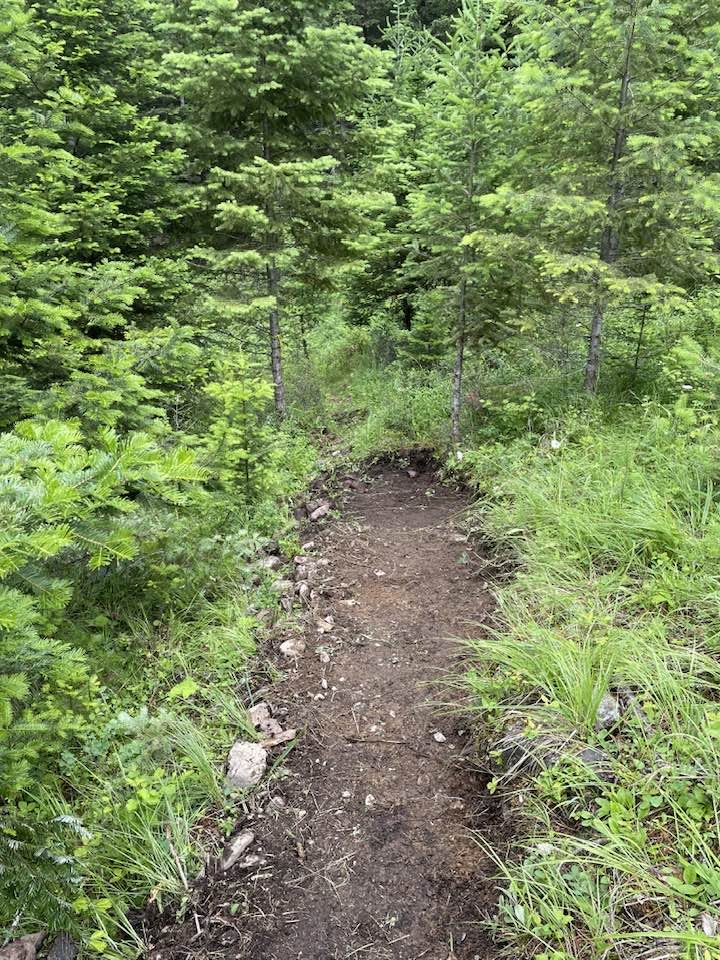
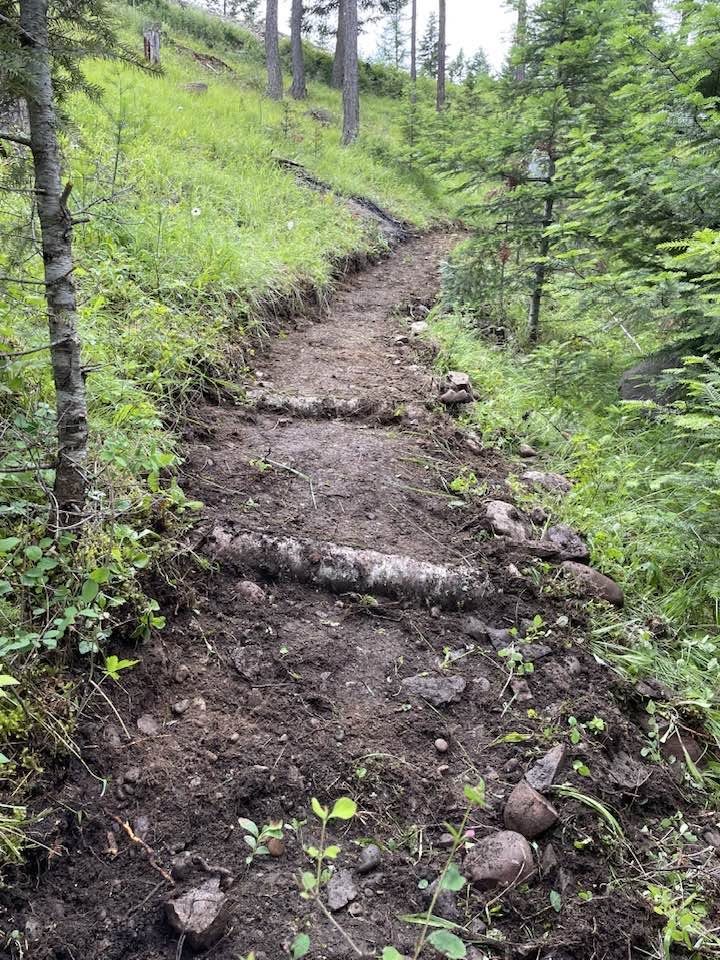
Here are the pictures after we worked on this part of the trail. It was narrow, steep and rocky. Jim and I worked on this part together, including using the pickaxe to remove part of the upper trail to widen and level the trail. We also had lots of small and medium sized rocks to move. We have one small section to finish and then it opens up to an area that just needs to be cleared with a weed timmer.
To learn more about creating a trail, check out my post below:
Garden Spaces – Design, Garden, & Travel by Majestic Meadows
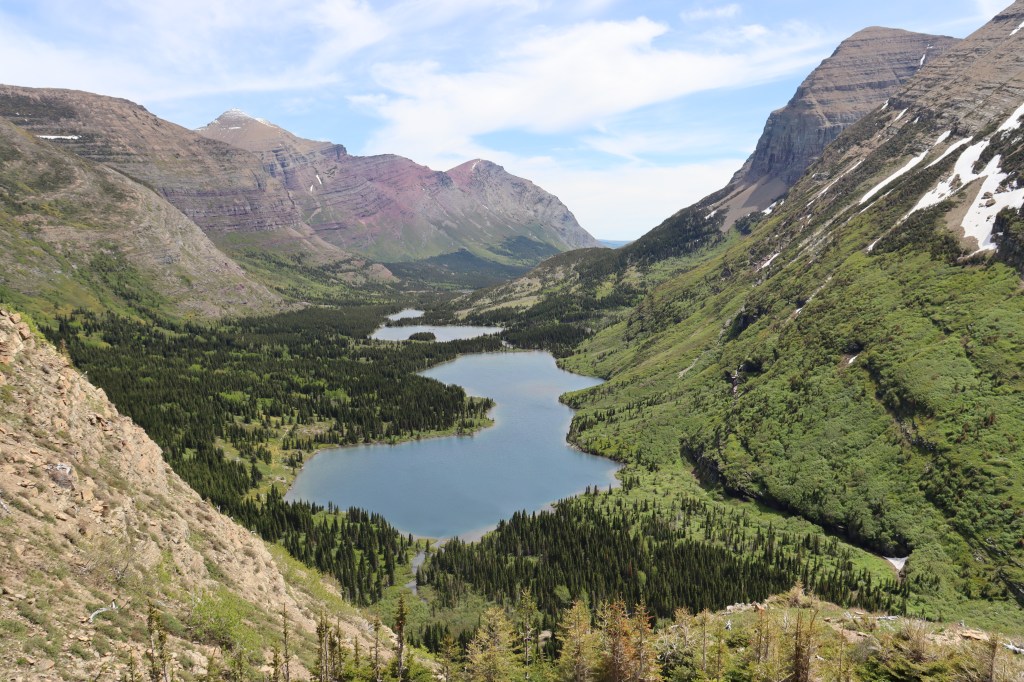
My hubby, Jim and I got to spend a weekend at Many Glacier in Glacier National Park recently. We stayed in the park at Many Glacier Lodge and spent some time on the trails, so I’ll be sharing this adventure in a future blog post shortly.
Never miss a post by subscribing below:


Leave a Reply