Can you believe we’ve been in the house for just over a year? Jim and I have spent a lot of time in the garden. We’ve accomplished a lot, including creating a native meadowscape garden around the house and an edible garden. We’re still enjoying fresh strawberries, kale, Swiss chard, cucumbers, beets and more.
It was great to get away and hit the trails on the east side of Glacier National Park. We started at West Glacier and took Going-to-the-Sun Road to Saint Mary, then on to our VRBO rental in Babb, Montana. The rental overlooks Lower Saint Mary Lake and was one of the quietest places we have ever stayed near Glacier. In today’s post, I’ll share information about our Lee Ridge hike, our favorite spots to eat and where we stayed.
Lee Ridge
Lee Ridge is off-the-beaten-path. We saw a total of three other people during our hike. One of the guys said he had never seen another hiker on the trail before today. This trail is in a remote section of Glacier and offers awesome views once you’re through the lodgepole forest. We brought our hiking poles but really didn’t need them. You will want to bring bear spray and plenty of water.
Trail Access: Just before you reach the US/Canada border on Highway 17, there will be a sign that says, “Customs 1/2 mile Ahead.” Park at the pullout there and walk back down the road approximately 150 yards where a marked trailhead sits on the south side of the road. If you go to Gable Pass there is a 1,900-foot elevation gain. You’ll see an orange badge at the start of the trail and just a few feet more, we found the Lee Ridge Trail sign. The trail to Gable Pass is six miles with about two-thirds through the trees until it opens up onto an alpine ridge.
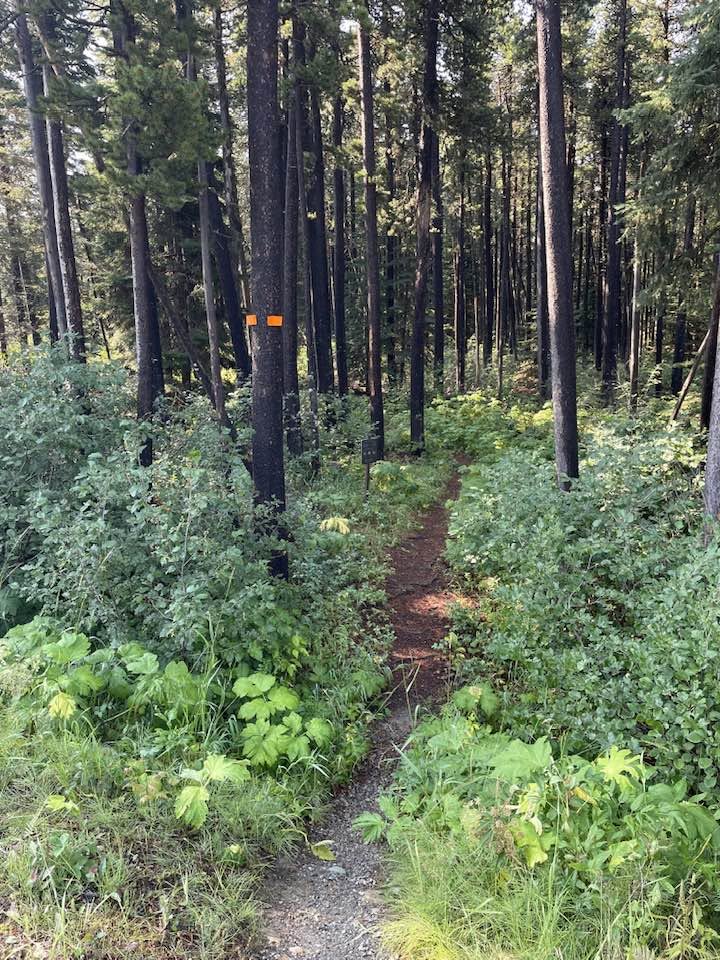
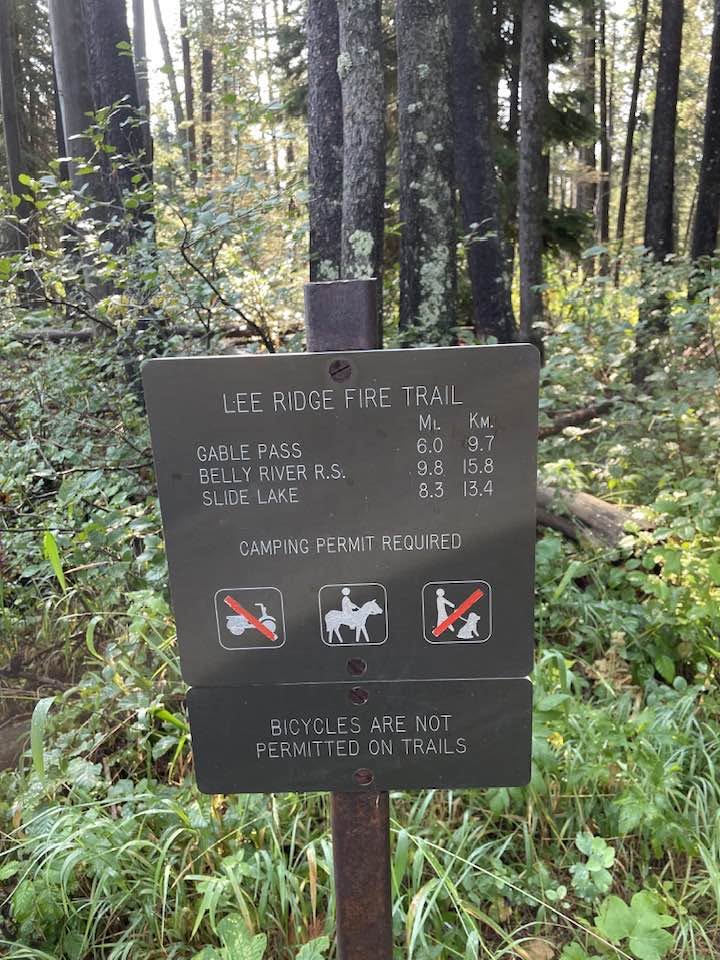
The forest trail is great for a sunny hot day, especially when you’re gaining elevation. Be sure to wear pants and long-sleeved shirts or be prepared to use bug spray to ward off the mosquitoes. The lodgepole forest section is thick and doesn’t offer anything but forest views. As you climb, Grand and Douglas fir start taking over and the forest opens up a bit to let flowers and shrubs grow. In the pictures below, you see some of the plants we saw along the trail, including aster, blanket flower and elderberry. The trail also had thimbleberry, ferns and huckleberry bushes.
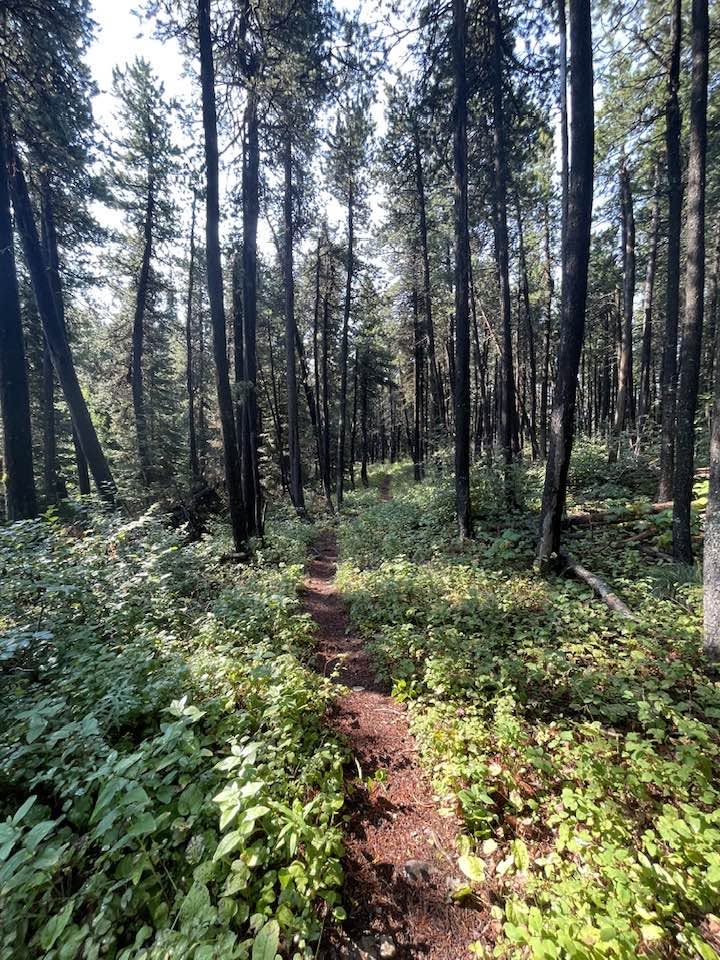
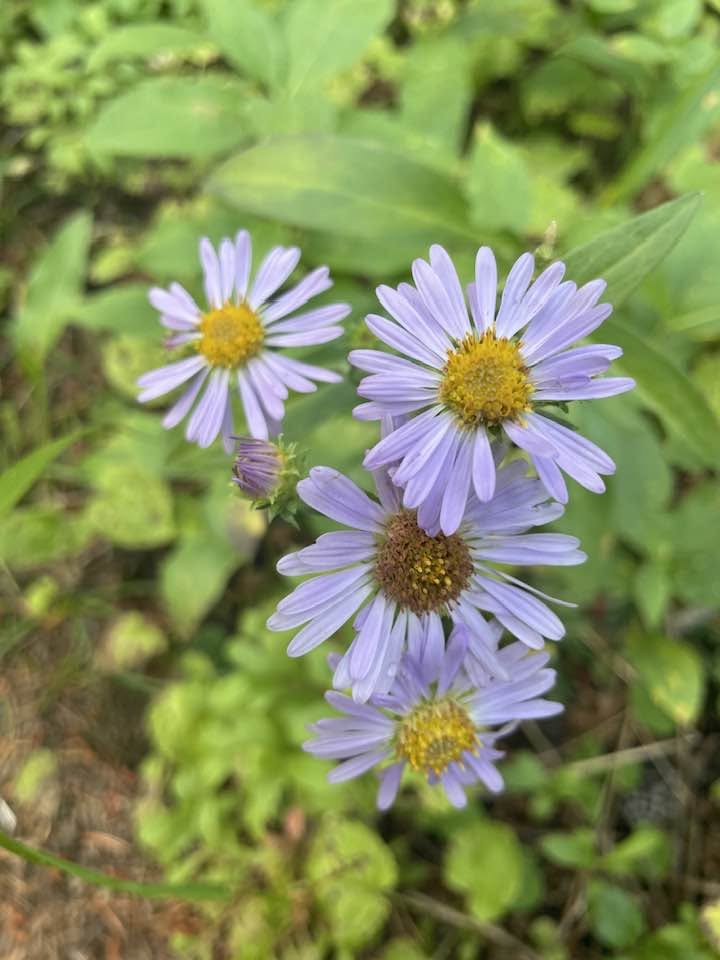
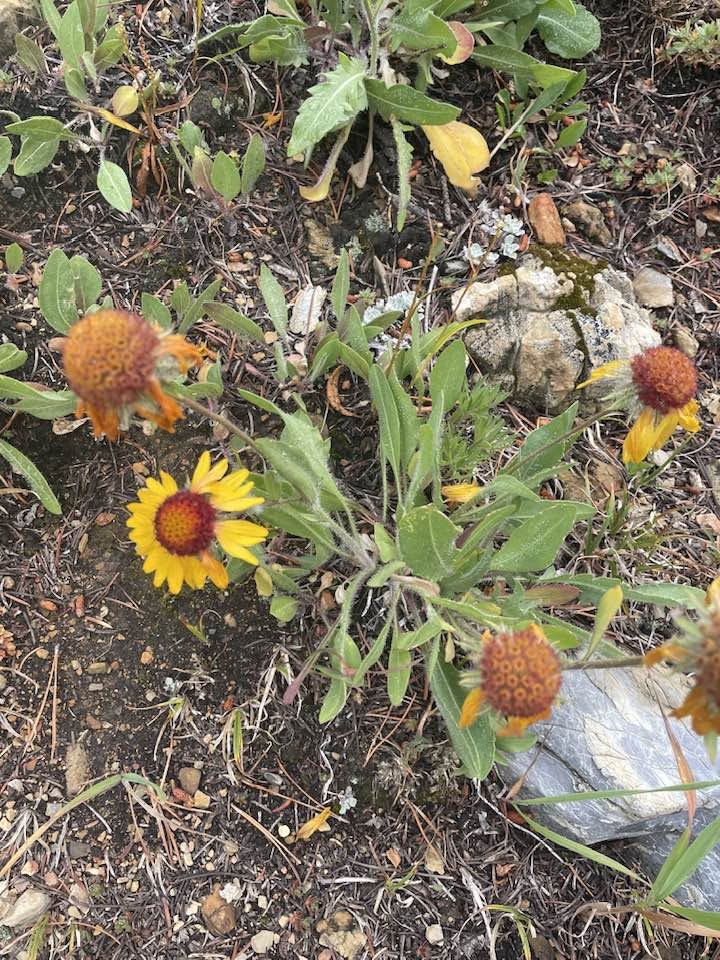
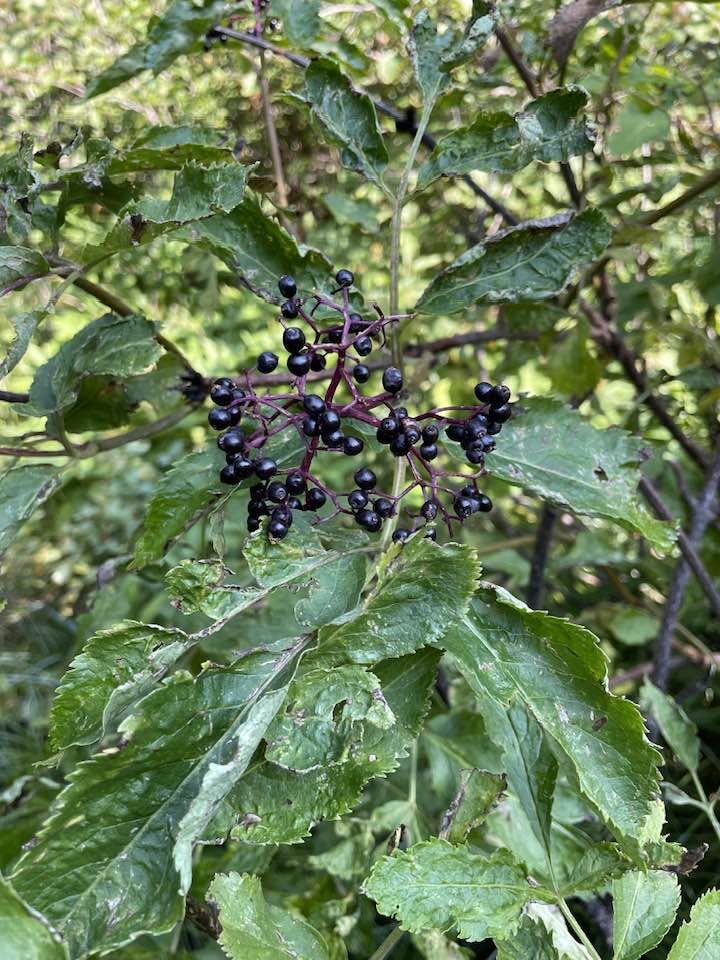
There is plenty of garden inspiration to be found in nature, which has a delightful way of combining flowers, shrubs and trees to make a glorious landscape. The terrain boasts tenacious and beautiful blooms, bountiful berries and rocky scenery featuring resilient, leathery green growth that only exists in the alpine. Spending time in these magical places is all the motivation you need to create beautiful gardens at home.
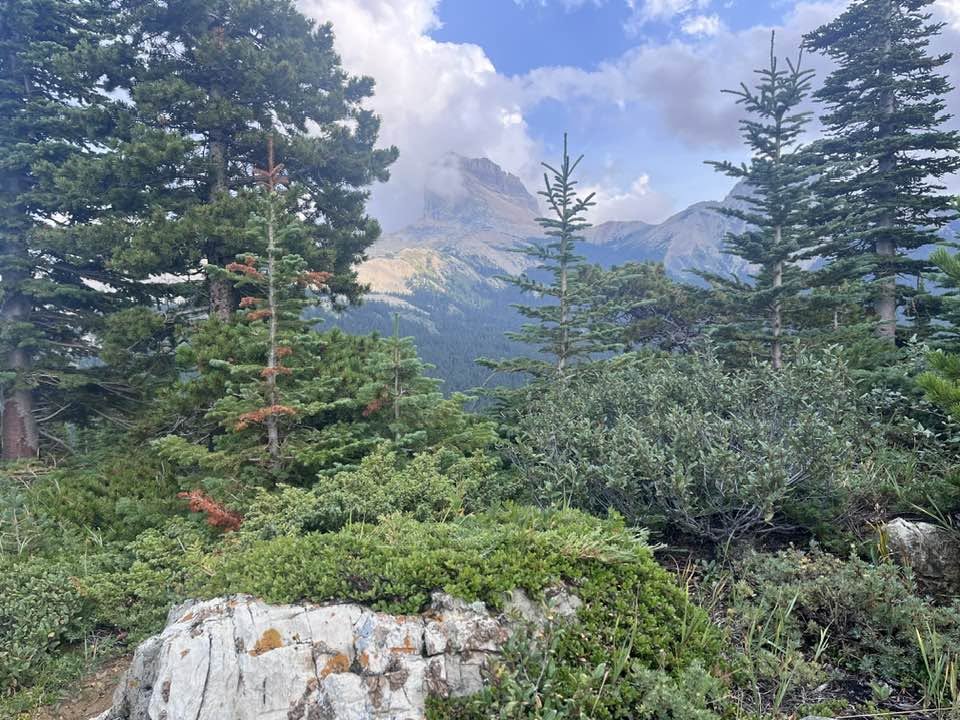
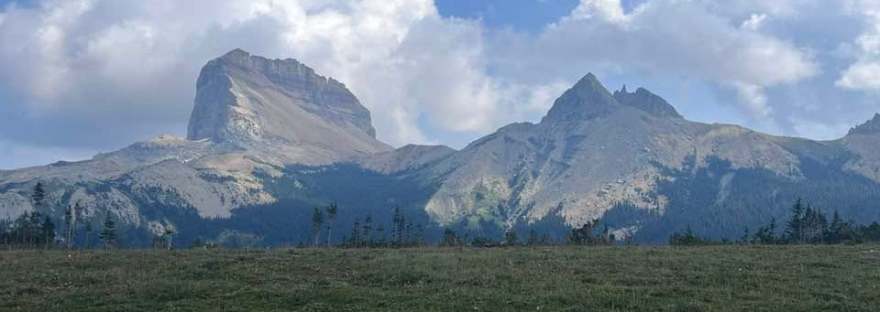
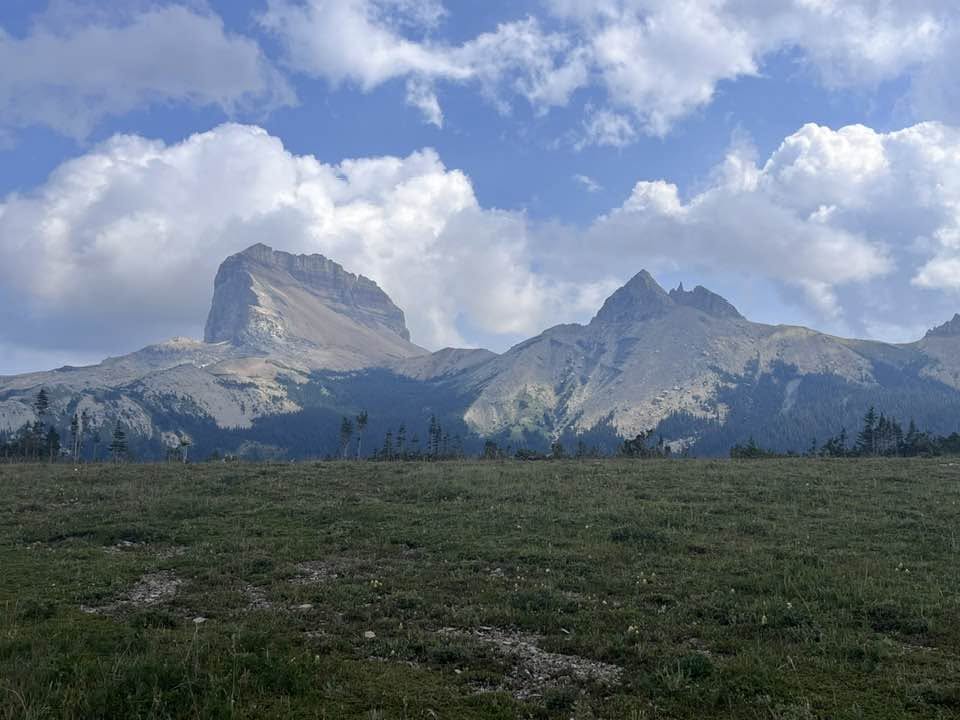
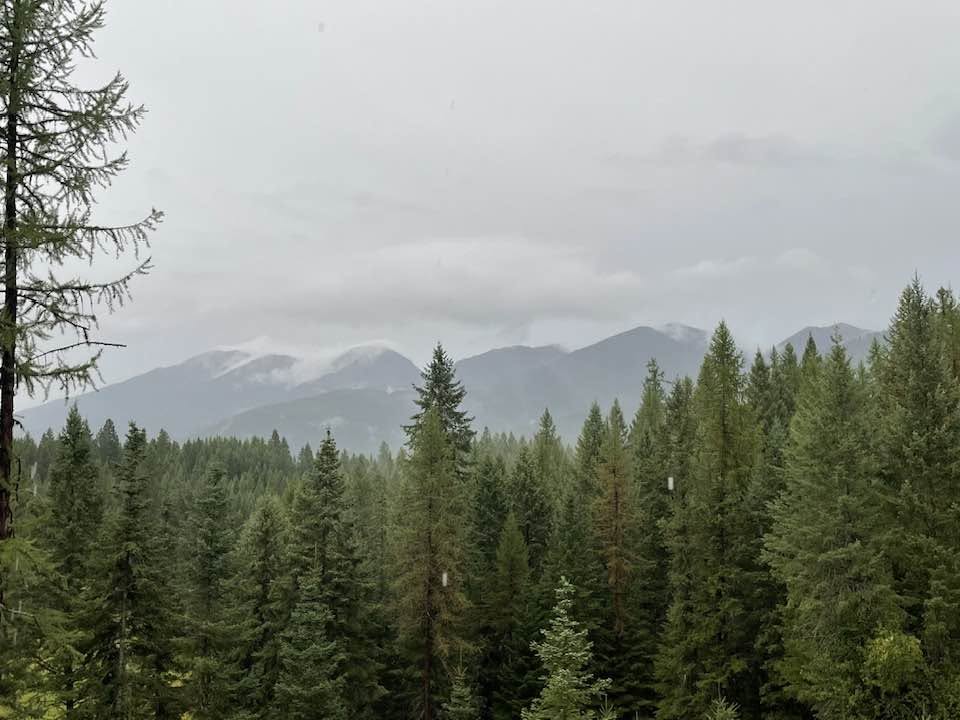
As we were passing through the last bit of alpine forest, views of Gable and Chief Mountains came into view. During this hike you’ll also see Mount Cleveland, the tallest mountain in Glacier National Park at 10,466-feet. Brian Hamilton, as expert climber (https://www.summitborn.com) says, “The mountain asks travelers to engage it with restraint, recognizing that its scale and isolation leave little room for error. Those who return with presence intact carry forward a deeper understanding of how craft and consequence shape responsible time in the mountains. In the end, Cleveland rewards those who move with the terrain rather than against it, offering a durable lesson in attention and humility that extends far beyond any single summit day.”
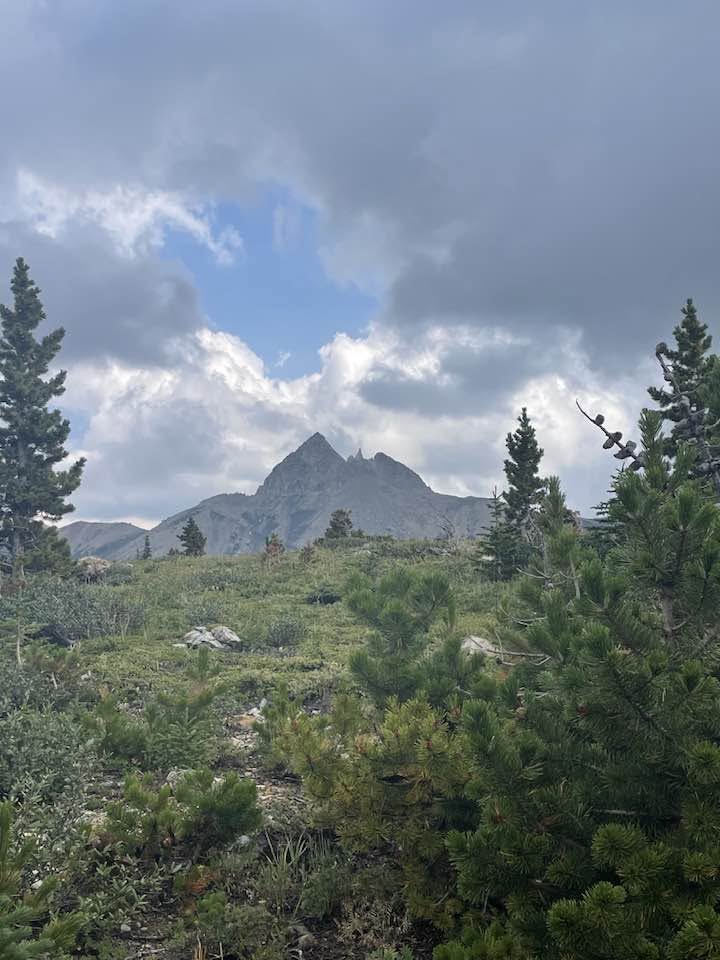
One of the most recognizable mountains along this trail is Chief Mountain, considered one of the holiest mountains for the Blackfeet Nation. They believe it is a great source of spiritual power for those seeking visions. The Blackfeet consider it a gateway where Creator beings reside and where chiefs and spiritual leaders go for vision quests and prayers. The Blackfeet believe the supernatural world is connected to the physical through visions, often received during fasting and isolation, and these experiences can guide ceremonies, songs, and the use of sacred bundles. Today, the Blackfeet Tribal Historic Preservation Office enforces a closure of a one-mile radius around the mountain’s base to protect cultural and spiritual practices. The closure allows only Blackfeet people to use the area for cultural and spiritual purposes, and even then, only under tribal oversight.
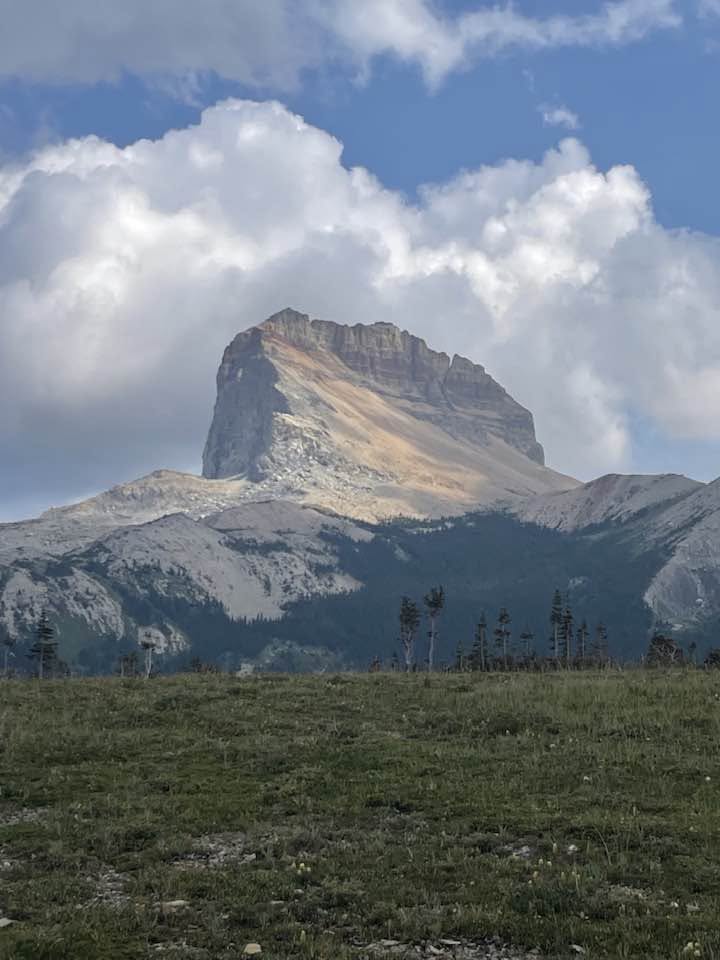
We had our elder dog, Hanna back at the rental, so we didn’t have time to go all the way to the pass. We enjoyed the views from the ridge while eating lunch, then headed back down the trail.
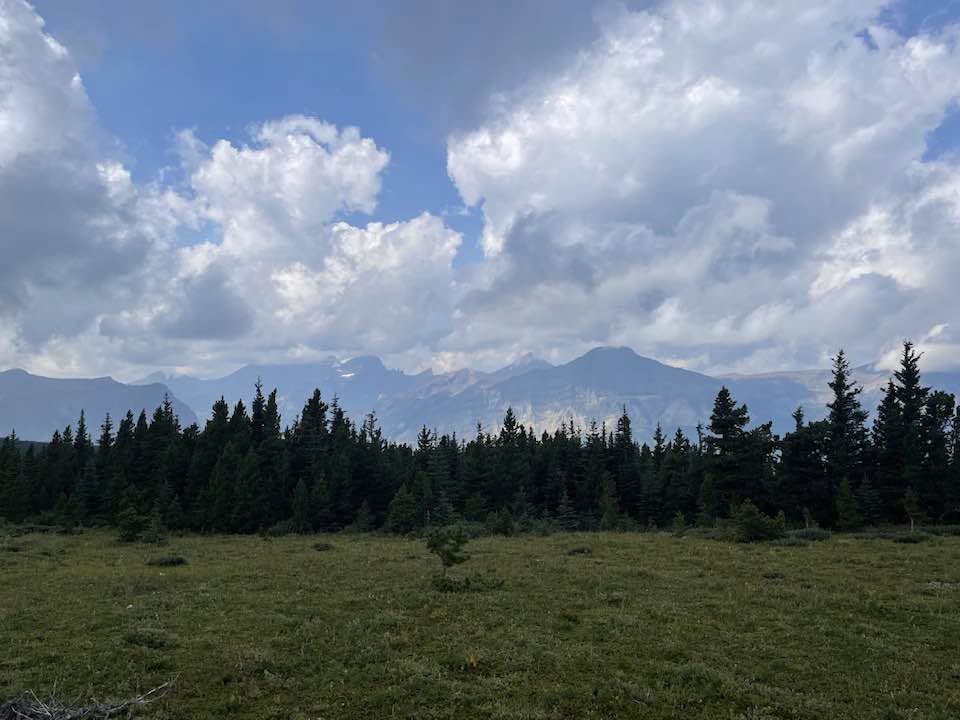
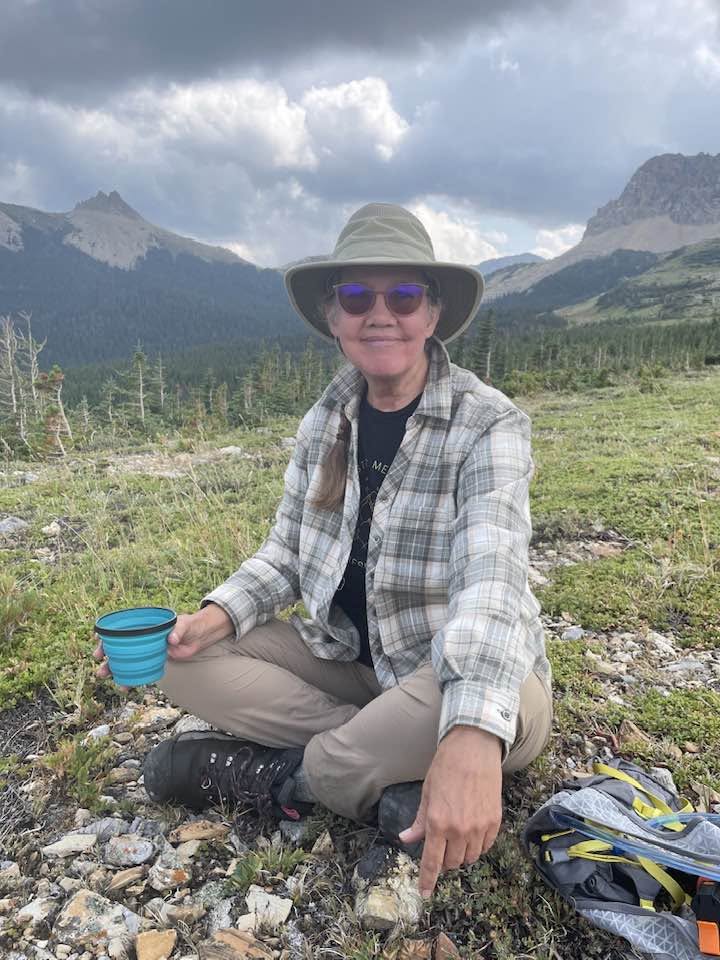
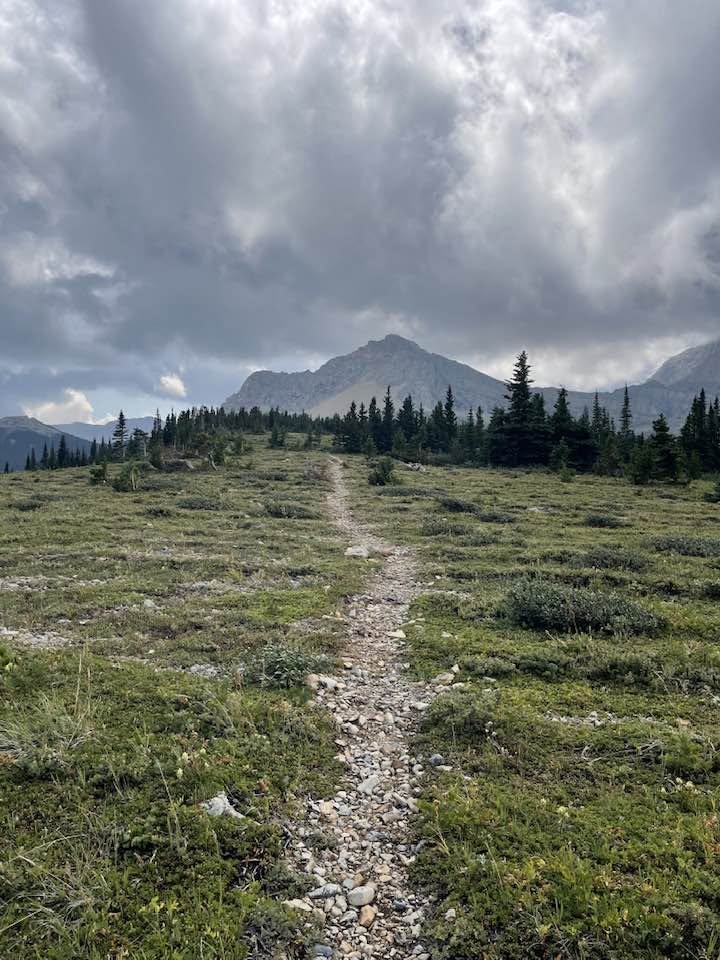
If you plan to go to Gable Pass, take advice from one the best trail resources in the western half of the US, Jake Bramante at Lee Ridge – Gable Pass – Slide Lake:
Continue up the ridge by following “cairns (man-made piles of rock) up a moderately steep, terraced slope with views into the Belly River and Mokowanis River drainages. Pikas are common around the limestone boulders at the end of the trail.”
Food
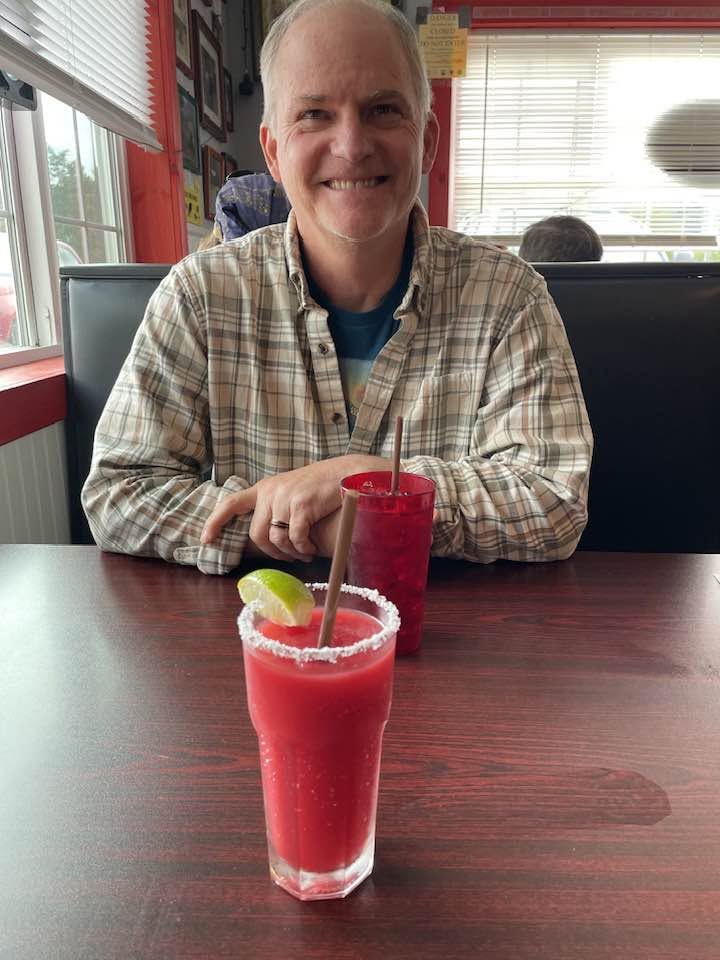
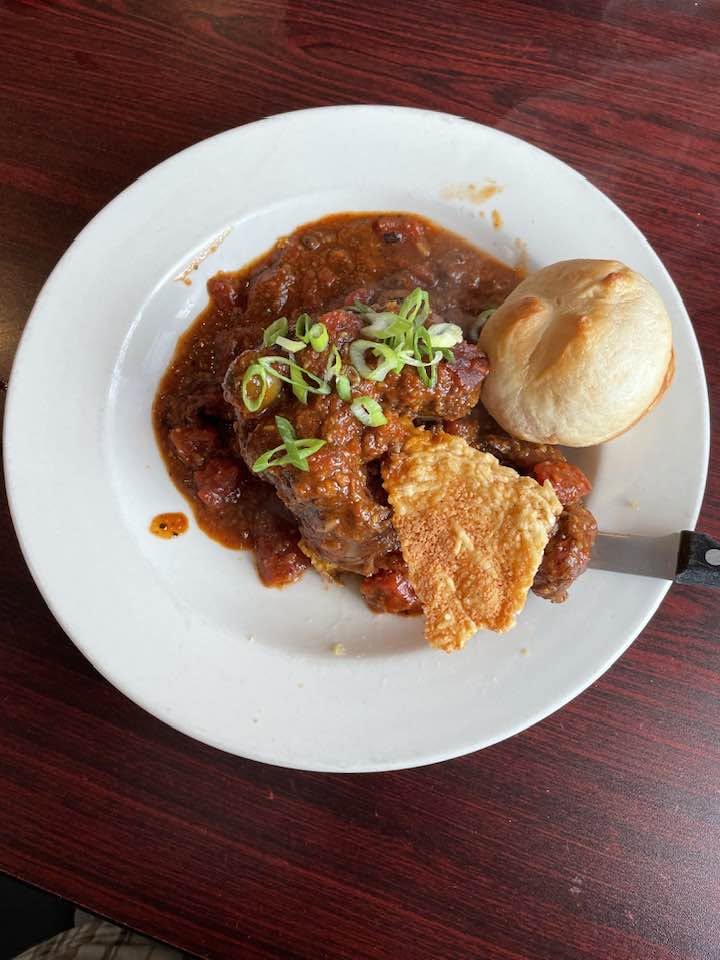
If you’re looking for a great meal, stop by Two Sisters Cafe near Babb, MT. The sisters, Susan and Beth Higgins, as well as John Cunningham (Susan’s life partner) opened the Cafe in 1993. Susan and John have worked in the restaurant industry since they met. Beth Higgins, a chef formally trained in New Orleans, has been creating locally sourced, hand-made fare in both Babb and Missoula for over 30 years. She helmed the Two Sisters, Missoula restaurant, winning Best New Restaurant in 2000, and Two Sisters Catering for over 10 years. Beth was voted Best Caterer in Missoula for 9 consecutive years, as well as hosting two James Beard Foundation Chef dinners, and numerable Chef Dinners for various charitable events.


VRBO
We stayed in the Rising Wolf Getaway, which was perfect for us and our Westie, Hanna. The two bedroom and one bathroom cabin includes a fenced yard and BBQ grill. The primary bedroom featured a regular size bed and dresser. The second bedroom includes a bunkbed and dresser. There is an additional pullout bed in the living area. This rental is perfect for a couple or family with a few kids. This cabin is one of the most peaceful and quietest places we’ve ever stayed.
Rising Wolf Getaway: pet friendly 2-bedroom cabin in beautiful Babb, Mt.
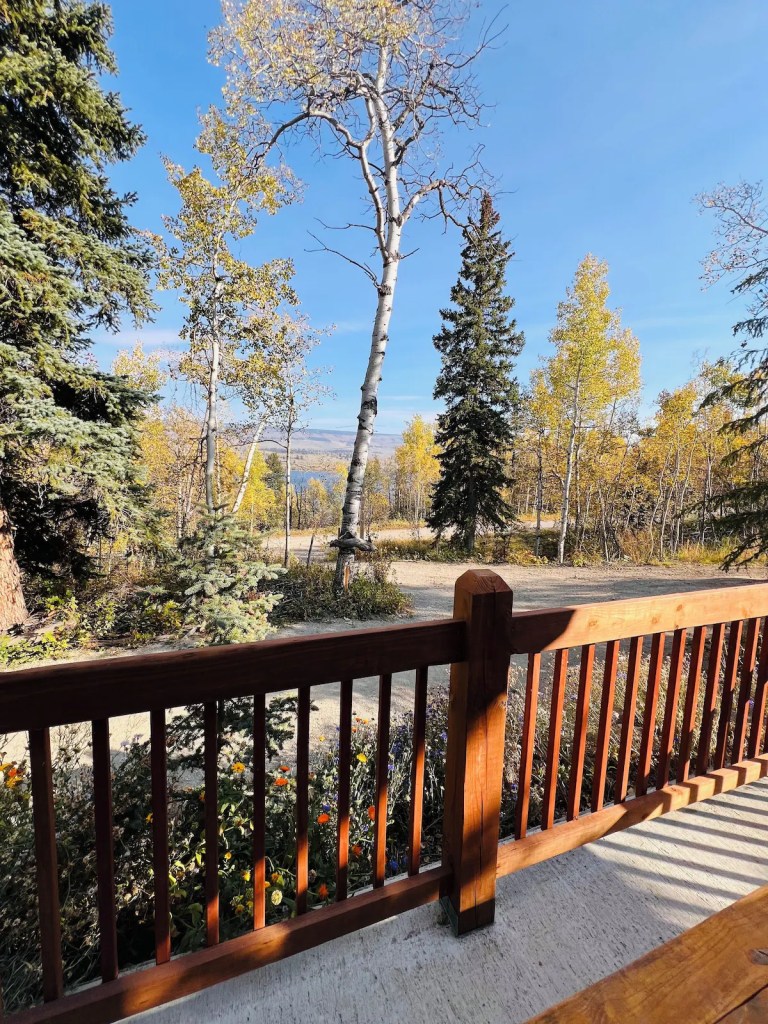
The open plan living, dining and kitchen was comfortable. The living room includes a TV with Netflix and other streaming services. The dining table for four was plenty for us. The small kitchen had a full-size refrigerator and range, as well as dishes, silverware, pots and pans. They also provided spices, sugar and cooking oil.
The partial Lower Saint Mary Lake view and outdoor seating area made this rental extra special. The owner, Gabrielle was great and even checked in with us to make sure we had everything we needed. When you’re near Babb, be sure to stop by her Joe Dads Famous Indian Tacos food truck. Her Indian Tacos are popular with the locals!
Note: During our stay there was no drinking or cooking water from the taps. There was plenty of water for dishes, showers, etc. Danielle did provide plenty of bottled water for drinking, cooking and brushing your teeth. This caveat did not negatively impact our stay.
Bonus Trail – Peters Ridge
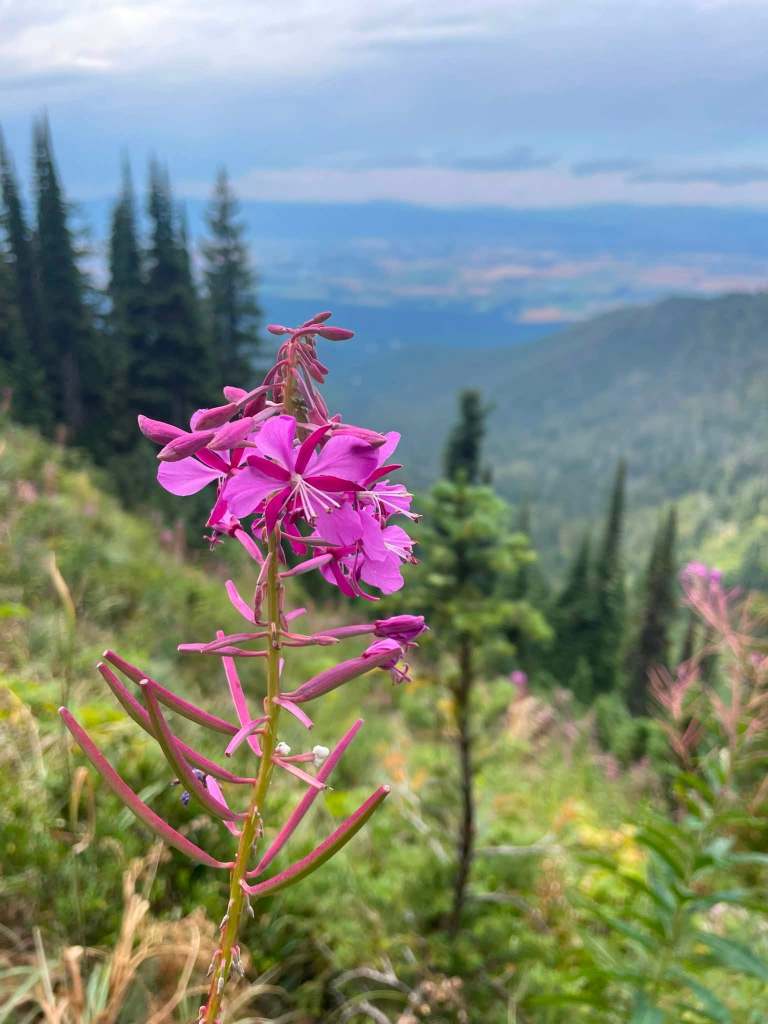
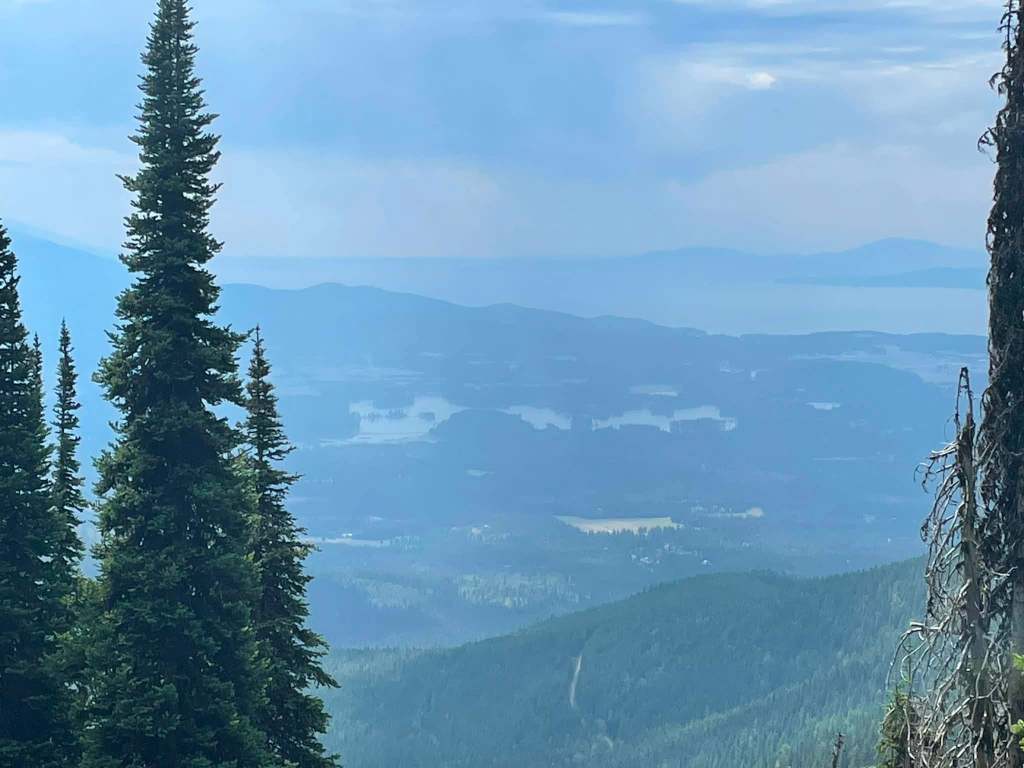
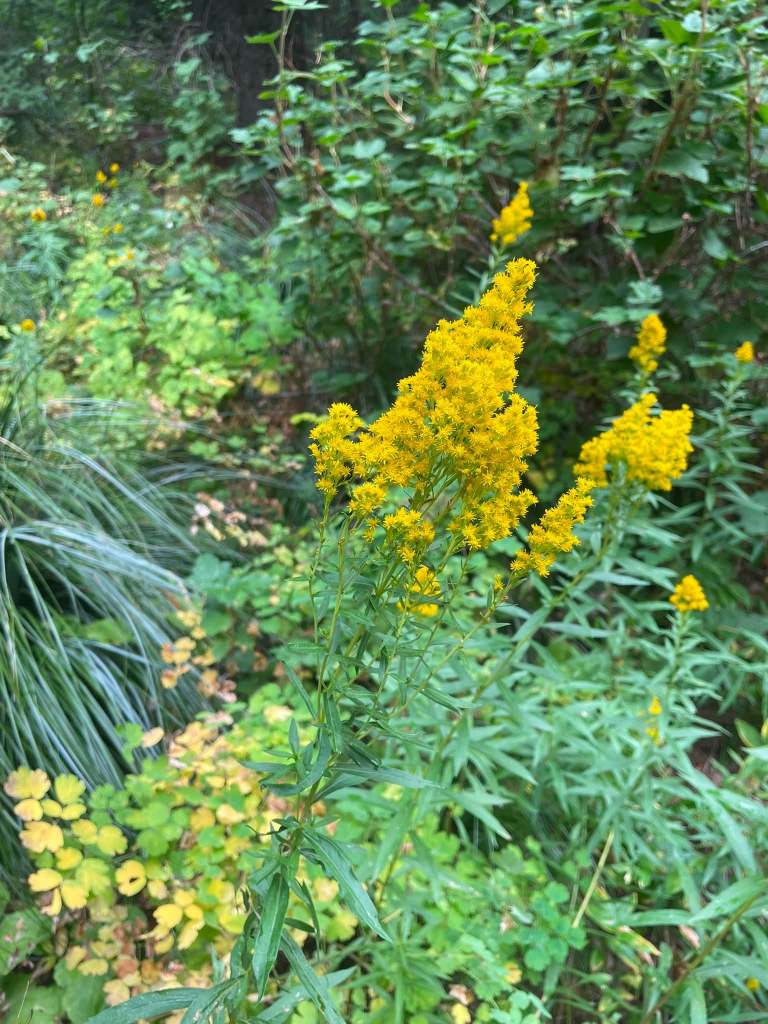
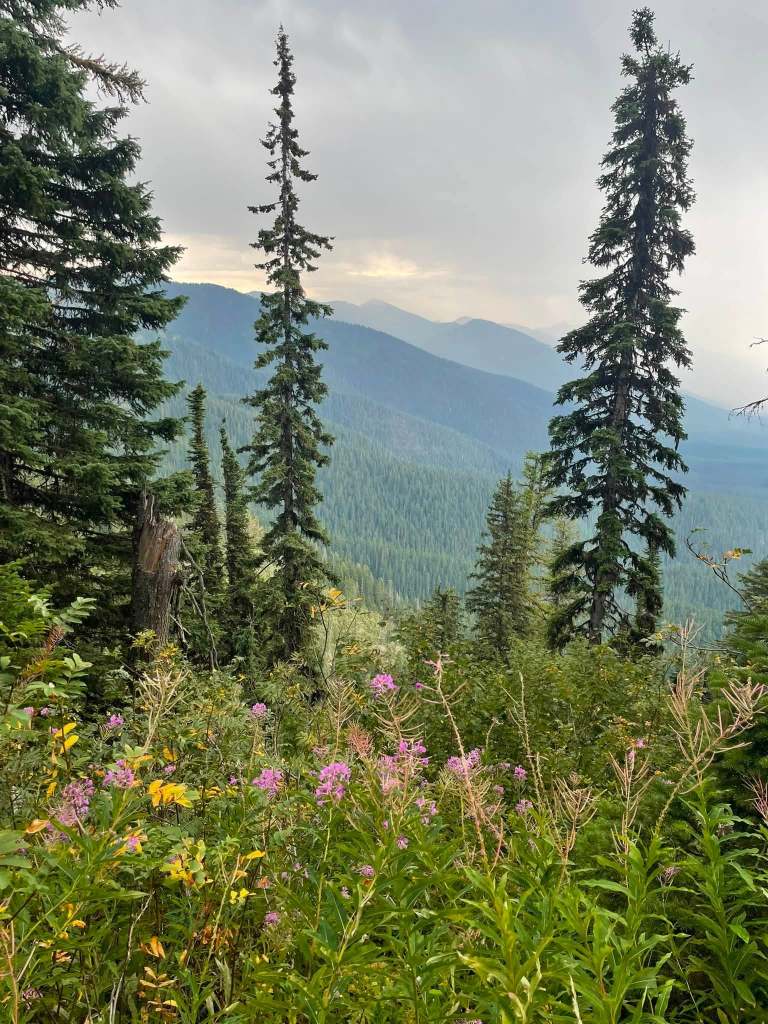
Jim found this trail on AllTrails and we explored it last weekend. This trail is another way to get up into Jewel Basin. Although not as crowded as Camp Misery, this trail is a steep, rocky climb through the trees. You’ll definitely want your hiking poles for this climb up and over the Swan Crest, which features sweeping views of both the Flathead and Hungry Horse Valleys. It’s a 5-mile round trip with a 1,900-foot elevation gain to Alpine trail #7.
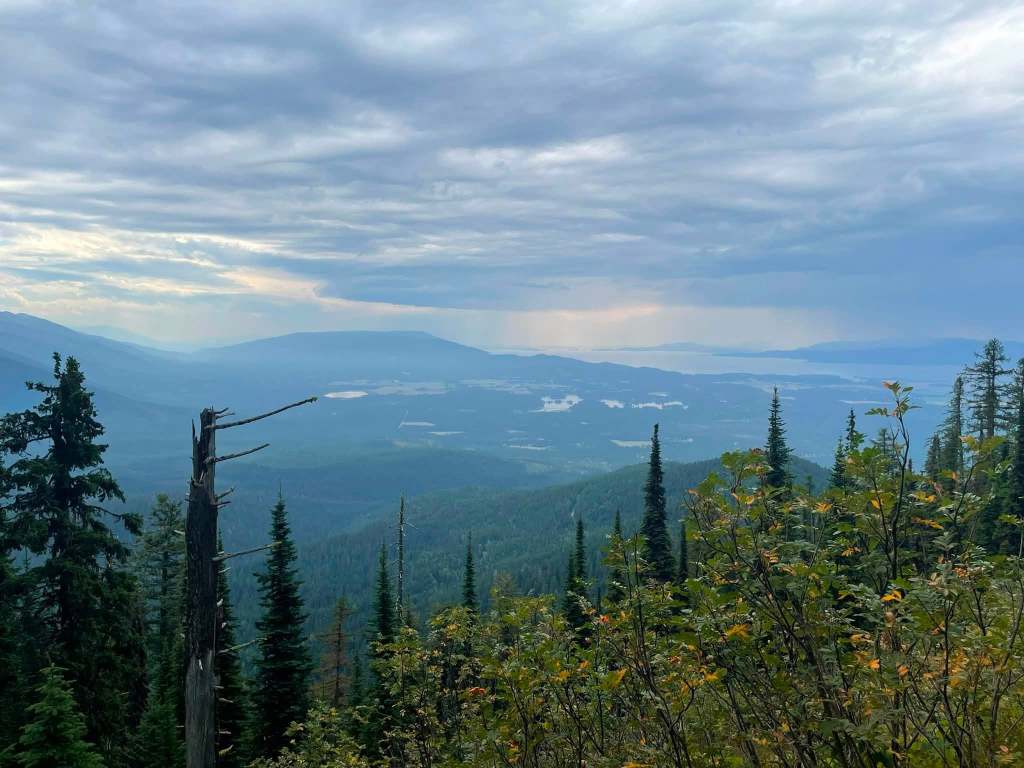
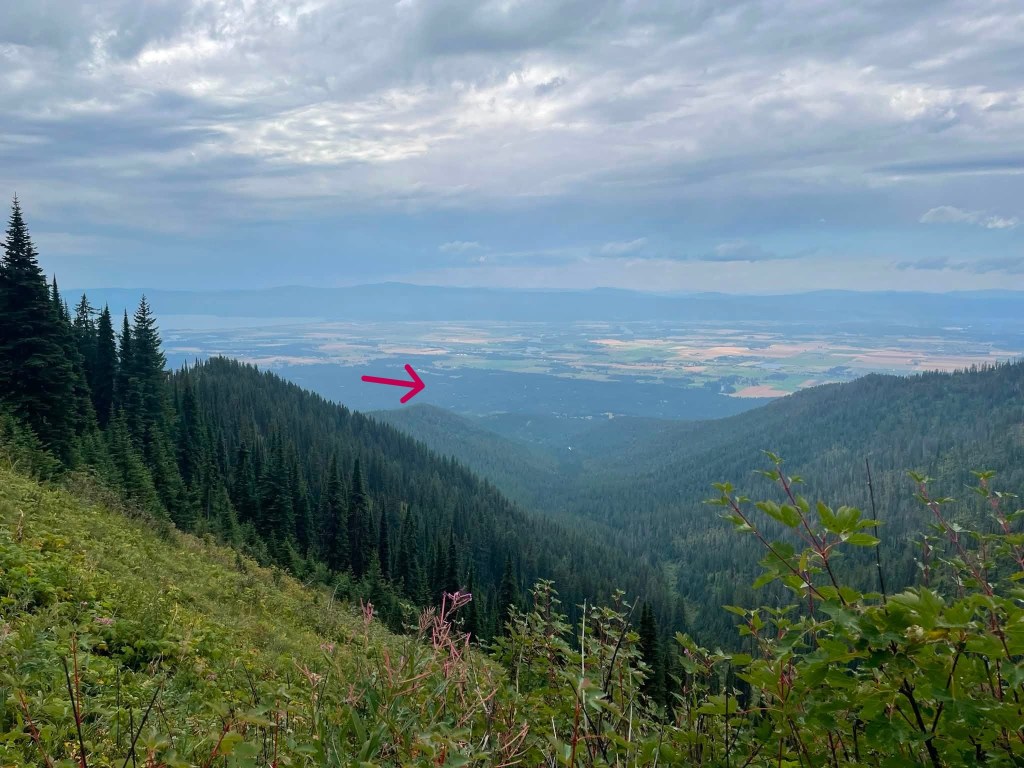
In the picture below, we’re looking down into our neighborhood, and the arrow shows an approximate location of our property, Majestic Meadows:
Garden Update
It has been a dry sunny summer. As the calendar flips into September, the weather has turned cool, cloudy and wet. I don’t mind the change, and we certainly need the rain. We’ve got a few more garden projects planned, including planting some native Little Bluestem grasses and spreading additional native wildflower and grass seed.
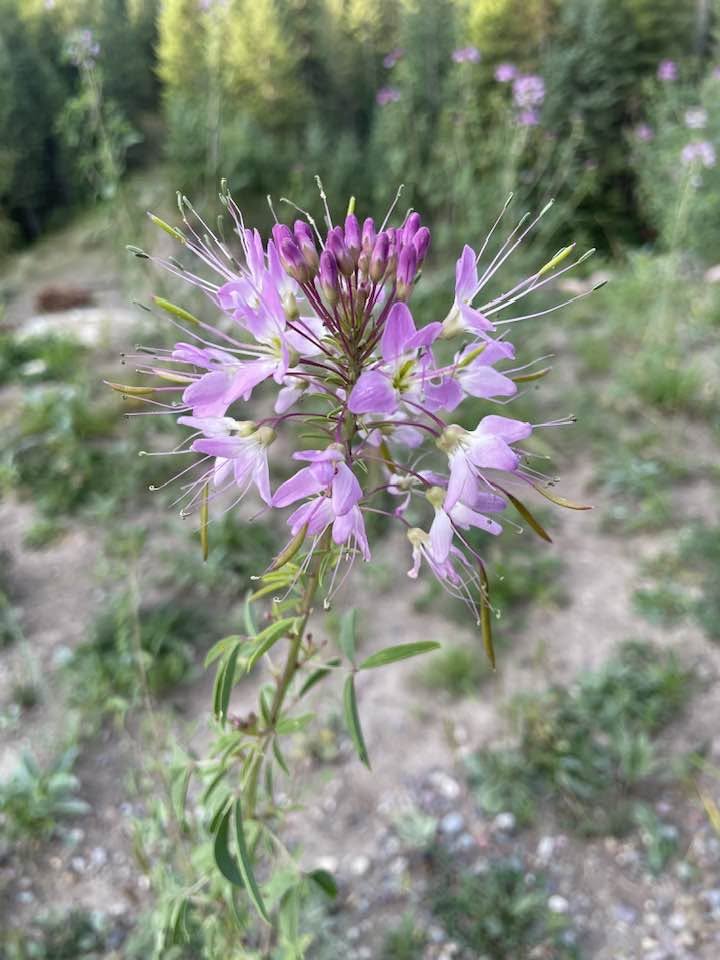
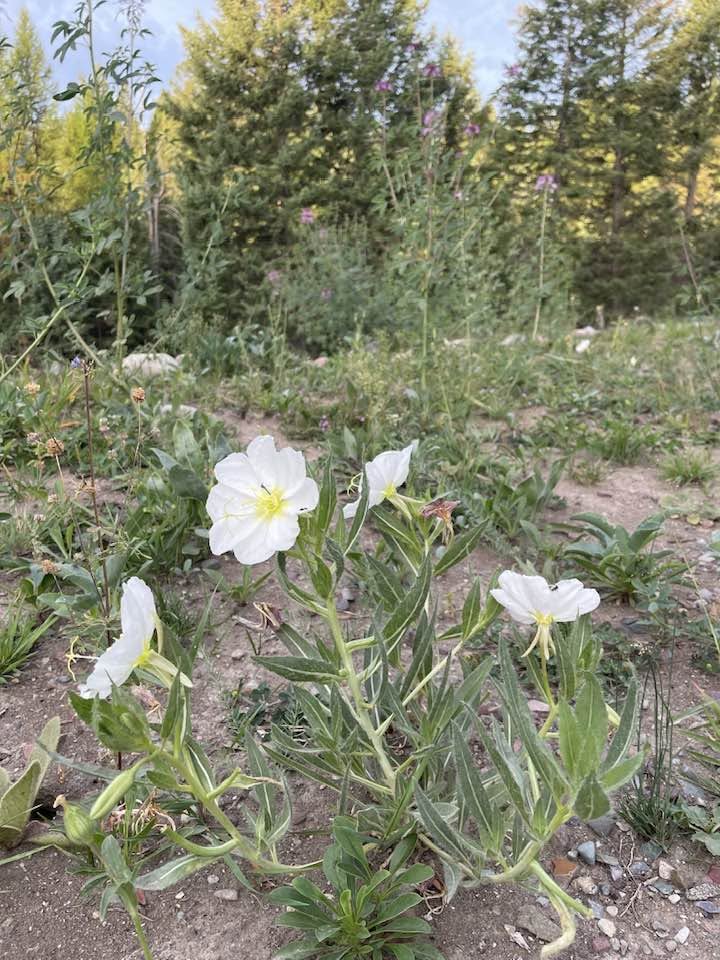
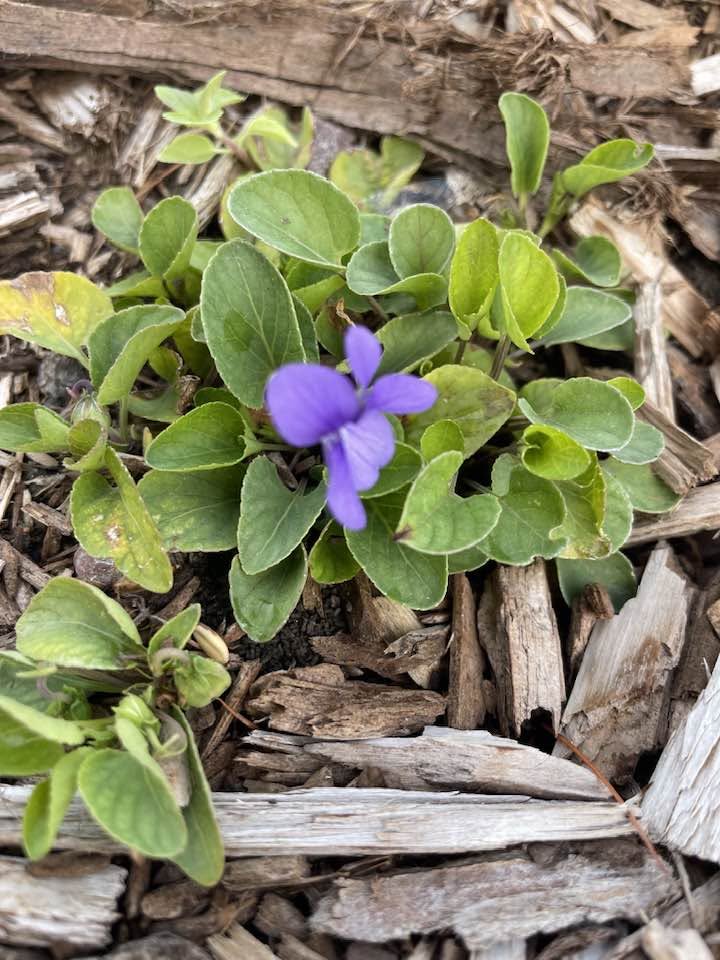
It’s fun to see the native wildflower seeds we spread last fall blooming. Native Bee plant and Tufted Evening Primrose, which smells wonderful at night is flowering right now. I’ve also included one of the blooms from our native violet plants. Many of the native wildflower seeds we spread have started to grow but won’t flower until the second or third year. Spreading seed and planting small plants (plugs, four-inch and one-gallon) is a cost-effective way to plant large areas. These small plants will actually perform just as well as larger plants in just a few years. If you’re patient, you’ll notice the plants will sleep the first year, creep the second and leap the third year.
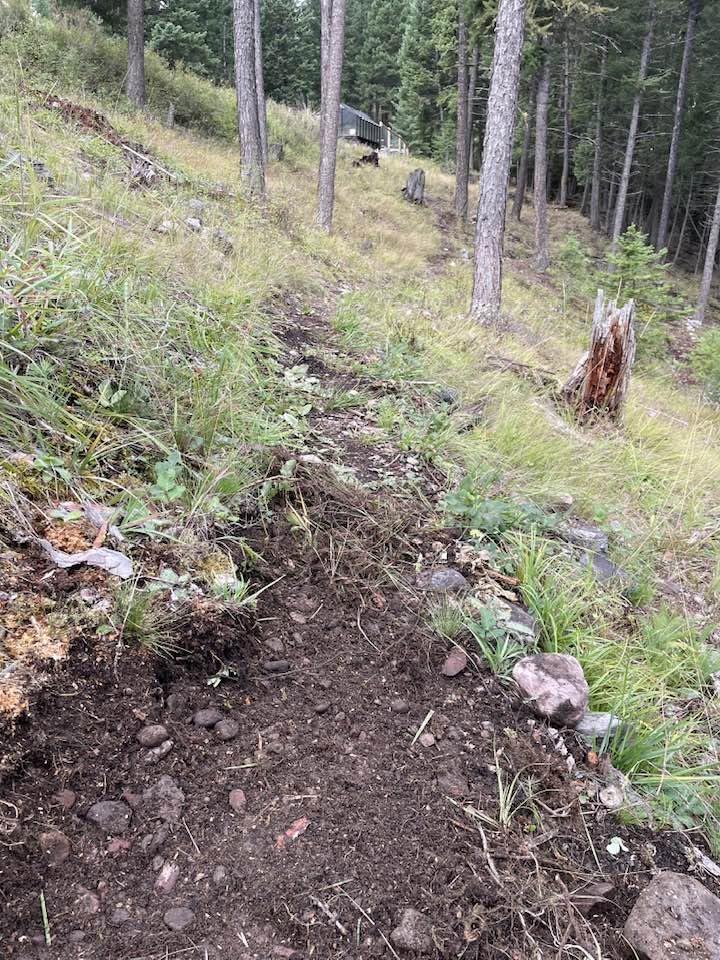
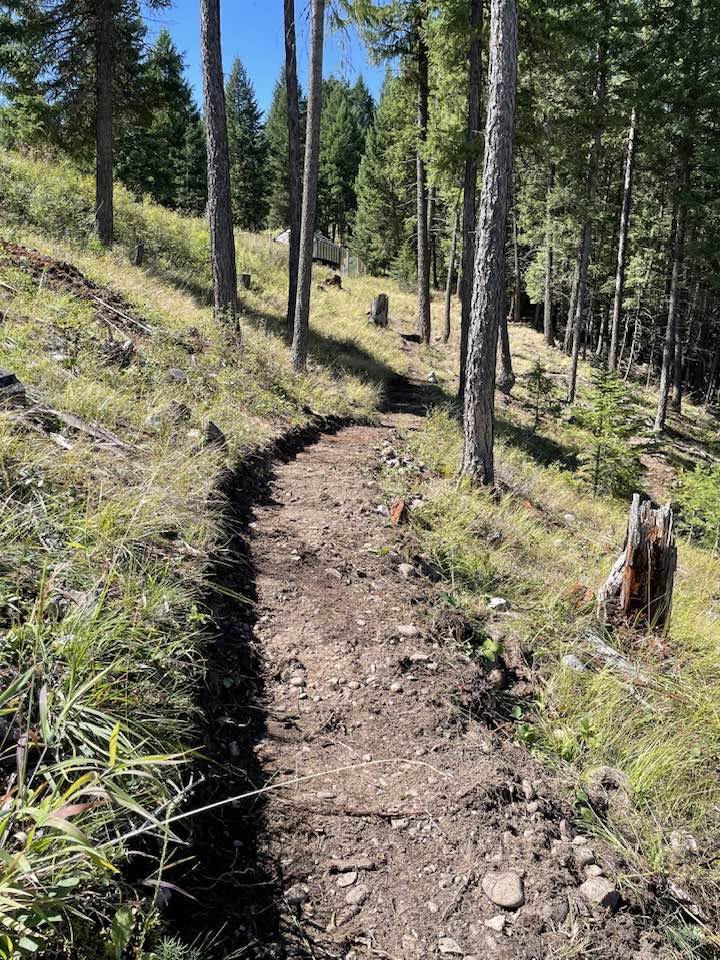
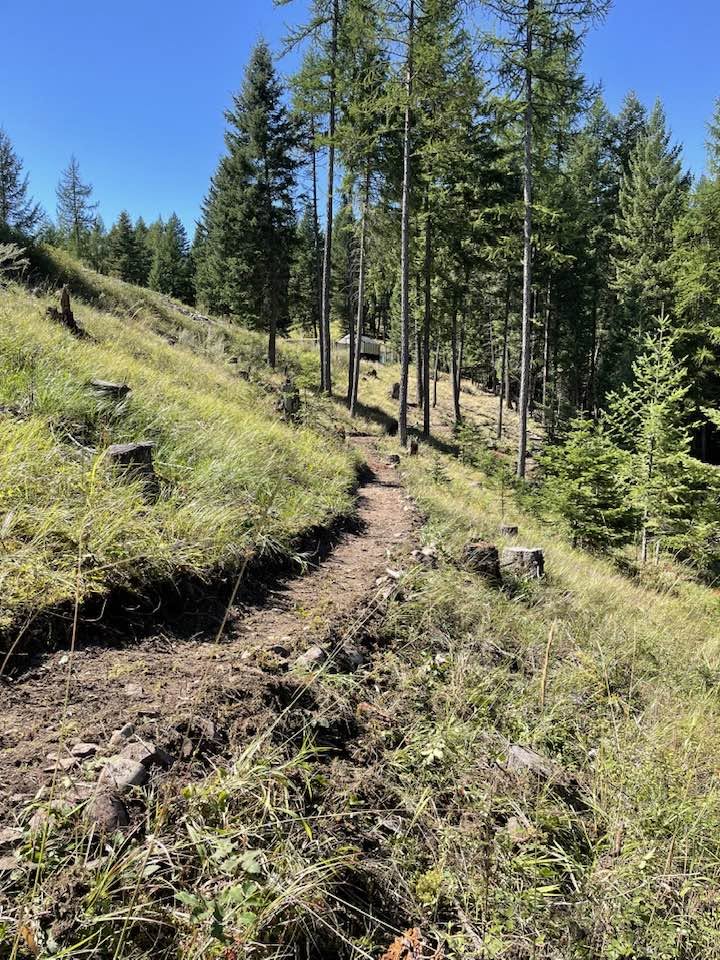
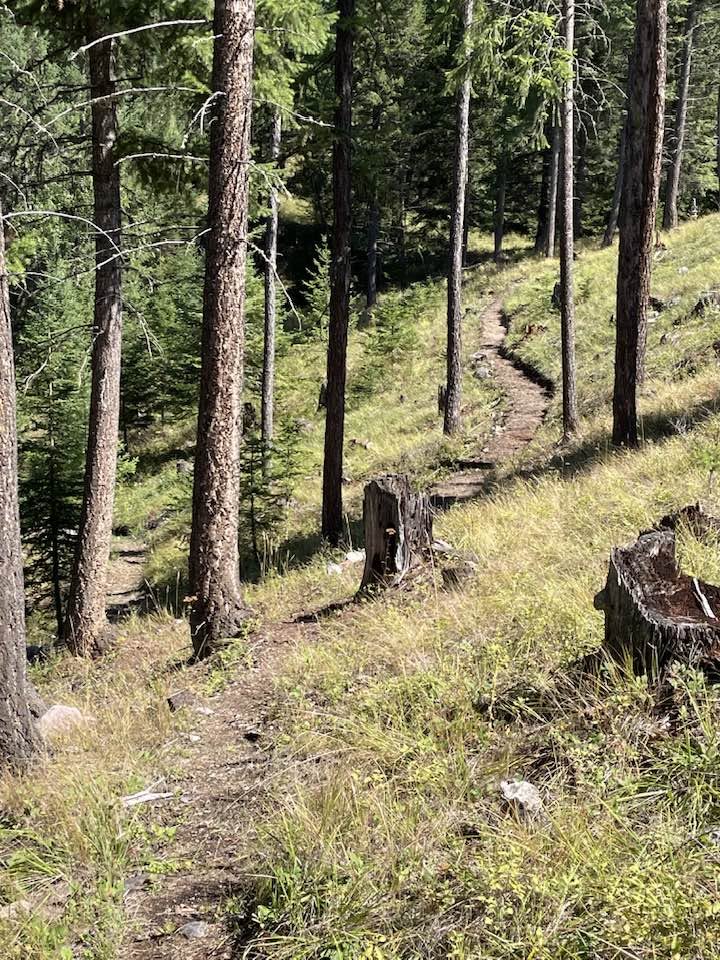
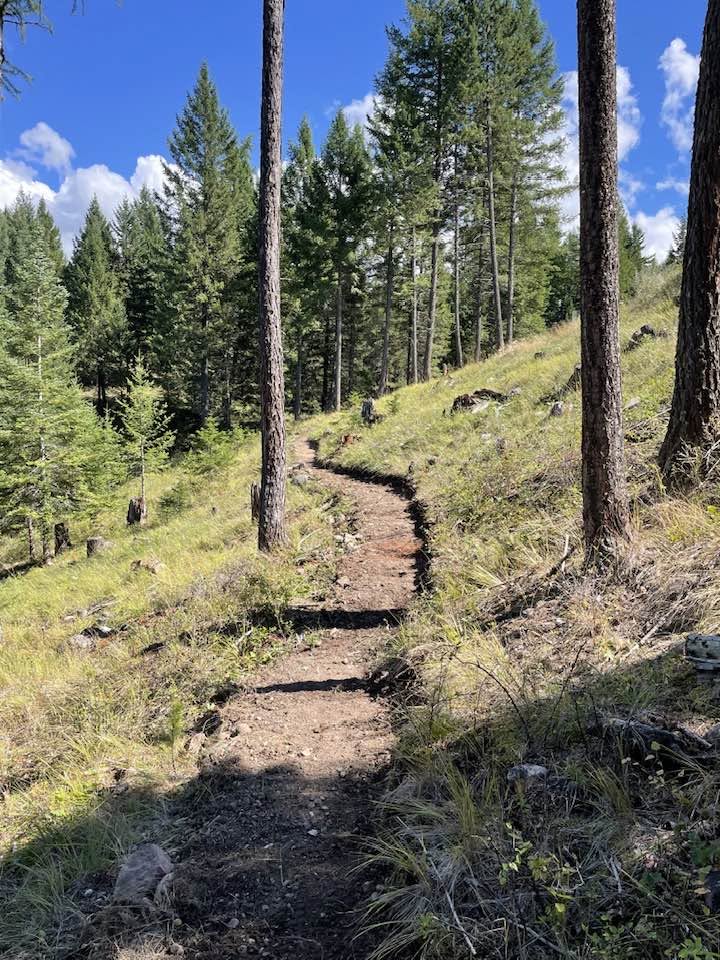
The north trail going down to the meadow is pretty much done. We used a pickaxe to widen and level the trail to make it easier to walk. This trail started as a deer path and we’re really happy with how it turned out. The first picture from the left is before looking west and the next two are after looking west. The last two pictures are looking east after this part of the trail was finished. The weed trimmer is the only thing we need to clear a path on much of our 1.25-mile trail. However, there are still about a .50-mile of trail that need to be leveled. The trail is walkable now and the other three sections will get done within the next year or so.
Be sure to subscribe to stay connected and in the meantime, I’ll link a couple of my last blog posts below.
Mountain Meadowscape Update – Design, Garden, & Travel by Majestic Meadows
Forest Stewardship Plan – Design, Garden, & Travel by Majestic Meadows
Edible Garden – Design, Garden, & Travel by Majestic Meadows
Great Room Reveal – Design, Garden, & Travel by Majestic Meadows


Leave a Reply