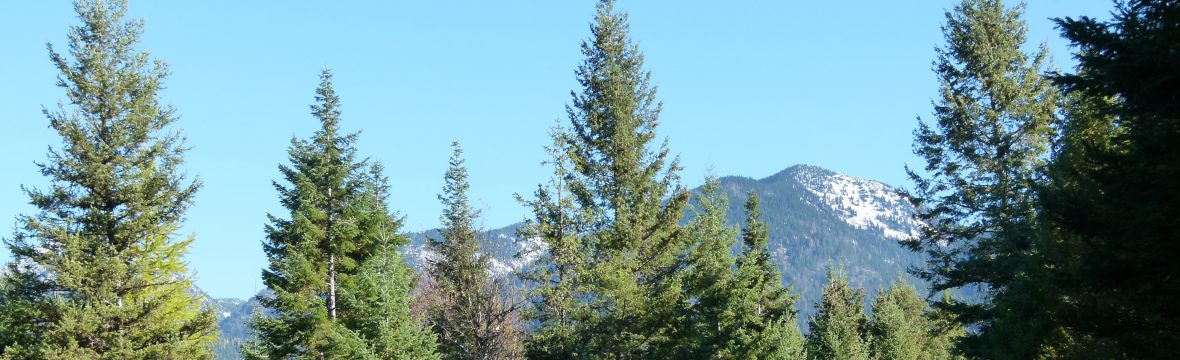
When designing a garden, you’ll want to create an appealing space, provide structure, and habitat—just like in nature. The forests around our home are perfect examples of layered gardens, with towering canopy trees, understory trees, shrubs, perennials, and ground cover all working together to support wildlife. By applying these natural layers to your garden, you can create a thriving, diverse space that offers year-round interest and vital habitat for pollinators, birds and other wildlife.
The garden we’ve created contains 80% native plants. Native species connect us to NW Montana’s landscape and the changing seasons. A native landscape also creates a living, beautiful garden. In today’s post, I share three keys to landscape design and a garden update.
Why Native?
First, let me share why we wanted mostly native plants. A native landscape creates a natural habitat that supports the wildlife that lived here before we built our house. Our 11-acre property, Majestic Meadows already has many natural habitat resources, including food, cover and nesting sites. These native plant communities form over time through complicated relationships. They adapt to the local climate and soil, creating a system that works.
The trick is to look for plants that naturally coexist, in shade for example, plant shade-loving wildflowers, understory shrubs, and native trees to get a successful shade garden. Recognize the layers in a woodland: canopy, understory, shrub, and ground cover. Each layer has its own job, from cycling nutrients to providing habitat. To create a successful garden focus on three critical elements: Woodlands, Shrubs, and Meadows.
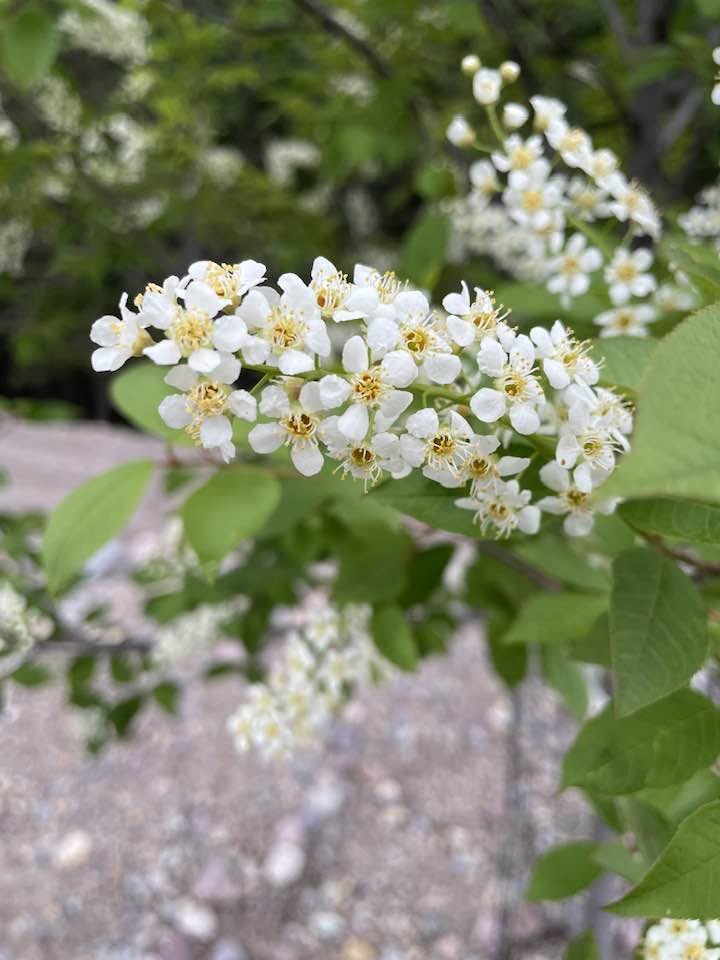
A native Canada Red Chokecherry Prunus virginiana shown with spring blooms on the tree we planted last fall:
Three Keys: Woodlands, Shrubs, and Meadows
In nature, forests are a perfect example of layered design. The woodland or canopy layer consists of tall trees such as oaks, maples, and pines, plus understory trees, such as serviceberry. The shrub layer, which provides cover and nesting habitat, features plants like snowbush ceanothus and snowberry. Below that, the meadow or herbaceous layer bursts with flowering perennials, grasses, fescue, and ferns. Finally, the ground layer, made up of mosses, leaf litter, and decaying wood, protects and enriches the soil.
Naturalistic Design
A naturalistic design mimics the randomness and variety of native landscapes. Instead of formal, symmetrical layouts, go for irregular groupings and mixed species to mimic how plants grow in the wild. Arrange plants by compatibility and give them enough space to fill in naturally. Instead of mulch, tuck native groundcovers and perennials between shrubs and trees to avoid bare patches and create a forest floor.
Attracting Pollinators, Butterflies and Hummingbirds
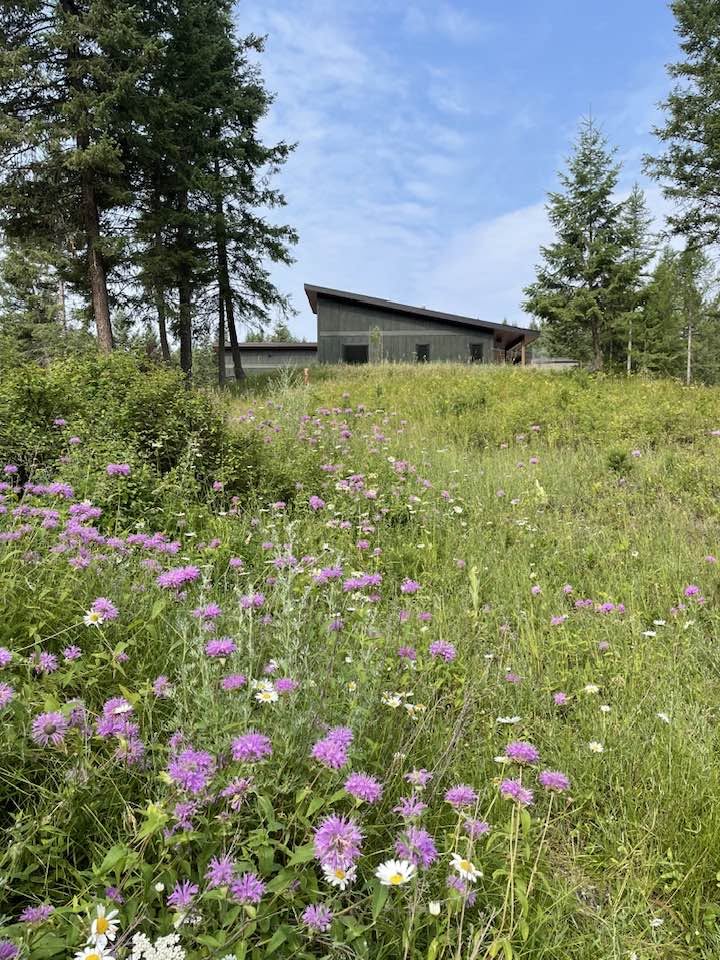
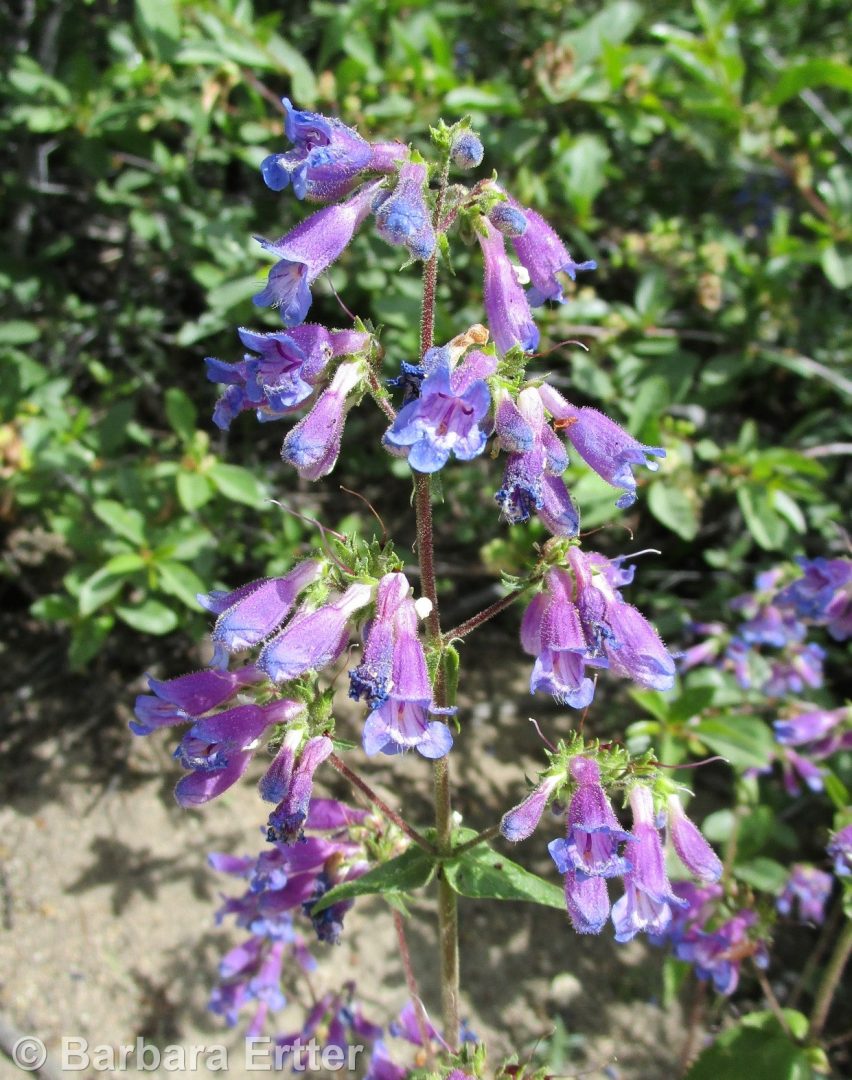
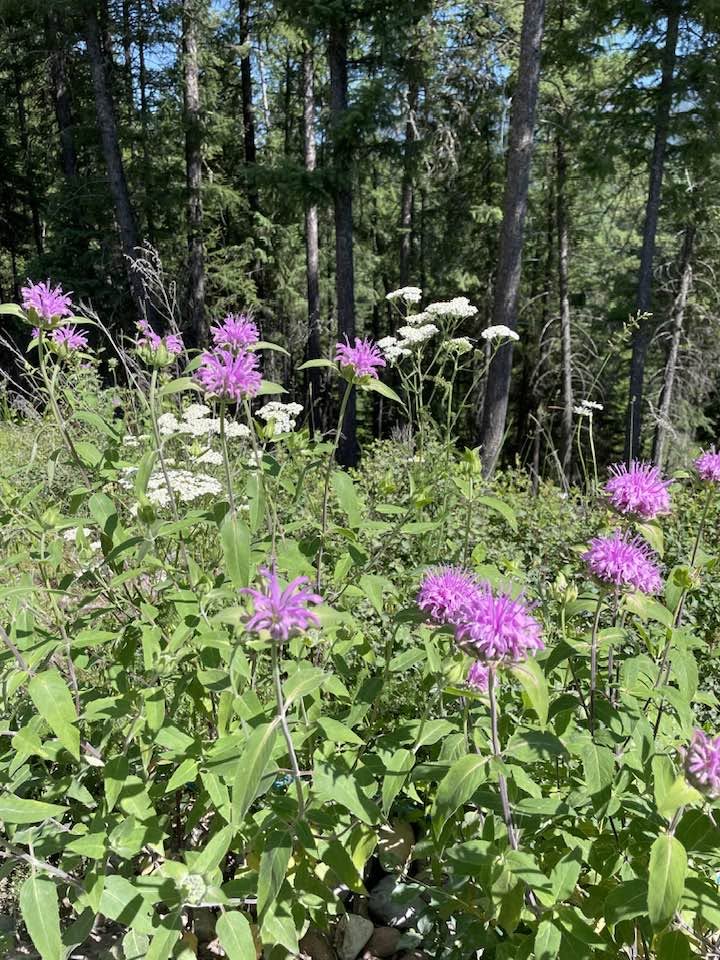
If you want butterflies and hummingbirds, plant native flowers with tubular shapes and bold colors. Beebalm Monarda fistulosa, Rocky Mountain Bee plant Cleome serrulata, and Wilcox Penstemon Penstemon wilcoxii are some of our favorite picks. Group flowers together instead of scattering them, since butterflies and hummingbirds like big patches of food. Include host plants for caterpillars, like violets Viola adunca for fritillaries, to support the whole life cycle. Skip pesticides and set out shallow dishes with stones for water. Plant flowers in sunny spots with some wind protection to keep pollinators happy.
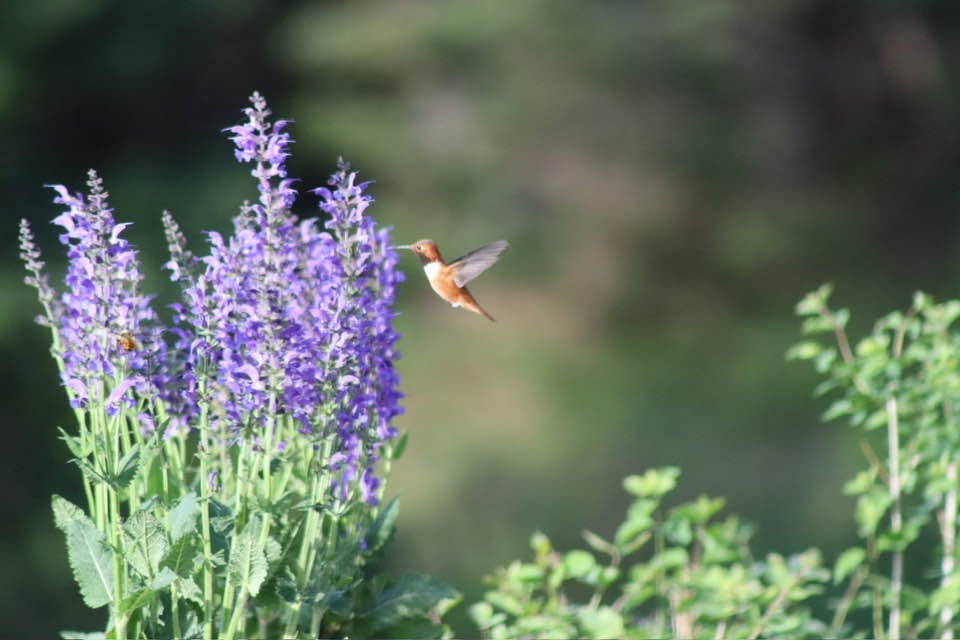
Instead of feeders, we prefer to feed the Rufus hummingbirds with plants, like this Indigo Girl Salvia:
Woodland Layer: Canopy and Understory
Although, we have a few Rocky Mountain maple Acer glabrum and paper birch Betual papynfera trees, the majority of our canopy is douglas fir, grand fir, western larch, and Englemann spruce. The taller canopy filters light to cool the forest floor and sets the mood. Providing space between trees allows light for understory plants, which do not require full sun.
Beneath the taller trees, the understory layer includes smaller trees like serviceberry Amelanchier alnifolia, red-osier dogwood Cornus sericea, pussy willow Salix discolor, and blue elderberry Sambucus nigra ssp. Cerulea. These plants add mid-height structure and seasonal interest. Small flowering trees and shrubs that thrive in dappled light are a great choice for this area of the garden. Use groups of these plants where the blooms are visible from paths or seating.
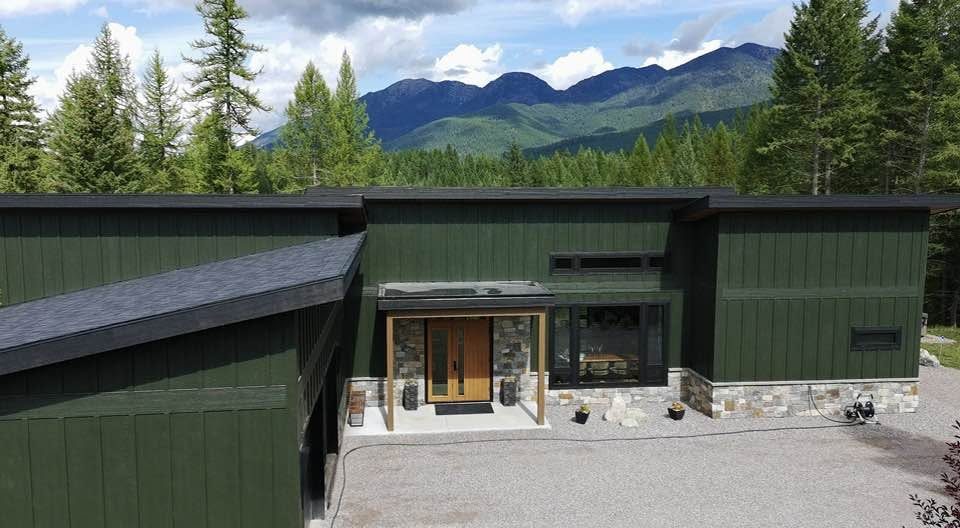
Special Note: We live with wildfire risk every year, so we’ve removed all conifer trees within 30-feet of the house. Any trees within 100-feet have been spaced more than 20 feet apart and limbed up to prevent ladder blazes near the house. As mentioned earlier, we have added deciduous trees such as Canada red chokecherry Prunus virginiana and serviceberry, which are a much lower risk than conifers. We also kept a nonflammable 5-foot gravel section surrounding the house.
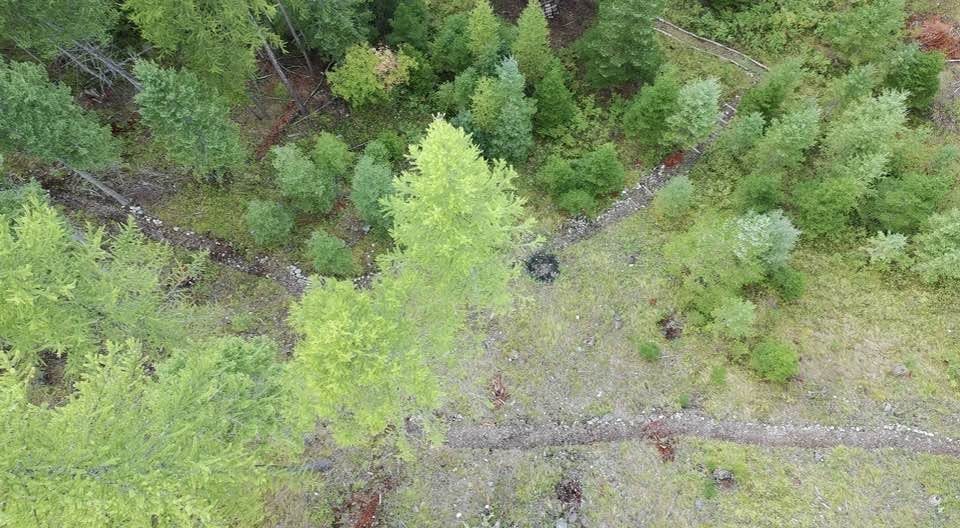
Below you see our trail winding down through the canopy to the north meadow overlooking the mountains:
Shrub Layer
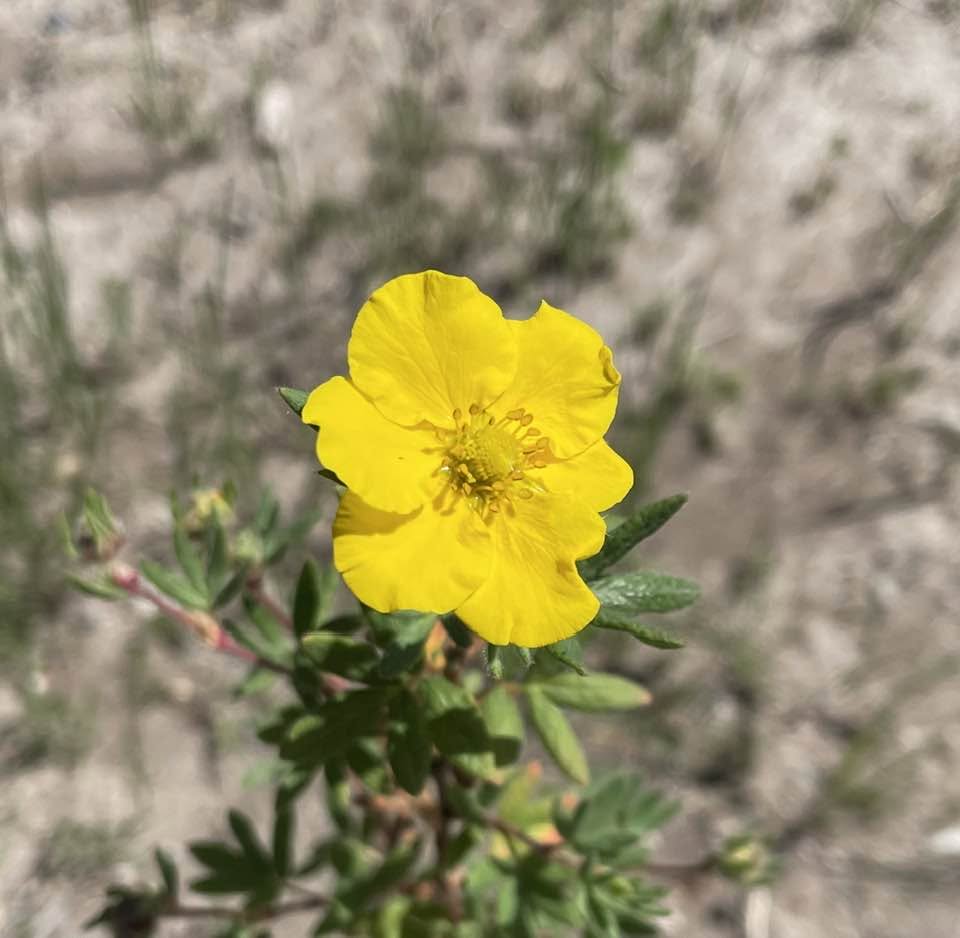
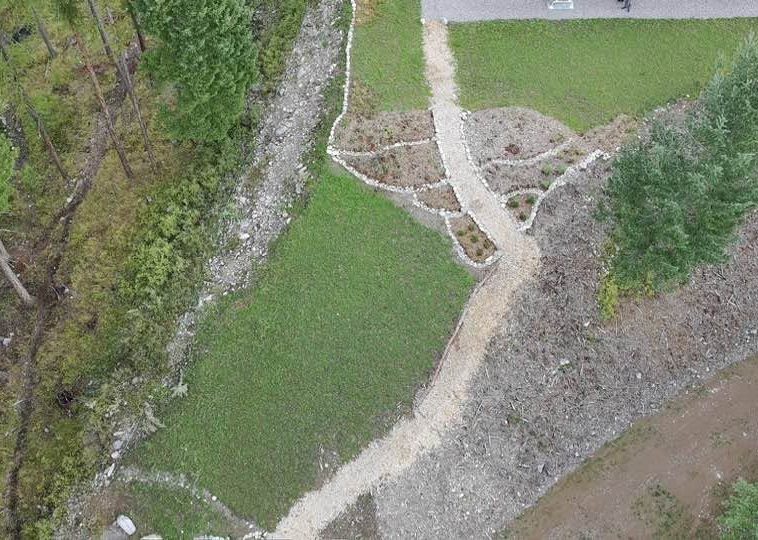
Create thickets of native shrubs, such as spreading dogbane Apocynum androsa, Wood’s rose Rosa woodsii, yellow flowering currant Ribes aureum, and shrubby cinquefoil Dasiphora fruticosa to provide year-round structure, nesting cover and berries. Arrange each plant species in elongated drifts arranged in an organic, flowing shape rather than in straight rows or isolated spots. We’ve planted drifts of many shrubs in several plances around the house, including one of our favorite native shrubs, Mock Orange Philadelphus lewisii.
Here’s what a drift should look like in your garden:
- Massed grouping: Instead of one plant here and one there, you see a dense, cohesive mass of the same plant, often in odd numbers (3, 5, 7, or more) to create a more natural, less designed look.
- Flowing shape: The drift is elongated and asymmetrical, like a ribbon, wave, or teardrop, with tapered or feathered edges that blend into neighboring plants. It should be organic, not a geometric shape.
- Unified texture and color: All plants in the drift are the same species (or very similar in form and size) so the group reads as a single “block” of foliage or flowers.
- Repetition across the garden: The same drift type may appear in multiple places, creating a rhythmic pattern that ties the garden together.
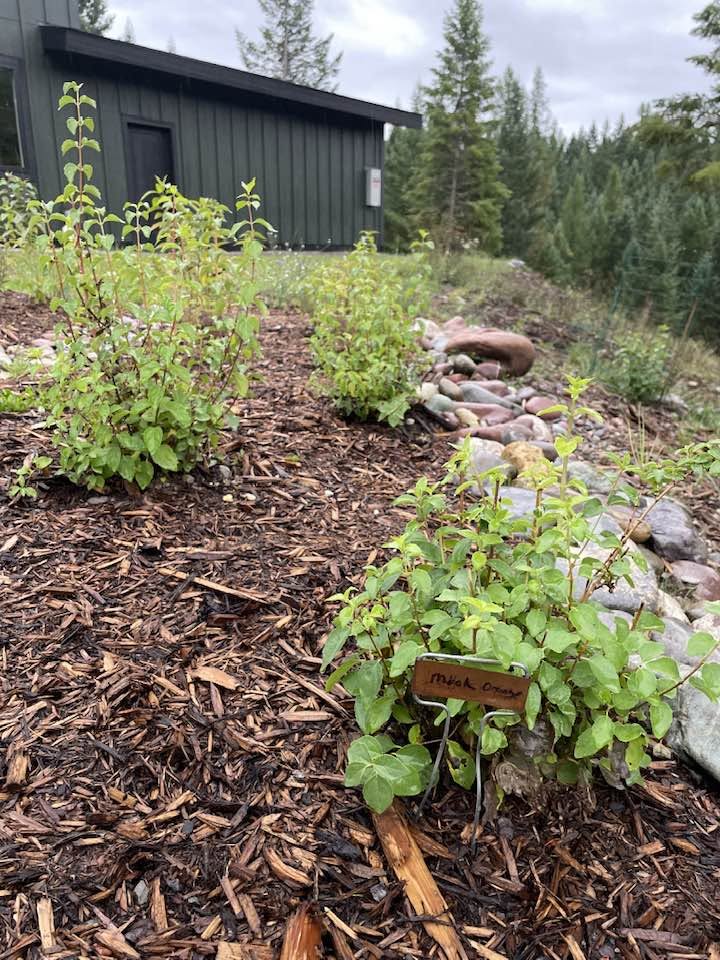
Focus on leaf color and texture to ensure interest all year, even when flowers are done blooming. The dogwood has bright red stems in the fall and evergreen fescue and ferns bring soft, feathery green most of the season. Mix evergreens with deciduous shrubs for contrast. Plant a variety of leaf shape and feel-smooth, serrated, or even fuzzy. Mix soft with spiky. Big leaves with small. Choose species with staggered color changes, from spring greens to autumn reds and golds.
Meadow Layer
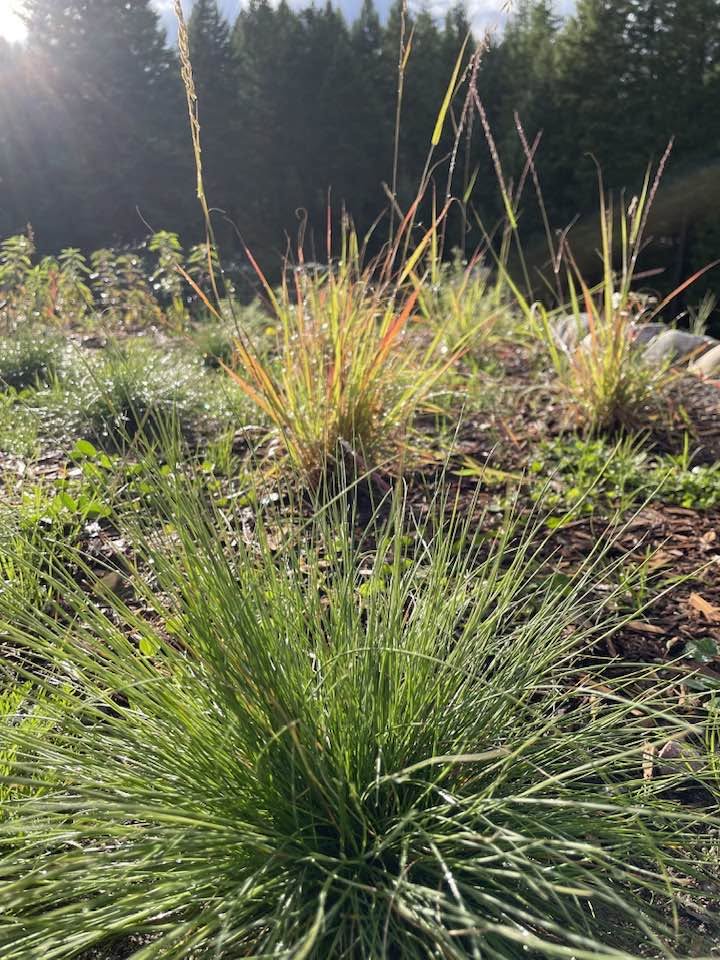
Our open meadows blend harmoniously because we added native grasses, fescues, and flowers into the shrub and nearby woodland layers. Be sure to select plants with varying heights and similar light requirements. Don’t forget to match the site’s soil type and moisture levels to the plants you purchase. The native grasses and fescues, such as Little bluestem Schizachyrium scoparium, Sideoats grama Bouteloua curtipendula , Anatone bluebunch wheatgrass Pseudoroegneria spicata and Idaho fescue Joseph Cert Festuca idahoensis will thrive in these sunny spots with our well-draining soil.
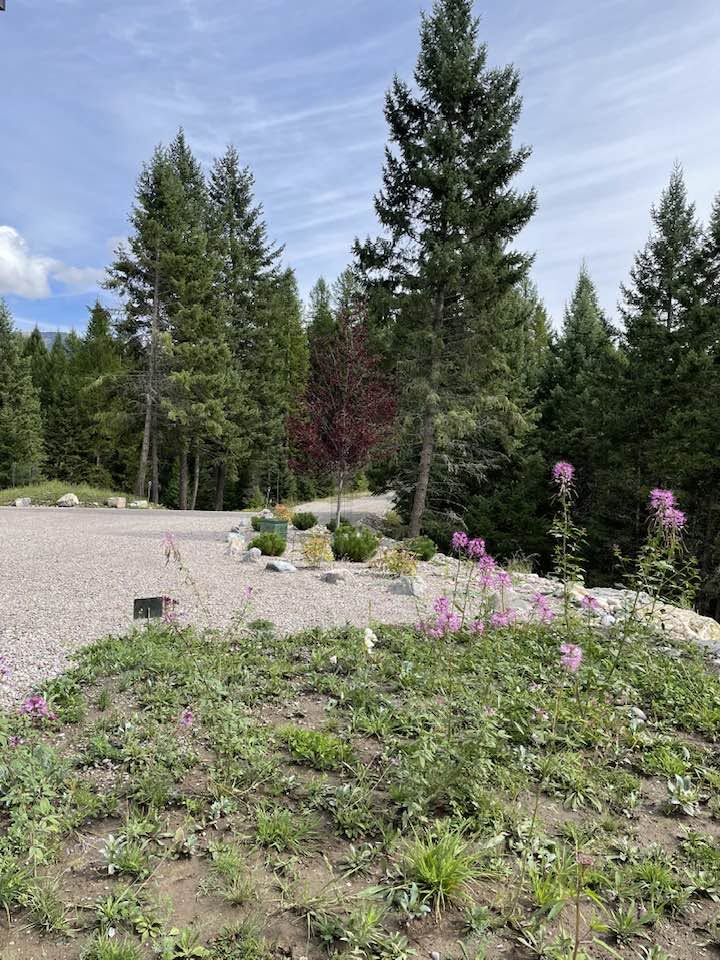
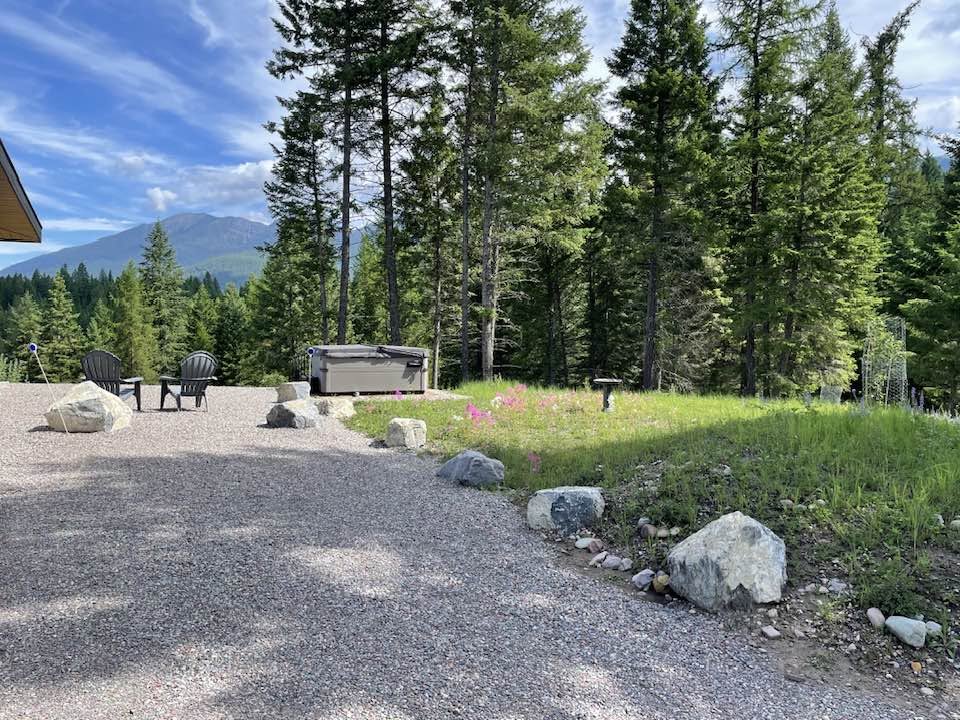
We’ve planted a variety of native flowers, which will bloom in spring and continue into fall, such as creeping Oregon grape Berberis repens, Blue flax Linum perenne v lewisii, showy goldeneye Heliomeris multiflora, Rocky Mountain Goldenrod Solidago multiriada, western yarrow Achillea millefolium var. occidentalis, and smooth blue aster Symphyotrichum laeve. They’ll provide interest and color all season, as well as nectar, pollen and seeds for wildlife. These flowers are mixed in with the shrubs and grasses in the garden beds spread around the house.
Ground Layer
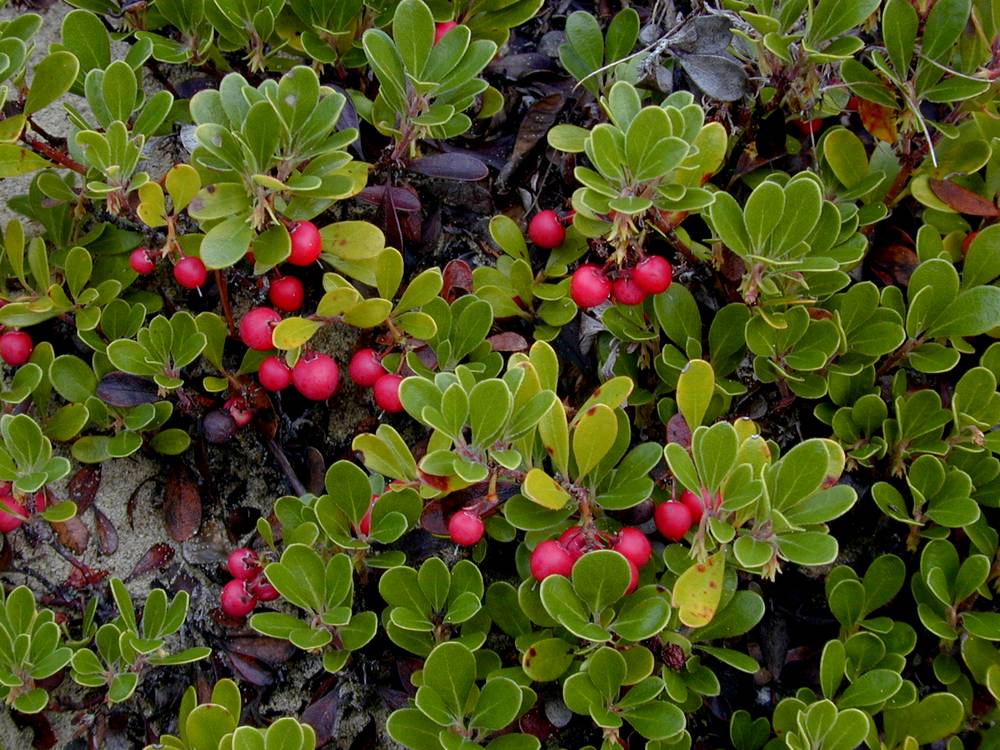
A little farther from the house, existing pinegrass and ferns thrive in the partial shade of the taller canopy and understory trees. Most of these native plants were not disturbed by the build. This part of our property already has a naturalistic ground layer, which is protecting soil, suppressing weeds and providing interesting texture. Leaving leaf litter and adding low growing groundcovers, like Kinnikinnick Artostphylos uva-ursi, rosy pussytoes Antennaria rosea, and creeping Oregon grape Berberis repens will keep the soil covered and put nutrients back into the soil.
By layering from tall canopy down to groundcover, and mixing open meadow plants with woodland species, you’ll create a diverse, low maintenance landscape that supports wildlife and offers year-round interest.
Pro Tip: Map the sunlight on your property, including identifying dappled, deep shade, partial sun and sunny spots. Some spots on our property have moist pockets, which are perfect for plants that like a little more water. Our soil is well-draining, but you’ll want to check your soil’s draining capabilities and its nutrients during your planning phase and before you purchase plants.
Garden Update
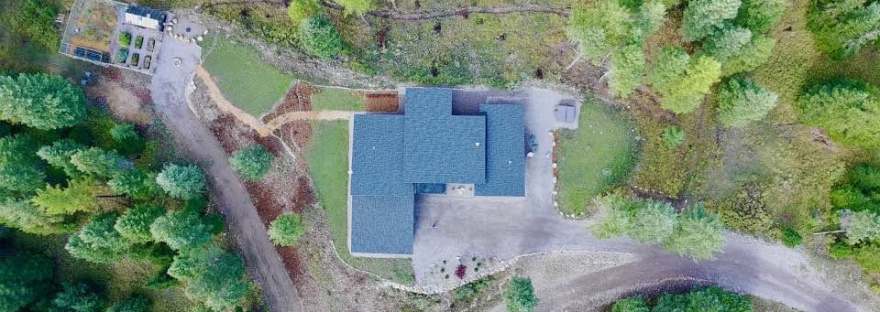
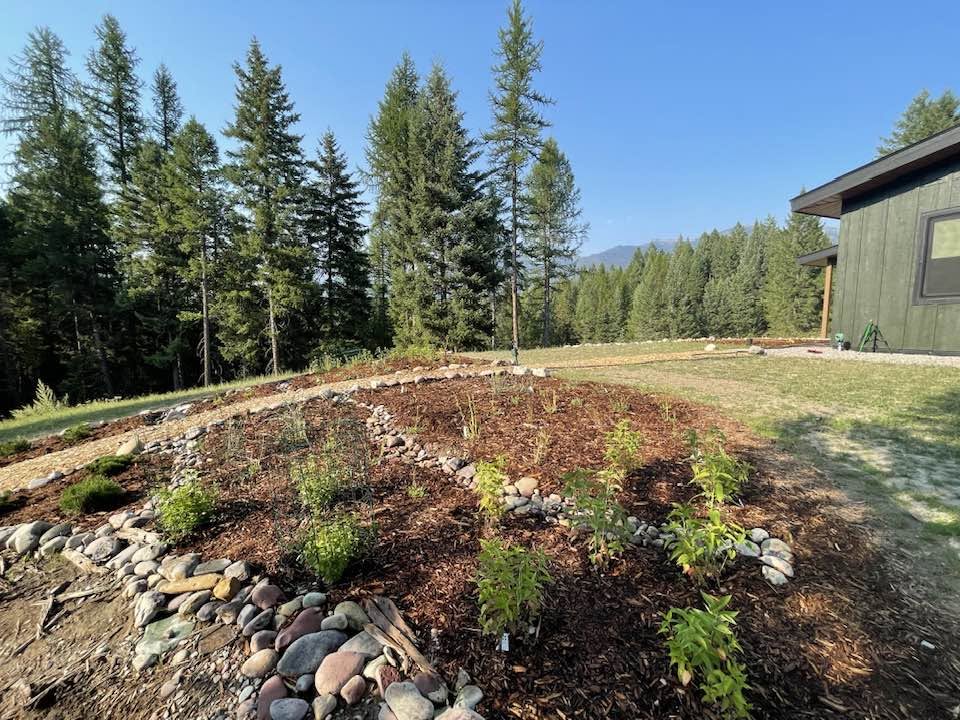
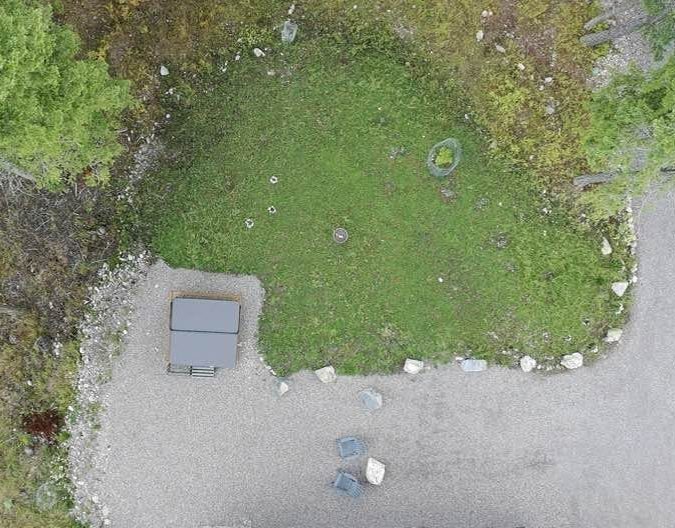
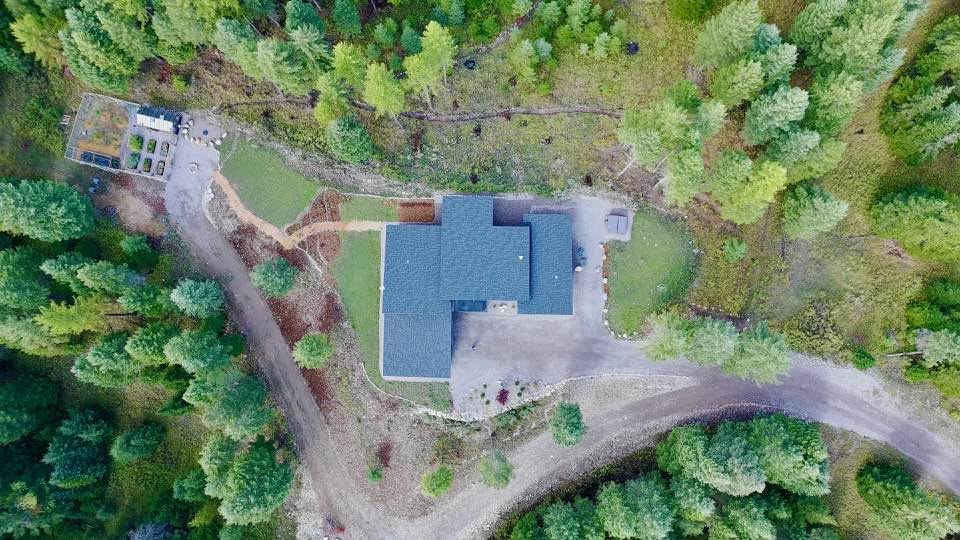
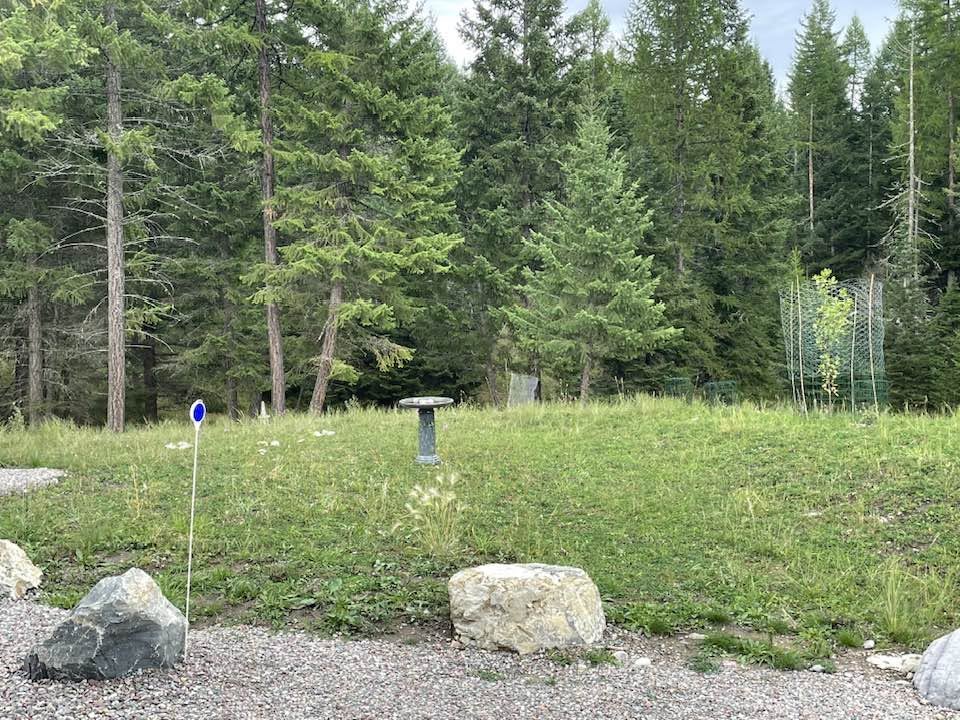
As you can see, we’ve made great progress on the areas around the house. In the green areas, the native grasses and fescues from seed are growing. In these areas, the native wildflower seeds are also growing, and many have bloomed this season. We’ve also added native deciduous trees, shrubs, and perennials, as well as bulbs. Finally, on the far left, upper corner is our electric-fenced edible garden, which includes a greenhouse, fruit trees, blueberry bushes and raised beds.
Flower Bulbs
The bergenia B cordifolia Pigsqueak and Bressingham Ruby and Christmas ferns Polystichum acostichoides we planted last fall grew this summer and should get bigger and more beautiful next year. Most recently, we’ve added additional flower bulbs to the garden and I’m excited to see the flowers that pop up next spring. As you know, about 20% of our plants are nonnative, so spring bulbs are a fun addition to the garden.
Crocus
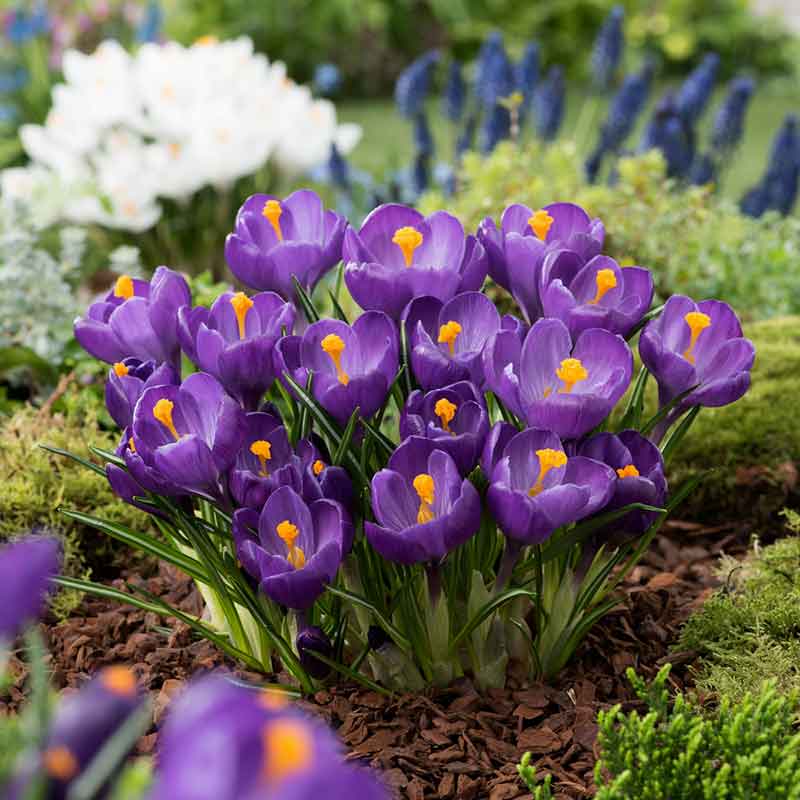
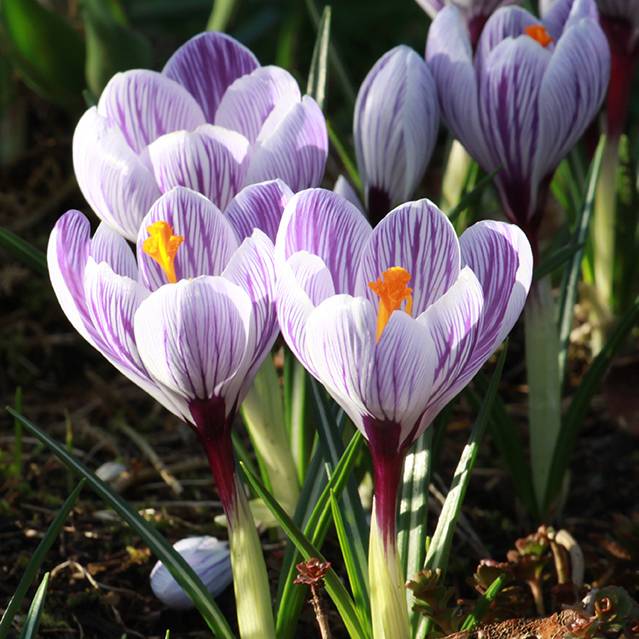
This fall we’ve added Giant Crocus Crocus vernus. Both Flower Record and King of the Striped varieties have been planted in the east garden bed. They are deer resistant due to the strong smell. They will also attract pollinators and hummingbirds, although they might bloom a bit early for the hummingbirds.
Iris
We’ve also added Bearded Iris Iris germanica, both Florentine Silk and Mayberry varieties to the garden on the NW corner of our house. Iris plants are also deer resistant and the purple, pink-peach colors will look fantastic with the pink bergenia and green Christmas ferns. They will bloom in early summer, and the flowering period should last about 4-5 weeks.
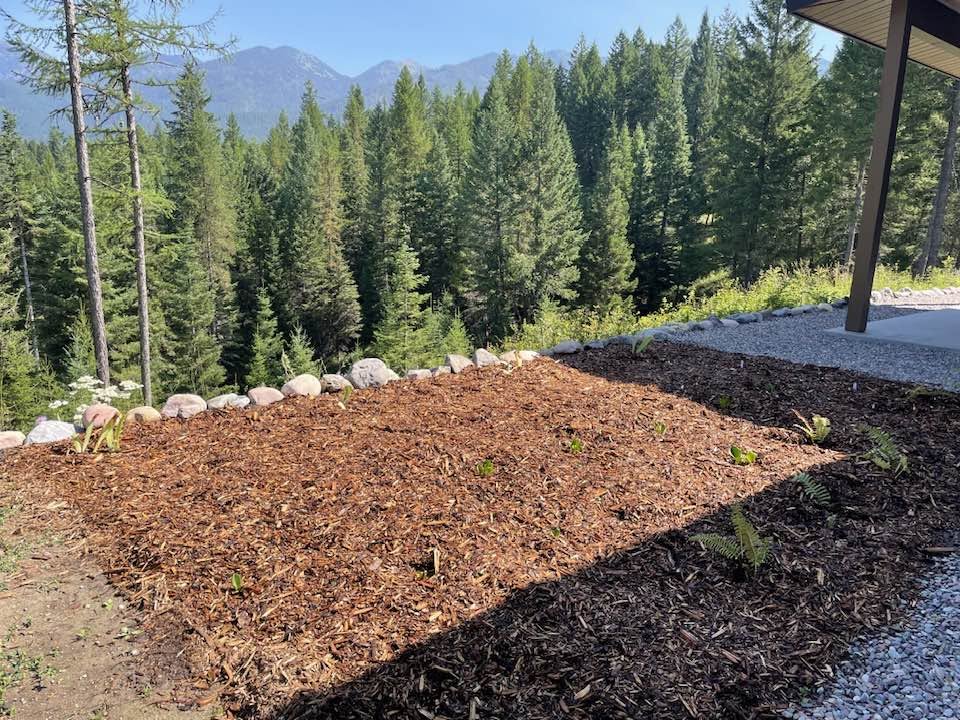
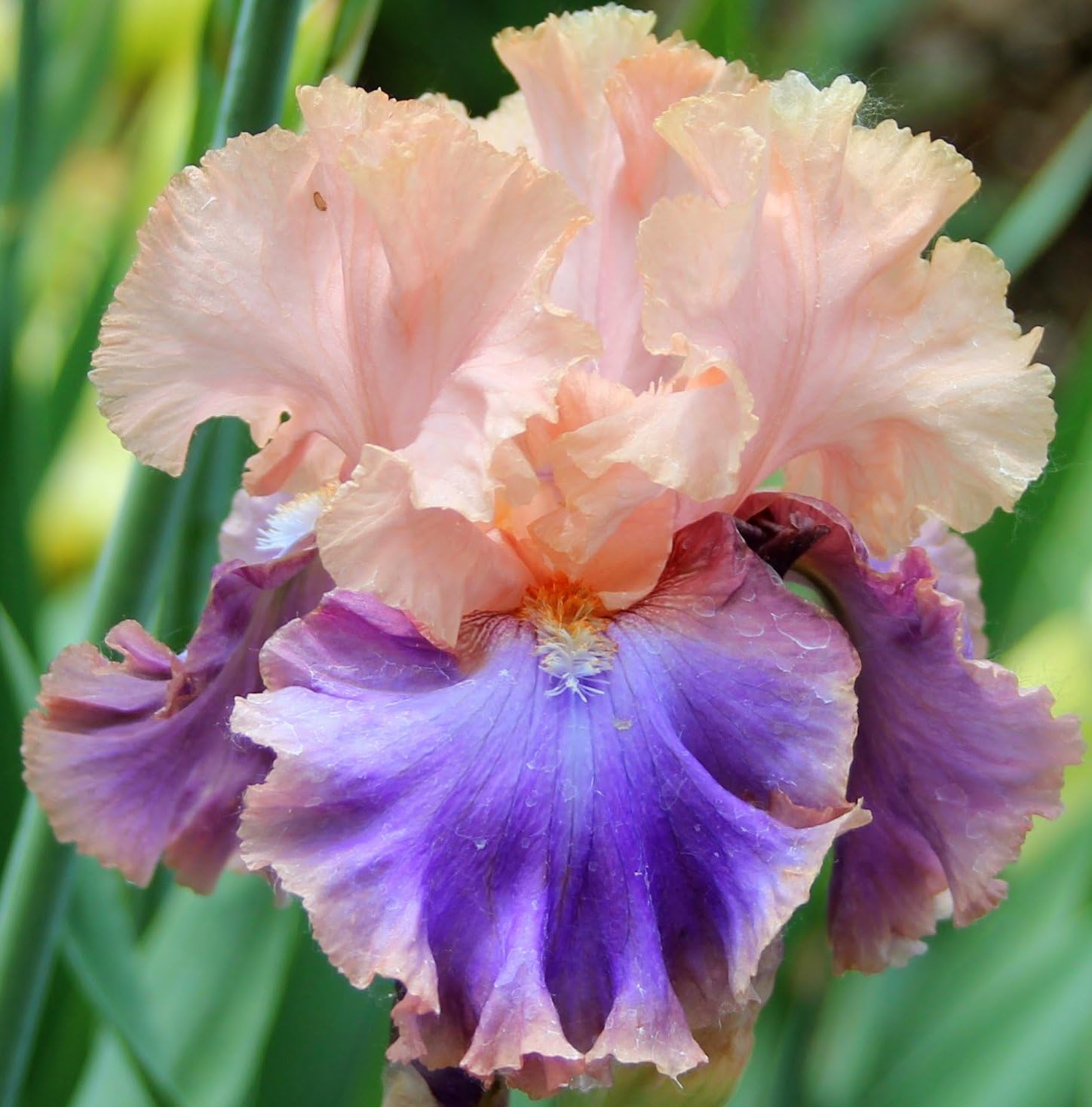
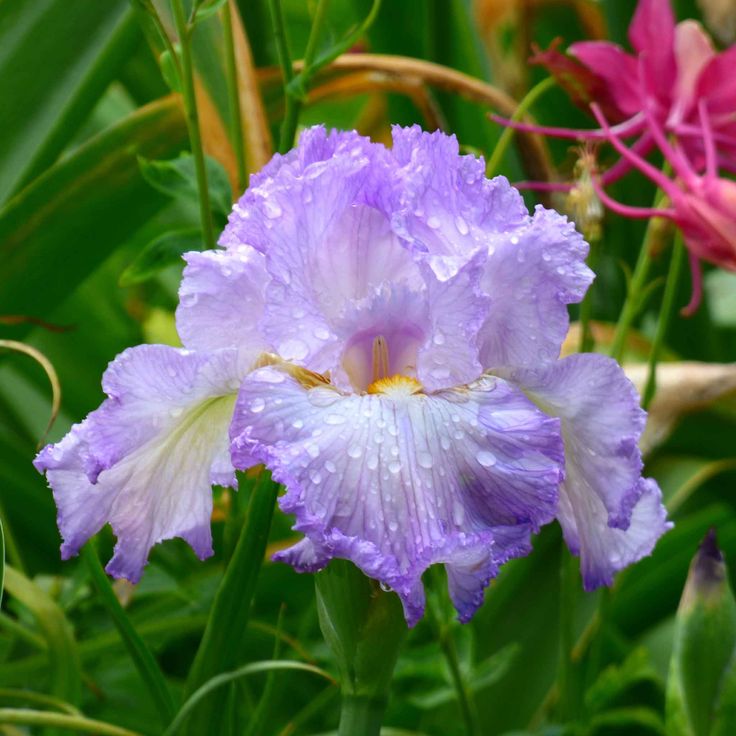
The weather has changed in NW Montana, signaling fall is fast approaching. We have a few more seed starts, including native purple coneflower Echinacea Purpurea and little bluestem grass Schizachyrium scoparium to get into the ground before it gets too cold. We’ll also be adding some additional native grass, fescue and wildflower seeds once the snow starts later in the year.
Stay in touch by subscribing below:


Leave a Reply