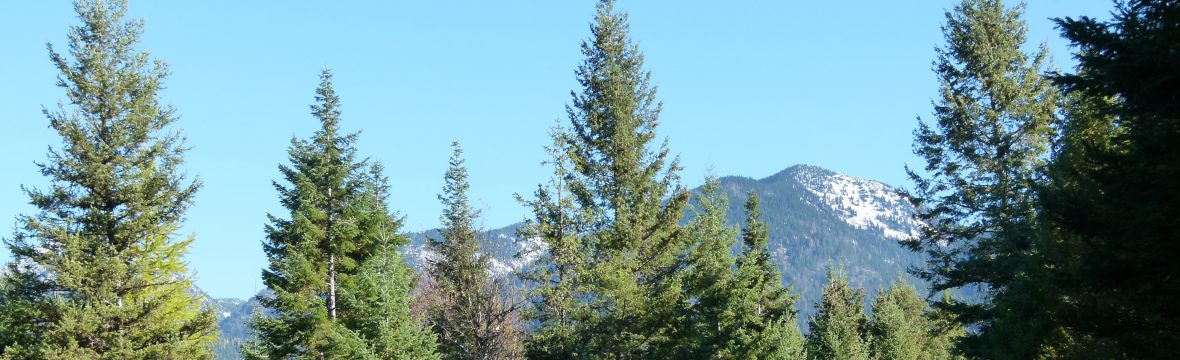
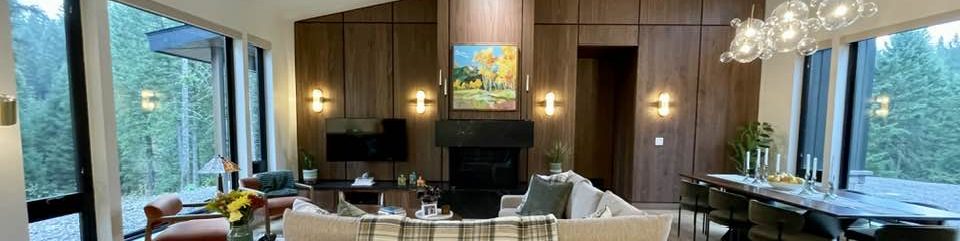
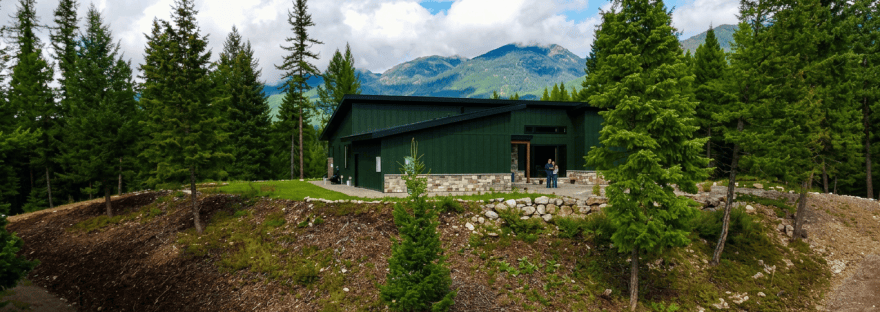
Several of the landscape designers I admire suggest using photographs to gain new insight into your garden. Changing your point of view in the garden will help you identify areas that need varying textures, sizes or shapes. It can help provide insight on ideal locations for seating, what draws your eye and what you might want to screen. In today’s post, I share eight garden perspective tips to help you understand the strengths and areas for improvement in your garden.
Black and White
I take garden photographs both before and after for the Majestic Meadows Blog, but I also take photographs to help see the garden clearly. Focus on areas you actually see every day. What stands out in the picture? What do you notice first, second and last in the image? What disappears?
You will want to take pictures from all angles of your garden to help you remember. Photograph the garden from where you observe it. For example, the angle that you approach your garden from the driveway or common approaches to the garden. Take both up close and far away photos.
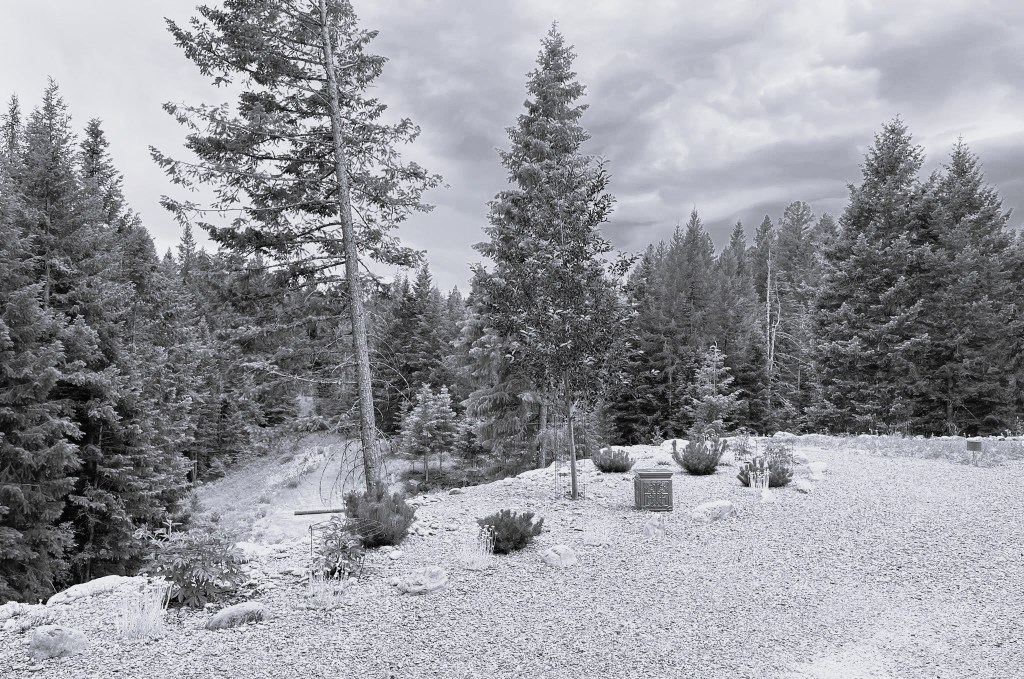
Pro Tip: If you change your picture to black and white, it will help you see empty spots or the need to vary the size, shape and texture of your plants.
View from Inside
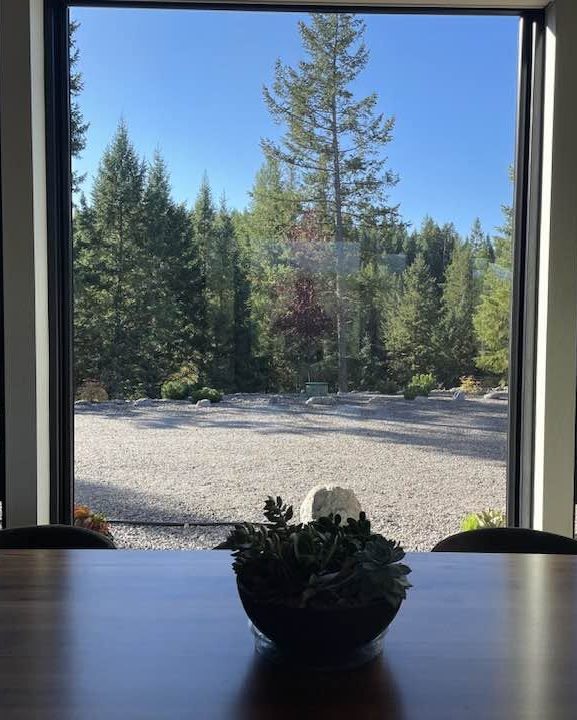
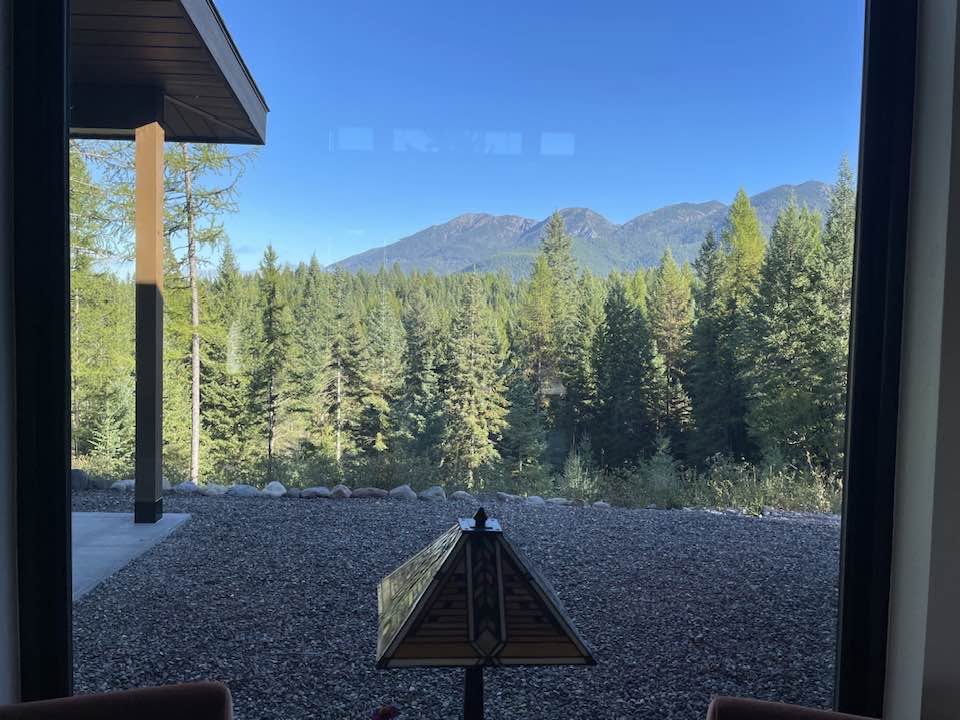
A well-designed garden should catch your eye from inside and make you want to step outside. Take photos from inside looking out to the garden. Start with the rooms you use most. We started with our dining room window and planned our driveway garden to align with the view from inside. The Canada red chokecherry is centered on that window, then we added dwarf Mugo pines, Red Charm peonies, rosy pussytoes and little bluestem grasses spreading out from the tree.
Our new build in NW Montana meant we needed to create the garden from scratch, so at first there was not much to look at beside the forest beyond. When you look out your windows pay attention to what draws your eye. Is there something you would rather hide? Do you need to hide that pesky garbage and recycling bin? What do you want to look good year-round? Add an evergreen or interesting shaped deciduous tree to catch your attention from inside. Placing a focal point, like a tree or sculpture at the end of a path is good way to entice you into the garden.
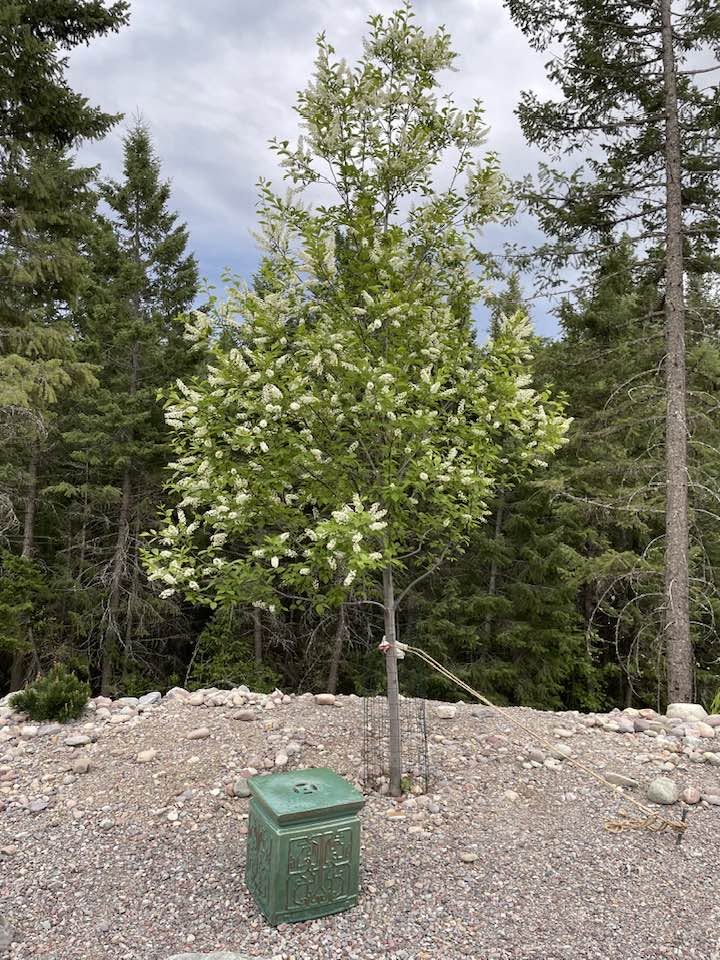
We enjoy this Canada red chokecherry from our dining room. In the spring the flowers are covered with pollinators, then in summer the leaves turn burgundy. In the winter the branches offer architectural interest, especially covered in frost.
Garden Entry
A successful garden entrance should be welcoming, visually appealing, and cohesive with your garden and home style. The entrance should act as a gateway into your outdoor space, setting the tone for the entire experience. Adding a focal point or structure helps to draw the eye into the garden. A statement tree, arch, pergola, arbor, gate, or large pots frame the entry and can add height, charm, color, and texture.
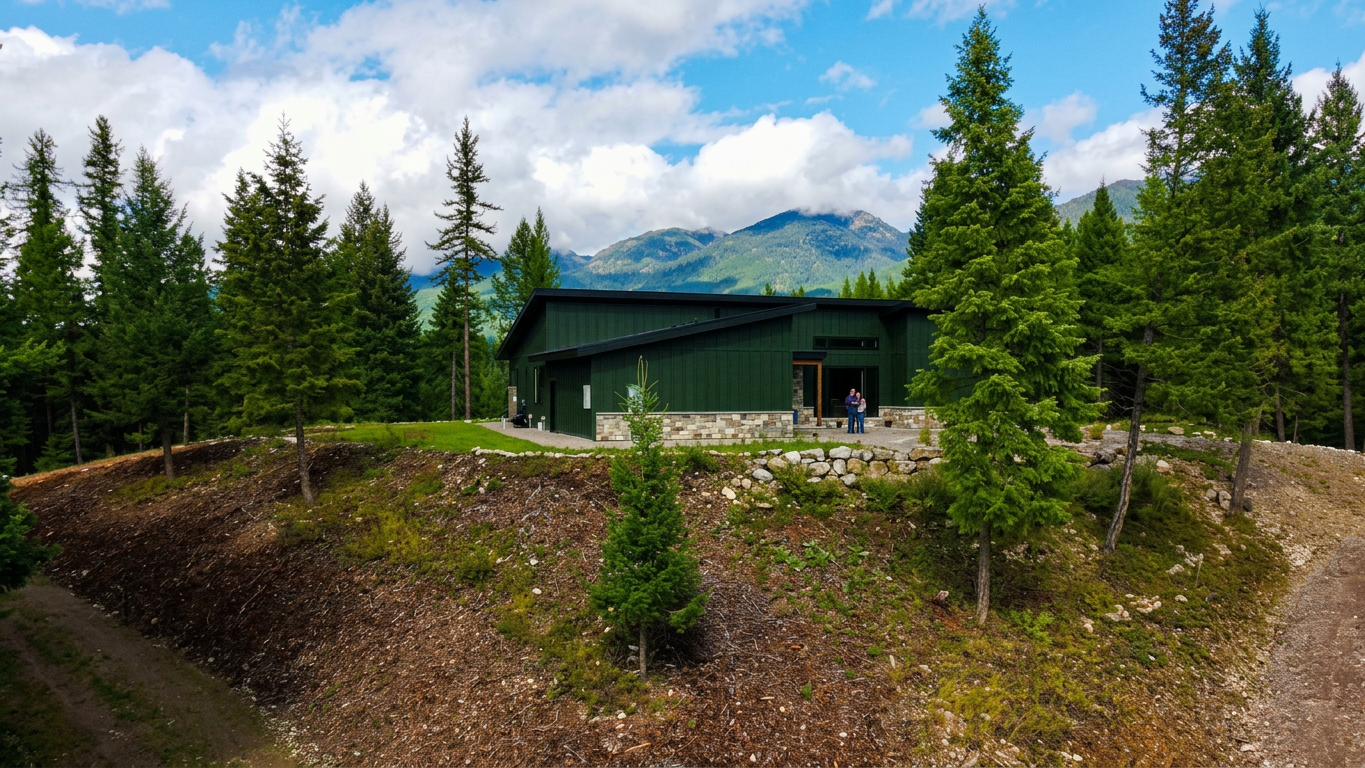
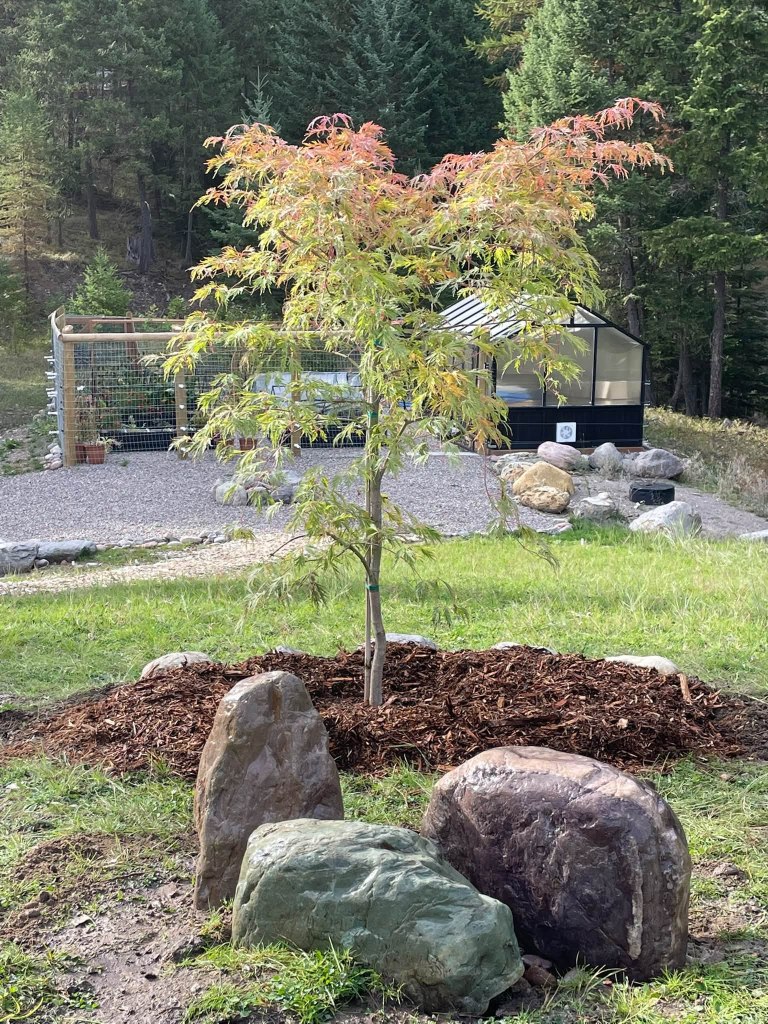
A garden can be seen from many viewpoints. The first view of our garden is from the driveway as you pull up to our home. The garden fits our location, style “Meadowscape” and our mid-century modern inspired home. The home is surrounded by a conifer forest of Western larch, Englemann spruce, Douglas and Grand fir trees. We’ve also added understory deciduous trees closer to the house, Canada red chokecherry, serviceberry, elderberry, willow, and red-osier dogwood. This front garden has two sections, one with native grasses, wildflowers, shrubs, and trees, as well as a simple bird bath that acts as our focal point. The second section is across from the house next to the driveway on our bench and features a tree as the focal point. In our back yard, the focal point is an Ice Dragon Maple, which looks like a Japanese maple but can withstand our colder winters.
For your next photos, I want you to step outside and take pictures of the first view you notice when you enter your garden. What catches your eye first in the picture? How about second and last in the image? What disappears? You want to create a strong view that makes you want to explore the garden more. I have taken several photos from different vantage points of both the front and back garden for this exercise.
Places to Sit
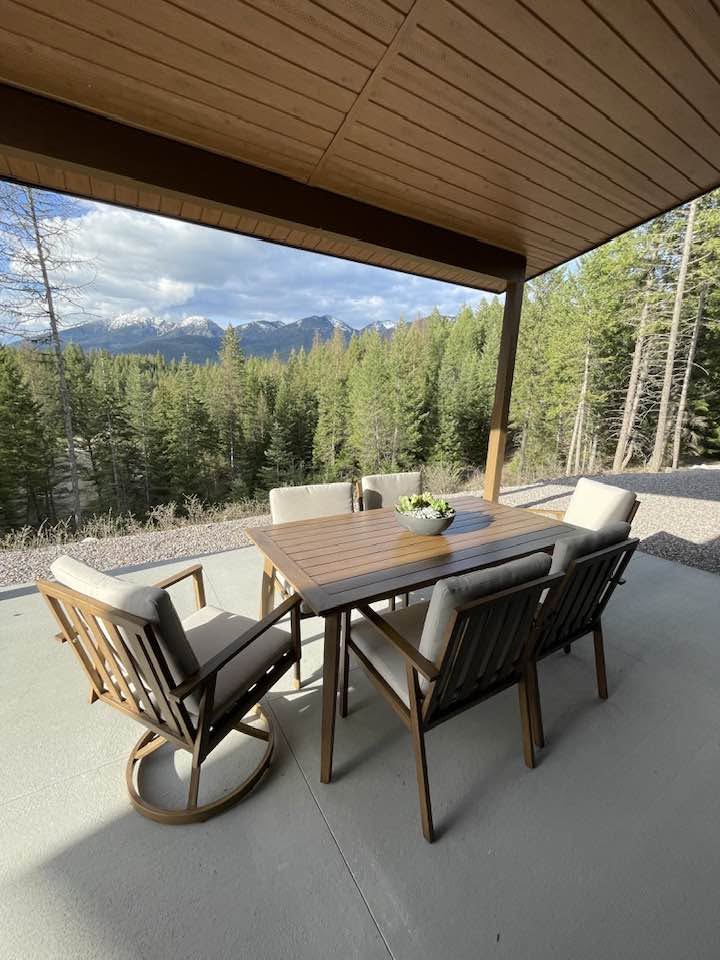
Including comfortable and welcoming places to sit will have you and your guests lingering in the garden. Before planning your seating areas, pay attention to the sun, shelter, privacy, and views. Spots where you want to sit naturally will help you decide potential areas for dining, benches and other seating, such as couches or chairs.
Also consider adding shrubs or some other type of shelter behind the seating arrangement. A natural screen can block sightlines from passersby or other parts of the yard. This helps define a private “zone” where people can relax without feeling exposed. Dense or tall shrubs behind seating can also create a sense of enclosure, making the space feel more intimate and cozy. Strategically placed shrubs can provide shade from direct sun and act as windbreaks, reducing wind chill and making seating more comfortable.
Photograph the spots where you think you would like to sit and linger in the garden. Think about why you are drawn to those spots. For us, we want to enjoy the mountain views, sit in the sun on a cool day or under shelter on a sunny or rainy day.
View to Avoid
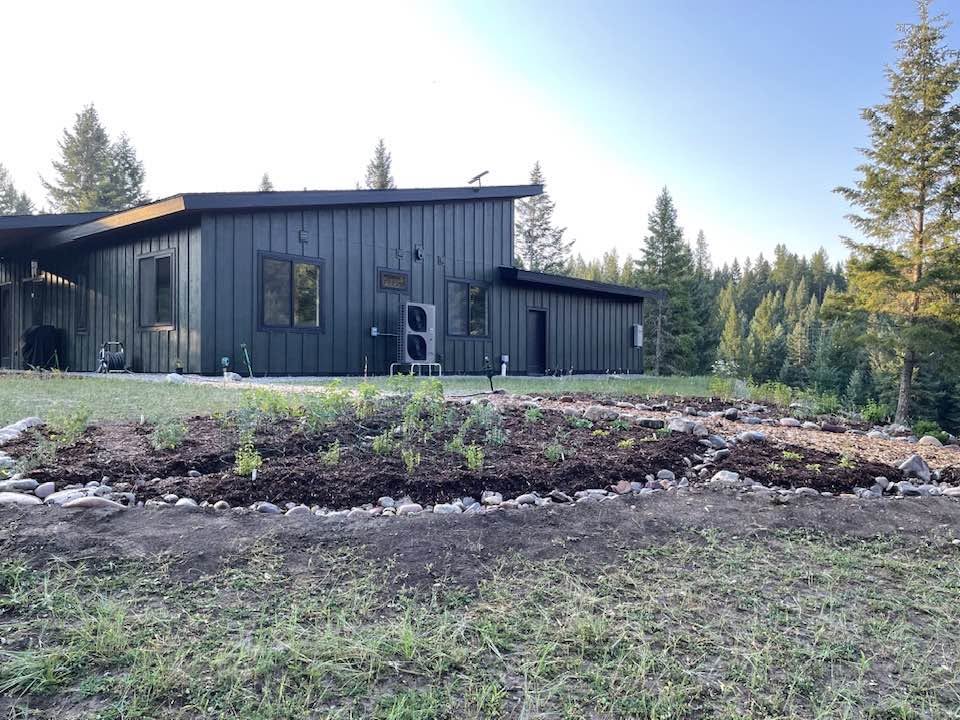
We all have something in the garden we would like to avoid seeing every day. What do you have to hide? For us, it is the HVAC unit on the west side of the house. For you it could be the garbage bins or a compost pile, whatever it is there are several ways to screen it. Photograph these areas and consider using natural plant screens or a man-made structure to avoid seeing the offending view. Each option has specific materials and design elements that make it effective.
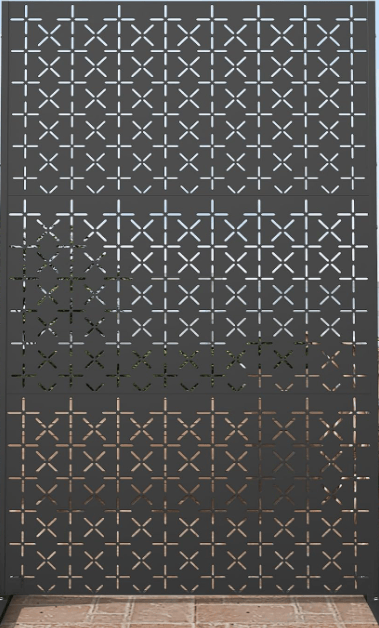
Living in a wildfire risk area means, it is advisable to avoid anything flammable within five feet of the house. We’ll be using decorative metal screens to block our HVAC and future generator. The screens combine artistic design with functionality, often featuring intricate patterns that allow light and air to pass through the screen. Made from durable materials like steel or aluminum, they are long-lasting and can become a focal point in your landscape.
A great option for most people is using plants to block unattractive sightlines and add beauty:
- Evergreen shrubs: Plant dense, evergreen shrubs, such as dwarf mugo pine or boxwood that keep foliage year-round and can be trimmed to a height that works for your space
- Sturdy trellis with climbing vines: Plant woody or herbaceous vines, such as clematis to provide seasonal flowers and foliage
- Grasses: Growing large grasses, such as Big Bluestem for partial screening, movement and decorative accents
- Living plant wall: These walls contain pockets or planters filled with a mix of plants like herbs, flowers, and succulents
This steel decorative screen is an option to hide the HVAC shown in the first photo:
Light and Shadow
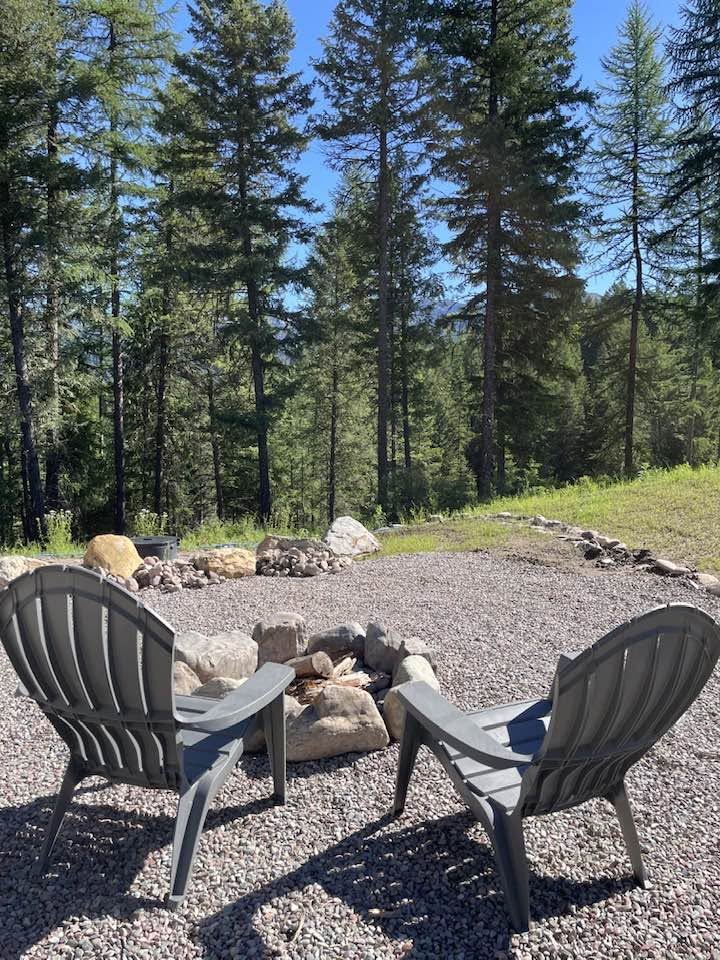
When do you spend the most time in the garden? Take a photo when you are most likely to actually be in the garden. Notice where the sun and shade falls and plan your seating and planting areas around the sun and shade patterns. In the winter, we enjoy sitting in a sunny spot. In the summer, we prefer a shady, cool location to protect us from the sun.
As far as planning your garden, you’ll want to map the sun and shade patterns to ensure you select the right plant for the right spot. Check the light several times a day and make a note of how long a spot has sun or shade. Also note the time of day because a lot of plants prefer morning sun to harsh afternoon sun.
Pro-Tip: Sun and shade patterns change throughout the year, so be sure to check during all four seasons.
Our sunny spot to enjoy the firepit:
Overexposed
Take some time to explore the garden and take photos of areas you feel the most exposed. Maybe you have a small yard and would like more privacy from the neighbors. We’ve already talked about ways to block unwanted views but remember to check the exact sightlines. You may only need to screen one angle and not the whole garden.
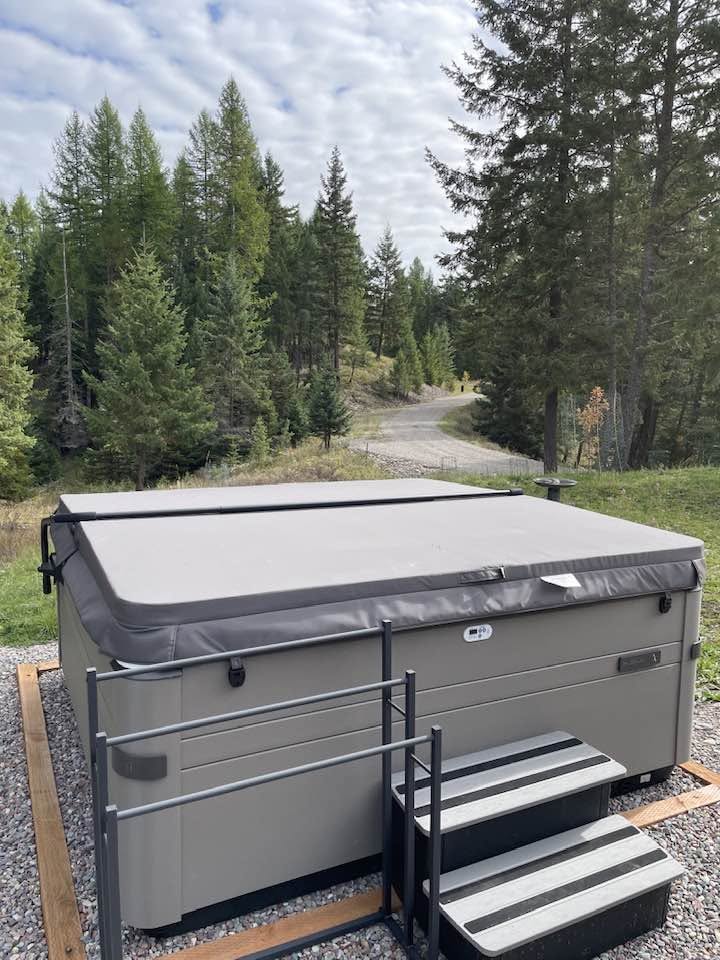
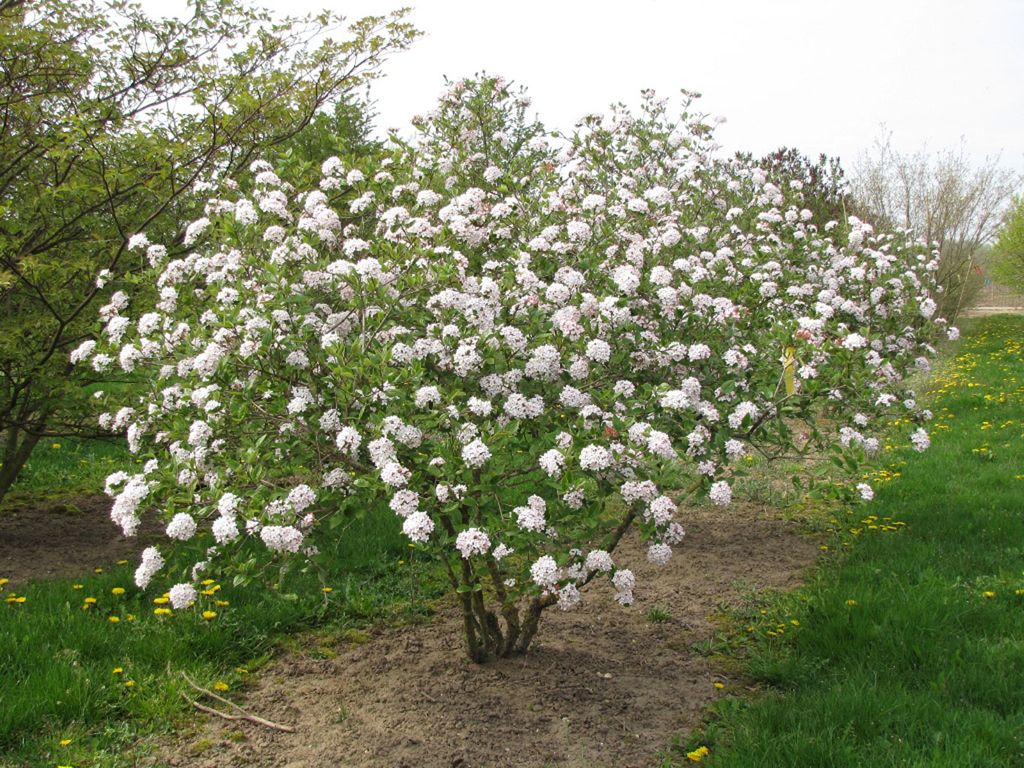
One of the reasons we bought our 12.5-acre property, Majestic Meadows is the mountain views. It is also at the end of a community road making it private. However, we still want to block the view to the hot tub from the driveway. A natural hedge will offer privacy, help block the wind and hide the hot tub. I’m considering planting three Viburnum Burkwoodii Mohawk shrubs around the hot tub. This viburnum is a compact, upright, multi-stemmed, semi-evergreen shrub with dark green, glossy leaves that turn orange and red in the fall. Mid-spring red flower buds open to wonderfully fragrant white flowers arranged in snowball clusters. The blooms last two weeks, then red berries appear which ripen black in mid-late summer.
Connection
In these photos you’ll want to walk to the far end of the yard and look back at the house. I did this exercise from several viewpoints to see if the garden feels connected to the house. There are several ways to connect your house and garden:
- Scale: Plants, pathways, furniture and other garden features should be in scale with your home and each other. One of my favorite landscape designers, Rochelle from Pith & Vigor says it best, “Scale refers to the proportion of plants, structures, pathways, and features compared to each other and to the surrounding environment.”
- Consistent use of materials: What materials are in your home? What tones do you see all the time? Is it warm wood, softer neutrals, darker accents, brushed metals, or a mix of old and new? Use similar colors, woods, and metals but they do not have to match perfectly. If your kitchen has dark green cabinets, repeat a lighter version of that green in garden pots or furniture cushions. I’m a big fan of mixing old and new in the home and garden, which makes your spaces feel collected instead of dated.
- Zones: Just like in interior design, plan your garden zones by what function they will serve. We have different areas for various needs, such as dining, edible gardening, hot tub, sitting in the sun or shade, etc. For the love of plants, don’t put everything up against the house or along the outer edges of your garden. Create rooms and plan your pathways and gardens around those rooms.
- Negative space: We seeded native grasses and fescues around the house, which will act as a negative space to let the eye rest before traveling on to planting beds, trees or the mountain views. You can also do this with a single low growing native wildflower, gravel or lawn.
Once you’ve taken all your pictures, review them to find connections, highlight and hide a view, as well as find a place to pause in the garden.
The garden is coming along nicely considering it is just about a year old. A lot of the areas close to the house are looking great and feel connected to the house. As any gardener will tell you, there is still plenty of work to be done. As you can see in the pictures below, some of the slopes around our house need attention. Next year we will add more multi-stem trees, shrubs, grasses and wildflowers to these areas.
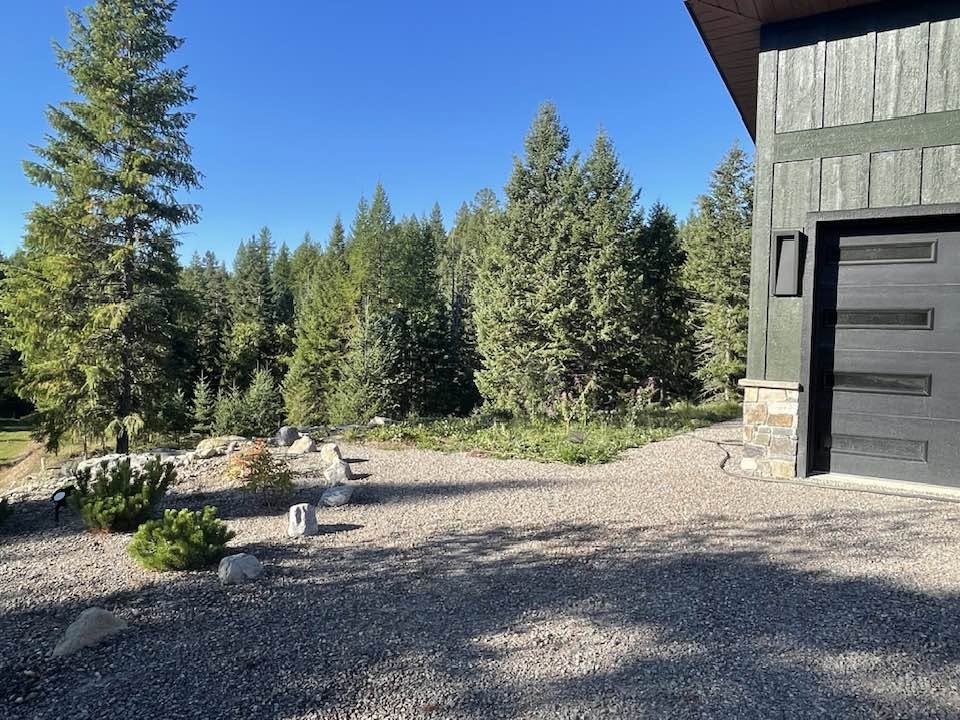
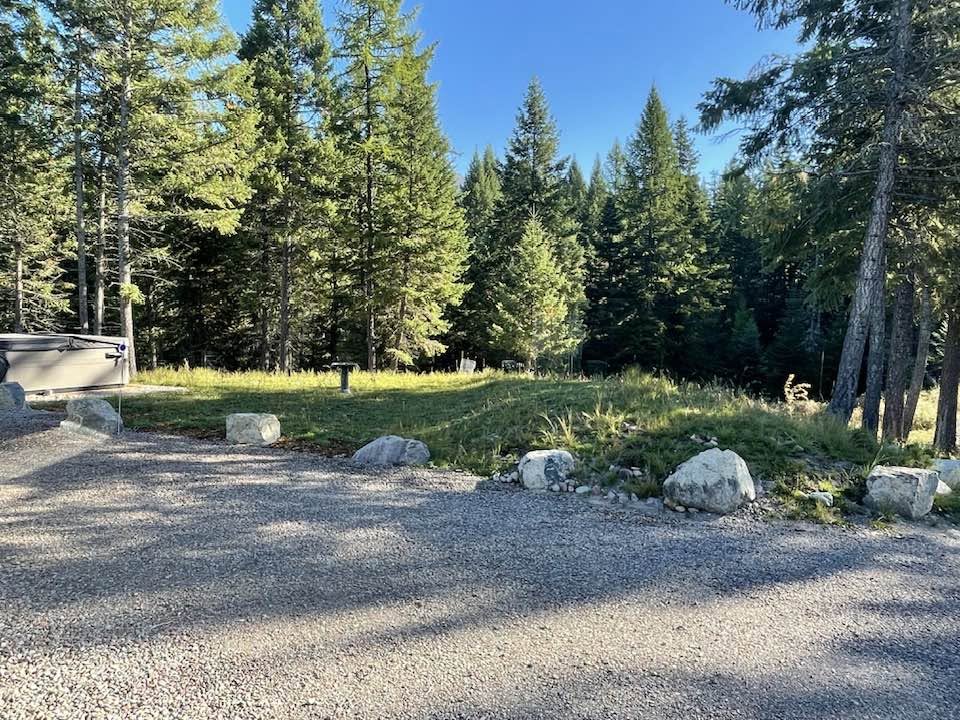
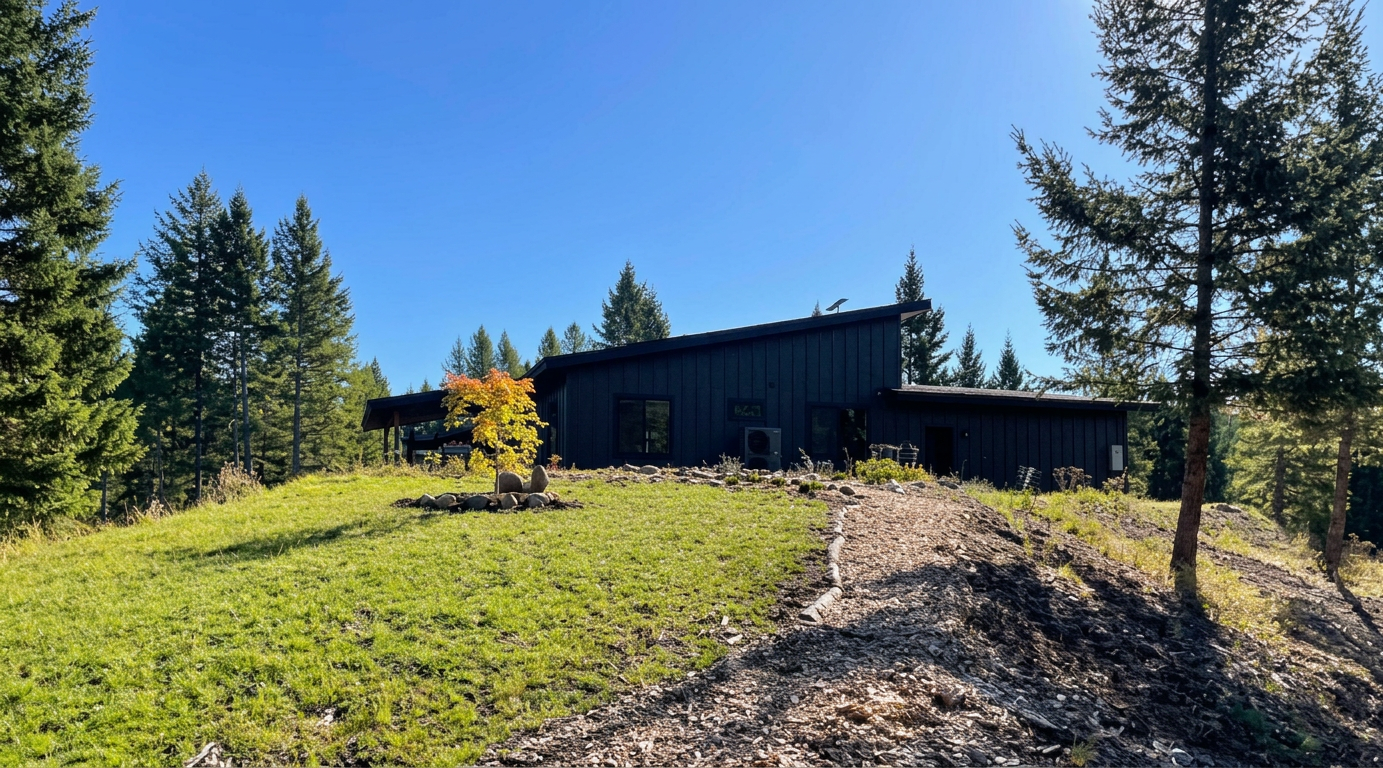
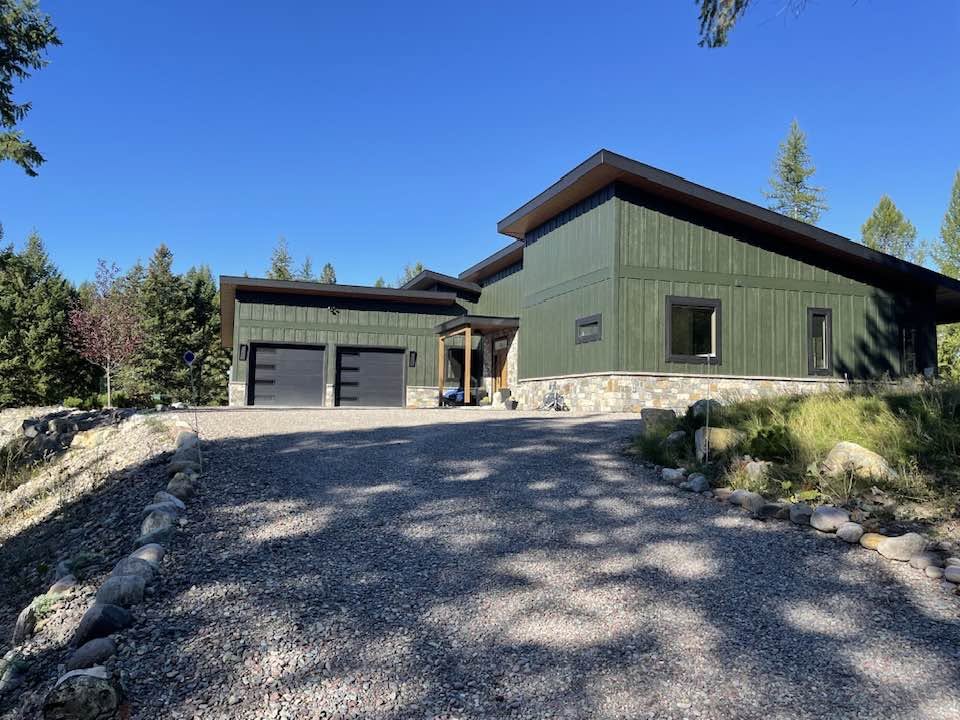
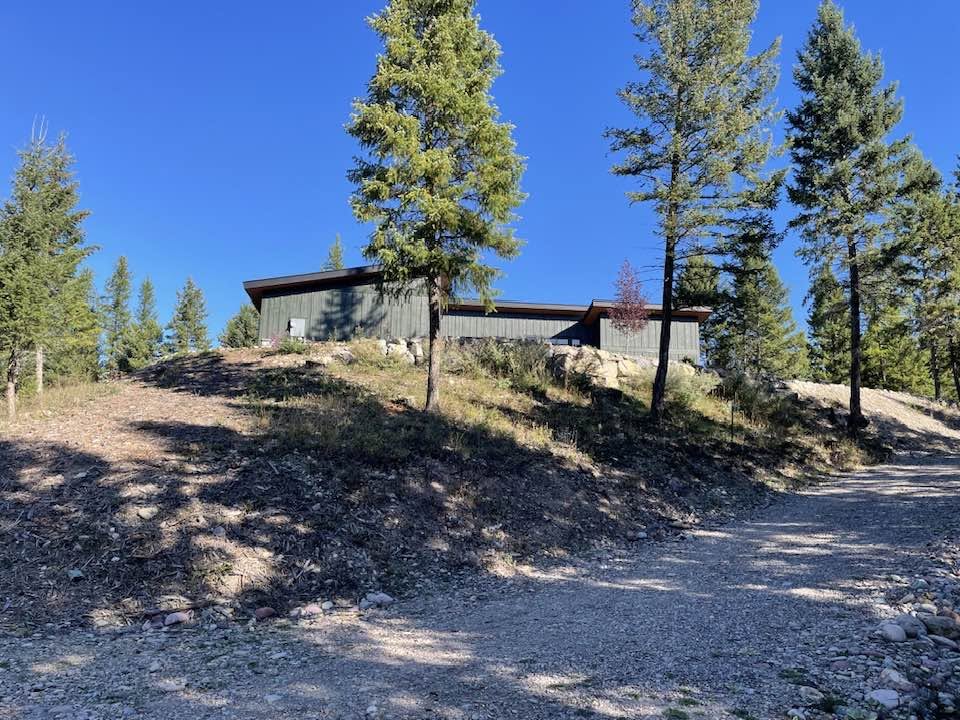
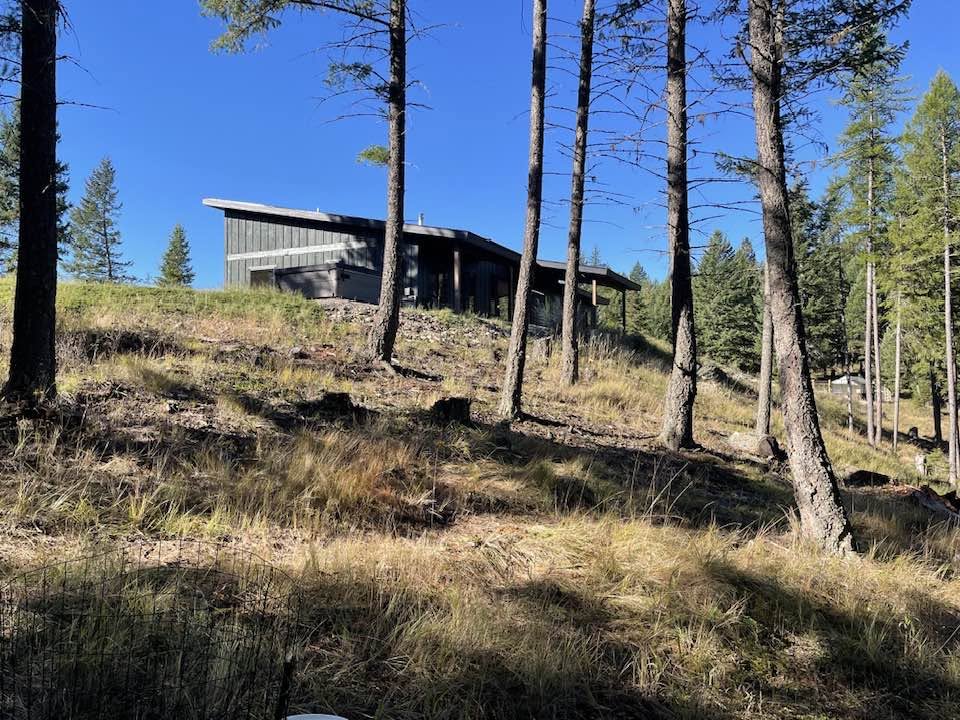
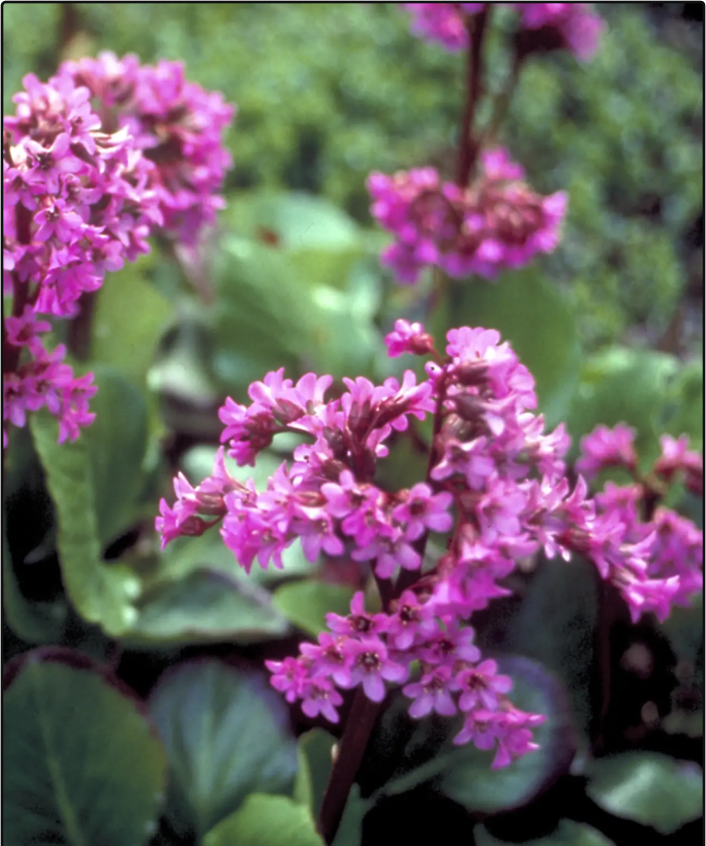
It’s early October, so there is still time to add some more plants. We’ve grown native purple coneflowers and little bluestem grasses from seed this summer, so we’ll be planting those along the slopes. We are also doing a mass planting of Bergenia Winter Glow in the bed just outside our living room window. These plants are clump forming perennials with dark pink flowers on top of red stems emerging from dark green, shiny leaves. The flowers bloom in spring, but the foliage is quite beautiful on its own and turns reddish bronze in the fall and winter.
This garden is not the first one we’ve created from scratch. In South Florida, we spent 20 years creating a tropical cottage garden. We don’t miss South Florida, but we do miss those Nam Doc Mae mangoes!
I share more garden tips in the posts link below:
Three Keys to Landscape Design – Design, Garden, & Travel by Majestic Meadows
Mountain Meadowscape Update – Design, Garden, & Travel by Majestic Meadows
Meadowscaping with Natives – Design, Garden, & Travel by Majestic Meadows
Edible Garden – Design, Garden, & Travel by Majestic Meadows
Stay connected by subscribing below, which means you’ll get my latest posts but never any spam:


Leave a comment